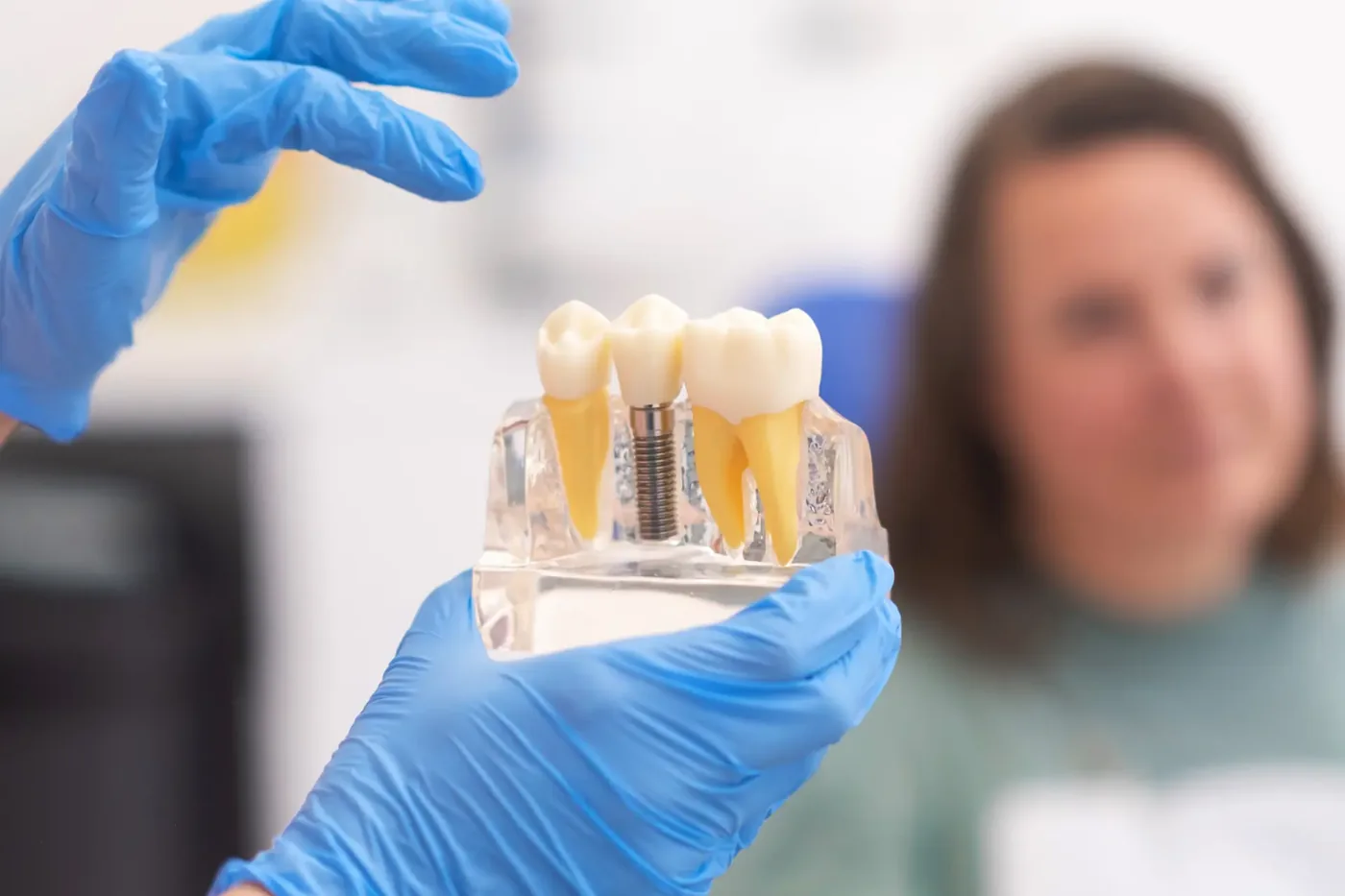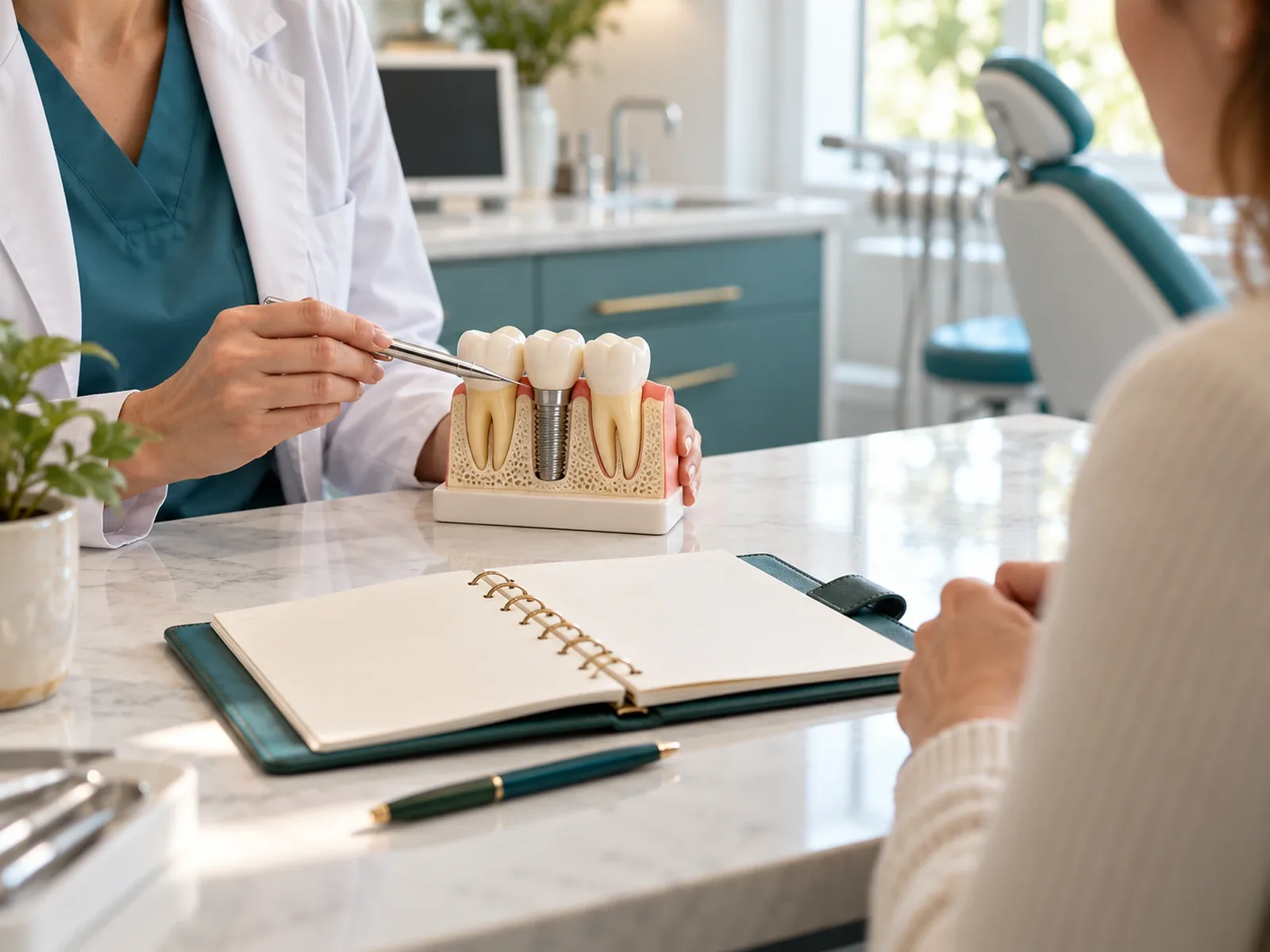

Recovery from dental implant surgery is usually easier than people expect. For a single implant in a healed site, most patients are back to normal routines within a day or two, with mild soreness and some swelling that settles over the first week. Recovery after several implants, extractions or a bone graft takes longer and involves more swelling and more dietary care.
What follows is a general picture of what to expect and what to watch for. Your written post-operative instructions describe your actual procedure and always take priority over anything here.
This guide, part of our dental implant services, is meant to help patients at our Cleburne office plan ahead, know what is normal and recognize what is not.
Before surgery: what to arrange
- Know how to reach us. Save (817) 641-6261 and ask how after-hours concerns are handled.
- Plan a quiet day. Implant surgery is done with local anesthesia, so you can drive yourself, but it is sensible to clear the rest of the day.
- Stock soft foods and cold packs. Yogurt, eggs, soups, smoothies, mashed vegetables, and a bag of frozen peas or a gel pack.
- Review your medicines. Tell us everything you take, including blood thinners and supplements. Do not stop a prescribed medicine on your own; if a change is needed, it is arranged with your physician.
- Eat beforehand. With local anesthesia you can and should have a normal meal before the visit.
- Ask about work. Desk work the next day is usually fine; heavy lifting or strenuous exercise may need a few days off.
If dental visits make you anxious, say so. Clear explanations, a pause signal, breaks and pacing make a real difference; see our page on managing dental anxiety.
The first 24 hours
The anesthesia wears off over a few hours. Take any prescribed or recommended pain reliever before it does, so you stay ahead of the discomfort. Expect a little oozing of blood mixed with saliva; bite gently on gauze as instructed. Keep your head elevated, apply cold packs to the cheek in 15 to 20-minute cycles, and rest. Do not rinse vigorously, spit forcefully, use a straw or smoke; all of these can disturb the clot and the surgical site.
Days two to seven
Swelling usually peaks around the second or third day and then recedes. Mild bruising on the cheek or jaw is possible and harmless. Soreness should be improving each day. Begin gentle salt-water rinses after the first day if instructed, and keep eating soft foods. Stitches, if used, either dissolve or are removed at a follow-up visit, often around one to two weeks.
Weeks two to eight
The gum over or around the implant heals within a couple of weeks and the site feels normal. Beneath the surface, bone is still bonding to the implant and will be for months. Chew away from the site, keep the area clean and attend the scheduled check so Dr. Zohdi can confirm things are on track. The timeline guide explains how this healing leads into the final crown.
What to eat
| First 24 hours | Days 2 to 7 | After the first week |
|---|---|---|
| Cool or lukewarm, soft, no chewing at the site: yogurt, smoothies (no straw), applesauce, lukewarm soup | Soft foods needing little chewing: eggs, pasta, fish, mashed potatoes, oatmeal, soft fruit | Gradually normal, still avoiding hard, crunchy or sticky foods on the implant side until cleared |
Avoid very hot foods and drinks while numb, and avoid alcohol while taking pain medicine.
Cleaning the surgical site
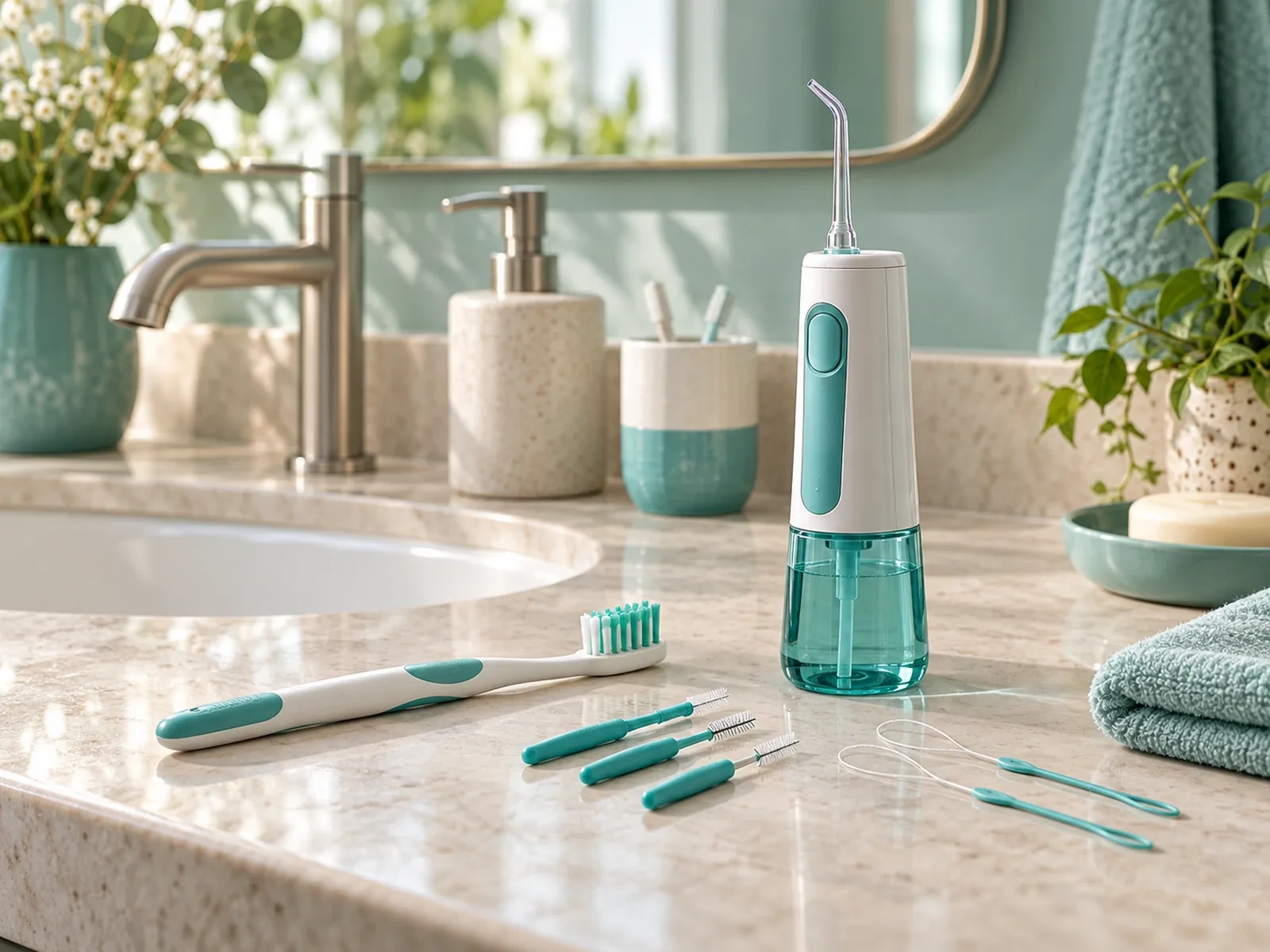
Cleanliness matters for healing, but the method changes near a fresh site:
- Brush your other teeth normally from the first evening.
- Near the surgical site, use a soft brush very gently, or avoid the area for the first day or two as instructed.
- Rinse gently with warm salt water or a prescribed mouthwash after meals from day two.
- If you were given a chlorhexidine rinse, use it exactly as directed; it can stain temporarily.
- Do not use a water flosser at the site until told it is safe.
Pain, swelling and medicines
Most patients manage well with over-the-counter ibuprofen and acetaminophen, often taken together on a schedule for the first two or three days. If you were prescribed something stronger, use it only as directed and only as long as you need it. Take any antibiotic for the full course even if you feel fine. Never use leftover antibiotics from a previous illness. If a medicine causes a rash, stomach upset or anything unexpected, call before taking the next dose.
Protecting a temporary tooth
If you have a flipper, a bonded temporary or a temporary crown on the implant, treat it as a placeholder, not a chewing tooth. A flipper should be removed at night and must not press on the surgical site; if it does, call so it can be adjusted. A temporary crown on the implant is deliberately kept out of your bite. If a temporary feels high when you bite, loosens or comes off, contact the office rather than adjusting it yourself.
What is normal, and what needs a call
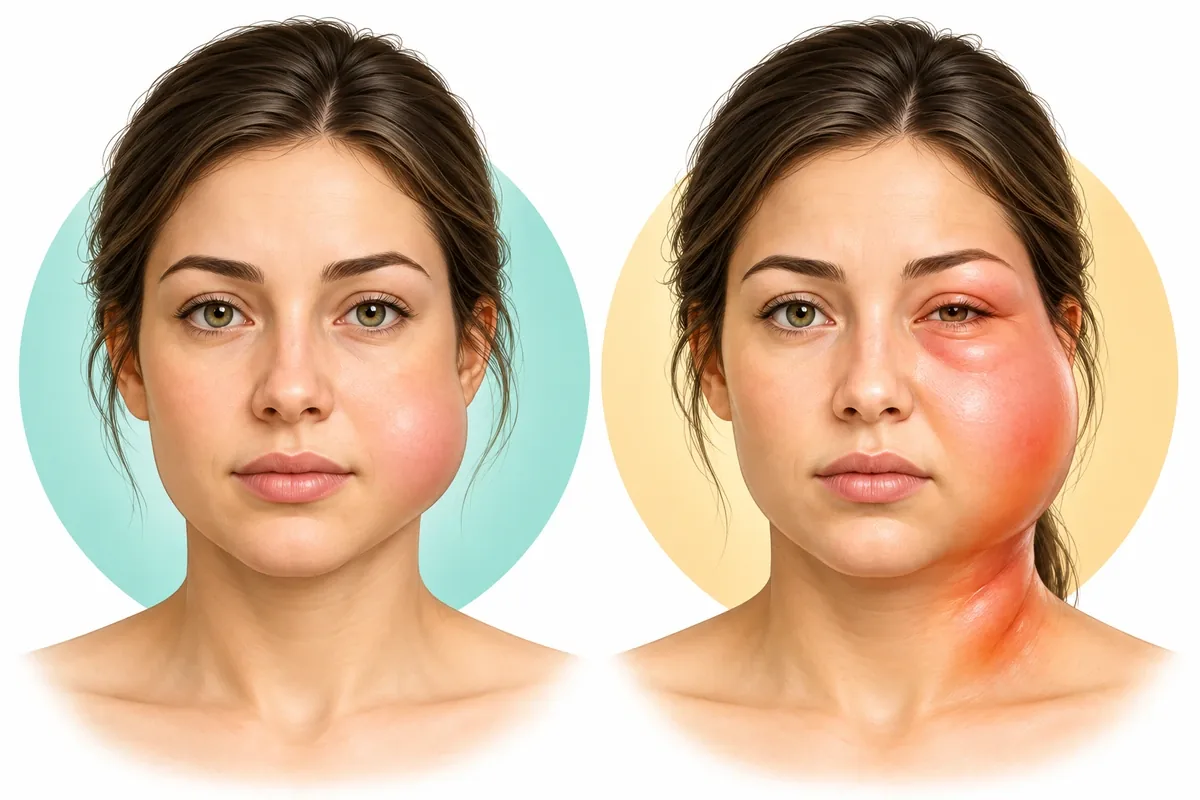
Normal in the first week: soreness that improves daily, swelling that peaks around day two or three and then eases, slight oozing on day one, bruising, a dull ache, stiffness when opening.
Call us at (817) 641-6261 the same day if you notice:
- Pain that is getting worse after day three rather than better
- Swelling that keeps increasing after day three
- Fever, or a bad taste or pus from the site
- Bleeding that does not slow with firm gauze pressure after 30 minutes
- A healing cap, implant or temporary tooth that feels loose or has come out
- Numbness or tingling in the lip, chin or tongue that persists after the anesthesia should have worn off
Go to the emergency room or call 911 for difficulty breathing or swallowing, swelling that is spreading rapidly toward the eye or down the neck, or bleeding you cannot control. Those are medical emergencies; do not wait for a dental appointment. Our facial swelling guide explains the warning signs in more detail.
Recovery and integration are different things
Feeling fine after a week does not mean the implant is ready for its crown. Soft tissue heals in weeks; bone takes months. Dr. Zohdi will check the implant's stability and an X-ray before moving on. Once you have your final tooth, the routine shifts from surgical-site care to lifelong implant maintenance. If your implant was placed at the same time as an extraction, our extraction recovery guide adds a few points specific to healing sockets.
Planning your surgery and recovery
If you are preparing for implant surgery, bring your questions about food, work, medicines and follow-up to your planning visit so nothing is a surprise afterward. If you have already had surgery and something concerns you, call us. To plan new treatment, request an appointment at our Cleburne office, 302 N Ridgeway Dr, or call (817) 641-6261.
Sources and further reading
- FDA: Dental implants—what you should know
- ADA MouthHealthy: Dental implants
- Mayo Clinic: Dental implant surgery
General information, not a diagnosis. Read how we create and review our dental guides.