Dentures in Cleburne: Fit, Function and Replacement Options
Dentures replace missing teeth and the support your face has lost with them. A comfortable result depends on fit, bite and follow-up as much as on how the teeth look, and this page maps out every option and what comes after.
Losing teeth changes more than your smile. It changes how you chew, how clearly you speak, how your lips and cheeks are supported, and often how you feel in a room full of people. Dentures restore all of those things, and modern materials make them look far more natural than they once did.
A denture that works, though, depends on more than the teeth. It depends on fit against gums that keep changing shape, on a bite that is balanced, on tissue that stays healthy underneath, and on your being able to clean and handle it. At Cleburne Dental, Dr. Zohdi plans dentures around all of those, with follow-up built in.
This page introduces each type, how to choose between them and the implant alternatives, what the visits involve, and where to read more.
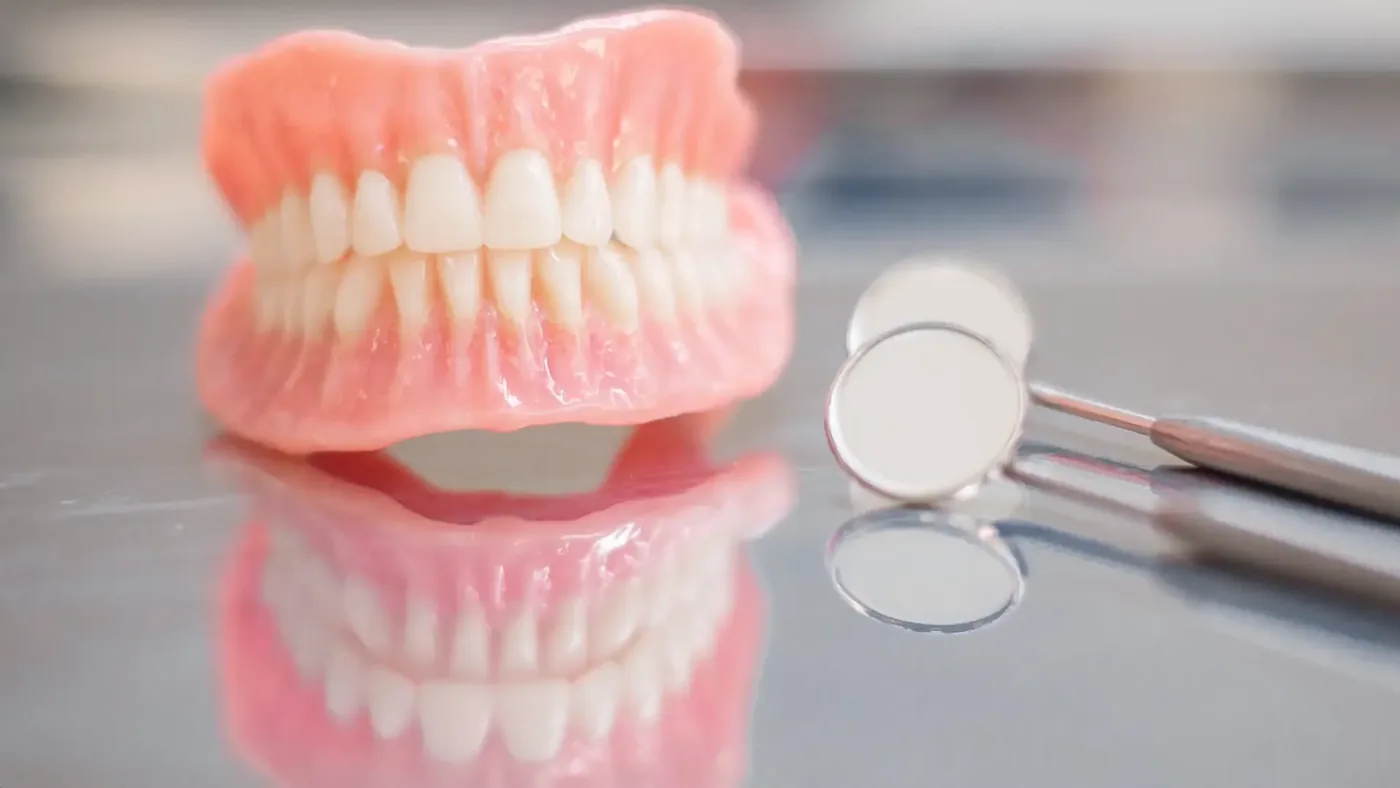
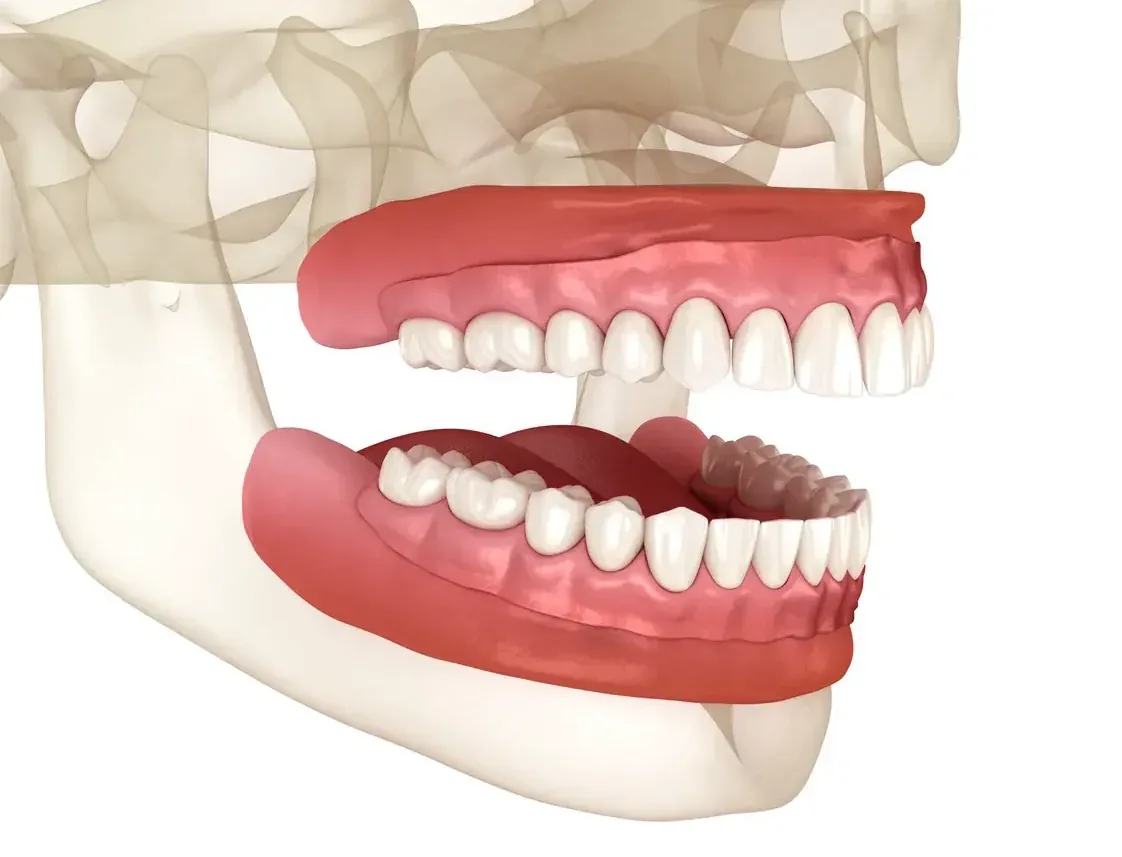
Full dentures replace every tooth in an arch; partials and implant-supported dentures are the other main categories.
Complete (full) dentures replace every tooth in the upper or lower arch, or both. They rest on the gums, with the upper sealing against the palate and the lower relying more on ridge shape and muscle control. Our complete dentures guide explains why the two feel different and what the visits involve.
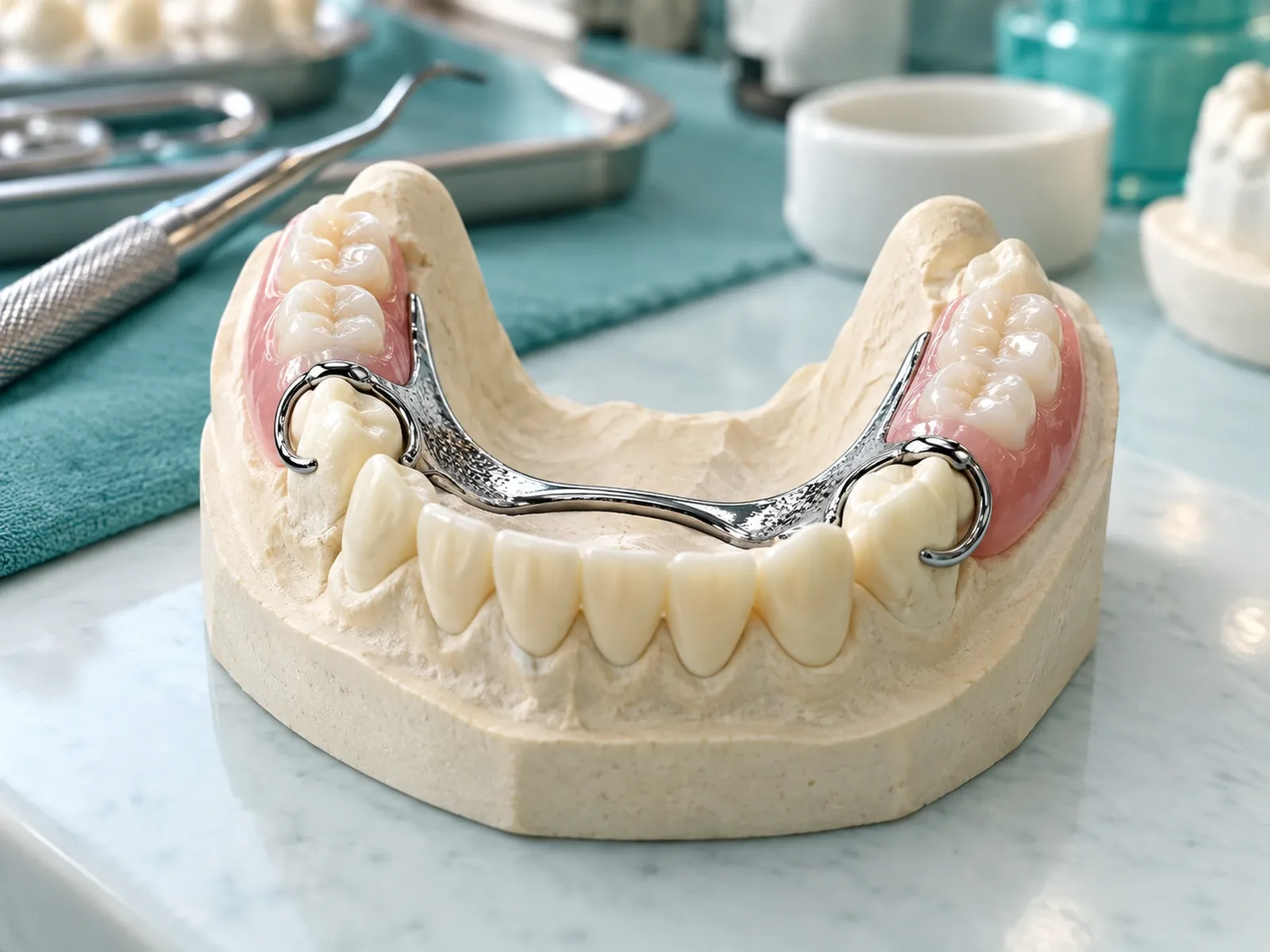
Partial dentures fill gaps while keeping the natural teeth you still have, attaching to them with clasps or attachments. Because they lean on your remaining teeth, those teeth must be healthy enough to carry the load and are assessed first. See partial dentures for the designs and trade-offs.
Immediate dentures are made before failing teeth are removed and placed the same day, so you are never without teeth. The fit changes as the gums heal, and liners, relines or a later replacement are part of the plan. Our immediate dentures guide covers the first days and the stages that follow, alongside our page on tooth extractions.
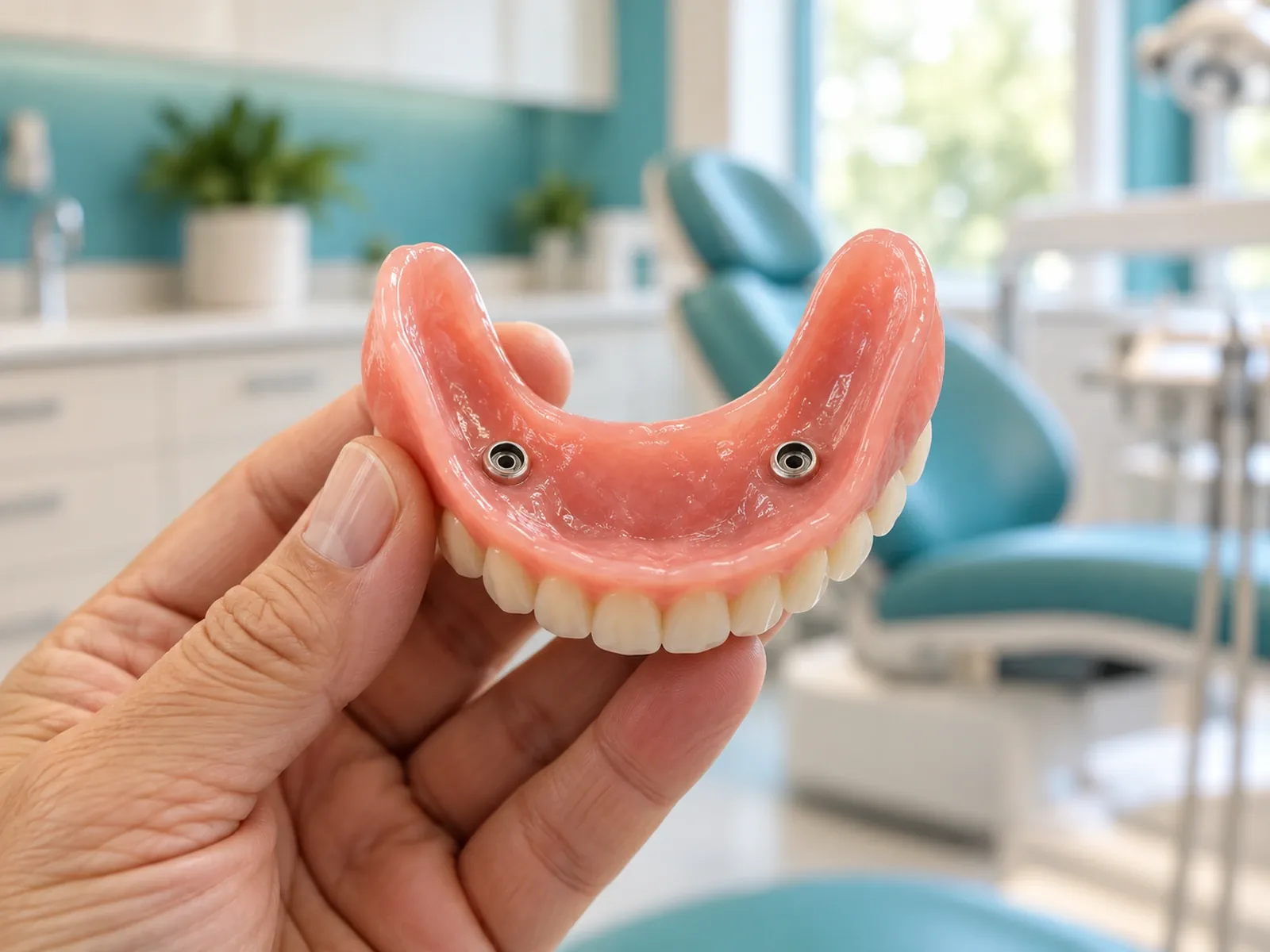
Implant-supported dentures snap onto a small number of dental implants placed in the jaw. They remove most of the movement and adhesive dependence of a conventional denture, and the implants help preserve the bone around them. They can be removable overdentures or fixed implant bridges. Read about implant-supported dentures and full-arch implant teeth.
Dentures or implants: how to think about it
This is the question most patients bring to the first visit, and the honest answer is that it depends on your mouth, your health, your priorities and your budget.
Conventional dentures
Implant-supported dentures
Fixed full-arch implant teeth
Surgery
None
Implant placement
Implant placement, often more implants
Stability
Relies on fit and muscle control
Snaps onto implants; much less movement
Fixed; closest to natural teeth
Timeline
Weeks
Months, including healing
Months, including healing
Bone
Ridge continues to remodel
Implants help preserve bone around them
Implants help preserve bone around them
Upfront cost
Lowest
Middle
Highest
Maintenance
Relines, eventual replacement
Attachment inserts, relines, implant hygiene
Professional cleaning, screw and material checks
Conventional dentures are the right answer for many people: no surgery, a shorter timeline and the lowest upfront cost. They suit people who need teeth now, whose health makes surgery less attractive, or who may consider implants later. Implant-supported dentures are a middle path for people whose main frustration is a loose lower denture. Fixed implant teeth are a larger commitment with the most natural result. For a smaller gap, a fixed bridge may also be on the list.
What the denture process looks like
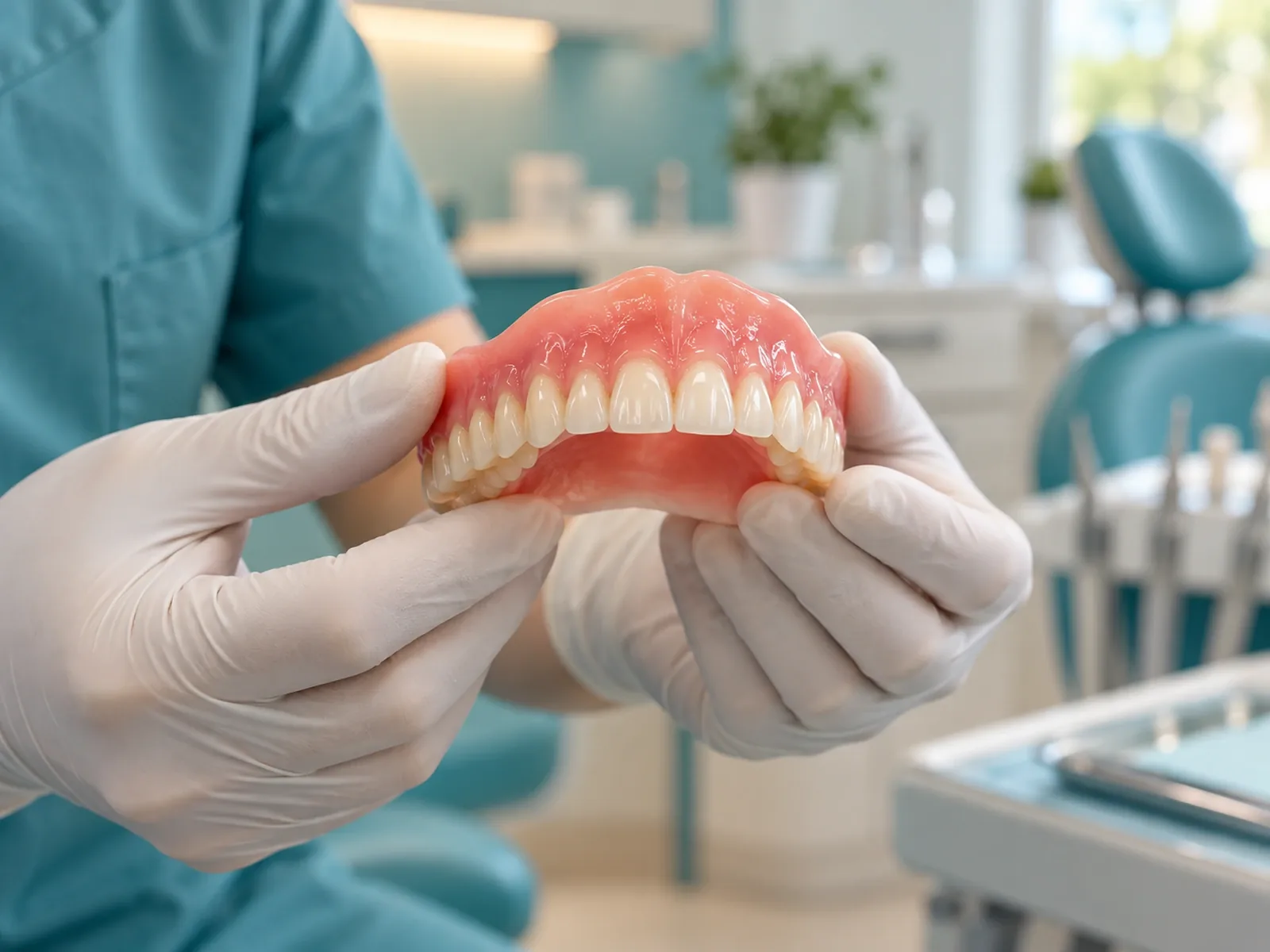
The consultation is where fit, appearance and the alternatives are weighed together.
Getting a denture is a sequence of short visits with lab work between them:
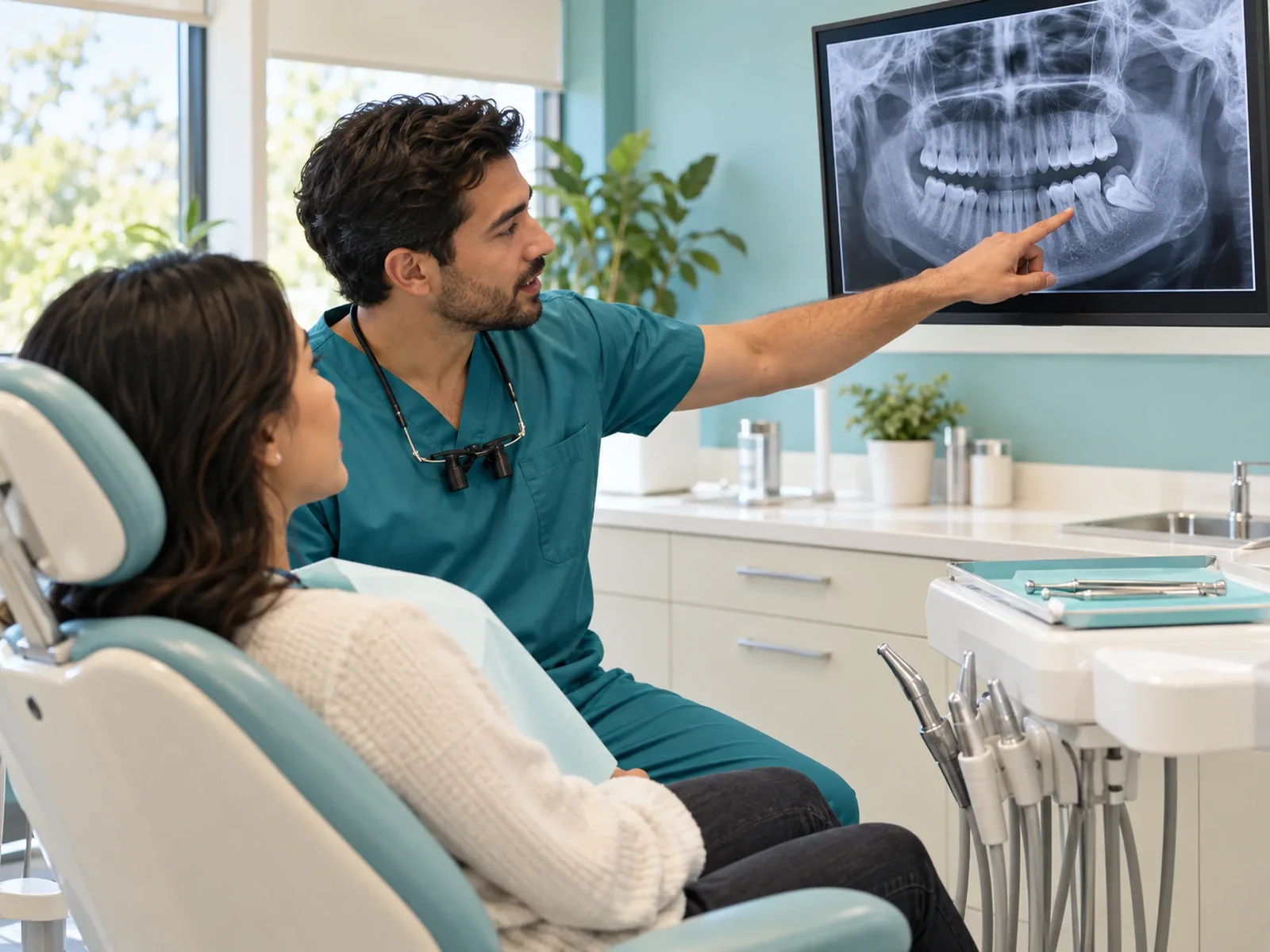
Consultation. Dr. Zohdi examines your gums, bone and any remaining teeth, takes X-rays as needed, and listens to what you want to change.
Treatment plan. A written plan covers the type of denture, any extractions or preparatory work, the number of visits and the follow-up included.
Impressions and records. Detailed impressions plus records of how your jaws meet and how much lip support you need.
Fabrication and try-in. The lab builds the denture, and where possible you see the teeth set in wax before anything is final.
Delivery and adjustment. The finished denture is fitted, checked for pressure spots and bite balance, and adjusted over one or more short follow-ups as you wear it in real life.
Getting used to new dentures
New dentures take time. Most people need a few weeks to feel fully comfortable. Speech settles quickly with practice, and eating improves as you learn to chew on both sides and work up from soft foods. What should not be accepted as normal is pain that gets worse, a sore that stays in one place, or a denture that drops when you talk; a short adjustment usually fixes those. Our guide to adjusting to new dentures separates what to expect from what to report.
Adjustment, repair, reline or replacement?
Over the years every denture needs attention, and these four words are not interchangeable:
An adjustment relieves a specific pressure spot or refines the bite.
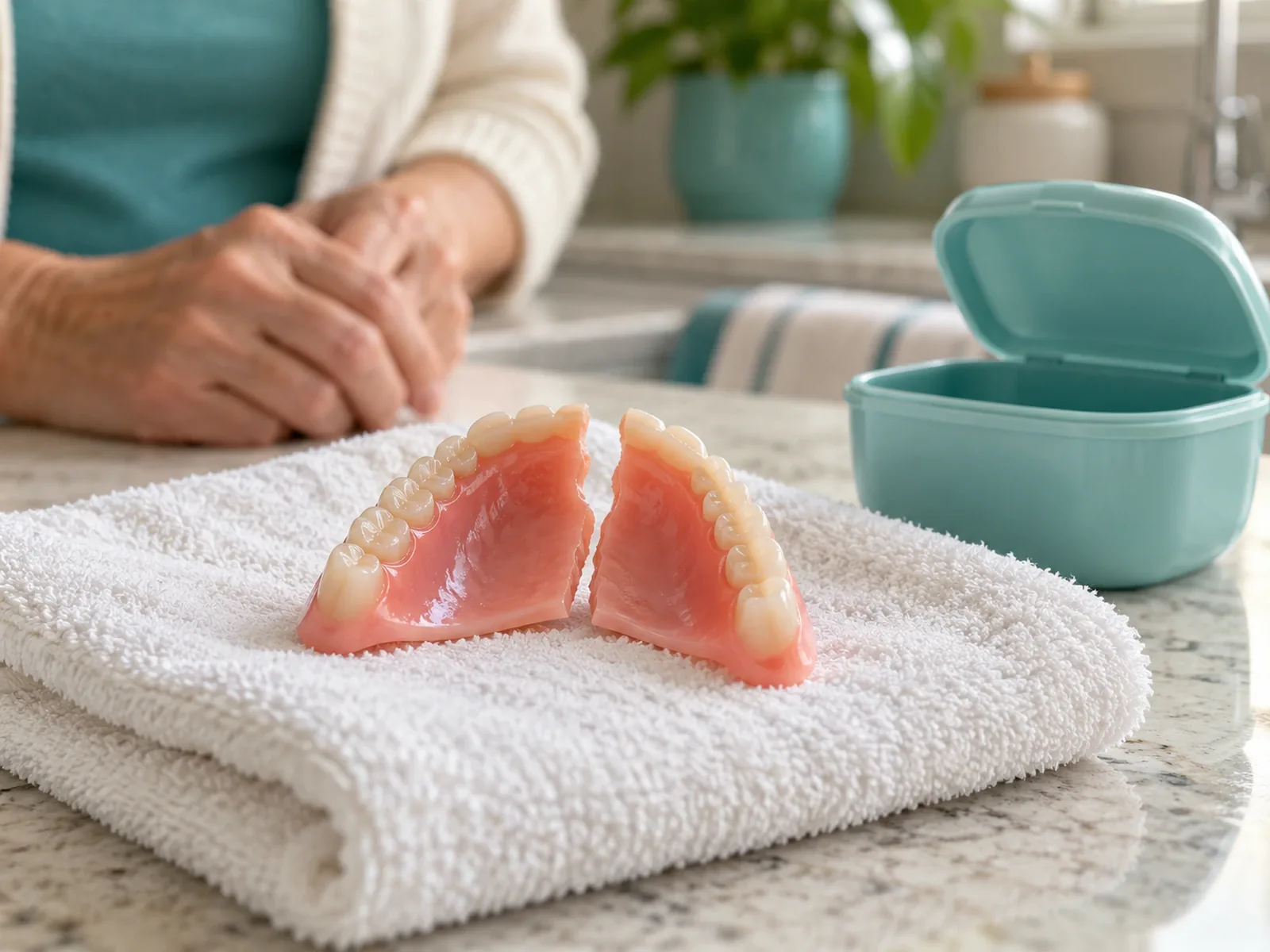
A repair fixes a cracked base, a lost tooth or a broken clasp. Keep the pieces and skip the glue.
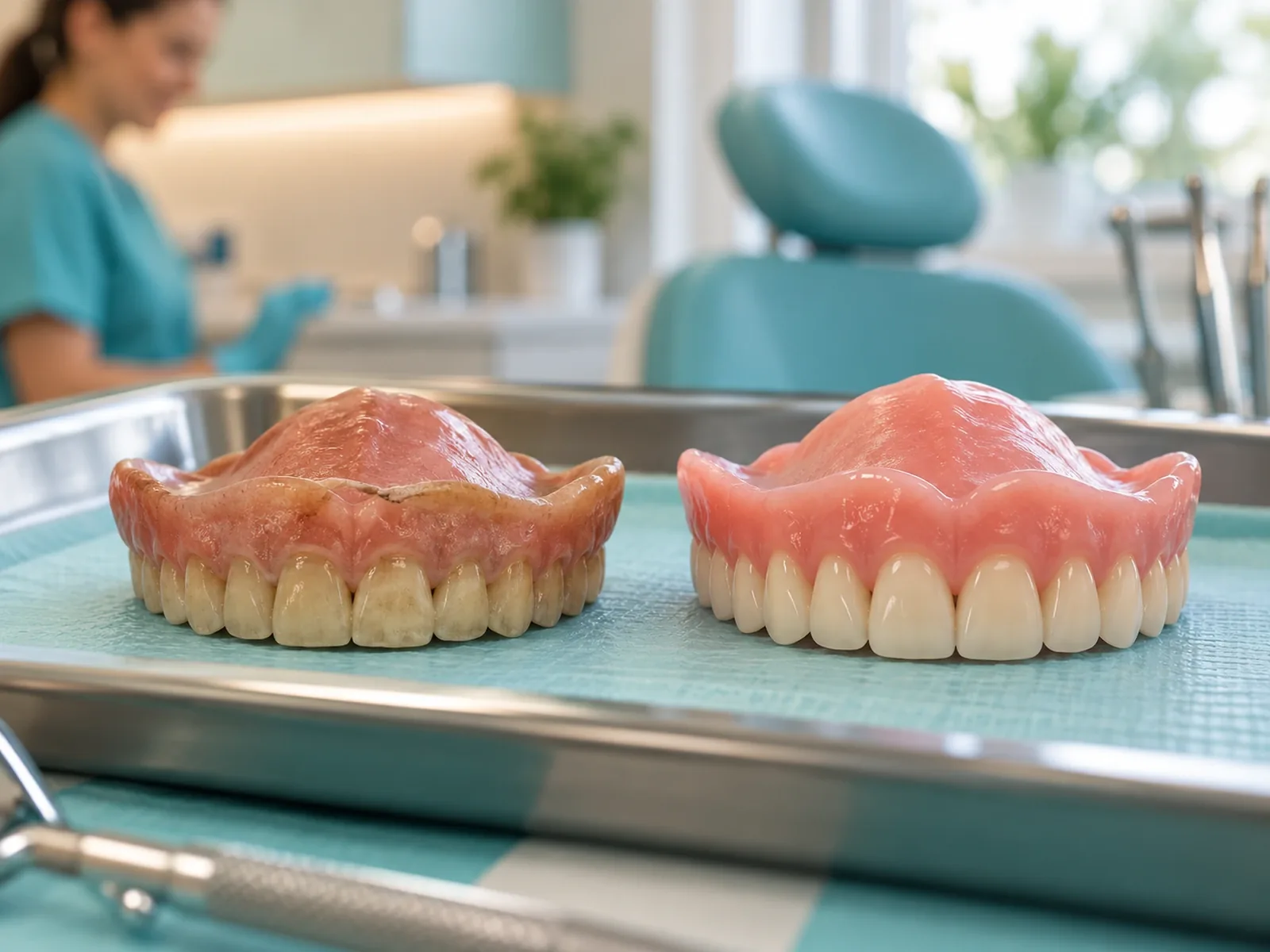
A reline rebuilds the fitting surface when the gums have shrunk but the denture is otherwise sound.
Replacement makes sense when teeth are worn flat, the bite has collapsed or several problems exist at once.
Repeatedly repairing a denture that rocks because it no longer fits leaves the real problem untouched.
Caring for dentures and the mouth under them
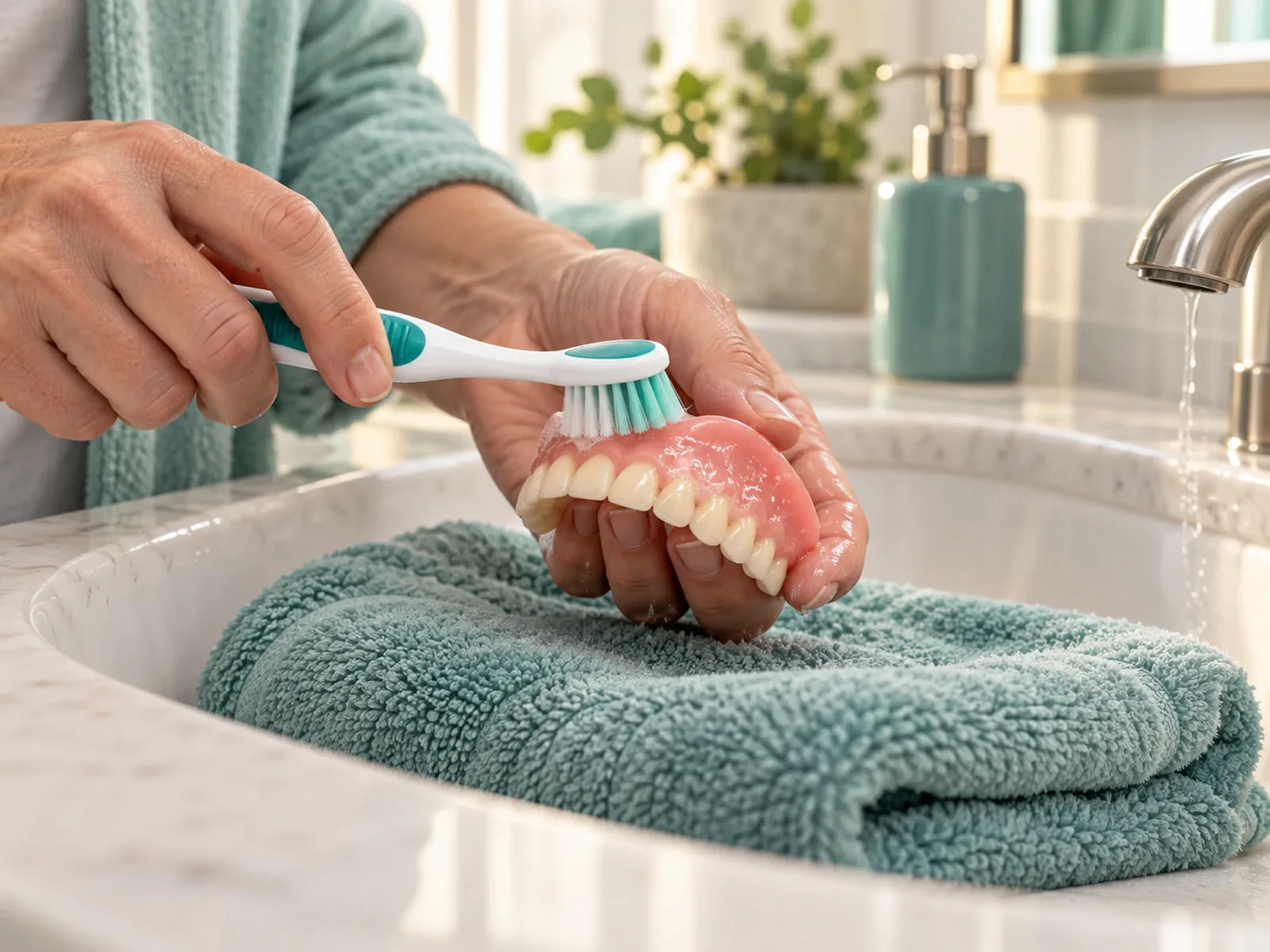
Remove and rinse the denture after eating, brush it daily with a soft denture brush and a non-abrasive cleaner, and soak it overnight so it keeps its shape while your gums rest. Never use hot water, which can warp the material. Brush your gums, tongue and any natural teeth every day, and keep regular exams: the mouth changes under a denture, and a loosening fit caught early is easy to reline. Our denture care guide covers products, storage, partial and implant-denture extras, and the changes that should prompt a visit.
Cost and insurance
Cost depends on the type of denture, the materials, whether extractions come first, whether relines are included and whether implants are part of the plan. Dental plans often cover dentures with limits on how often they will pay for replacement. Our insurance and payment and financing pages explain how we help you plan.
It depends on how many teeth are missing, the health of any that remain, the condition of your jawbone and what you want from the result. The consultation is designed to answer exactly that, and bringing any denture you already wear helps.
How long do dentures last?
There is no fixed lifespan. The mouth changes and materials wear, so relines along the way and replacement eventually are normal.
What should I bring to a denture consultation?
Your current denture and any older ones, a list of medications, and photographs of your natural smile if you have them.
Do I still need a dentist if I have no natural teeth?
Yes. Your gums, tongue and the lining of your mouth still need examining, the denture's fit and bite change over time, and oral cancer screening applies to everyone.
If you are missing teeth, struggling with a denture that no longer fits, or wondering whether implants would serve you better, we would be glad to see you in Cleburne. Request an appointment and we will compare every option based on your mouth and the denture you have.