Root Canal Treatment in Cleburne: Understanding Tooth-Saving Care
A root canal removes infected or inflamed tissue from inside a tooth so the tooth can stay. Under local anesthesia the procedure feels much like a filling, and it relieves the pain rather than causing it.
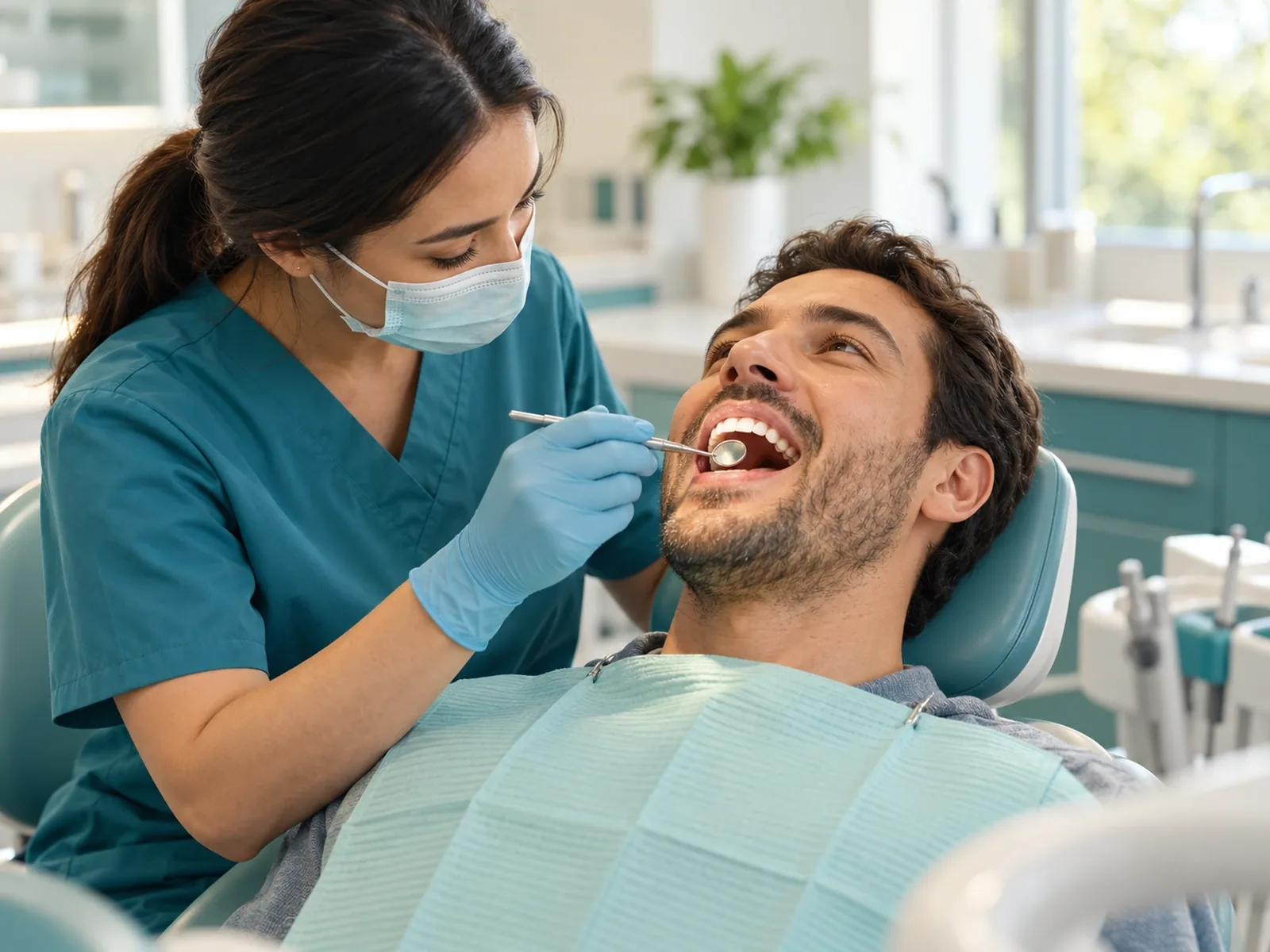
Few phrases make people more anxious than "you need a root canal." The reputation is decades out of date. With modern local anesthesia, a root canal is a routine procedure that most patients compare to having a filling, and for someone who arrives with a throbbing, infected tooth it is the thing that finally stops the pain. At Cleburne Dental, Dr. Zohdi numbs the tooth completely before beginning and explains each step as it happens.
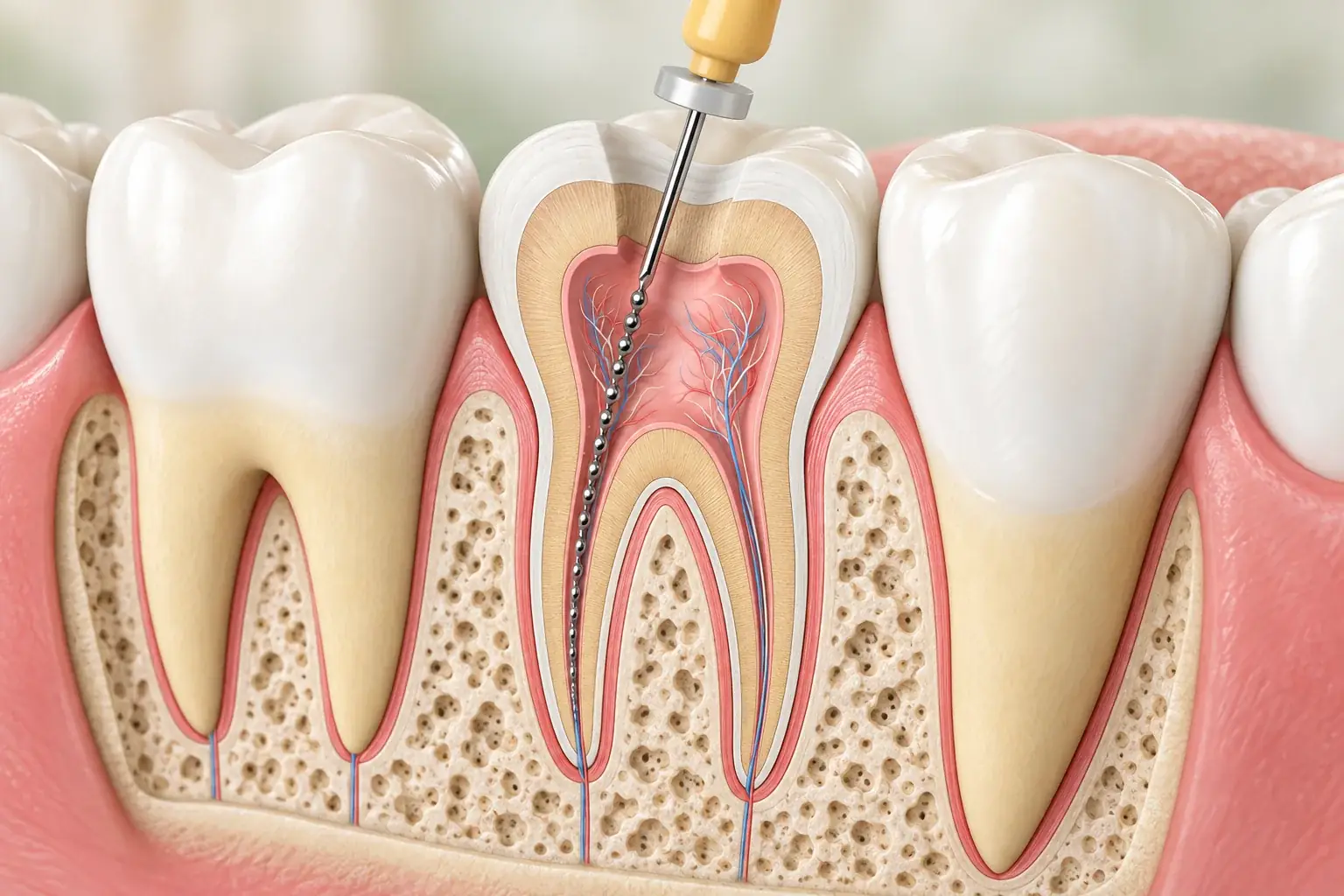
The purpose of a root canal is simple: to keep a tooth that would otherwise be lost. Inside every tooth is soft tissue called the pulp, made up of nerves and blood vessels. When bacteria reach it through a deep cavity, a crack or a failing filling, the pulp becomes inflamed and then infected, and that infection can spread into the bone around the root. Treatment removes the diseased tissue, disinfects and seals the canals, and the tooth is then restored, usually with a crown, so it can keep working for years.
This overview covers the warning signs, the visit itself, recovery, cost and the save-or-extract decision, with a detailed guide linked for each; it sits within our full list of dental services.
Not every toothache means a root canal, and not every tooth that needs one hurts. The symptoms that most often point to pulp inflammation or infection are:
a severe or throbbing toothache, especially one that worsens over days or wakes you at night,
sensitivity to hot or cold that lingers for minutes after the drink is gone, rather than fading in seconds,
pain when biting or chewing on one specific tooth,
a tooth that has darkened or turned gray compared with its neighbors,
swelling or tenderness in the gum beside one tooth, or
a pimple-like bump on the gum that may drain fluid, a sign of a dental abscess.
Some of these can also come from a crack, gum disease or a neighboring tooth, which is why the diagnosis is made in the chair. Our guide to tooth pain symptoms helps you judge how quickly to call. If you are in pain, call (817) 641-6261 during office hours and we will see you as soon as we can.
Go to the emergency room or call 911 if swelling makes it hard to breathe or swallow, is spreading quickly toward your eye or down your neck, or comes with a high fever. Those are medical emergencies and should not wait for a dental visit.
A cut-away tooth model shows the pulp, where the nerve and blood vessels live. Once decay reaches it, a filling alone can no longer fix the tooth.
How the diagnosis is confirmed
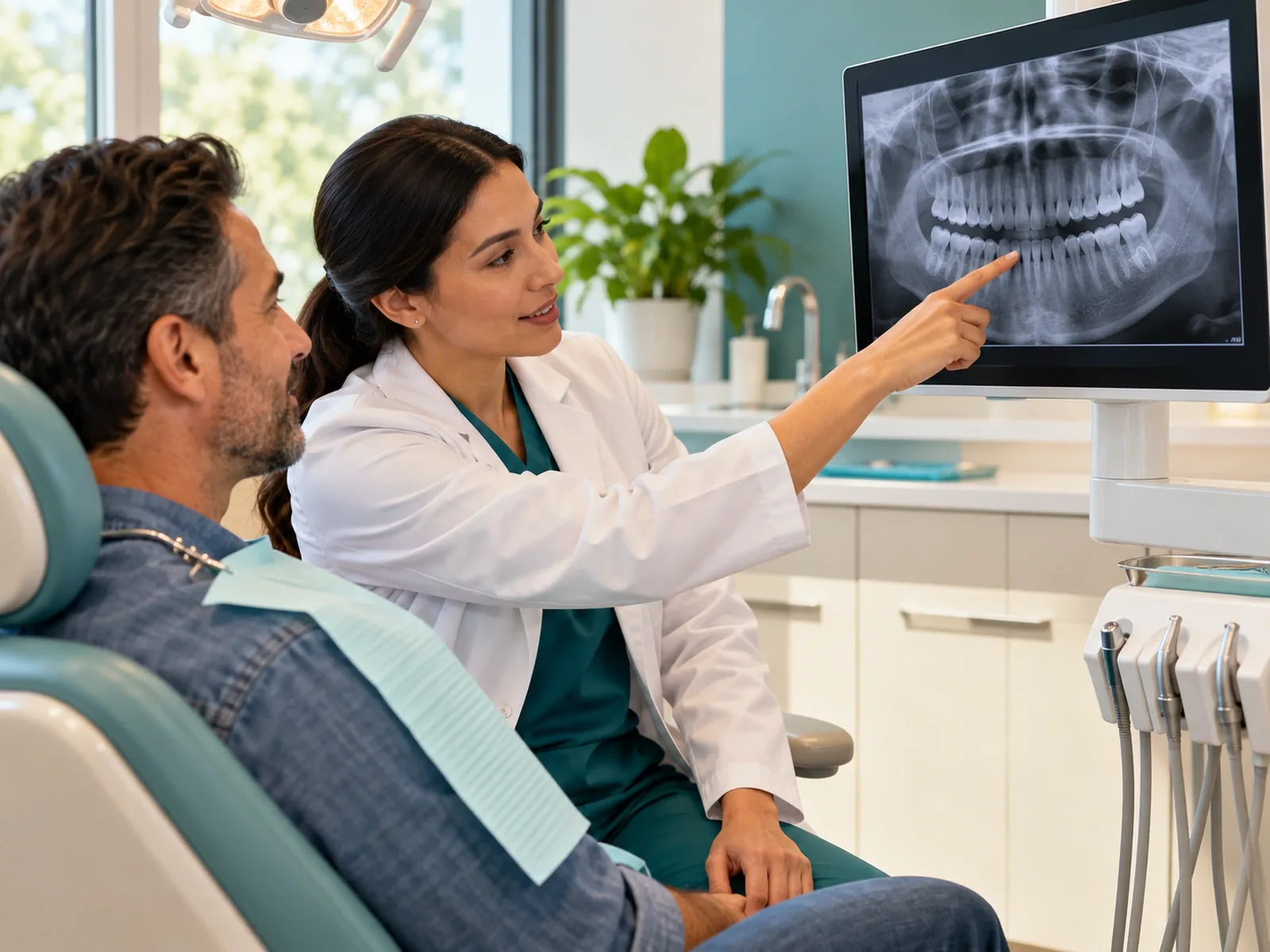
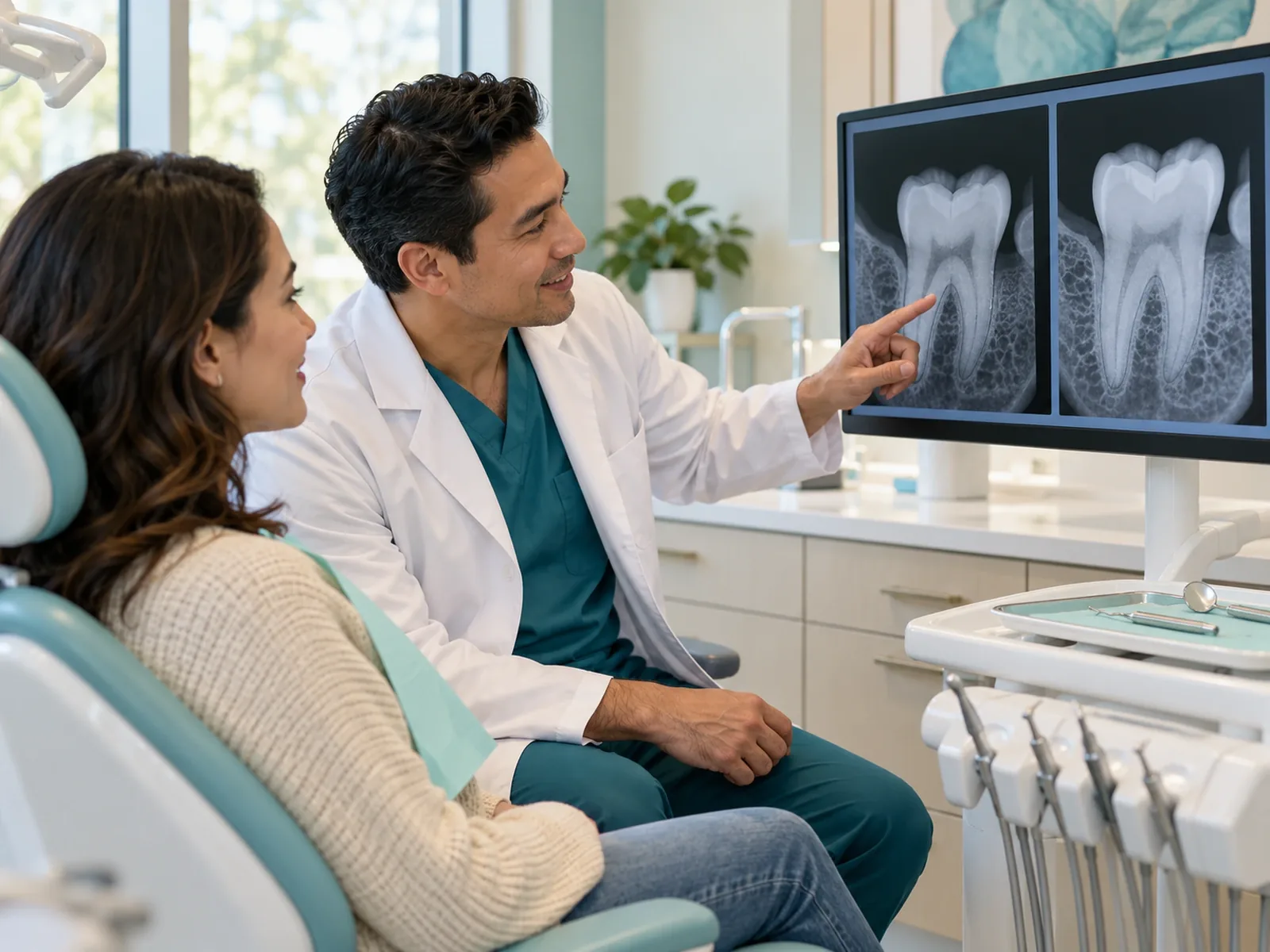
Before recommending treatment, Dr. Zohdi wants to know two things: that this tooth is the source, and that it is worth saving. The exam combines your history, how the tooth responds to cold and gentle tapping, gum measurements and X-rays that show how deep the decay reaches and whether the bone around the root tip has changed. A tooth that reacts briefly to cold and settles may only need a filling; one that aches long afterward, or no longer responds and shows a shadow at the root, usually cannot recover.
Molars have several roots and canals, and pain from an upper molar can be felt in a lower one. Our page on molar root canals explains why those teeth take more time and when an endodontist may be the right person to treat them.
An X-ray shows the shape of the roots, how deep decay or an old filling reaches, and whether infection has spread to the bone around the root tip.
What happens during the visit
A root canal at our Cleburne office follows these steps:
Consultation and plan. The diagnosis, the condition of the tooth and the restoration that will follow are agreed before treatment starts.
Local anesthesia. The tooth and surrounding area are numbed completely. You should feel pressure and vibration, not pain; if you feel anything sharp we stop and add more. Agree on a hand signal if you would like the option to pause.
Isolation. A small protective sheet is placed around the tooth to keep it clean and dry.
Removing the infected tissue. A small opening is made into the pulp chamber, the diseased tissue is removed and each canal is cleaned, shaped and disinfected.
Sealing the tooth. The canals are filled with a biocompatible material and the opening is closed with a temporary or permanent filling.
Restoration. The tooth is scheduled for its final restoration, usually a crown on a back tooth.
Many root canals are completed in a single visit; a tooth with significant infection may need two. If dental visits make you anxious, say so; our dental anxiety page explains how we approach that conversation.
Recovery
The toothache that brought you in typically eases within a day or two once the infected pulp is gone. Tenderness when biting is normal for a few days, and over-the-counter pain relief is usually enough. Chew on the other side until the final restoration is in place, and call if pain increases, swelling develops, the bite feels high or the temporary filling comes out. Our root canal recovery guide describes the normal course and the warning signs in detail.
The crown is part of the treatment
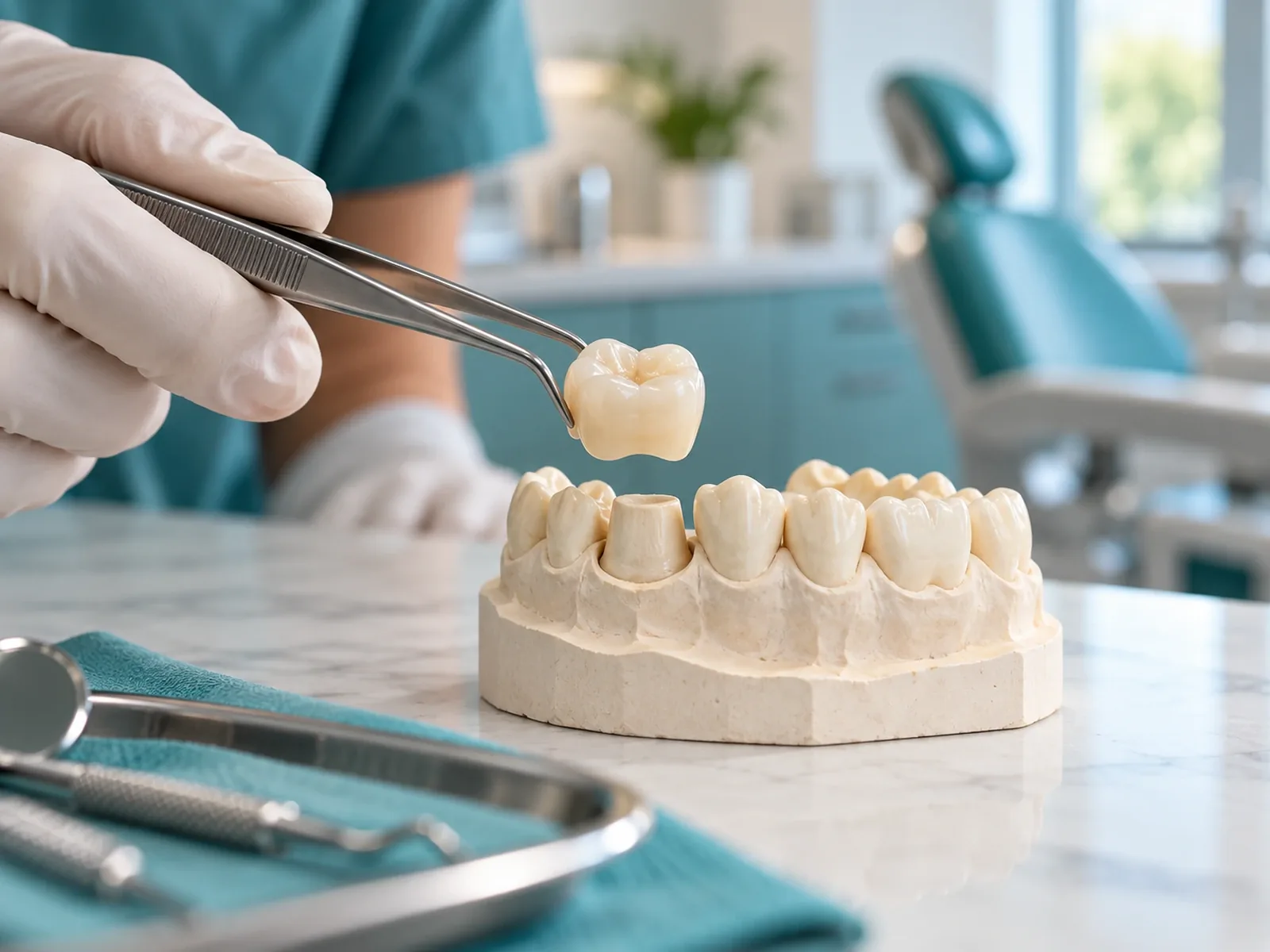
A root canal treats the inside of the tooth; a restoration protects the outside. Because a treated back tooth has lost structure and still carries full chewing force, it is usually restored with a crown that holds its cusps together. Front teeth with a small access opening can often be finished with a filling. Read whether a crown is needed after a root canal before assuming the root canal appointment is the last one; leaving a tooth with only a temporary filling is the most common way a saved tooth is later lost.
When a treated tooth acts up again
A tooth that had a root canal years ago can develop new problems: a canal that was missed, a leaking crown, new decay or a crack. That does not automatically mean extraction. Our page on root canal retreatment explains how the cause is identified and how retreatment, surgery, monitoring and extraction compare.
Cost and insurance
Root canal fees vary by tooth, because a molar with three or four canals takes far longer than a front tooth with one. The exam, X-rays, root canal, core buildup and crown are usually separate items, and all of them belong on your estimate. Many dental plans cover a significant portion of root canal treatment when it is needed to save a tooth. Dr. Zohdi provides a written estimate before treatment begins, and financing options are available. Our guide to root canal costs explains how to read an estimate and compare it fairly.
Saving the tooth versus removing it
Natural teeth are worth keeping when they can be predictably restored. Your own root keeps the jawbone stimulated, and every replacement, whether an implant, a bridge or a partial denture, involves more procedures, more cost and its own maintenance.
Some teeth should not be saved: a crack running down the root, very little tooth left above the gum, or severe bone loss. Then the honest recommendation is extraction and a replacement plan. Our guide to saving or extracting a tooth lists the questions that separate the two paths, and we will tell you plainly which side your tooth falls on.
The procedure itself should not. The tooth is fully numbed, and most patients report pressure rather than pain. The pain people associate with root canals is almost always the infection beforehand, which the treatment relieves.
How long does the appointment take?
Typically one to two hours depending on the tooth. Front teeth are quicker; molars with several canals take longer and are sometimes split into two visits.
Can I just take antibiotics instead?
Antibiotics can calm an acute infection temporarily but cannot reach bacteria sealed inside the tooth. Without treating the source, the infection returns.
How long will the treated tooth last?
With a timely final restoration and normal home care, a root-treated tooth can serve for many years. Follow-up X-rays confirm the bone around the root has healed.
If a tooth is aching, lingering after hot or cold, or hurting when you bite, do not wait for it to settle. Request an appointment at our Cleburne office. We will find the real source of the pain, explain exactly what we see, and lay out the whole plan, from the first X-ray to the final crown, before treatment begins.