
A child's dental visit should leave a parent knowing two things: what, if anything, needs attention today, and how to protect the teeth that are still on their way. Baby teeth are not practice teeth. They let a child chew comfortably, shape early speech and hold space so the permanent teeth come in where they should. Decay in a baby tooth can hurt, spread and affect the adult tooth forming underneath it.
Children are not small adults, and they are not all the same child. A two-year-old's first look in the mirror, a seven-year-old with wiggly front teeth and a thirteen-year-old with braces questions each need a different visit. We plan around the child in front of us: age, development, medical history and how much they can comfortably manage in one sitting.
Cleburne Dental is a family practice: children's visits are part of our general and family dentistry, and we see children alongside their parents and grandparents. We are not a pediatric specialty office, and when a child's needs call for one, we will tell you and help you get there.
When to bring a child in for the first time
The first visit should happen by the first birthday or within six months of the first tooth appearing, whichever comes first. That sounds early to many parents. The point is not to do much to the teeth; it is to check that development is on track, catch early decay when it can still be stopped, and talk through feeding, teething and brushing while habits are still forming.
After that, most children do well on a checkup every six months. Some need to be seen more often: children who have already had cavities, who snack or sip sweet drinks through the day, who have developmental or medical conditions that make cleaning harder, or whose teeth are arriving late or crowded. If your child has a toothache or anything that worries you between visits, call rather than waiting for the next scheduled one.
What a children's visit involves
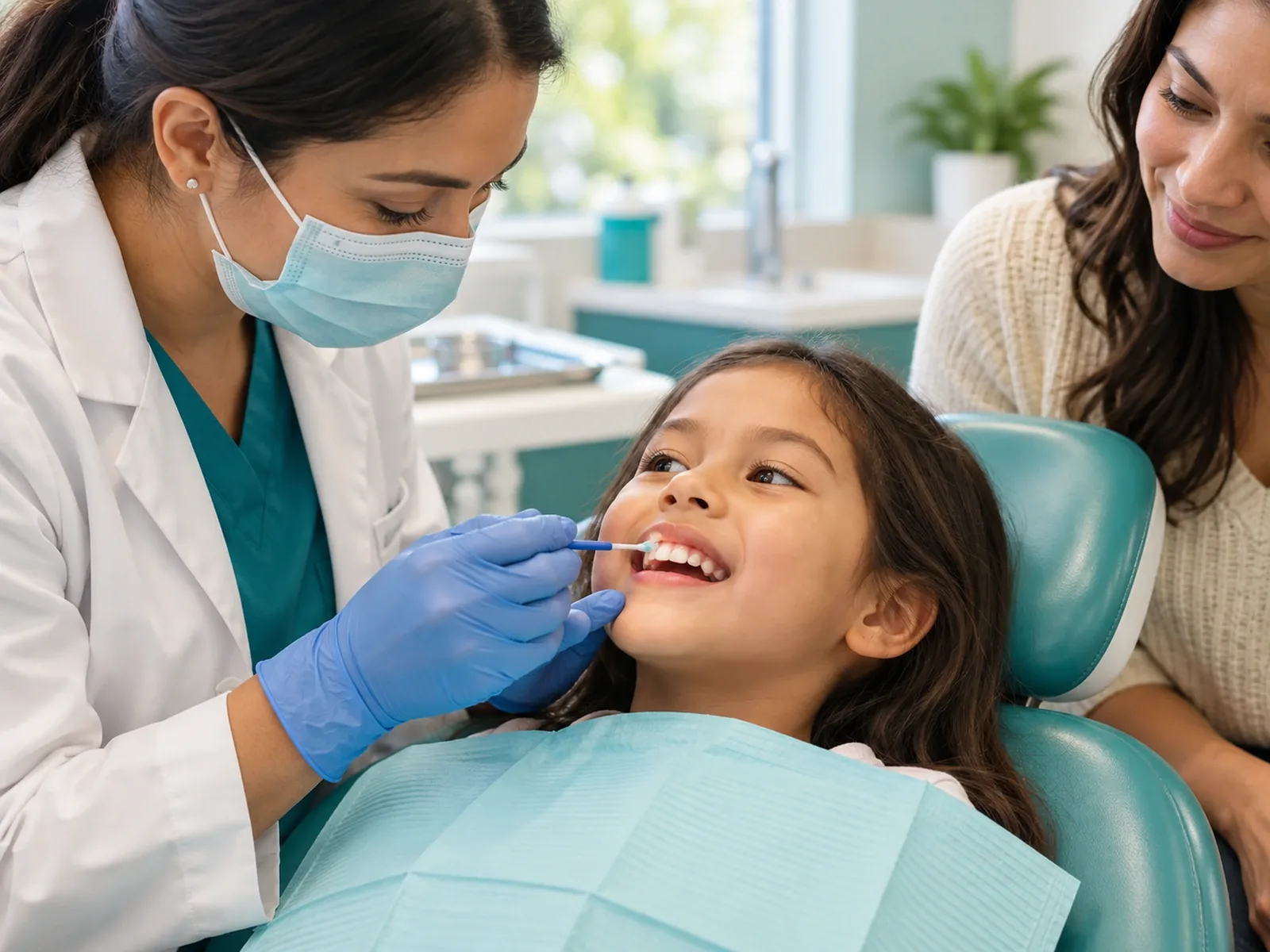
Children's visits follow a familiar shape, with the pace adjusted to the child.
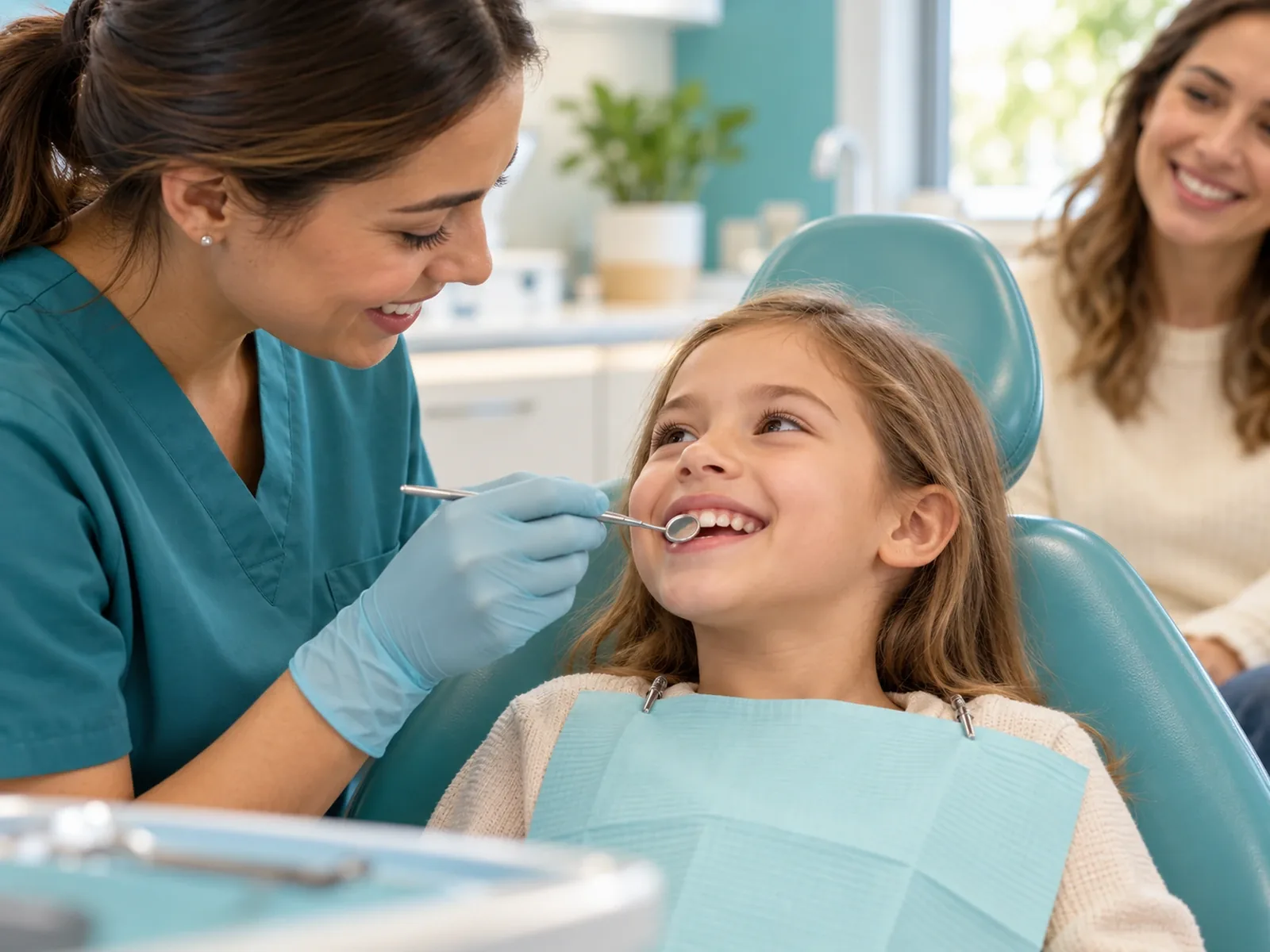
- Getting comfortable. For young children, the first few minutes may be nothing more than a ride in the chair and a look at the tools. A child who is allowed to touch the mirror is less afraid of it.
- Looking and counting. We check every tooth for decay, look at the gums and soft tissues, and note which teeth have arrived and which are loose. Children have about 20 baby teeth by age two or three; the first permanent molars and front teeth usually start to appear around six or seven.
- Cleaning. Plaque and any tartar are removed and the teeth are polished. Many children enjoy choosing the polish flavor.
- X-rays when they answer a question. Dental X-rays are used to see between back teeth and to check developing permanent teeth. They are taken based on your child's risk and the clinical question, not because another child of the same age had them.
- Talking it through. You hear what we found and what to do at home. Children who are old enough hear it too, in words they understand.
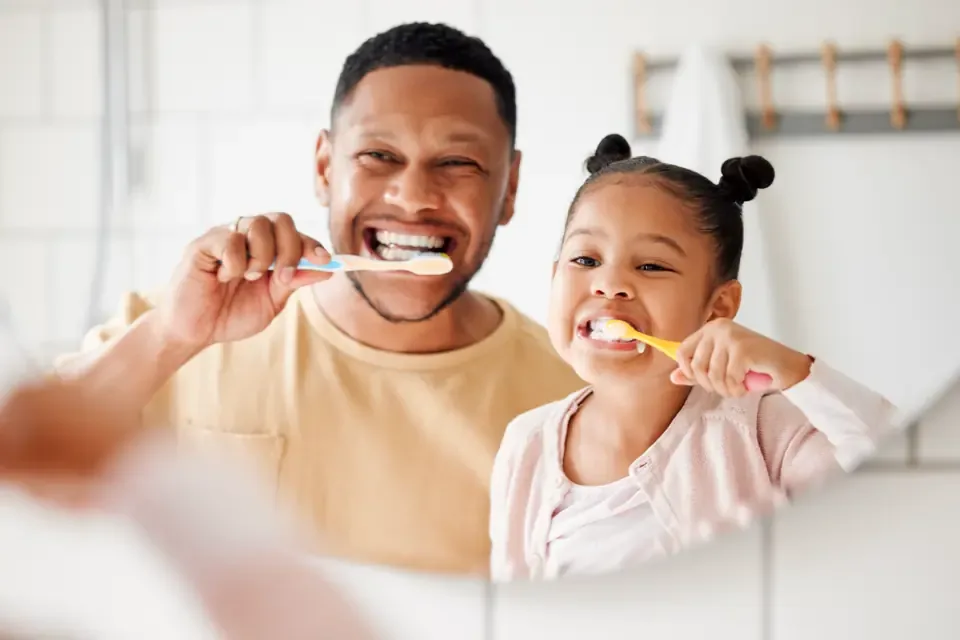
Prevention matched to your child
Most childhood decay is preventable, and most of the prevention happens at your kitchen sink rather than in our chair.
- Brushing: twice a day with fluoride toothpaste, a smear the size of a grain of rice before age three and a pea-sized amount after. Children under about six do not have the coordination to brush well; an adult should brush for them or go over the teeth afterward.
- Cleaning between teeth: once any two teeth touch, floss or a floss pick is needed to clean between them.
- Eating patterns: how often sugar hits the teeth matters more than how much. A juice cup sipped over an afternoon does more harm than the same juice drunk with a meal. Water between meals, and no bottle or sippy cup of anything but water at bedtime.
- Fluoride: a professional fluoride treatment adds protection for children at higher risk of cavities. We also ask what your child gets from toothpaste and tap water so the total stays sensible.
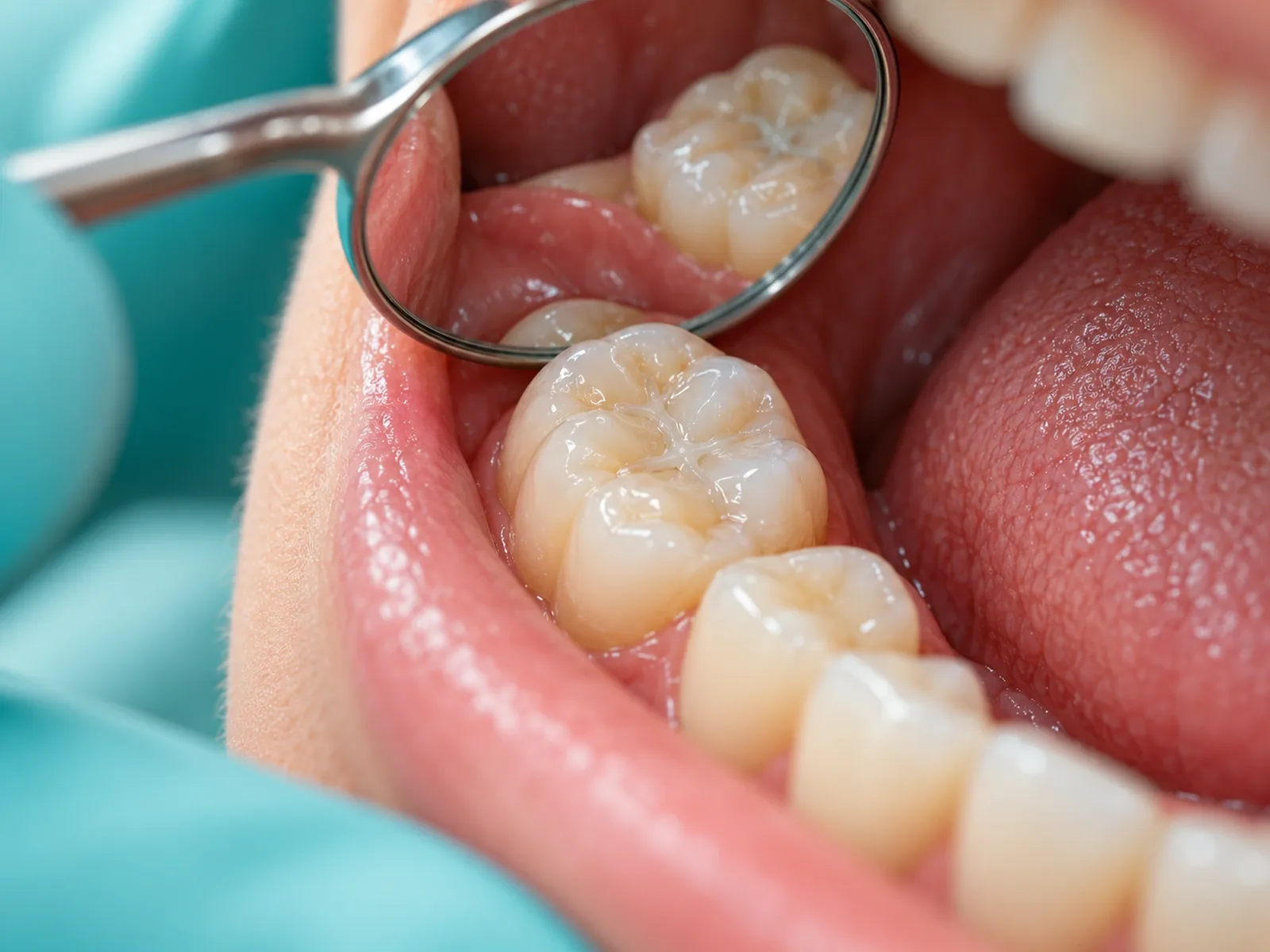
- Sealants: dental sealants coat the deep grooves of permanent molars, which are the most common place for childhood cavities. They are usually considered as those molars come in, around six and again around twelve.
- Mouthguards: children in contact or collision sports should wear a sports mouthguard. A chipped or knocked-out front tooth is one of the most common dental injuries in school-age children.
Praise works better than pressure. A child who gets a sticker chart for brushing, or who sees a parent brushing at the same time, builds the habit faster than one who is nagged.
If a cavity or bite concern is found
Finding a cavity in a baby tooth is not a sign that you have failed. It is common, and what matters is what happens next. Ask what the problem is, whether it is progressing and which options are reasonable. The answer depends on which tooth is involved, how deep the decay is, whether it hurts and how long until that tooth would fall out on its own.
Small cavities in baby teeth are often repaired with tooth-colored fillings. A baby tooth that has lost too much structure may need a crown to hold it together until it is naturally lost. Occasionally a tooth that is close to falling out anyway is simply watched. Treatment is usually done at a separate visit from the exam, with local anesthetic so the tooth is numb, and with the child told what to expect in honest, calm words.
As the permanent teeth arrive, we also watch how they line up. An early orthodontic evaluation, typically around age seven, is a look, not a commitment to braces. Many children are simply rechecked over time. For teenagers whose bite is suitable, options include traditional braces and SureSmile clear aligners.
If your child needs care beyond what we can provide well, such as very young children with extensive decay or children who cannot tolerate treatment while awake, a pediatric dentist is the right choice and we will say so.
Dental emergencies in children
If a permanent tooth is knocked out, time matters: find the tooth, hold it by the crown rather than the root, rinse it gently if dirty, and call us immediately. Our knocked-out tooth guide explains what to do on the way in. A knocked-out baby tooth is not put back, but the area still needs to be checked.
For a chipped tooth, a toothache or swelling during office hours, call (817) 641-6261. If a child has trouble breathing or swallowing, swelling that is spreading quickly, or a serious head or facial injury, go to the emergency room or call 911 first and see us afterward.

Helping a nervous child
Most dental fear in children is learned, often from an adult's offhand comment. A few things help:
- Use neutral words. "The dentist will count your teeth" works better than "it won't hurt," which plants the idea that it might.
- Do not describe treatments your child may not need, and never use the dentist as a threat.
- Tell us beforehand about past difficult visits, sensory sensitivities or developmental needs.
- Let your child bring a comfort item. Breaks, explanations before each step and a signal to pause are all available.
Some children need two or three short visits before they are ready for anything beyond a look. That is time well spent. Our page on feeling nervous about dental treatment has more for patients of any age.
Sources and further reading
General information, not a diagnosis. Read how we create and review our dental guides.