Routine care for every age, from a child's first checkup to an adult's first visit in years. Here is what a visit involves, how prevention is matched to you, and where to read more on each topic.
General dentistry is the care most people need most of the time: a thorough look, a good cleaning, prevention matched to your risk, and small repairs made before they become large ones. It is also where every other kind of dental care starts. Whether you are booking a child's first checkup, a routine visit, or your first appointment in many years, the exam comes first and the explanation comes with it.
At Cleburne Dental, Dr. Payam Zohdi, DDS, and our team see patients of every age at one office. Our aim for every visit is simple: you leave knowing exactly what we found, what it means, and what, if anything, to do about it, in plain words and in an order that makes sense.
Below: what a routine visit involves, how we think about prevention, and detailed guides on each topic. For everything else we offer, see all our services.
This surprises many new patients. If gum measurements show that disease has moved below the gumline, a routine polish does not treat it; the deposits doing the damage are on the roots, inside the pocket, and removing them is a different procedure with different follow-up. We show you the measurements behind any recommendation beyond a routine cleaning. Our gum care section and the comparison of routine and deep cleanings explain the difference.
Prevention matched to your risk
Fluoride toothpaste, daily cleaning between the teeth and sensible eating prevent most dental disease. Professional prevention adds to that when your risk is higher than average.
Fluoride treatments harden enamel and protect exposed roots. They help children, and also adults with dry mouth, recession or frequent new cavities.
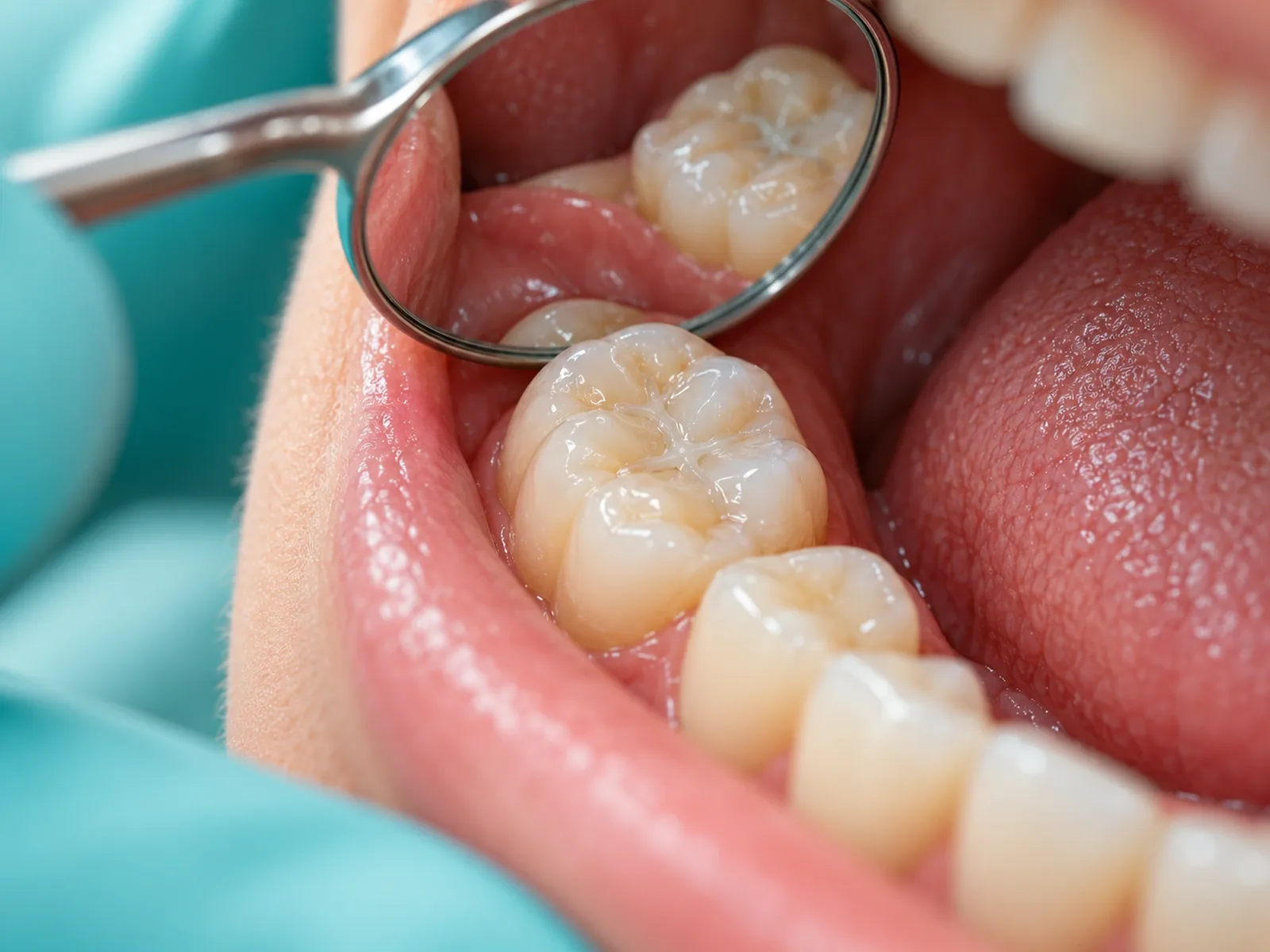
Dental sealants coat the deep grooves of back teeth, the most common place for childhood cavities to start, in a few quick, comfortable minutes.
An oral cancer screening is part of every routine exam. It looks for changes that deserve a closer look; any sore or patch that has not healed in two weeks should be seen without waiting for a checkup.
Recommendations depend on your history of decay, your gum health, dry mouth, diet, home care and the shape of your teeth, not on a blanket rule. Ask how each one applies to you, and expect a reason.
One practice for the whole family: children, parents and grandparents can be seen at the same office, often on the same day.
Care at every age
Children. A first visit by the first birthday, prevention that fits the child, honest words and a pace they can manage. Our children's dentistry guide covers what to expect, what to do at home and how we handle cavities, bite concerns and nervous kids. We are a family practice, not a pediatric specialty office, and we say so when a child would be better served by a pediatric dentist.
Adults returning after a long gap. You do not need to know what is wrong or commit to anything before you come in. Returning to the dentist after a long break explains what to bring and how we sort findings into urgent, preventive and optional.
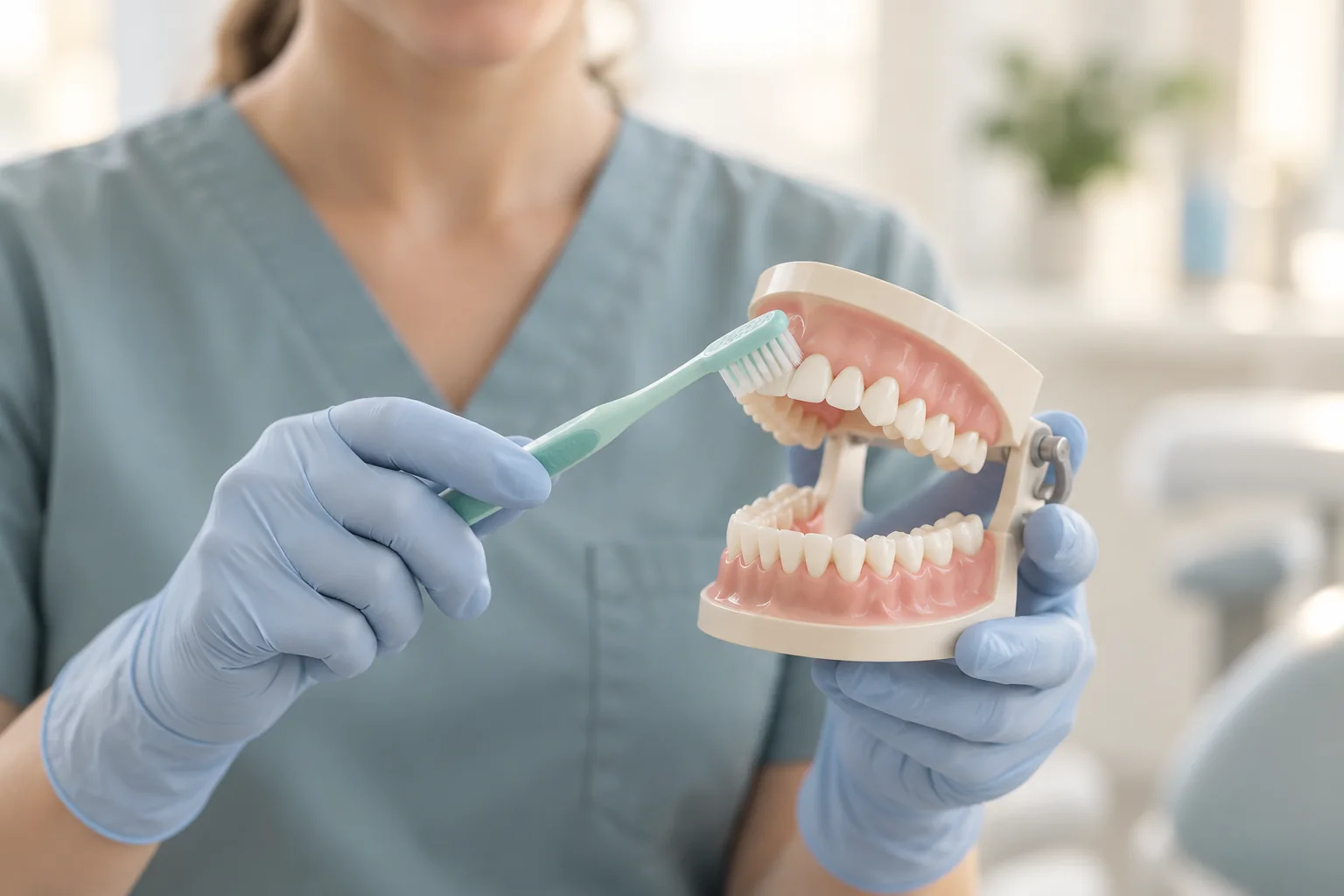
Anyone who is nervous. A pause signal, an explanation before each step, reliable numbing and a talk-only first visit are available to every patient. Read nervous about dental treatment? before you book.
When something hurts or feels off
Not every visit is routine. If cold drinks or brushing make you wince, start with why are my teeth sensitive?, which explains how the pattern of pain points to the cause and which symptoms should not wait. If a tooth is aching, swollen or broken, tell the office when you call so the right kind of appointment is booked; our toothache guide covers what to do in the meantime.
To claim the current new-patient exam and cleaning offer, sign up online and the offer is emailed to you. Claiming the offer and booking a visit are separate steps, so request an appointment as well; see our new-patient information. Your exam determines which type of cleaning is appropriate for you.
Every six months works well for many people, but it is a starting point rather than a rule. Gum disease, frequent cavities, dry mouth and smoking usually call for more frequent visits; years of stable findings may allow longer gaps.
Do you see children and adults?
Yes. We are a family practice and see patients of all ages, often scheduling family members together.
I have not been to a dentist in years. Where do I start?
With an exam. Tell the office it has been a while, bring your medication list, and read our returning to the dentist guide. No one here will lecture you.
What if I am afraid of the dentist?
Say so when you book. A first visit can be a conversation and a look only, and every patient can ask for a pause signal, explanations and breaks. Our dental anxiety page explains more.
Good general dentistry is mostly quiet: catching small things early, explaining them honestly and leaving healthy teeth alone. If you are due for a checkup, bringing a child in for the first time, or coming back after a long gap, request an appointment at Cleburne Dental, 302 N Ridgeway Dr, Cleburne, TX 76033, and we will start with a look and a plain explanation.