
Dental problems keep their own schedule. A filling falls out at Friday dinner, a toothache builds through Saturday night, or a child comes off a trampoline on a Sunday afternoon. Our office is open Monday through Thursday, 8:00 AM to 5:00 PM, which means some emergencies will begin while we are closed.
The first decision is not where to go but how serious the problem is. A small number of situations need a hospital tonight. A few need a dentist tonight, any dentist. Most, though uncomfortable, can be managed safely at home until we open and will be treated just as well then. This page walks through all three, plus how to reach us and what to do with the hours in between.
Call 911 or go to the nearest emergency room, right now and regardless of the time, for difficulty breathing or swallowing, swelling spreading quickly across the face or down the neck, swelling under the tongue or around the eye, bleeding that will not stop after 20 minutes of firm pressure, a possible broken jaw, or a blow to the head with loss of consciousness, confusion or vomiting.
Three paths: hospital, dentist tonight, or home until morning
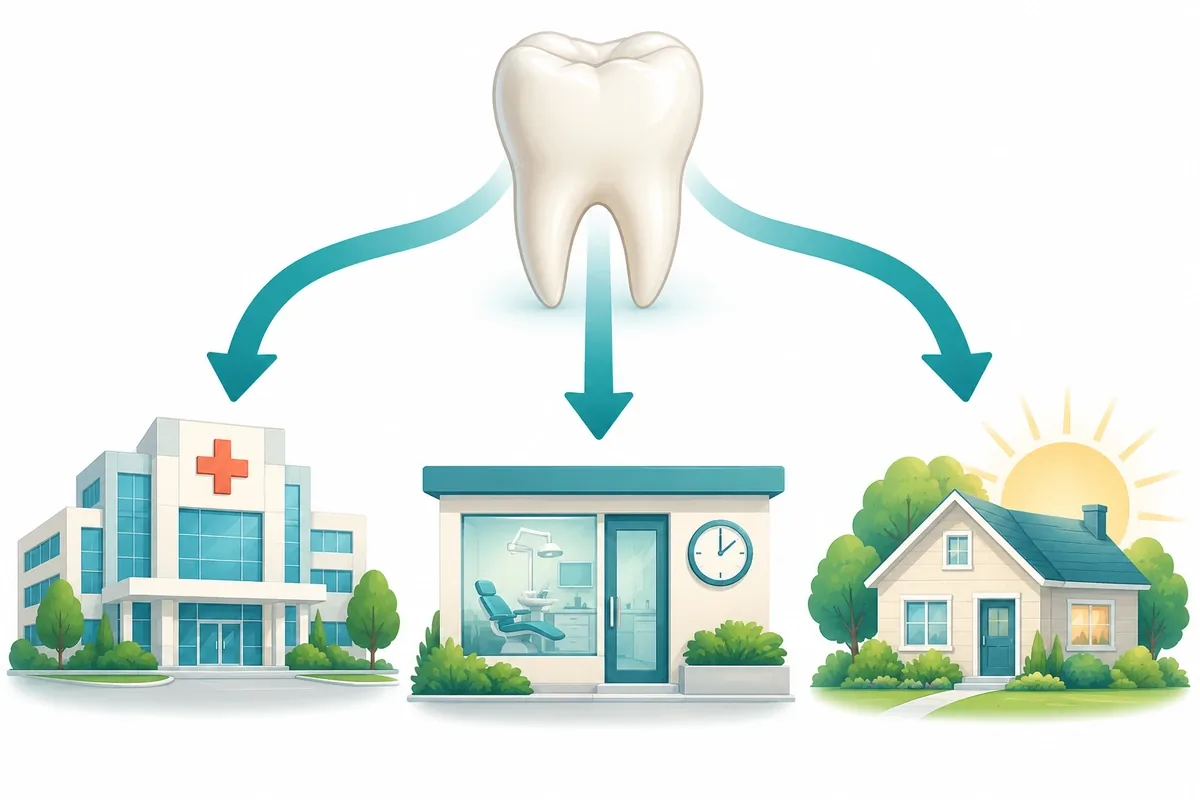
Path one: emergency room now. The signs in bold above mean an infection or injury is threatening the airway, the eye or the brain. Hospitals can protect the airway, give intravenous antibiotics, image the head and neck, and drain deep infections. No dental office can do those things, and no dentist would want you to wait for an appointment. Our facial swelling guide explains these red flags in more detail.
Path two: a dentist tonight. One dental problem cannot wait for the morning: a knocked-out permanent tooth. The root fibers die as the tooth dries, so replant it or store it in milk and get to any emergency dentist who can see you now, even if it is not us. A tooth pushed badly out of position, or a severe infection with fever and a swollen face that does not meet the hospital criteria, also justifies an urgent-care or emergency-dentist visit rather than a night of waiting.
Path three: home care, then call us when we open. This covers most after-hours calls: a toothache without swelling, a broken or chipped tooth, a lost crown or filling, a mild gum swelling, or a sore spot from a denture. These are real problems that need treatment soon, but a few hours' delay does not change the outcome. Protect the area as described below and call us first thing.
If you are unsure which path you are on, treat it as the more serious one. Going to urgent care for a problem that turns out to be minor costs you an evening; waiting at home with a spreading infection can cost far more.
How to reach us when the office is closed
Call our main number, (817) 641-6261, listen to the full recorded message, and follow its instructions for when the office is closed. If it invites you to leave a message, include your name, a number where you can be reached, which tooth or area is affected, and whether you have swelling, fever or an injury.
Please do not use the online appointment request form for an urgent problem. It is a scheduling tool, not an emergency line; an automated confirmation only means the form was received, not that anyone has read your symptoms. Use it for follow-up appointments once the immediate problem has settled.
Because we are closed on Fridays, a problem that starts Thursday evening or Friday will be seen the following week unless you use another provider. For anything on the hospital or dentist-tonight paths, do not wait for us. For everything else, call Monday morning and tell the front desk it is urgent so we can work you in as early as possible.
Getting through the night
While you wait for the office to open or for an urgent appointment:
- Cold compress on the outside of the face, wrapped in a thin towel, 15 to 20 minutes on and 20 off, for swelling or after an injury.
- Warm salt-water rinse, half a teaspoon of salt in a cup of warm water, several times, to soothe gum tissue and keep the area clean.
- Over-the-counter pain relief according to the label. Check with a pharmacist, who is often reachable late, if you take other medicines or have kidney, stomach or heart conditions.
- Floss gently if the pain started after a meal; a trapped seed or shred of food is a common culprit.
- Head raised on an extra pillow; lying flat increases throbbing.
- Soft, lukewarm food on the other side of the mouth; nothing very hot, cold, hard or sticky.
- Save any piece, whether a crown, filling or tooth fragment, in a small clean container. Keep a tooth fragment moist in milk.
- Cover a sharp edge with dental wax or sugar-free gum.
Please do not place aspirin or any tablet on the gum, use household glue on a tooth or crown, apply heat to a swollen face, take antibiotics left over from another illness, or try to drain a swelling. If pain settles overnight, still call. A toothache that quiets down may mean the nerve has died, and a gum abscess that drains is relieved, not cured. Our abscess guide explains why.
What an emergency room or urgent care can and cannot do
Hospitals and urgent-care clinics are good at the medical side of a dental emergency: controlling severe infection with antibiotics, managing pain, treating cuts to the lips and face, imaging a possible jaw fracture, and, in a hospital, draining deep infections. Most do not have a dentist on site and cannot fill, crown, root-canal or extract a tooth. If you are sent home with antibiotics and pain medicine, you have been stabilized, not treated. Call us as soon as we open so the source of the problem can be addressed before the antibiotics wear off.
Preparing for the next available visit
When you call, be ready to describe the main symptom, when it started, whether it is getting worse, and any swelling, fever, injury or recent dental work. Have your medication list handy and tell us about medical conditions such as diabetes, blood thinners or a heart condition. If you were seen at a hospital or another dentist, bring the discharge paperwork and the names of any medicines prescribed; it saves time and prevents duplicate prescriptions.
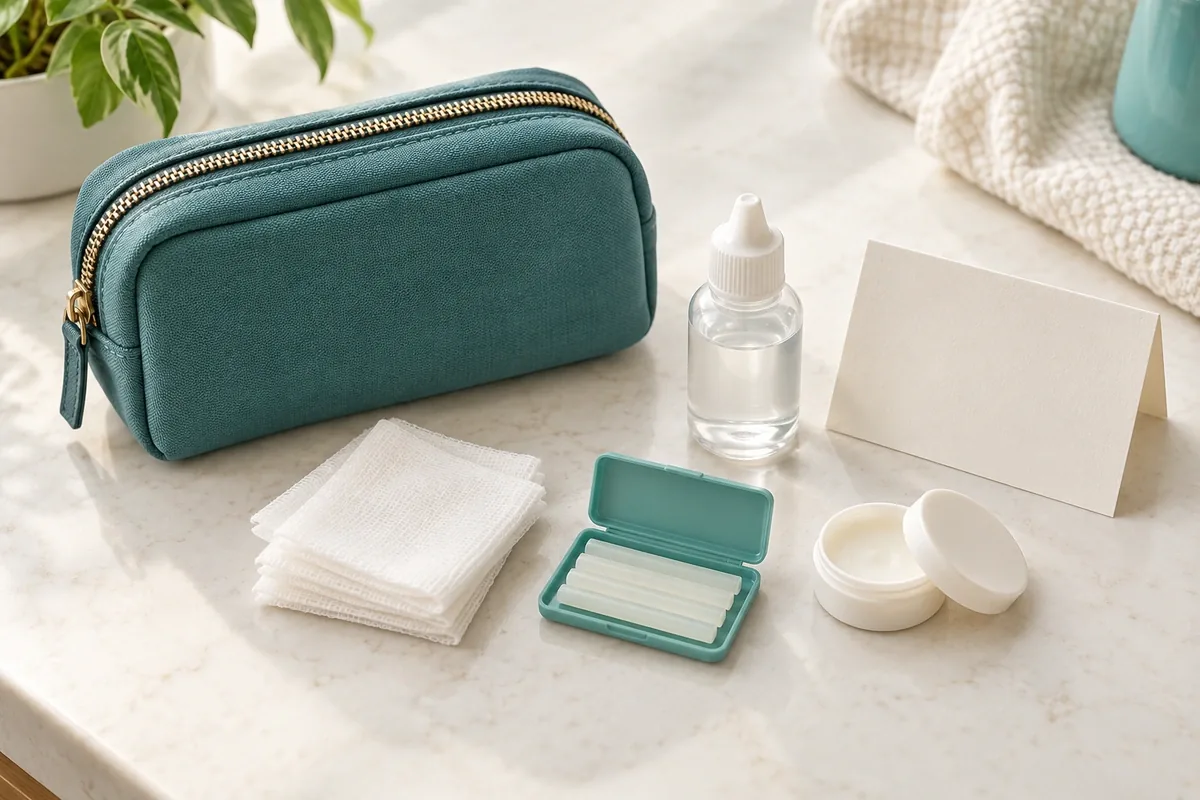
A small emergency kit in the bathroom drawer makes all of this easier: gauze pads, a small bottle of saline, dental wax, a tiny lidded container for a tooth or crown, and a card with our number and the number of the nearest emergency room. Families with children in sports should also keep a mouthguard in the sports bag; it prevents more after-hours emergencies than anything else on this page.
Sources and further reading
General information, not a diagnosis. Read how we create and review our dental guides.