Few dental surprises are as common as a crown or filling coming out at the dinner table. Caramel, a chewy bagel, or just years of normal use can loosen a restoration that has been in place for a decade. Most of the time the tooth underneath does not hurt, which makes it tempting to ignore. Please do not.
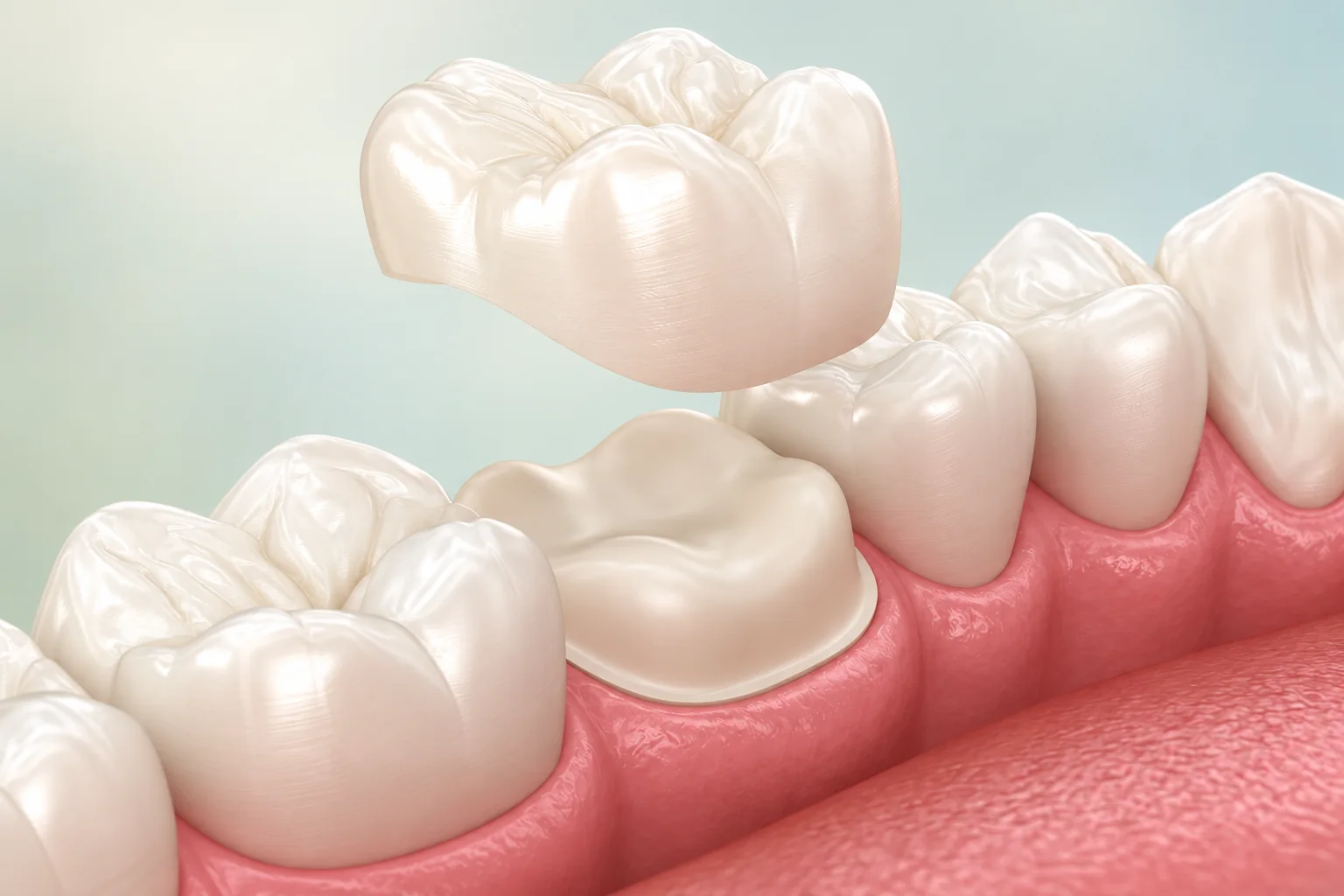
The tooth under a crown or filling was shaped and weakened when the restoration was placed, and the restoration has been protecting it ever since. Now that protection is gone, and something caused the failure: new decay around the edge, a crack in the tooth, worn cement, or a broken core. Finding that cause is the real job. Call us at (817) 641-6261 during office hours, Monday through Thursday, 8:00 AM to 5:00 PM, and we will tell you how soon you should be seen.
A restoration that is swallowed usually passes harmlessly, but if a crown or filling goes down the wrong way and you cough, wheeze or have any trouble breathing, call 911 or go to the emergency room immediately. The same applies to swelling that spreads quickly across the face or neck, reaches the eye, or comes with a high fever, trouble swallowing, or bleeding that will not stop with firm pressure.
What to do right away
- Take the restoration out of your mouth if it is loose so you do not swallow or inhale it, especially in your sleep.
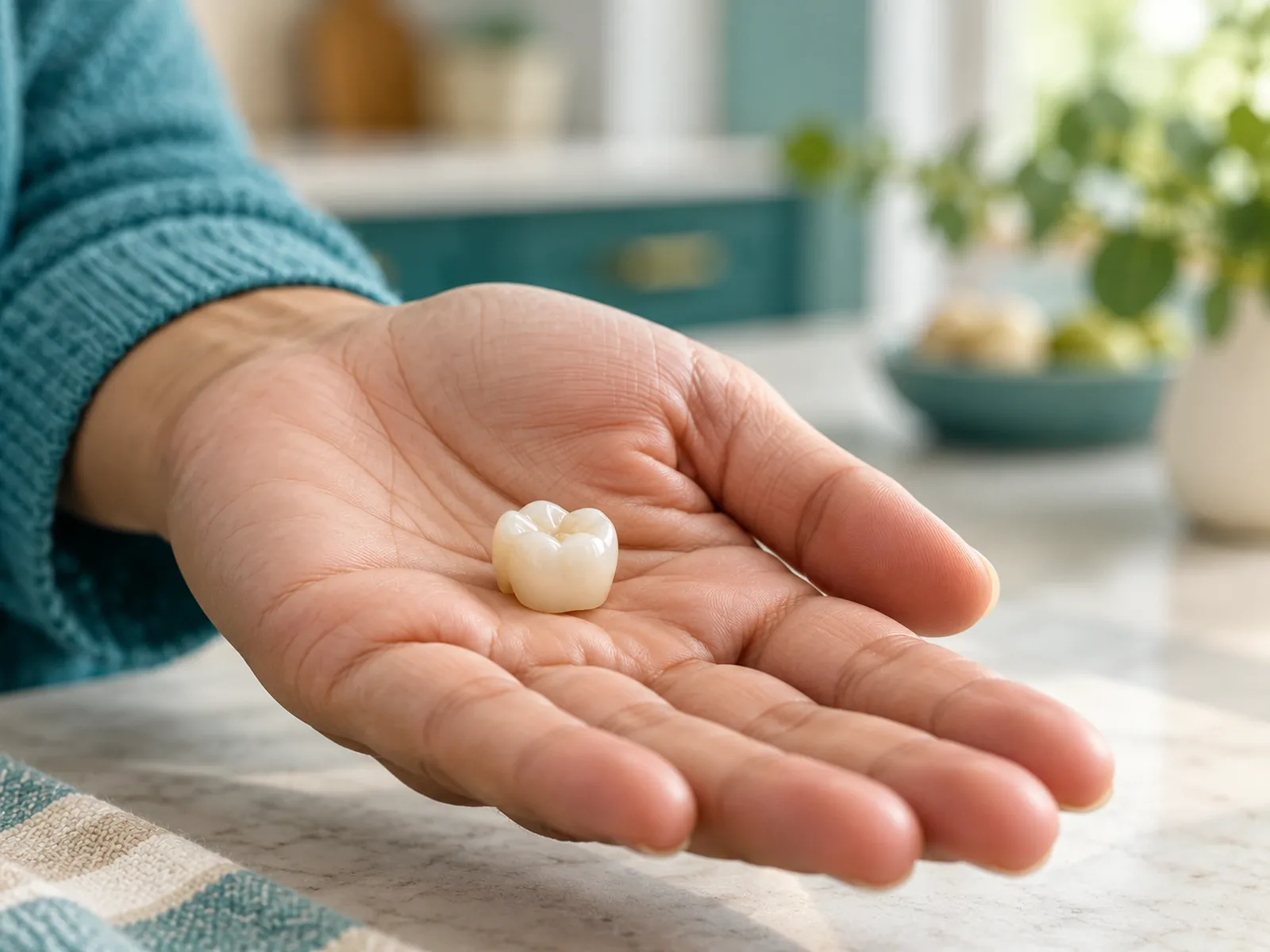
- Rinse it and keep it in a small clean container or zip bag. Bring it to the appointment, even if it looks damaged. A broken crown still tells us how and why it failed.
- Rinse your mouth with warm water and keep the area clean with gentle brushing. Exposed dentin collects food and plaque quickly.
- Avoid chewing on that side and stay away from very hot, cold, sweet or sticky foods, which can sting on an uncovered tooth.
- Cover a sharp edge with sugar-free gum or dental wax if it is cutting your tongue or cheek.
If the tooth is very sensitive, a pharmacy sells temporary dental cement meant to hold a crown in place for a short time. Ask us before using it. It is appropriate in some situations and a poor idea in others, such as when the tooth underneath has broken or when there is any pain or swelling. Never use superglue or other household adhesives; they are not safe in the mouth, they do not seal, and they make the crown much harder to clean and reseat properly.
How urgent is it?
Most lost crowns and fillings are urgent but not true dental emergencies. They should be dealt with within a few days to keep the tooth from shifting, decaying or breaking further. Call sooner, and say so when you call, if any of these apply:
- The tooth hurts, especially a throbbing ache or pain that lingers after hot or cold.
- There is swelling, a bad taste, or a bump on the gum, which points toward infection. See our toothache and abscess guides.
- Part of the tooth came out with the crown, or a sharp fragment is left.
- The crown was on a front tooth and you have a work or social reason to need it back quickly.
- The crown sits on a dental implant rather than a natural tooth.
- The restoration was lost after an injury to the face.
Why the old crown may not simply go back on
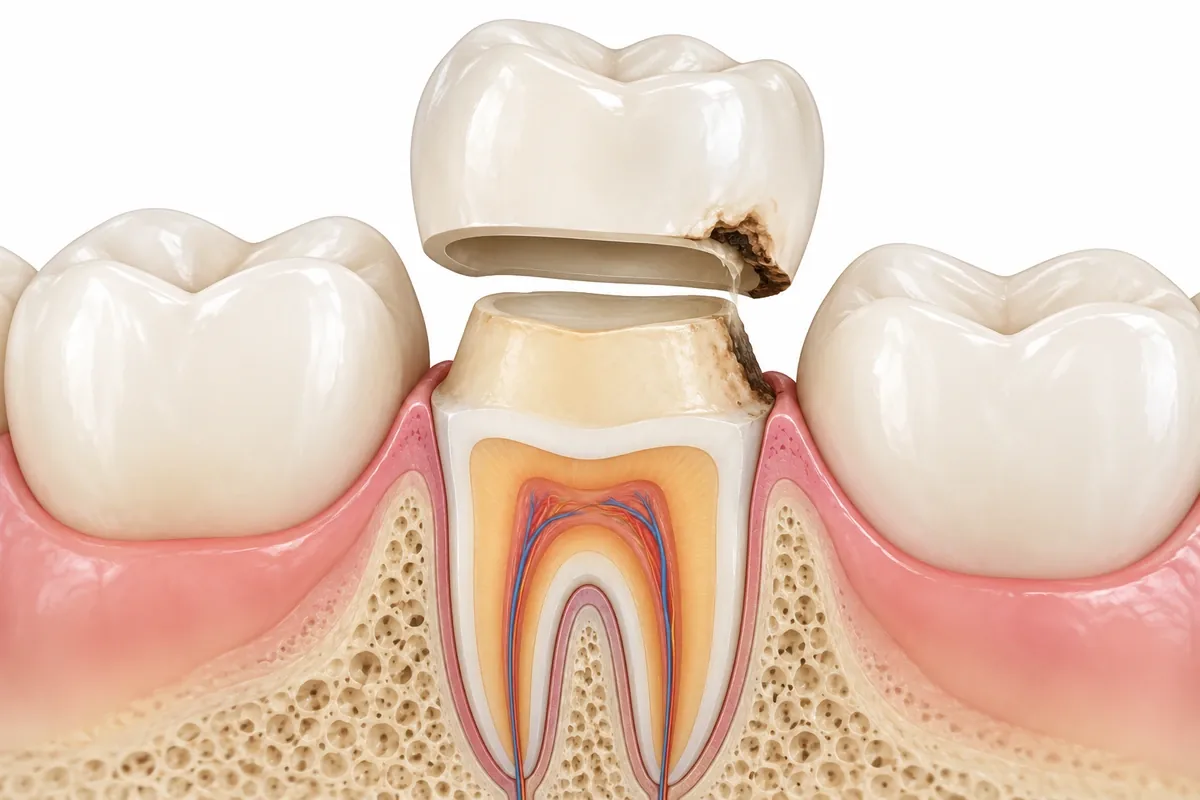
People often expect a quick recementing, and sometimes that is exactly what happens. Whether it can depends on what we find under the crown:
| What we find | What it means | Likely next step |
|---|---|---|
| Clean tooth, intact crown, cement simply worn out | Nothing has changed except the glue | Clean and recement the same crown |
| Decay at the edge of the crown | Bacteria got under the margin | Remove decay; new crown is often needed to seal properly |
| Tooth core broken off inside the crown | Too little tooth left to hold a crown | Build up the core, sometimes with a post; new crown |
| Crack through the tooth or root | The tooth itself has failed | Possibly extraction and replacement |
| Nerve exposed or infected | The tooth hurts or has an abscess | Root canal treatment, then a new crown |
A crown that is recemented over hidden decay will fail again, usually with more damage. That is why we clean the tooth, check it, and X-ray it before deciding, rather than cementing first and hoping. Our dental crowns page covers what a new crown involves.
A lost filling raises the same question in a smaller way: is there enough healthy tooth for another filling, or has the tooth now lost so much structure that it needs a crown or onlay to survive chewing? Our filling-versus-crown guide explains how that line is drawn.
What happens at the visit
An appointment for a lost restoration in our Cleburne office usually includes:
- A look at the restoration you brought for wear, cracks, decay stuck inside, or fragments of tooth.
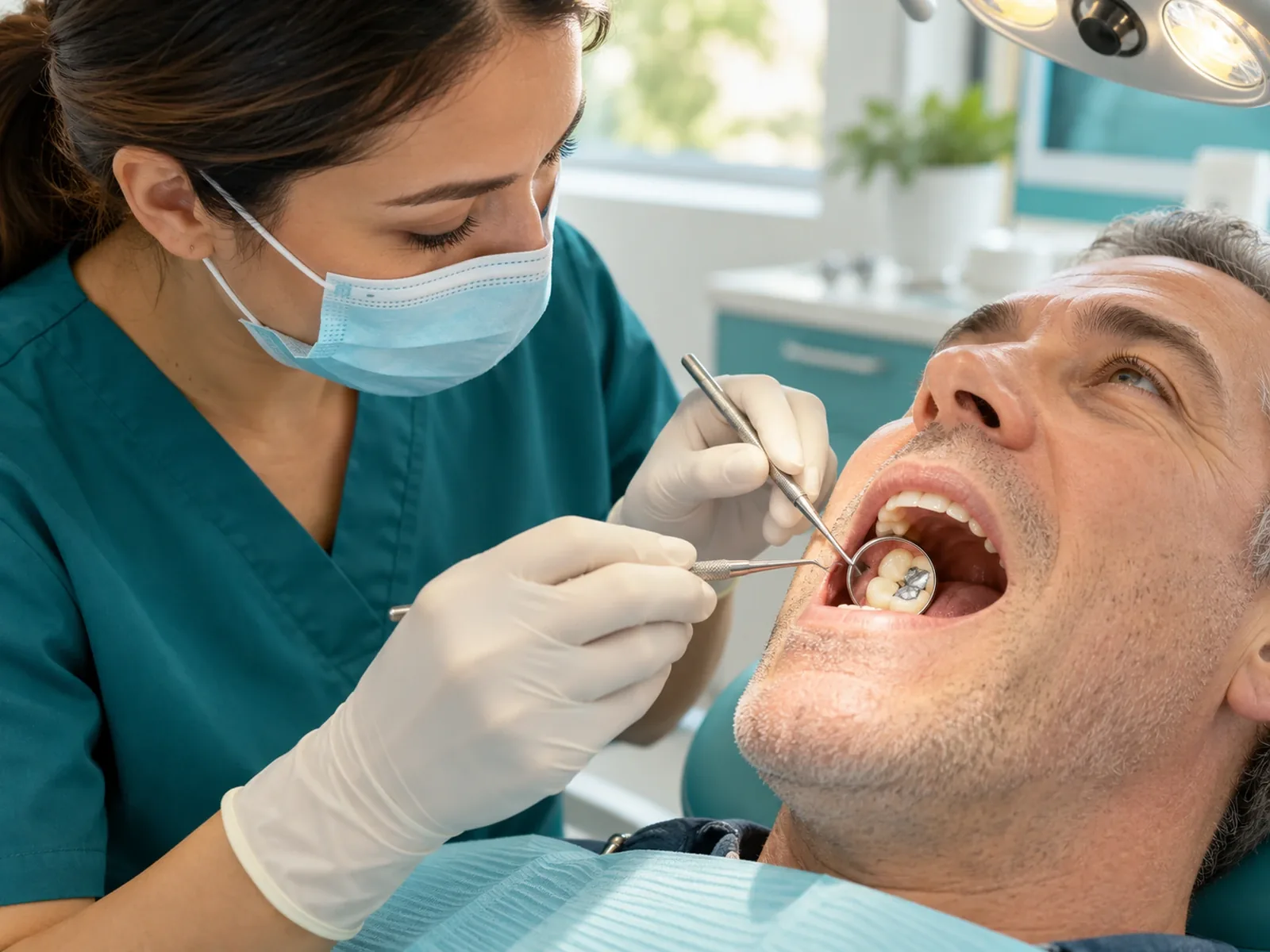
- An exam of the tooth for decay, fractures, how much structure is left, and whether the gum around it is healthy.
- An X-ray to check for decay under the old restoration, the condition of the root, and any sign of infection.
- A bite check, because a crown that has been off for a while may no longer fit if the neighboring teeth have shifted.
- A decision together. Recement, repair, or rebuild, with a clear estimate before anything irreversible.
If a new crown is needed, you will leave with a temporary crown protecting the tooth while the permanent one is made.
Temporary protection is not the final plan
Even if the tooth feels fine with a temporary cement or a temporary crown, exposed dentin and open margins collect bacteria. Temporaries wear and loosen within weeks. Repeatedly re-gluing a failing restoration without addressing the cause tends to postpone treatment until the tooth is harder, or impossible, to save. If your crown has come off more than once, that pattern itself is a diagnosis; something about the fit, the bite, or the remaining tooth needs to change. Our page on replacing old dental work explains how aging restorations are evaluated.
If the crown was on an implant
Tell us right away if the crown covers an implant. Implant crowns are attached either with a small screw or with cement onto a metal connector called an abutment, and when they come off it may be the screw that has loosened rather than the cement. They should never be pushed back on at home or treated like an ordinary crown; the components are specific to the implant system. Our implant care page describes how implant restorations are maintained and what can go wrong.
What affects the cost
Recementing an intact crown over a healthy tooth is a minor expense. A new crown costs more, and adding a core build-up, a post, or root canal treatment increases it further. Insurance plans frequently have replacement rules, such as covering a new crown only after a set number of years, so the age of the old crown matters. We will give you a written estimate and explain your insurance and financing options before treatment.
Sources and further reading
- ADA MouthHealthy: Dental emergencies
- ADA MouthHealthy: Crowns
- American Association of Endodontists: Cracked teeth
General information, not a diagnosis. Read how we create and review our dental guides.