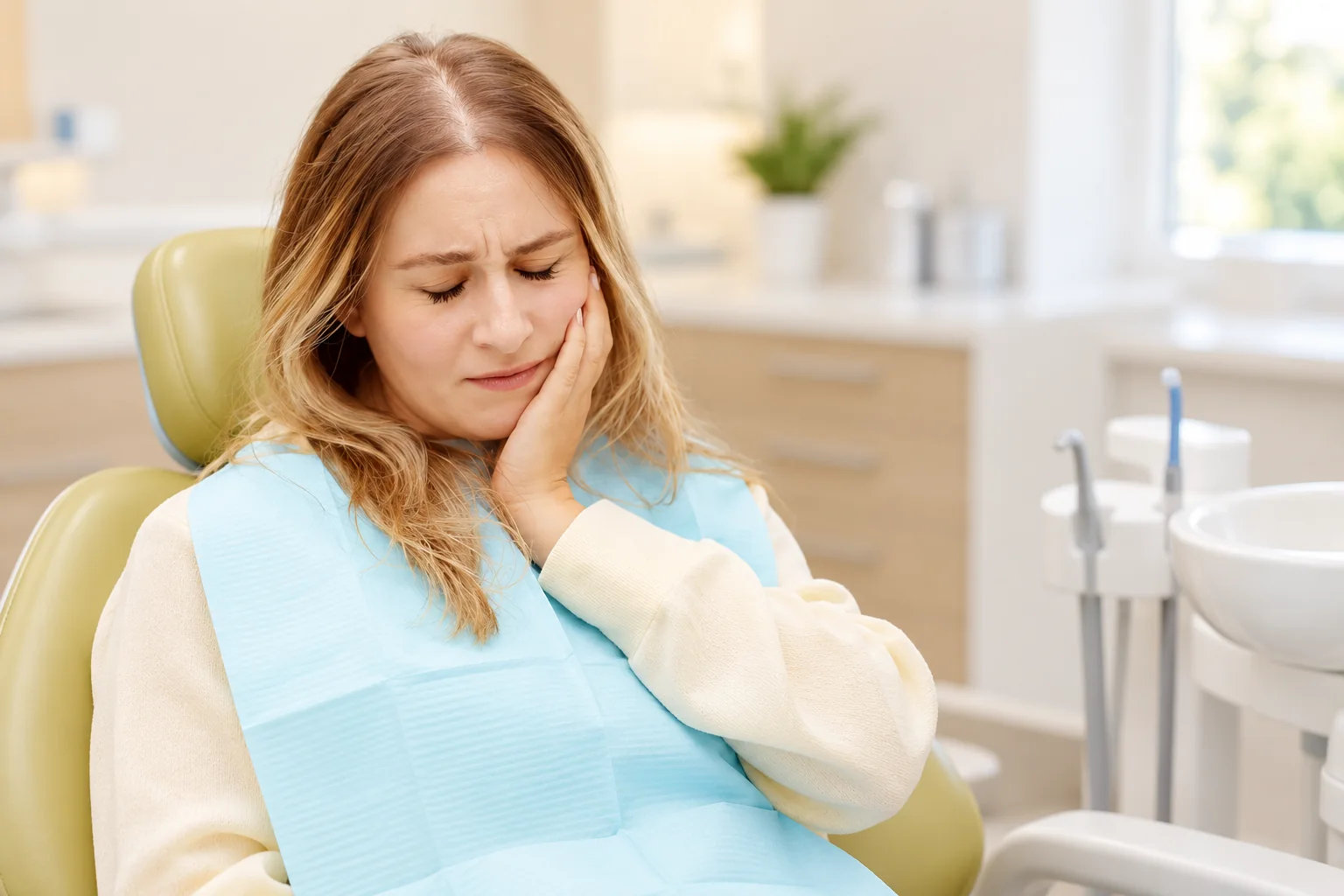
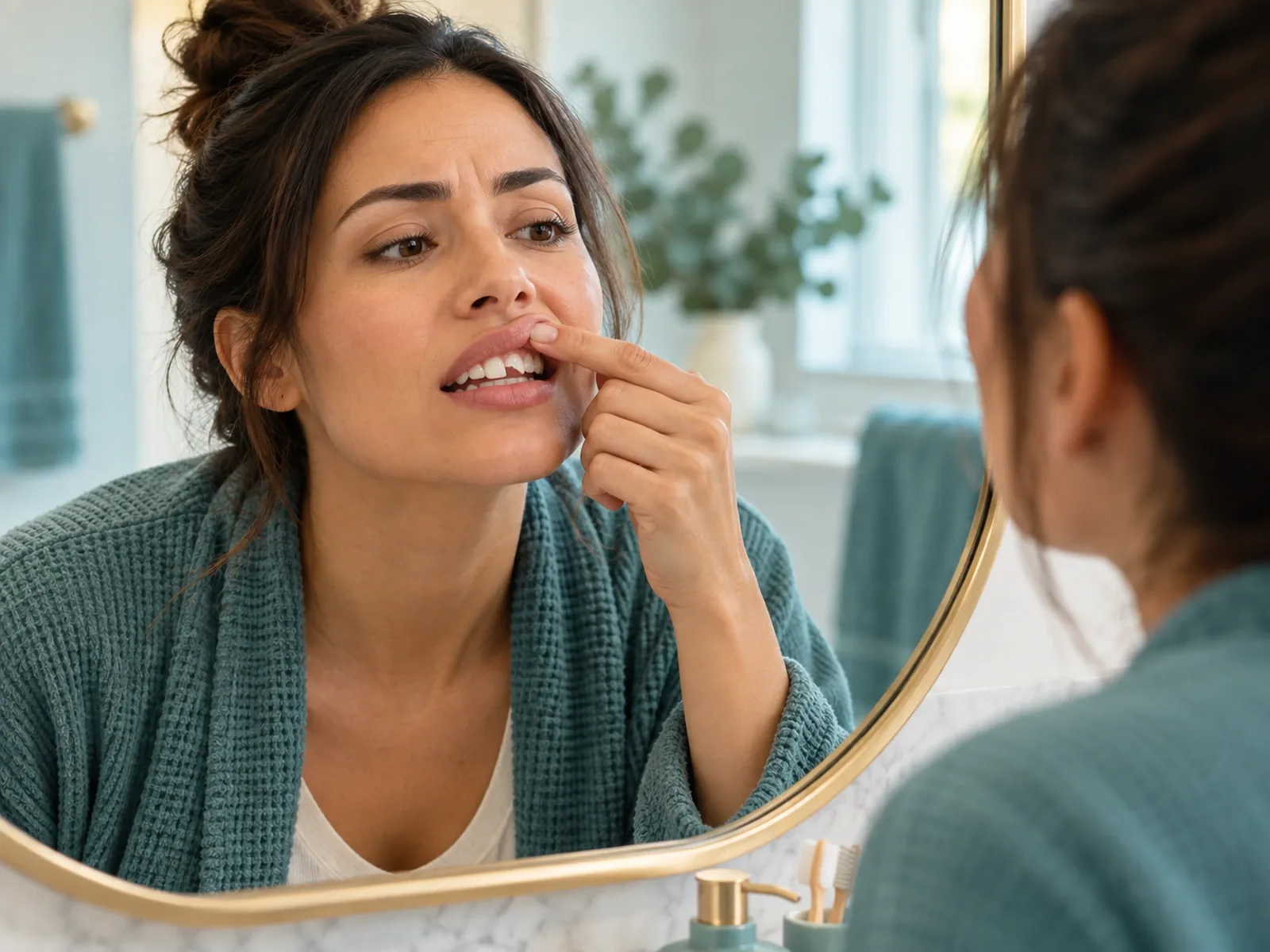
Teeth break in ordinary ways: an unexpected olive pit, a fall from a bike, an elbow during a pickup game, or an old filling that finally gives way under years of chewing. Sometimes a piece comes off and it hurts immediately. Sometimes you only notice a rough edge with your tongue and feel nothing at all.
The important thing to understand is that the piece you can see tells you very little about what happened inside. A chip may be limited to the enamel edge, or it may be the visible end of a crack that runs toward the nerve or down the root. That is why we ask you to have every broken tooth examined, including the ones that don’t hurt, and why the repair is chosen from what we find rather than from the size of the fragment.
If the break came with a hard blow to the head or face, a possible broken jaw, uncontrolled bleeding, loss of consciousness, or any trouble breathing or swallowing, go to the emergency room or call 911 first. The same applies if, in the days afterward, swelling spreads quickly across the face or neck, reaches the eye, or comes with a high fever. The tooth can be dealt with after you are safe. For the tooth itself, call us at (817) 641-6261, Monday through Thursday, 8:00 AM to 5:00 PM.
First steps in the first hour
- Rinse your mouth gently with warm water to clear any blood or debris.
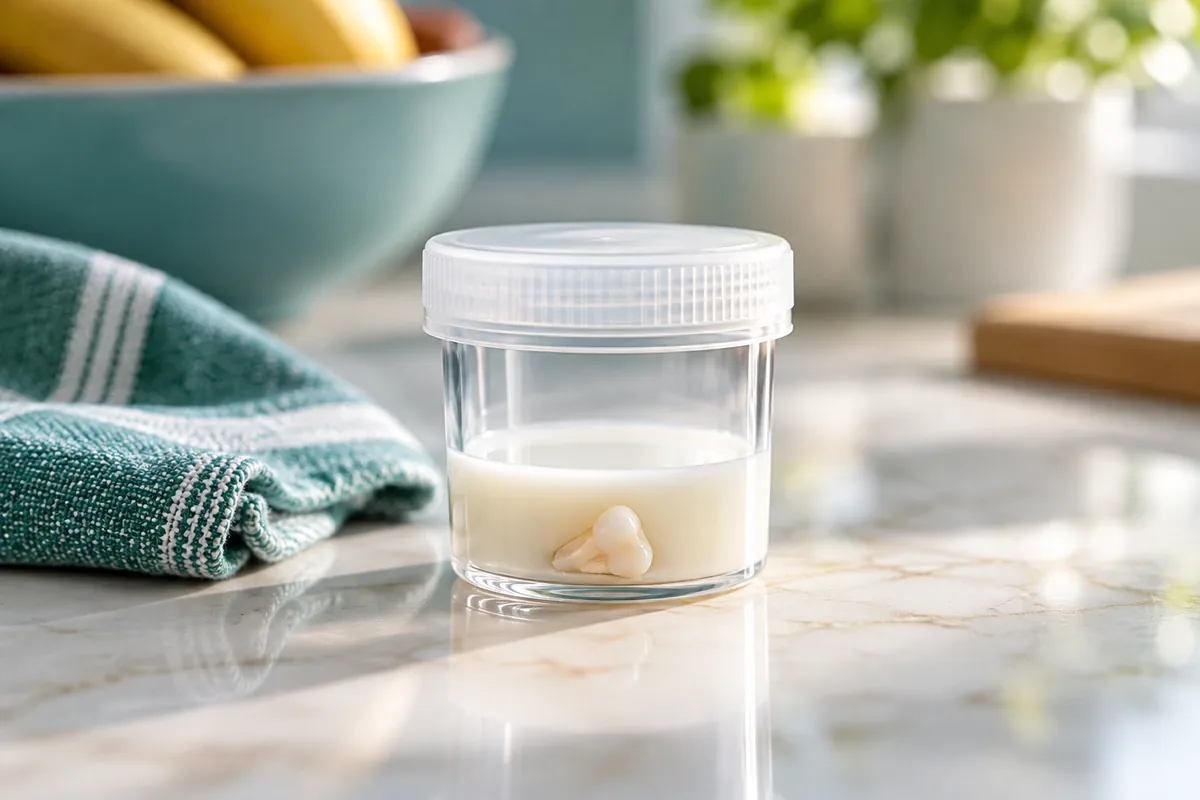
- Find and save the fragment if you can. Keep it moist in a small container of milk or in your own saliva; do not let it dry out or wrap it in tissue.
- Stop bleeding from the gum or lip with light pressure from clean gauze or a damp cloth for ten minutes.
- Apply a cold compress to the outside of the cheek, wrapped in a thin towel, for 15 to 20 minutes at a time to limit swelling after an injury.
- Protect a sharp edge that is cutting your tongue or cheek with a piece of sugar-free gum or dental wax from the pharmacy until you are seen.
- Chew on the other side and avoid very hot, cold, hard or sticky foods.
Please do not file the edge yourself, use household glue on the tooth or fragment, or repeatedly test whether the broken part still moves. Each of those can turn a repairable problem into a bigger one.
When you call, tell us how it happened, whether there was a blow to the face, whether the tooth had a large filling or crown, whether it hurts and when, and whether your teeth meet differently than before. A changed bite after an injury matters; it can signal a displaced tooth or a jaw injury.
A chip and a crack are different problems
Dentists sort tooth damage by how far it goes, because that determines both the risk to the nerve and the repair.
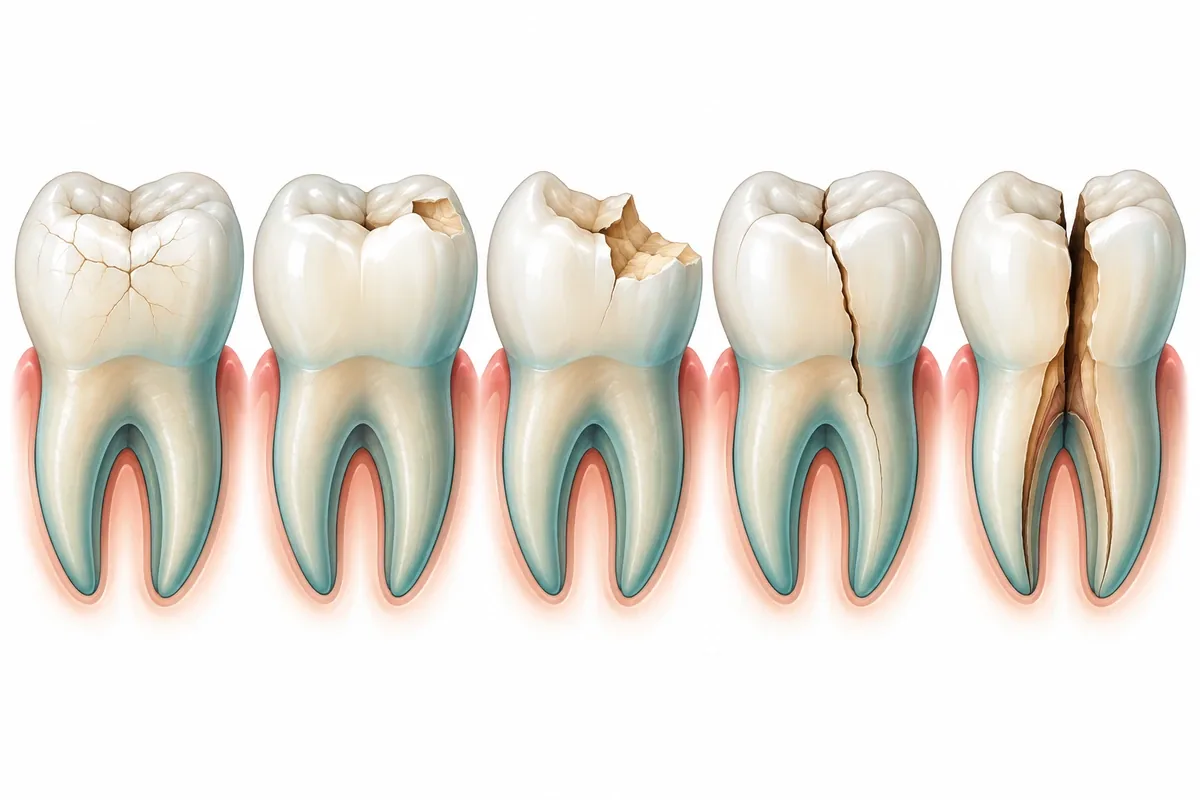
| Type of damage | What you may notice | Usual direction of care |
|---|---|---|
| Craze lines | Fine surface lines, no symptoms | Usually none; monitoring |
| Small chip | Rough or sharp edge, maybe cold sensitivity | Smoothing or bonding |
| Fractured cusp | A corner of a back tooth breaks away, often next to a filling | Onlay or crown; nerve usually fine |
| Crack toward the gumline | Sharp pain on biting or releasing, hard to locate | Crown to hold the tooth; root canal if the nerve is involved |
| Split tooth | Two movable segments | Often extraction; sometimes part can be saved |
| Vertical root fracture | Few symptoms until the gum becomes sore or infected | Usually extraction |
The tricky cases are the cracks. They often do not show on an X-ray, and the tooth may look almost normal. The telltale sign is pain when you bite on something firm, or a sharp jolt when you let go. If a small chip is accompanied by that kind of pain, the chip is not the whole story. Our guide on whether a damaged tooth can be saved explains how restorability is judged.
What happens at the visit
An exam for a broken tooth in our Cleburne office usually includes:
- Looking closely, often under magnification and with a dye that highlights crack lines.
- Checking the bite and asking you to bite on a small tool cusp by cusp to find which part of the tooth hurts.
- Testing the nerve with cold to see whether the pulp is healthy, inflamed, or no longer responding.
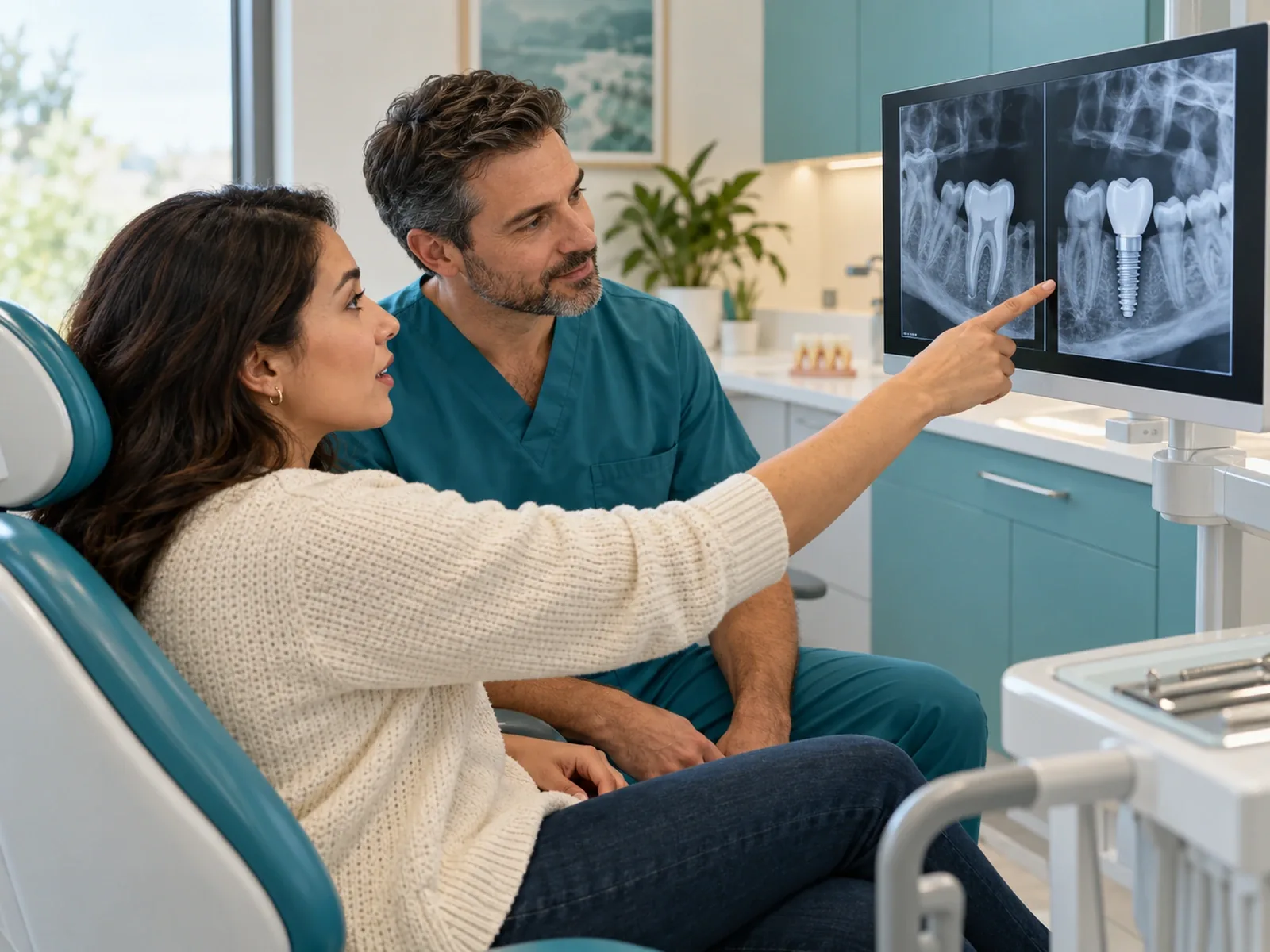
- An X-ray to look at the root, the bone and any existing filling, and to check neighboring teeth that may also have been injured.
- Checking the soft tissues of the lip, cheek and tongue for cuts or embedded fragments after a fall.
If the tooth is sensitive or sharp, we will usually place a temporary protective material at that visit even when the final repair needs a second appointment. Where the nerve has been exposed by the break, protecting it promptly improves the odds of keeping it alive.
Repair depends on what remains
The right repair protects the nerve, restores the shape, and leaves the tooth strong enough for normal chewing.
- Smoothing or bonding. A small chip, especially on a front tooth, can often be rebuilt in one visit with tooth-colored resin. Our dental bonding page explains what bonding does well and where it wears.
- Reattaching the fragment. When a clean fragment is available and fits, bonding it back in place can give the most natural result. It is not always possible, so bring the piece without counting on it.
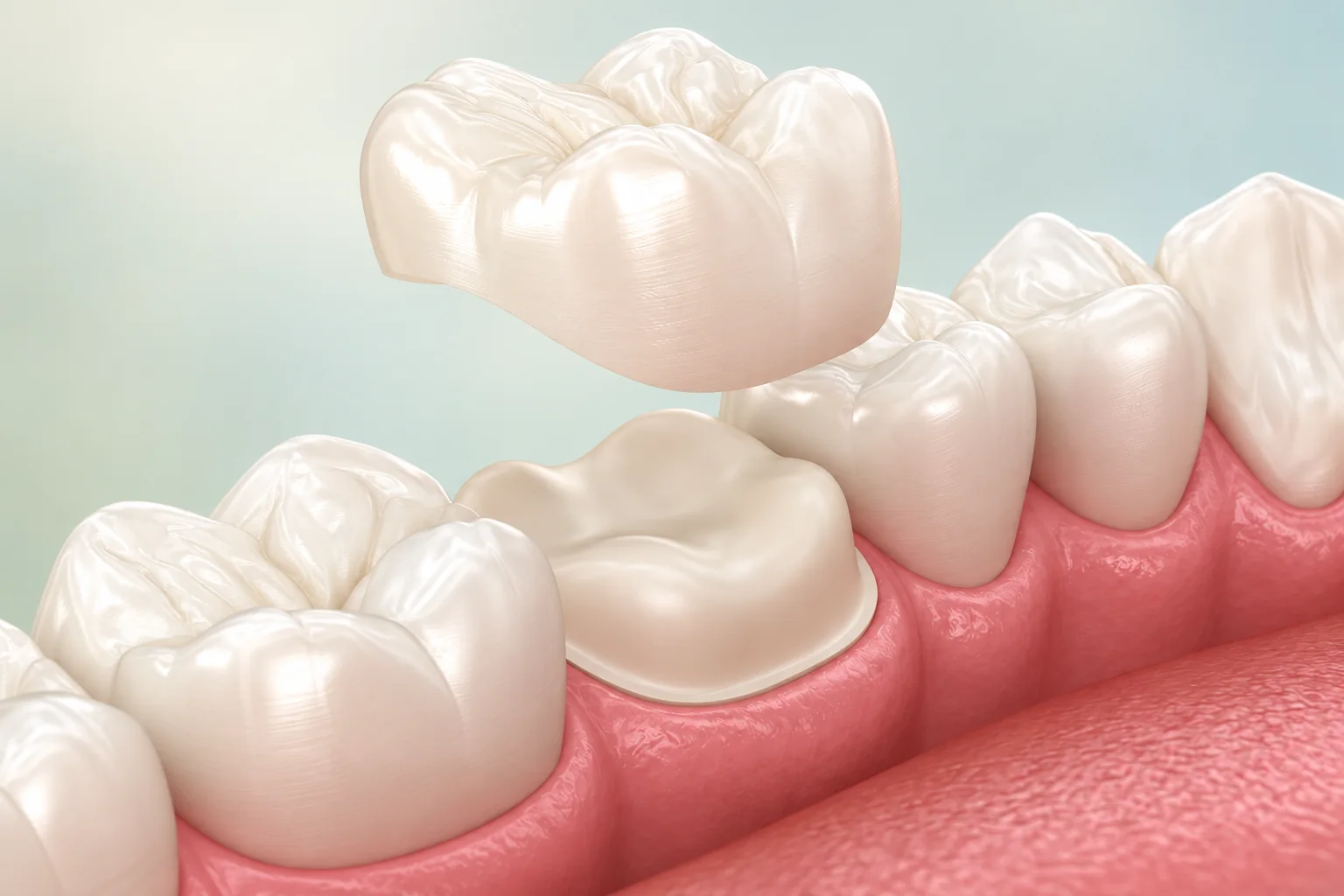
- An onlay or crown. When a cusp has broken off or a crack threatens to spread, a crown covers and holds the remaining tooth together. An inlay or onlay can be an option when more tooth is left.
- Root canal treatment plus a crown. If the break has exposed or damaged the nerve, root canal treatment removes the inflamed tissue so the tooth can be kept and crowned.
- A veneer. For a front tooth with a chip and other cosmetic concerns, a porcelain veneer may be discussed once the tooth is stable.
- Extraction and replacement. A tooth split through the root or fractured well below the gum is usually more predictable to remove. We then talk through replacement options, including an implant.
Aftercare and protecting the repair
After bonding or a temporary, avoid biting directly into hard foods with that tooth for a day or two. After a crown is placed, chew normally once the numbness is gone but treat ice, popcorn kernels and pens as off limits for every tooth, repaired or not. Mild sensitivity after a repair should fade over a week or two; pain that increases, lingers after temperature, or appears on biting should be reported, because a nerve that was bruised in the injury can declare itself later.
If the break happened during sport, a custom sports mouthguard is the best protection against a repeat. If it happened on an ordinary meal, we will look for a cause such as grinding, a heavy bite on that tooth, or an aging filling, and may suggest a night guard if clenching is part of the picture.
What affects the cost
Cost follows the repair. Smoothing a chip costs little; bonding is a single-visit repair; a crown involves two steps and laboratory work; adding a root canal increases the total. Insurance plans often treat bonding, crowns and root canals under different categories with different coverage levels, and may apply a waiting period to major work. We give a written estimate before anything beyond the emergency visit, and our financing page explains payment options.
Sources and further reading
- ADA MouthHealthy: Dental emergencies
- American Association of Endodontists: Cracked teeth
- NHS: Chipped, broken or cracked tooth
General information, not a diagnosis. Read how we create and review our dental guides.