Severe pain, a broken or knocked-out tooth, a lost crown or a swollen face each need a different response. Start here to find the right first steps and the guide that matches your problem. During office hours, call (817) 641-6261.
Dental emergencies rarely happen at a convenient time, and they are not interchangeable: a knocked-out tooth has a clock on it, an abscess needs its source treated, and a lost crown can usually wait a day or two if the tooth is protected.
This page is the emergency section of our services. It explains which situations need a hospital rather than a dentist, what to do first for each common problem, how an emergency visit at our Cleburne office works, and where to find the detailed guide for your situation. During office hours, Monday through Thursday, 8:00 AM to 5:00 PM, call (817) 641-6261 and describe what is happening. We work urgent problems into the schedule the same day whenever we can.
Call 911 or go to the nearest emergency room, without waiting for a dental appointment or a website reply, if you have difficulty breathing or swallowing, swelling that is spreading quickly across the face or down the neck, swelling around the eye or any change in vision, bleeding that will not stop with firm pressure, or a major injury to the face or jaw. Those are medical emergencies first.
The following need prompt dental attention. Each links to a guide with first-aid steps and what to expect from treatment.
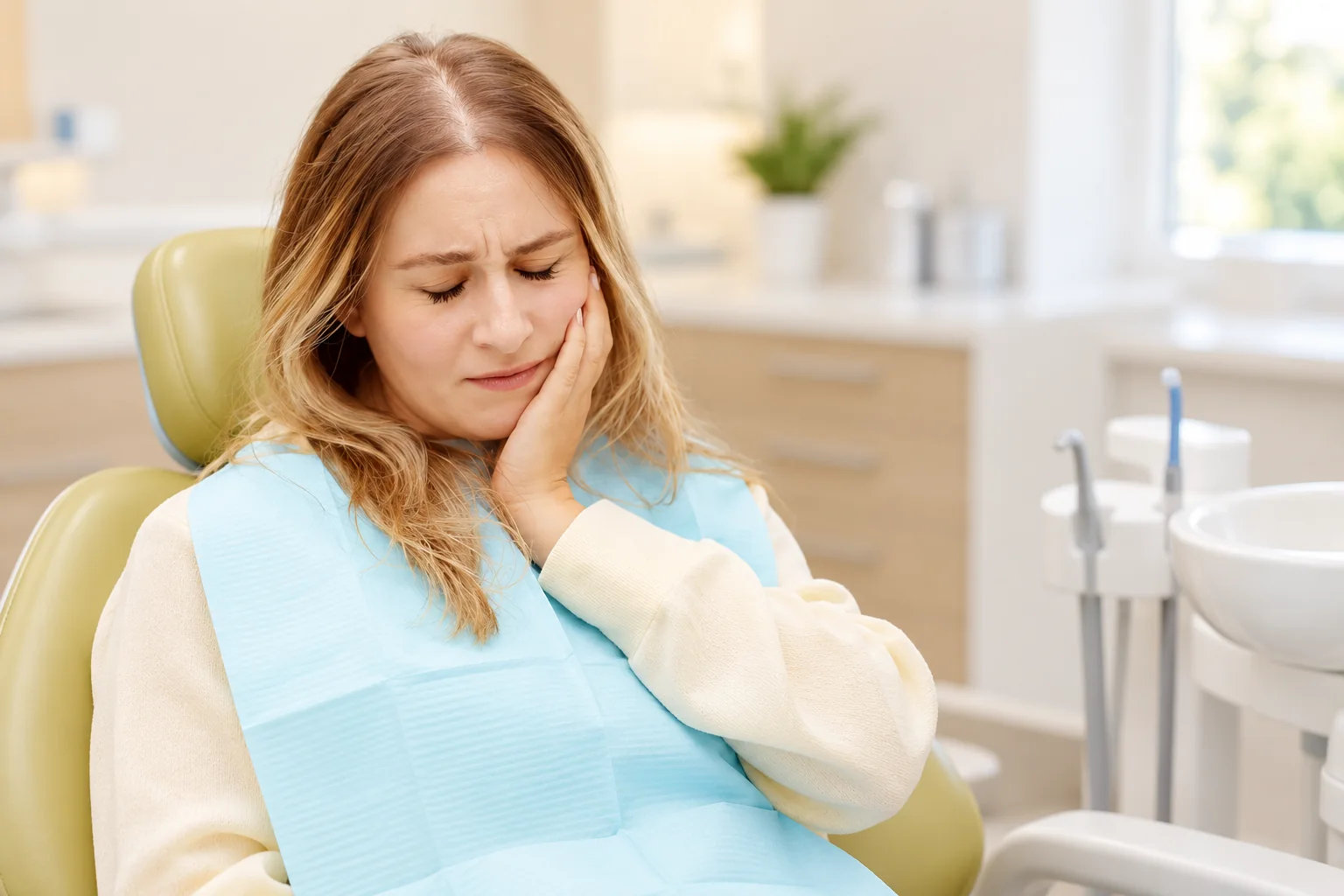
Severe or persistent tooth pain. Pain that wakes you, lingers after hot or cold, or hurts on biting needs attention, and a toothache that suddenly stops is not necessarily better. Read our toothache guide.
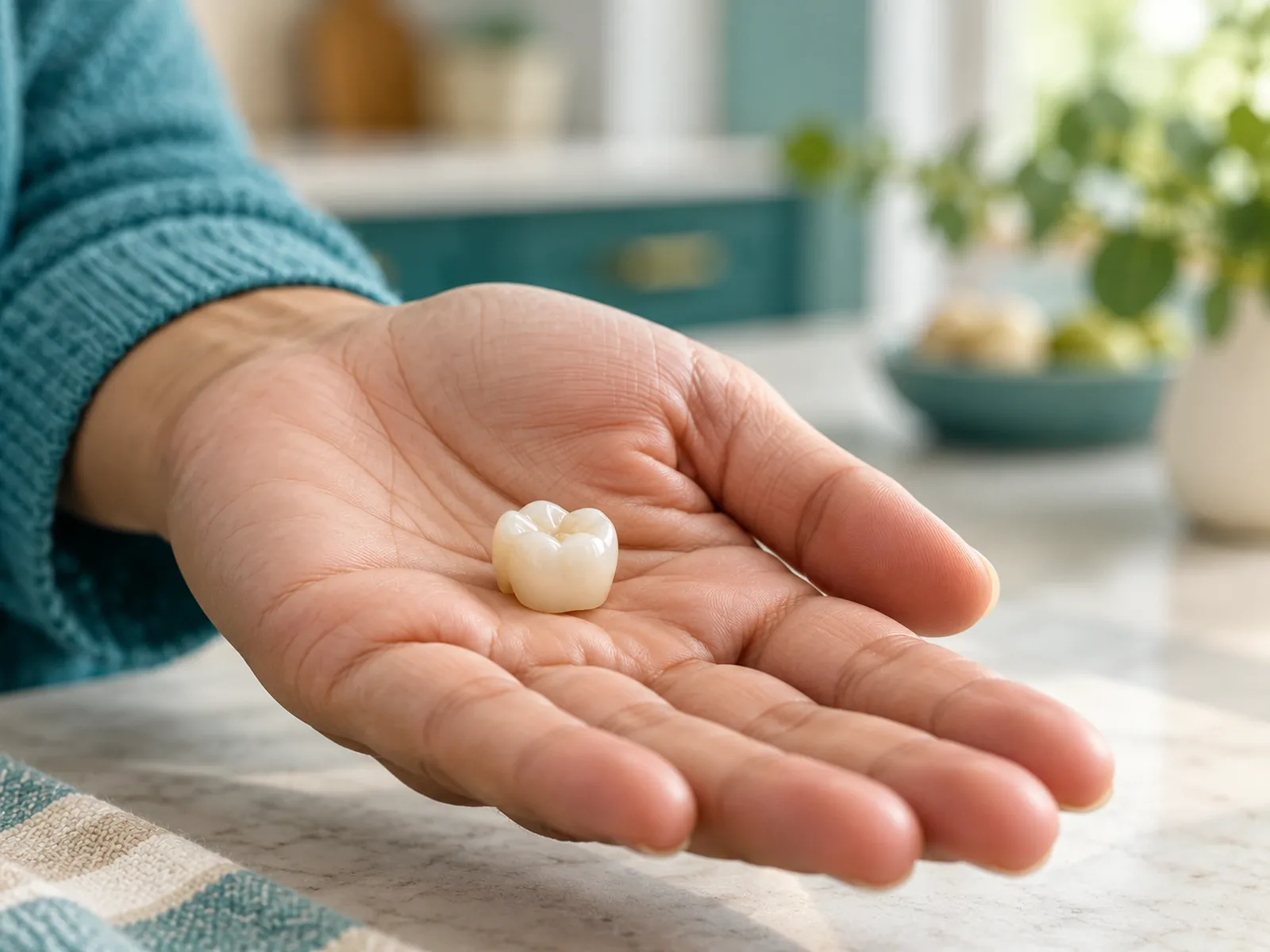
A broken, chipped or cracked tooth. Even a break that doesn’t hurt can hide a crack running toward the nerve. Save the fragment in milk. Read broken tooth: next steps.
A suspected abscess. A throbbing tooth, a gum pimple, a bad taste or a swollen jaw point to infection that antibiotics alone will not cure. Read dental abscess: symptoms and evaluation.
A knocked-out tooth. A permanent tooth replanted within about thirty minutes has a real chance of survival; a baby tooth should never be replanted. Read knocked-out tooth first aid.
A lost crown or filling. Protect the tooth, keep the piece, and let us find out why it failed before it goes back on. Read lost crown or filling.
Facial swelling. Swelling can be dental or not, and its speed and location decide whether you need a dentist today or a hospital now. Read facial swelling: getting the right care.
If the problem starts when we are closed, our guide to dental problems after hours explains how to reach us, how to decide between urgent care and the emergency room, and how to get through the night.
What is not an emergency
Mild sensitivity to cold that fades in seconds, a small chip with no pain, a loose baby tooth that is ready to come out, and cosmetic concerns such as staining can all be handled at a regular appointment. Call and describe it; if it should be seen sooner, we will say so.
Pain is the most common reason people call, but the pattern of the pain tells us more than its intensity.
What to do while you wait to be seen
A few simple measures help almost every dental emergency:
Keep a knocked-out tooth moist. Hold it by the crown, not the root, and place it in a cup of milk or back in its socket. Never in water, never in a dry tissue.
Apply a cold compress to the outside of the face, wrapped in a thin towel, 15 to 20 minutes at a time, to limit swelling and dull pain after an injury.
Avoid hot, cold, hard and chewy foods. Chew soft, lukewarm foods on the other side.
Rinse with warm salt water, half a teaspoon of salt in a cup of warm water, several times a day, to soothe gum tissue and keep the area clean.
Floss gently if pain began after eating; trapped food is a common and easily fixed cause. Stop if it hurts more.
Over-the-counter pain relievers taken according to the label help most people. Do not place aspirin on the gum, use household glue on a tooth or crown, take leftover antibiotics, apply heat to a swelling, or try to drain anything yourself.
What to expect at an emergency visit
When you call, tell us when the problem began, where it is, how severe it is, and whether it is changing, plus any swelling, fever, injury, recent dental work, medical conditions and medications. Bring any crown, filling or tooth fragment you have saved.
An emergency visit focuses on finding the source, relieving the pain and protecting the tooth at that visit.
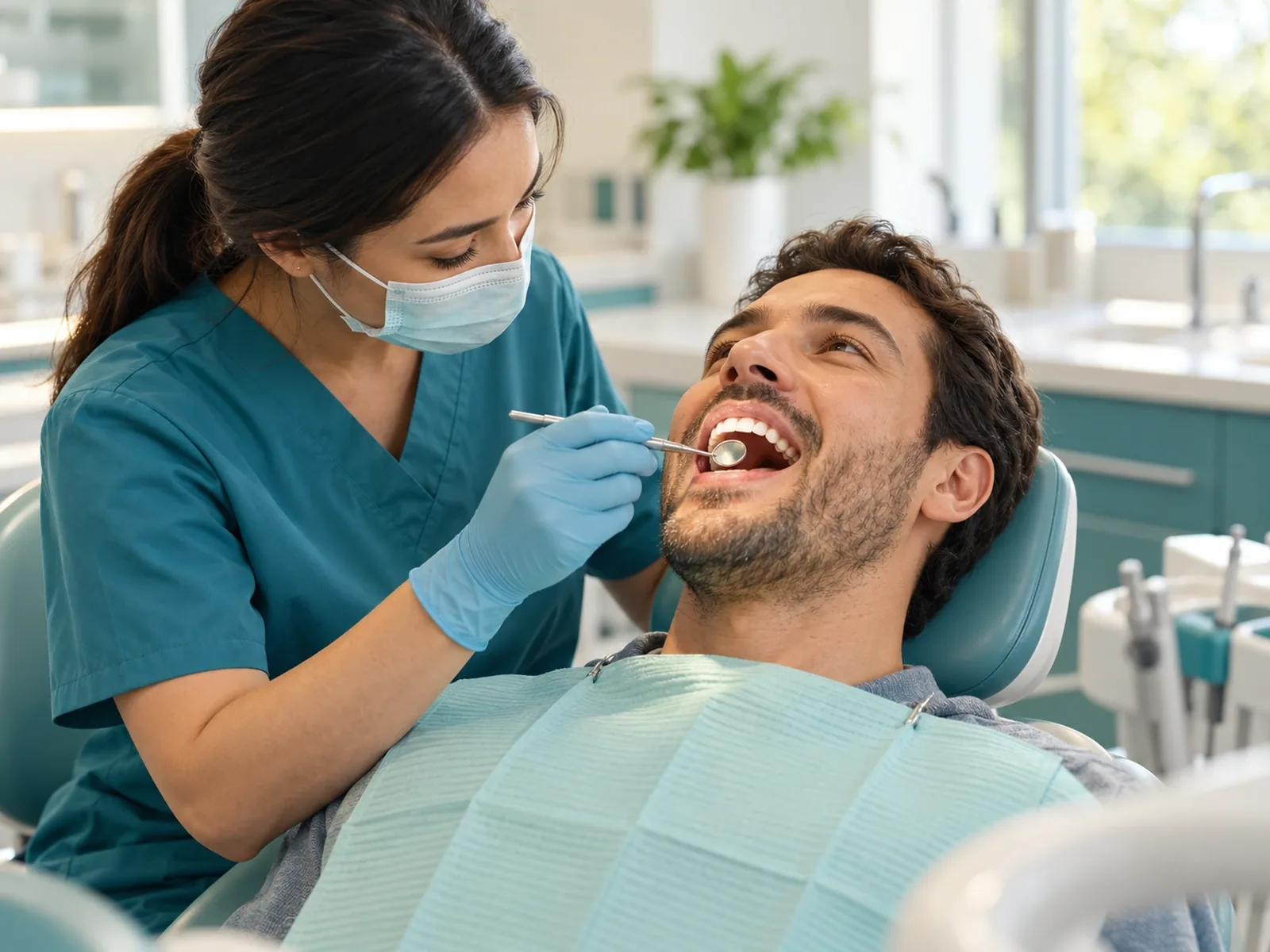
At the visit, Dr. Zohdi focuses on the problem in front of you rather than a full check-up:
Listening to how the pain or injury behaves, which often narrows the cause before any test.
Examining the tooth, gums, bite and soft tissues, with simple tests such as cold, tapping and biting to pinpoint the source.
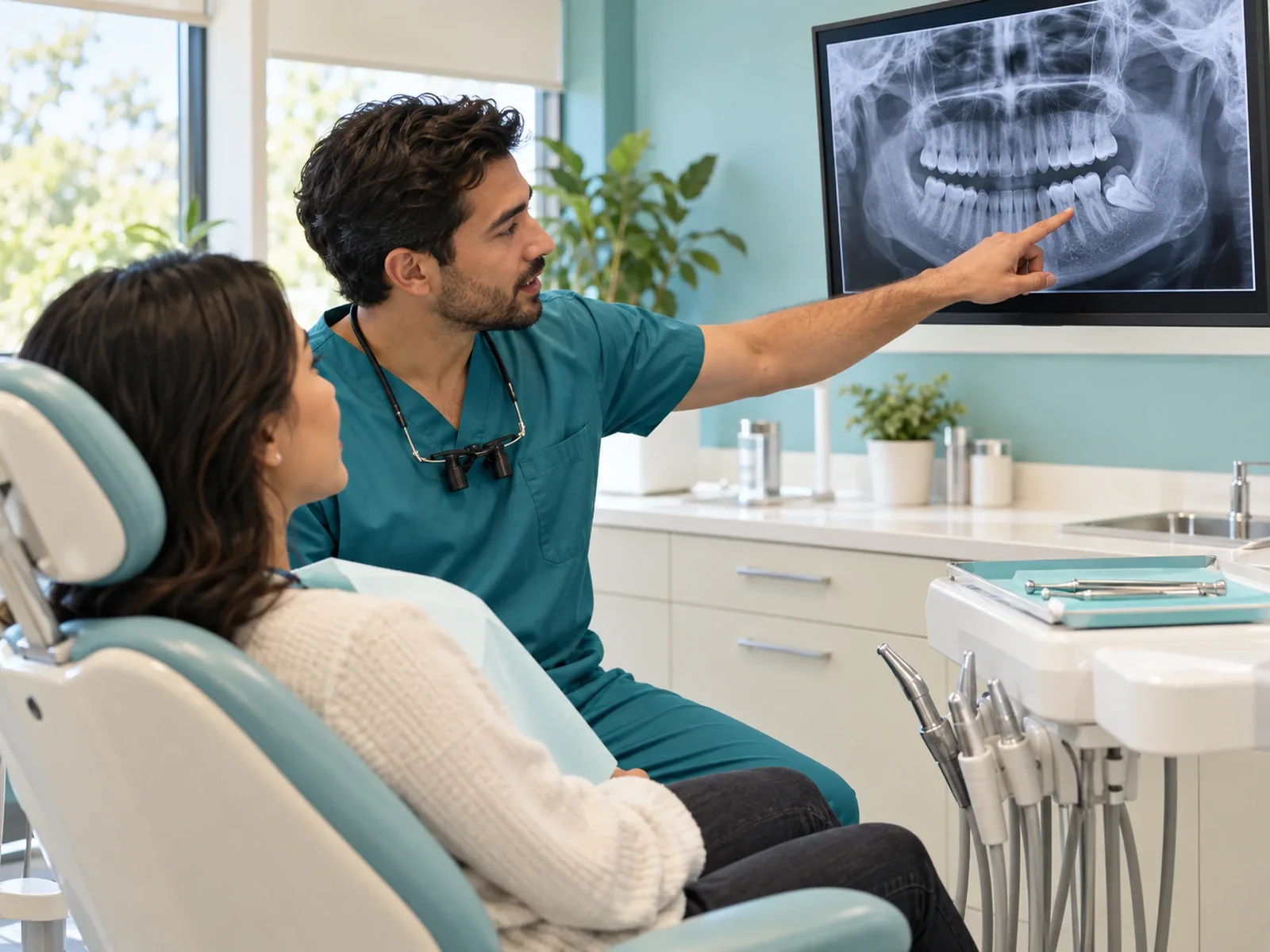
Imaging the area with an X-ray and, when a fracture, infection or injury needs a closer look, 3D (CBCT) imaging.
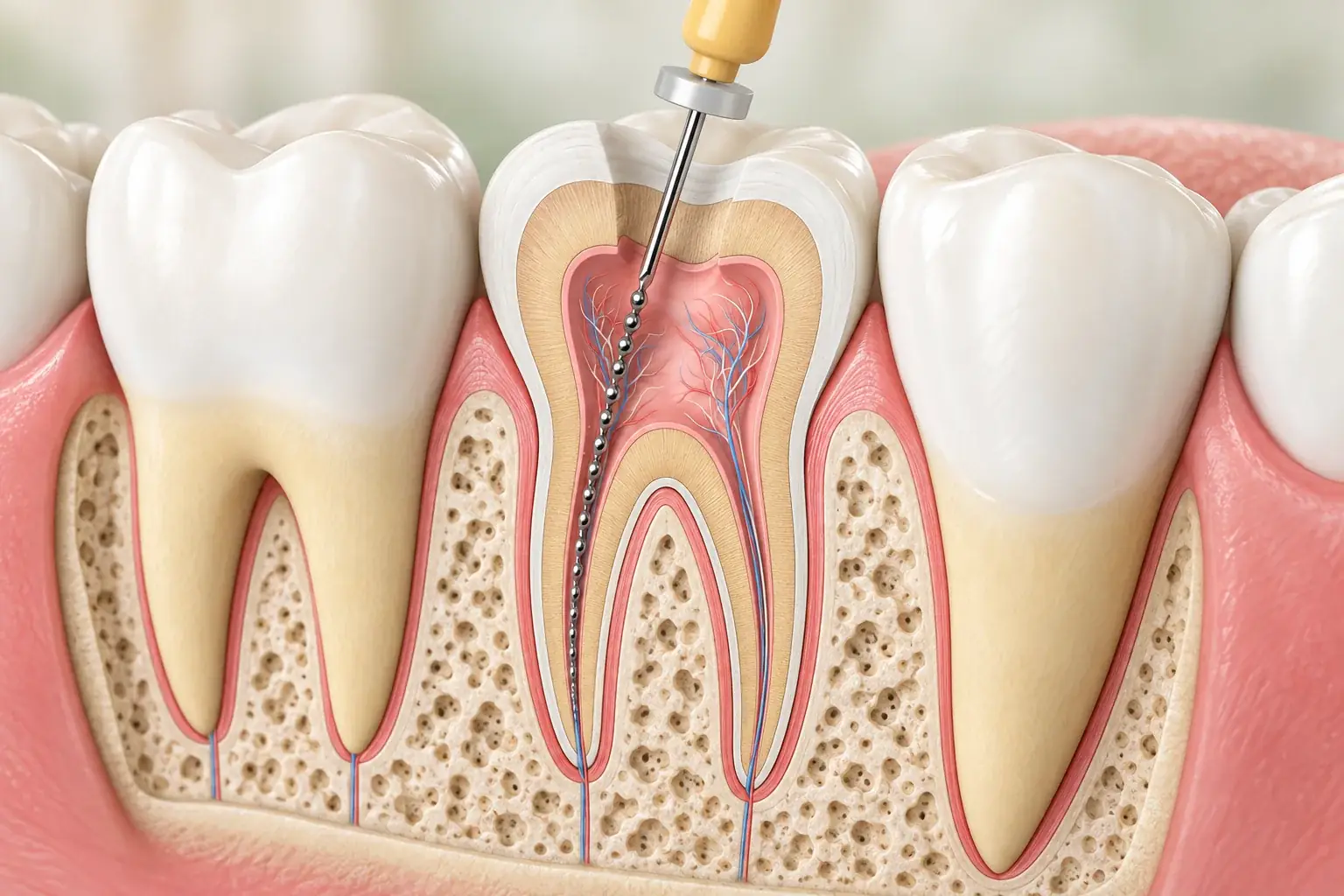
Relieving the problem at that visit wherever possible, whether that means a filling or temporary, draining an infection, starting a root canal, recementing a crown, splinting a loosened tooth, or removing a tooth that cannot be saved.
Planning what comes next. Emergency care is often the first stage; a root-canal tooth will need a crown, and a removed tooth calls for a conversation about replacement.
Comfort comes from thorough local anesthesia, a clear explanation of each step, a pause signal, and a pace that suits you; see our page on dental anxiety if visits worry you.
Why prompt care matters
Dental problems do not heal on their own. Decay spreads, cracks lengthen, and infection works into the bone whether or not it hurts, and each delay narrows the options: a tooth that needed a filling later needs a root canal, and one that could have had a root canal later needs to come out. Early treatment generally means simpler care, fewer visits and lower cost. Our guides on root canal treatment, tooth extractions and dental crowns explain the treatments that most often follow an emergency visit.
Emergency care for the whole family
We treat dental emergencies in children and adults. Children's injuries have their own rules, especially never replanting a baby tooth; see our children's dentistry page. Athletes can cut the odds of a sports emergency with a custom sports mouthguard.
Our office is at 302 N Ridgeway Dr in Cleburne, next to Wheat Middle School and Cleburne High School; use the full address in your maps app or see the contact page.
Please call first at (817) 641-6261 so we can prepare for you and tell you what to do on the way. We work urgent patients into the schedule the same day whenever possible.
How quickly can I be seen?
It depends on the problem and the day. A knocked-out tooth is seen immediately; most other urgent problems are worked in the same day when we can. Call and describe your symptoms so we can judge the urgency together.
Should I go to the emergency room for a toothache?
Only if it comes with the red-flag symptoms above. Emergency rooms manage infection and pain but do not repair teeth.
What if it happens on a Friday or at night?
Call (817) 641-6261 and follow the voicemail instructions, use the home measures above, and read our after-hours guide to decide whether urgent care or the emergency room is needed before we reopen.
Most dental emergencies are very treatable when handled promptly and in the right order. If you are in pain or have injured a tooth, call our Cleburne office at (817) 641-6261 during business hours, or request an appointment for follow-up care once the emergency has passed.
Call us during office hours and we will do our best to see you the same day. If you have trouble breathing or swallowing, or swelling is spreading fast, go to the nearest emergency room.