Every time you eat or drink something with sugar or acid, the surface of your teeth loses a little mineral. Between those moments, saliva puts mineral back. Fluoride tips that balance toward repair: it helps rebuild weakened enamel and makes the repaired surface harder for acid to dissolve next time. That is why fluoride toothpaste is the single most useful habit in cavity prevention.
A professional fluoride treatment is a stronger, more concentrated dose applied in the office. It is not a children-only service and it is not a cure for existing cavities. It is an extra layer of protection for people whose risk of decay is higher than everyday brushing can cover, whether that is a seven-year-old with deep grooves or a seventy-year-old with exposed roots and a dry mouth.
The question is not whether fluoride works, but whether you need more of it than you are already getting. That depends on your mouth, your habits and your health, and it is one of the things we weigh at every checkup.
How fluoride actually protects a tooth
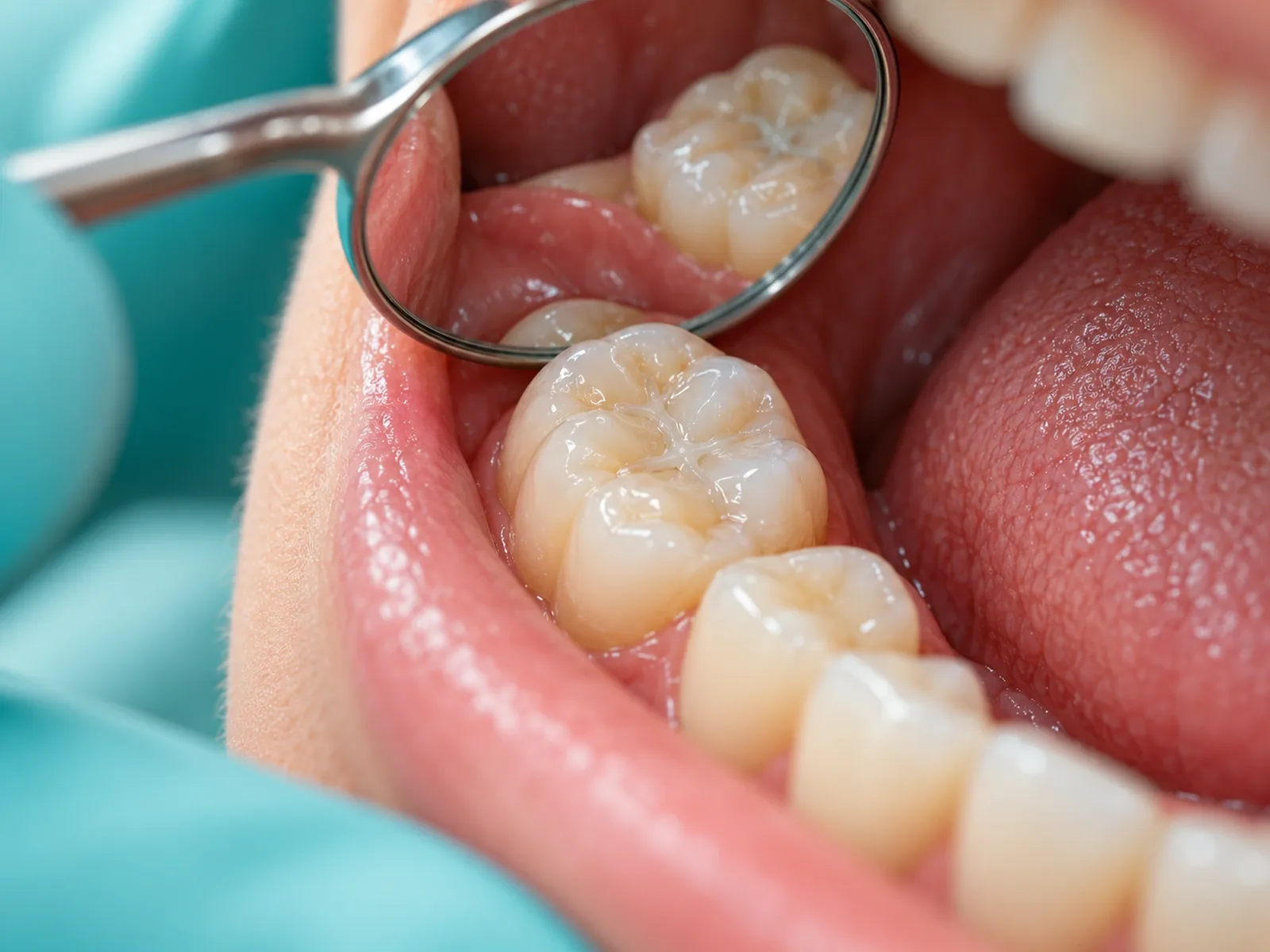
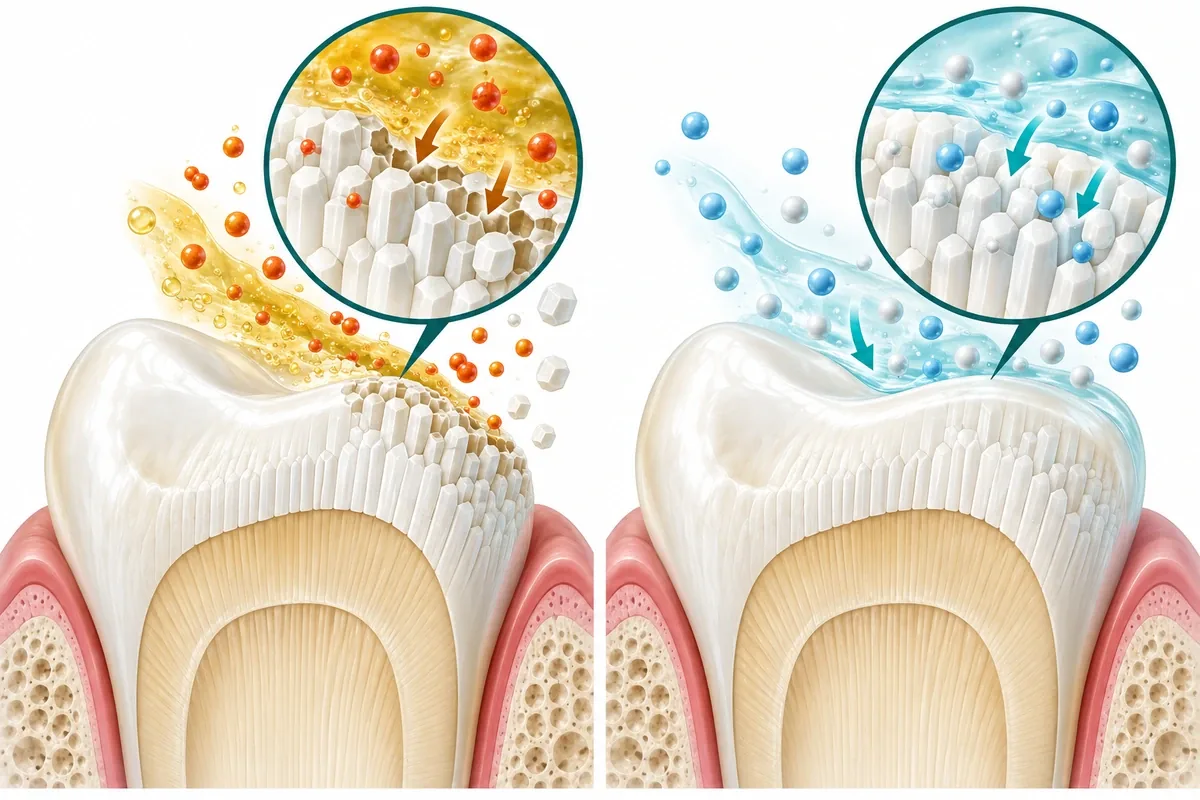
Enamel is mostly mineral. Bacteria in plaque turn sugar into acid, and acid pulls mineral out of the enamel surface. Early on, this shows up as a chalky white spot, which is a weakened area that has not yet broken down into a hole. If repair outpaces attack, the spot can harden again. If attack outpaces repair, it becomes a cavity.
Fluoride helps in three ways:
- It speeds up the rebuilding of weakened enamel, drawing calcium and phosphate back into the surface.
- The rebuilt mineral is a slightly different, more acid-resistant form than the original.
- It interferes with the ability of plaque bacteria to produce acid.
None of this works on a tooth that already has a cavity. Once enamel has broken through, the tooth needs a filling, and no amount of fluoride can rebuild the missing structure. Fluoride is for the stage before that.
Who benefits from a professional treatment
Everyone benefits from fluoride toothpaste. Professional fluoride is recommended when something raises your risk above average. Common reasons include:
- Children and teenagers, whose newly erupted teeth are still hardening and who are more likely to have deep grooves, braces and sugary snacks.
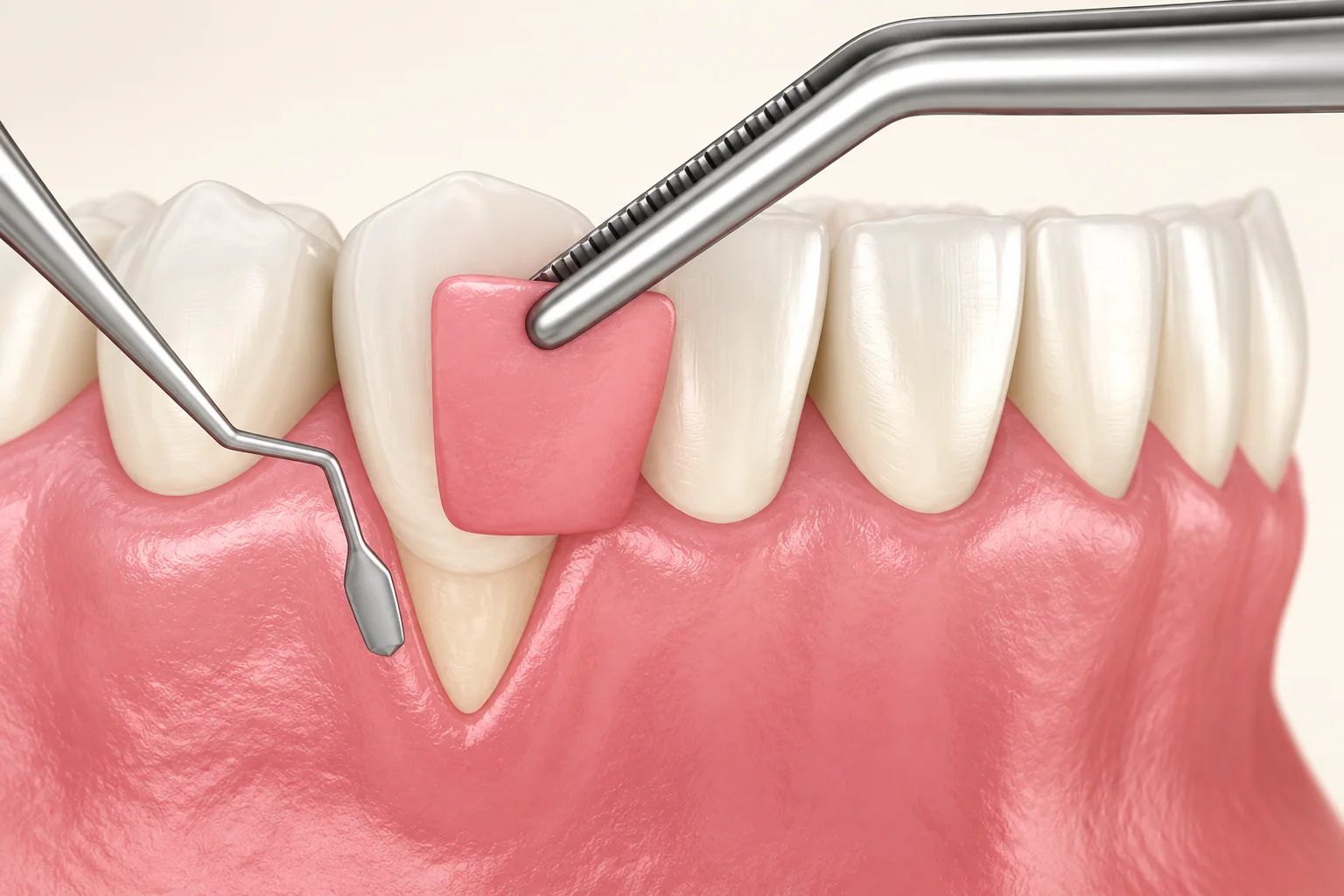
- Exposed root surfaces. Roots are covered by a softer material than enamel and decay more easily. If gum recession has uncovered them, fluoride helps protect them and can reduce sensitivity.
- Dry mouth. Saliva is the body's own repair system. Hundreds of common medications reduce it, as do some medical conditions and radiation treatment to the head and neck. Less saliva means more decay, often quickly.
- New cavities in the last few years, especially several at once.
- Braces or aligners, which make cleaning harder and create spots where plaque sits for months.
- Frequent sipping or snacking, including sports drinks, sodas, sweetened coffee and acid reflux, which keeps teeth under attack through the day.
- Difficulty brushing well, because of arthritis, disability, illness or age.
- Many fillings and crowns, whose edges are common places for new decay to start.
If none of these apply and your checkups keep showing no new decay, you may not need professional fluoride at all. We will tell you either way.
What the treatment involves
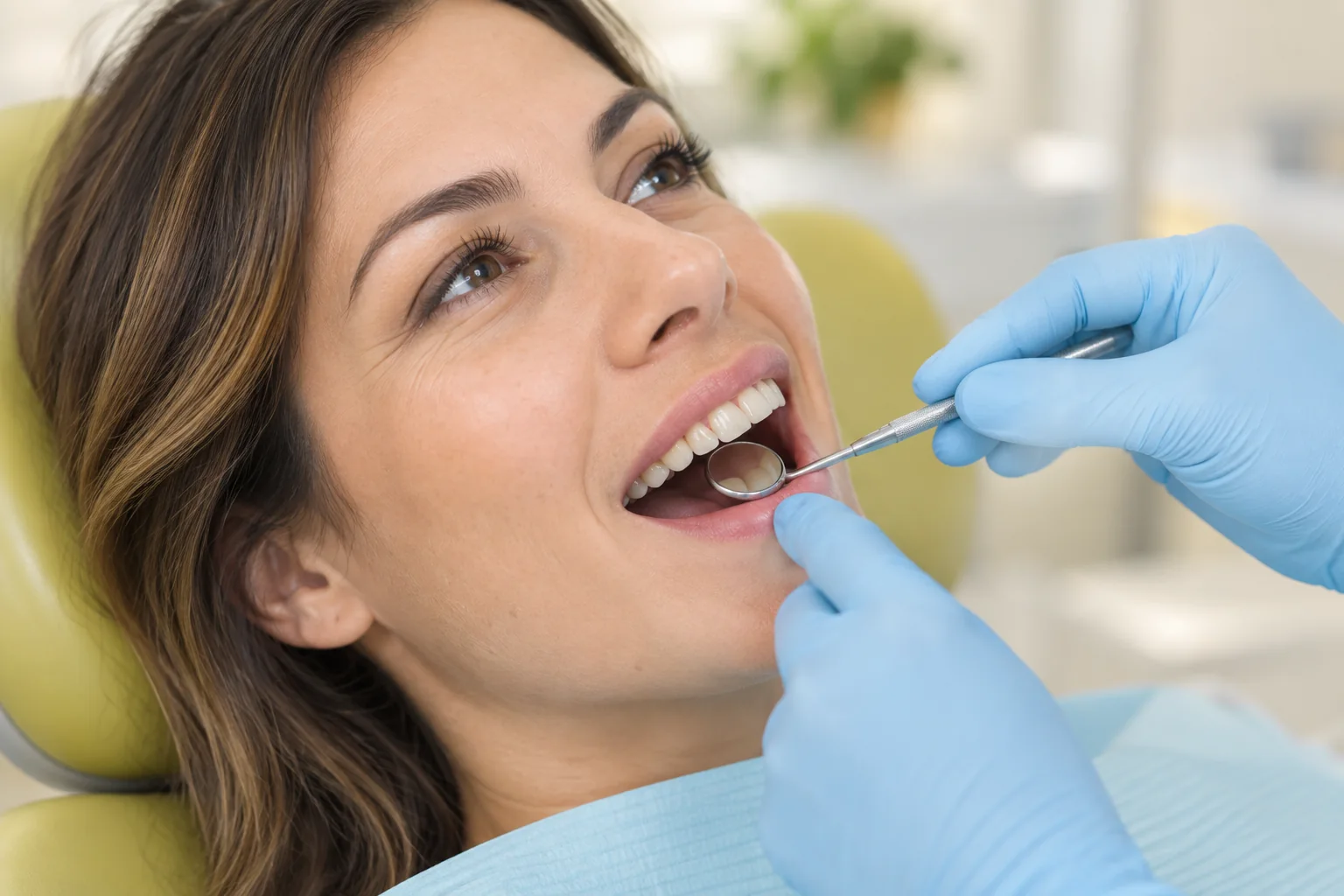
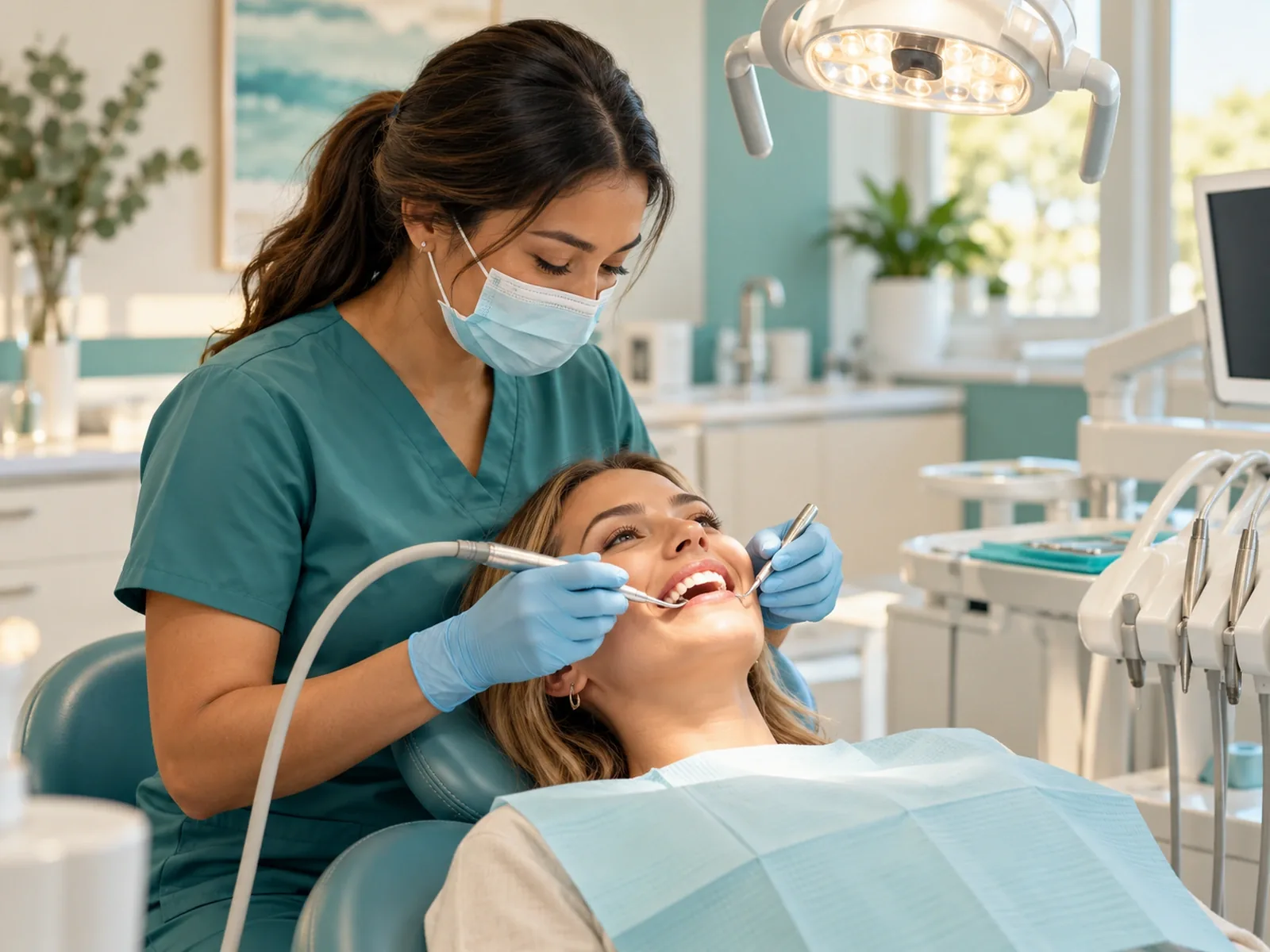
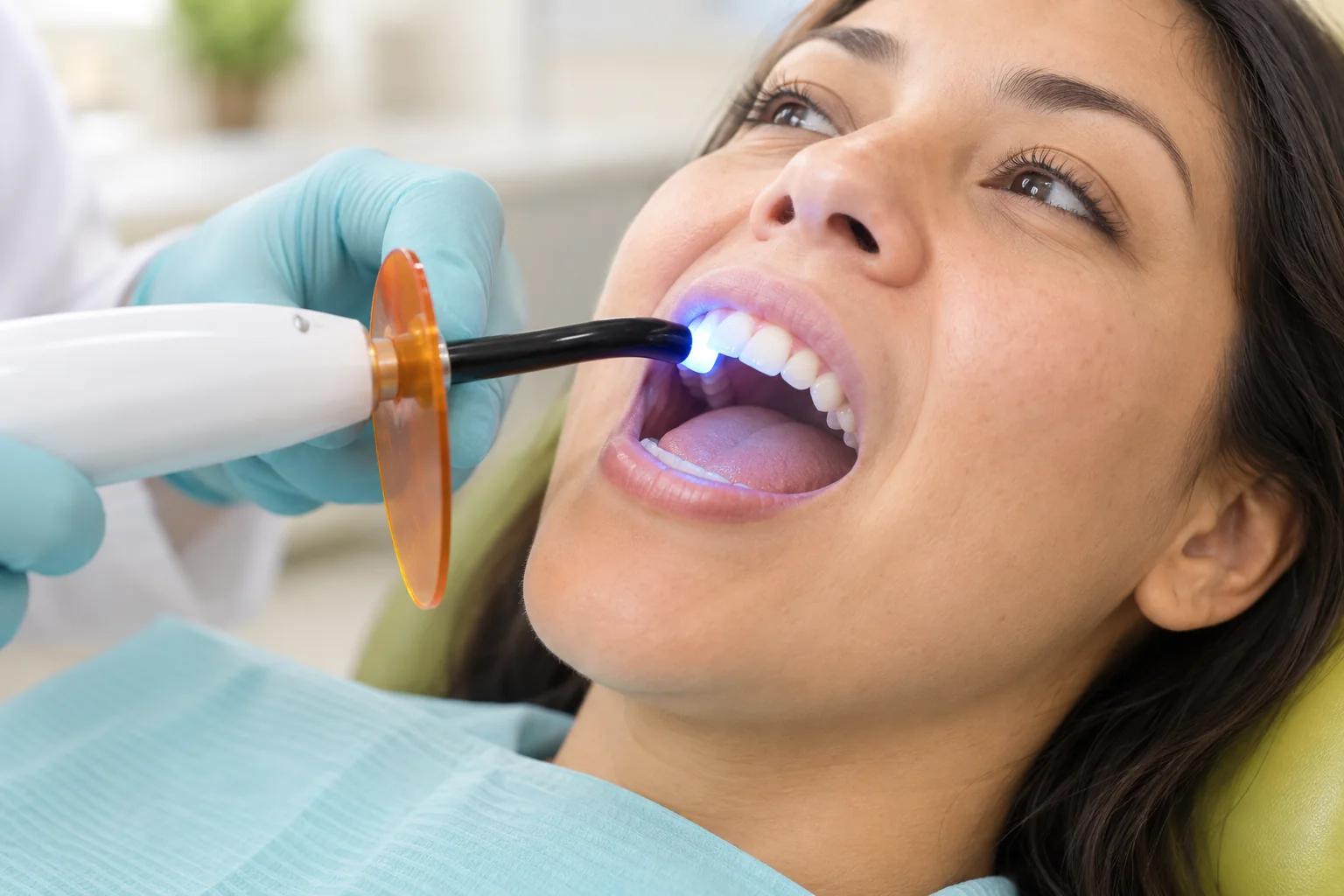
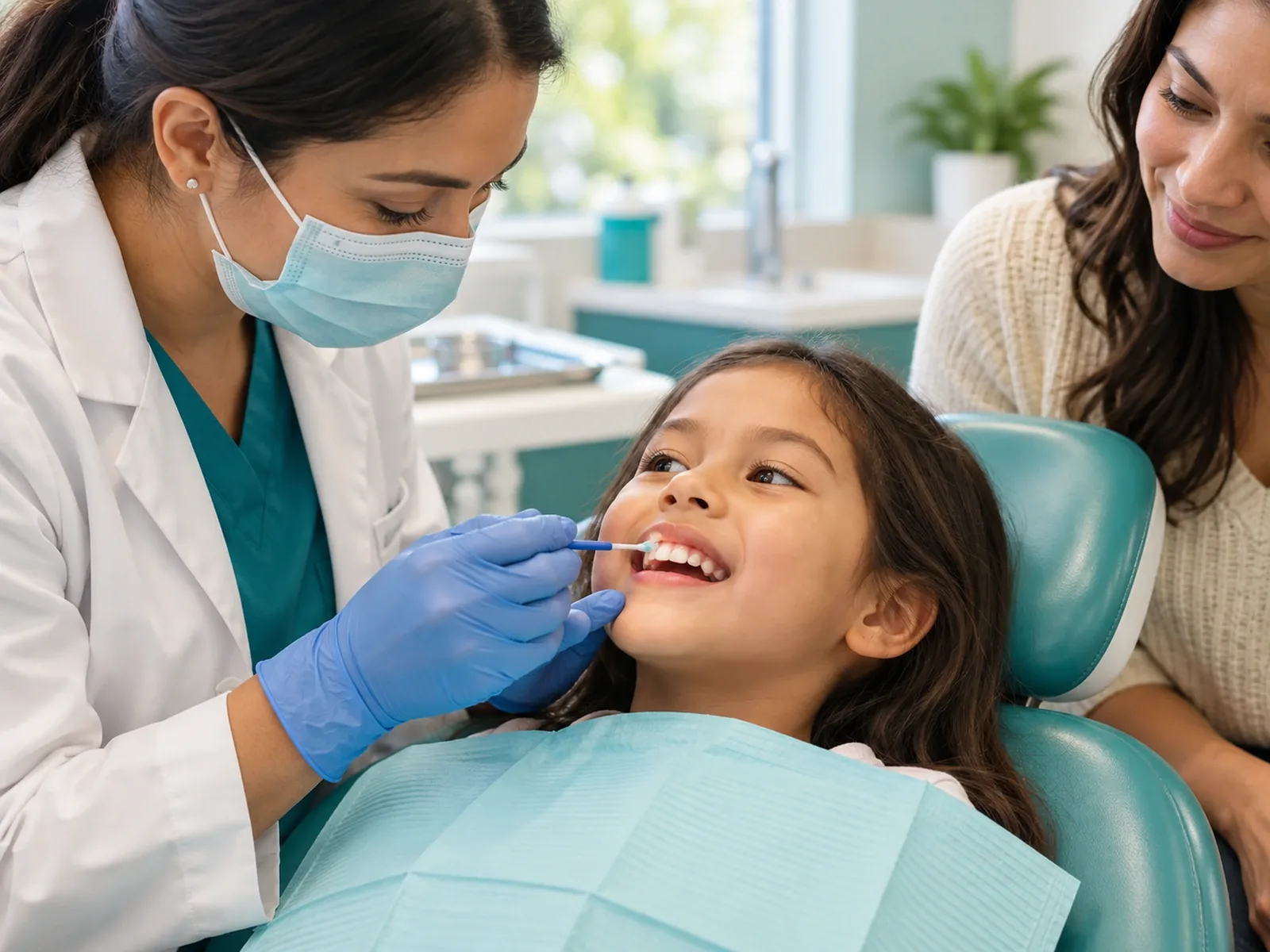
The most common in-office form is fluoride varnish: a sticky, concentrated coating painted onto the teeth with a small brush. It takes a minute or two, sets on contact with saliva and slowly releases fluoride over the following hours. There is no tray and no need to hold anything in the mouth, which makes it easy for young children and for people who gag. After varnish, you will usually be asked to avoid hot drinks, hard or sticky foods and brushing for a period of hours; the exact instructions depend on the product.
Some offices also use fluoride gel or foam in a tray held in the mouth for a few minutes, followed by not eating or drinking for about half an hour.
For ongoing protection at home, we may prescribe a high-fluoride toothpaste, which contains several times the fluoride of a store brand. It is used in place of regular toothpaste, usually at night, with the foam spat out but not rinsed away so the fluoride stays on the teeth. Prescription rinses are another option for people with braces or dry mouth.
These approaches have different instructions. Follow the directions for the specific product you were given rather than general advice from a label at the store.
Fluoride for children: getting the amount right
Children benefit from fluoride and are also the group where too much matters. While permanent teeth are forming under the gums, roughly up to age eight, swallowing excess fluoride day after day can cause faint white flecks or streaks on the adult teeth, a cosmetic condition called fluorosis. It does not come from a varnish treatment a few times a year; it comes from steadily swallowing toothpaste or taking supplements that are not needed.
Practical guidance for parents:
- Use a smear of fluoride toothpaste the size of a grain of rice before age three, and a pea-sized amount from three to six.
- Have your child spit rather than rinse, and keep the tube out of reach.
- Do not add fluoride drops, tablets or rinses on your own. Tell us what your child already uses, including whether your home in or around Cleburne is on city water or a private well, and we will help you decide whether anything extra makes sense.
Our children's dentistry page covers the rest of what a child's visit involves.
Fluoride works alongside the rest of prevention
Adding fluoride while leaving the cause of decay untouched is like bailing a boat without plugging the hole. The treatment is most useful when combined with:
- brushing twice a day for two minutes with fluoride toothpaste
- cleaning between the teeth daily
- fewer sugar and acid exposures through the day; drinks are the biggest culprit
- dental sealants on the grooves of back teeth, which protect the one surface fluoride reaches least well
- treating dry mouth where possible, including sugar-free gum or lozenges to stimulate saliva
- regular exams and cleanings so early changes are caught while they can still be reversed
Fluoride is one piece of the preventive care described across our general and family dentistry pages; it works best when the rest is in place.
Cost and coverage
Many dental plans cover professional fluoride for children up to a certain age, often once or twice a year. Adult coverage varies and is frequently excluded, even when there is a clear clinical reason. Before you accept any optional preventive service, ask what it costs and whether your plan covers it. Our insurance page explains how we help you check benefits.
Sources and further reading
General information, not a diagnosis. Read how we create and review our dental guides.