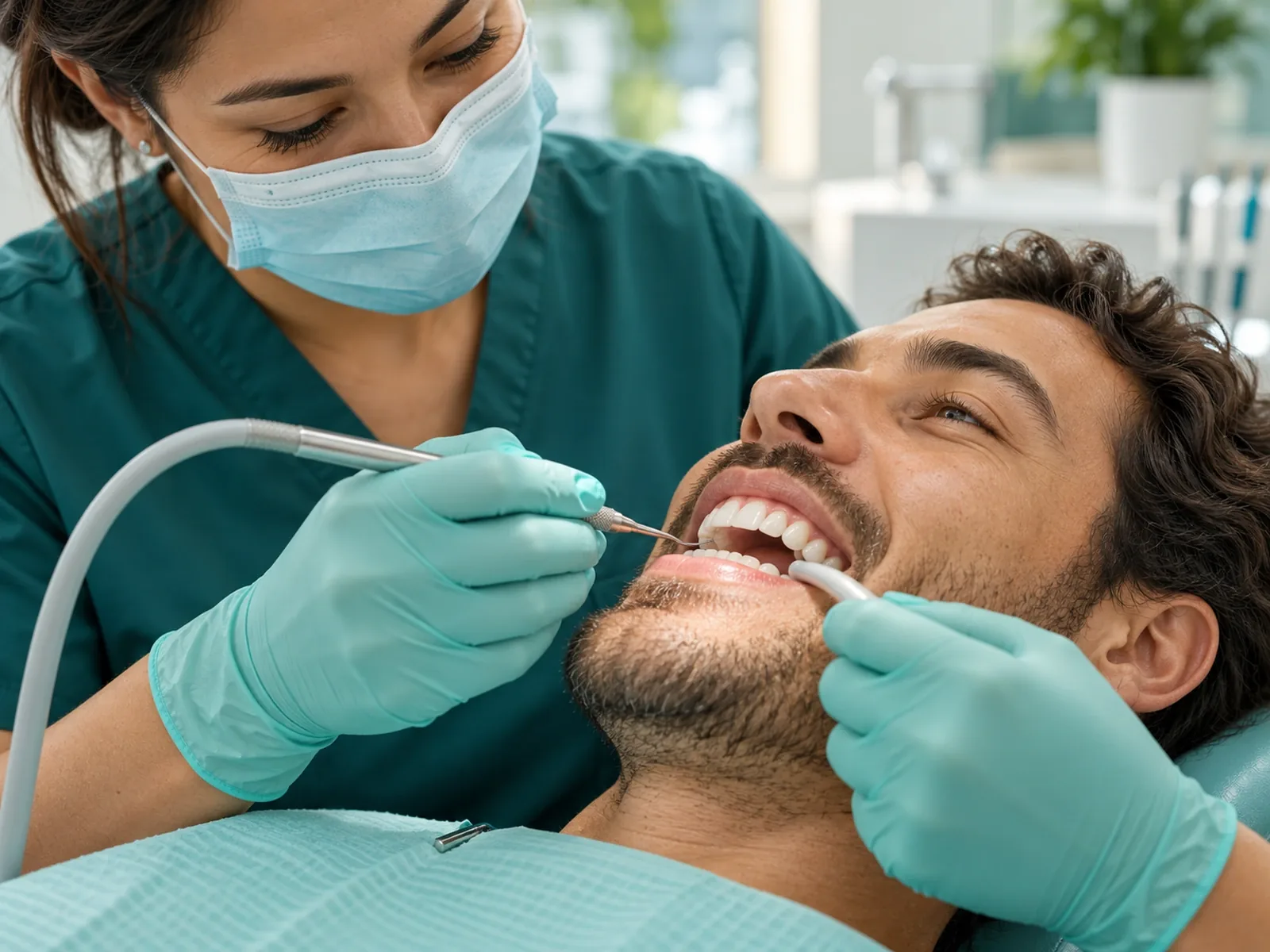

A dental exam and a dental cleaning are booked together so often that many people think of them as one thing. They are not. The exam is how we find out what is going on with your teeth, gums and the tissues around them. The cleaning removes the plaque and tartar your toothbrush cannot reach. One gathers information; the other acts on it.
That distinction matters more than it sounds. The kind of cleaning you need depends on what the exam finds, especially the measurements around your gums. A person with healthy gums and a person with early gum disease can both walk in asking for "a cleaning" and leave with very different recommendations. The findings, not the name of the appointment, should decide what happens next.
At Cleburne Dental you can request a visit for routine care, for a specific worry, or because it has been a long time since anyone looked. Exams and cleanings are the foundation of our general and family dentistry, and the goal of the first visit is always the same: a clear picture of where you stand and a short list of sensible next steps.
What happens during a routine visit
Most routine visits follow a predictable order. Knowing the steps ahead of time takes some of the uncertainty out of the appointment.
- Health history and conversation. We review your medical history, medications and anything that has changed since your last visit. You tell us what you have noticed: sensitivity, bleeding, a rough spot, a tooth that catches floss.
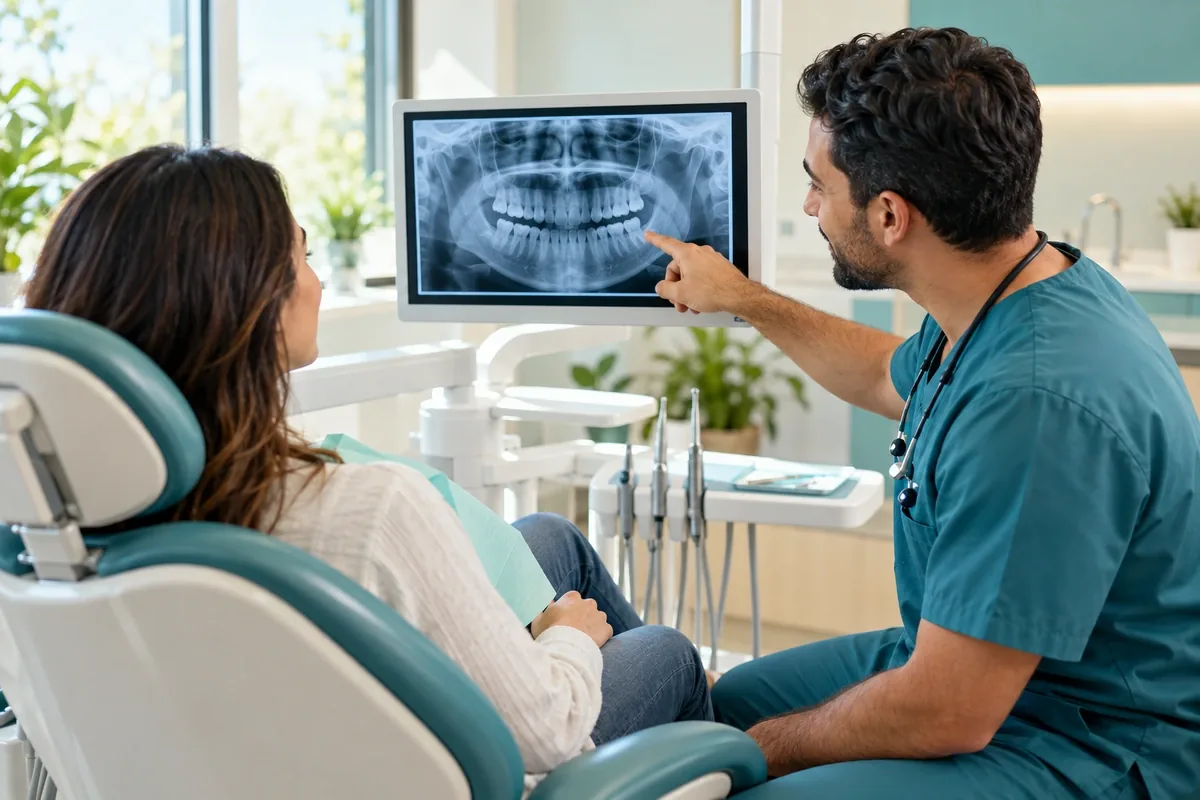
- Imaging, if it is needed. Dental X-rays show what a visual exam cannot: decay between teeth, the bone level around roots, and problems under existing fillings and crowns. They are taken when they answer a question, not on autopilot.
- The cleaning. A hygienist removes plaque and hardened tartar above and just below the gumline, then polishes the teeth. Hand instruments and an ultrasonic scaler, which vibrates deposits loose and rinses them away, are both commonly used.
- The examination. Dr. Zohdi checks each tooth and every existing restoration, measures the gums, looks at your bite and examines the soft tissues of the mouth, head and neck.
- The plan. You hear what was found, what it means and what your options are. If a cavity is developing, that may mean a return visit for a filling. If everything is stable, it may simply mean a date for the next checkup.
What the examination is actually looking for
A thorough exam covers more than cavities. Each part of it answers a different question.
- Teeth: new decay, cracks, wear from grinding, and erosion from acid. Some early changes can be monitored or strengthened rather than drilled.
- Existing dental work: fillings and crowns do not last forever. We check edges for leakage, chips and decay creeping in underneath. Our guide to whether old dental work needs replacing explains what we weigh.
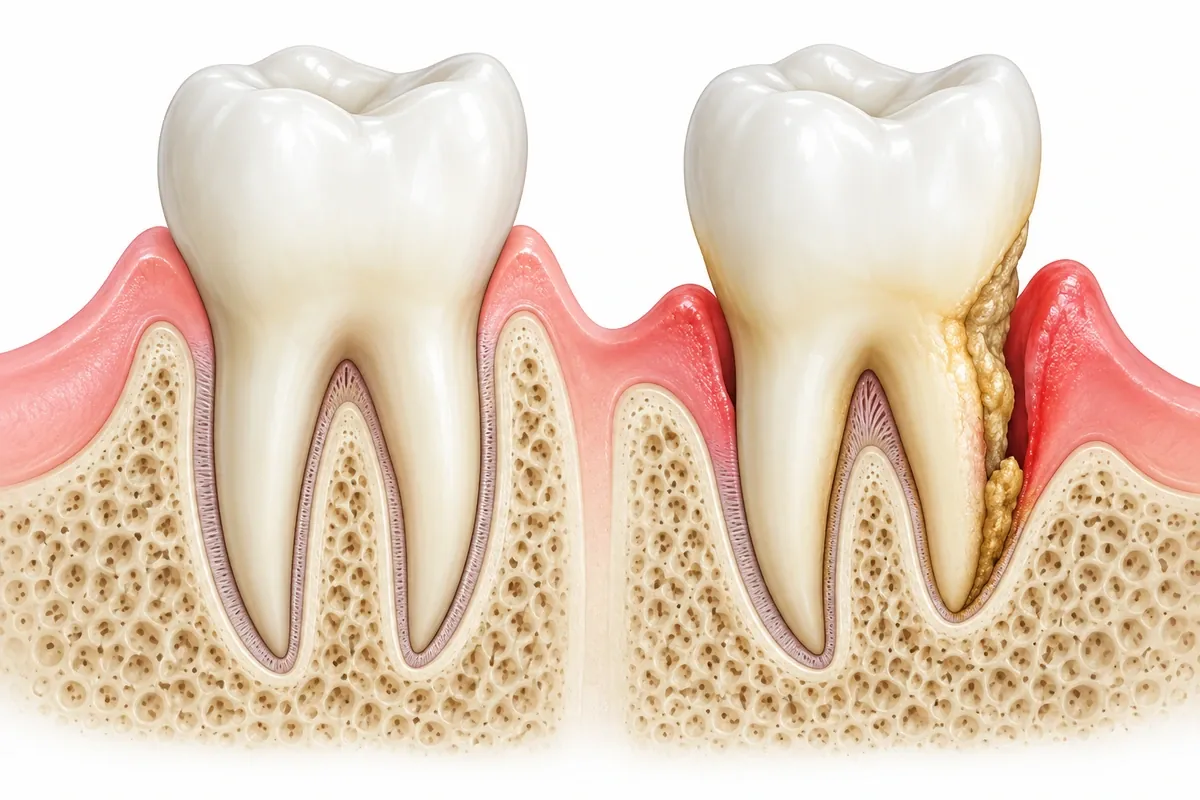
- Gums and bone: a small probe measures the depth of the space between gum and tooth at several points around each tooth. Shallow, firm, non-bleeding pockets are healthy. Deeper pockets, bleeding and bone loss on X-rays point toward gum disease.
- Bite and jaw joints: uneven wear, clicking or soreness can explain headaches, chipped teeth or sensitivity that otherwise seems random.
- Soft tissues: the lips, tongue, cheeks, palate and floor of the mouth are checked for sores, patches or lumps as part of an oral cancer screening. A screening looks for changes that deserve a closer look; it does not replace getting a persistent sore evaluated promptly.
- Medical connections: dry mouth from medication, diabetes, reflux and pregnancy all change what we look for and how often we want to see you.
Why not every cleaning is the same
This is the part of the visit that surprises people most. If your gum measurements show that disease has moved below the gumline, polishing the visible parts of the teeth does not treat the problem. The deposits doing the damage are on the root surfaces inside the pocket, where a routine cleaning does not reach.
| Routine cleaning | Scaling and root planing | Periodontal maintenance | |
|---|---|---|---|
| Who it is for | Healthy gums or mild, reversible gingivitis | Active gum disease with deeper pockets and tartar on the roots | Patients who have completed active gum treatment |
| What is removed | Plaque and tartar above and just below the gumline | Deposits along the root surfaces inside the pockets | Deposits that re-form in previously treated pockets |
| Numbing | Usually not needed | Local anesthetic is often used for comfort | Sometimes, for tender areas |
| Visits | One | Often split over two or more visits by section of the mouth | Repeated at a set interval, typically more often than a routine cleaning |
Scaling and root planing is what most people mean by a "deep cleaning." After it, many patients move to a periodontal maintenance schedule rather than back to a standard six-month cleaning, because treated pockets need closer follow-up. If you are told you need something other than a routine cleaning, ask to see the measurements that support it. Our comparison of routine and deep cleanings goes into more detail.
How often you should come back
Twice a year is the familiar rule, and for many people it is a reasonable one. It is not a law. Your interval depends on how quickly tartar builds up, whether you have had gum disease, how many cavities you have had recently, dry mouth, smoking, diabetes and how well home care is going.
Someone with stable, healthy gums and no decay in years may do well with a longer gap. Someone recovering from gum treatment, or who gets new cavities every year, usually needs to be seen more often. The recommendation should come with a reason you understand.
Preparing for your visit
A little preparation makes the visit more useful.
- Bring a current list of medications and supplements, including blood thinners and anything for bone health, blood pressure or anxiety.
- If you have had X-rays elsewhere in the last few years, ask that office to send them ahead. Good recent images may mean fewer new ones; whether they are enough is a decision we make once we see them.
- Write down what you have noticed and when it happens: cold, sweets, chewing, mornings, a particular tooth.
- If dental visits make you nervous, say so when you book. Our page on feeling nervous about dental treatment explains the ways we can pace the visit.
- If you have pain, swelling or a broken tooth, tell the office when scheduling. A routine cleaning slot is not the right place to sort out an active problem; you need a focused exam, and often a different amount of time.
If it has been years since your last visit, you are not alone and you will not be lectured. Our guide to returning to the dentist after a long break walks through what to expect.
What a cleaning cannot do
A cleaning removes deposits. It does not fill a cavity, fix a cracked tooth, settle an infected nerve or reverse bone that has already been lost. If your main concern is a tooth that hurts, a cleaning may make your mouth feel fresher without touching the real problem, which is why we examine first.
Home care does the rest. Brushing twice a day with fluoride toothpaste, cleaning between the teeth daily and keeping sugary drinks occasional does more for your long-term health than any single appointment.
Sources and further reading
General information, not a diagnosis. Read how we create and review our dental guides.