
A quick jolt from cold water, a wince when the hygienist's instrument touches a certain spot, an ache that lingers after hot coffee: all of these get called "sensitive teeth," but they are not all the same thing. Sensitivity is a symptom, not a diagnosis. It tells us the nerve inside a tooth is being reached by something that should not reach it. The job is working out why.
That matters because the fixes are completely different. Exposed root surfaces respond to toothpaste and a change in brushing. A cracked tooth does not. A cavity under an old filling needs the filling replaced. An inflamed nerve may need root canal treatment. Choosing a remedy off the shelf without an exam can mean months of discomfort while a fixable problem gets worse.
Before your visit, pay attention to the pattern: what sets it off, how long it lasts, whether it is one tooth or many, and whether it has changed. That narrows the possibilities more than anything else.
How a tooth becomes sensitive
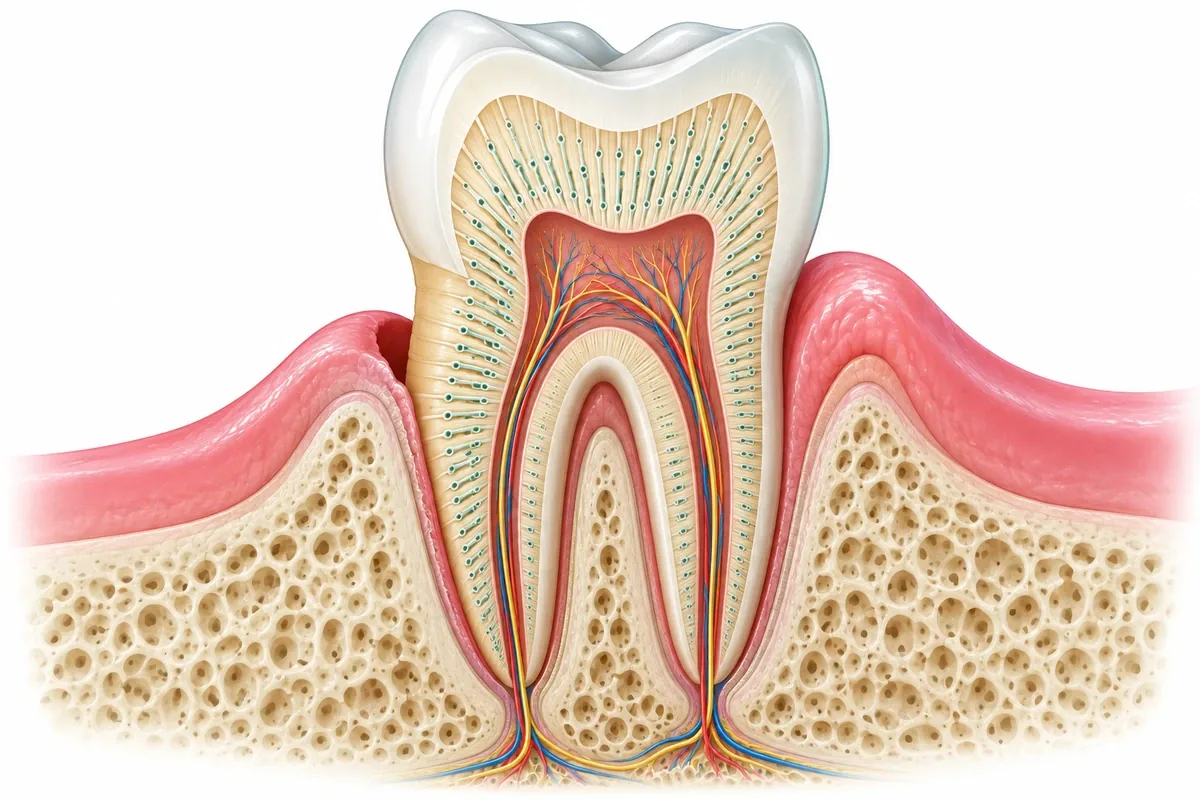
A healthy tooth is insulated. Enamel covers the crown and gum covers the root, and both protect the layer underneath, called dentin. Dentin is full of microscopic tubes that run from its surface to the nerve at the center of the tooth. When enamel wears away or gum pulls back, those tubes are open to the mouth. Cold, heat, sweet or acidic foods and even the touch of a brush move fluid inside the tubes, and the nerve reads that movement as a sharp, brief pain.
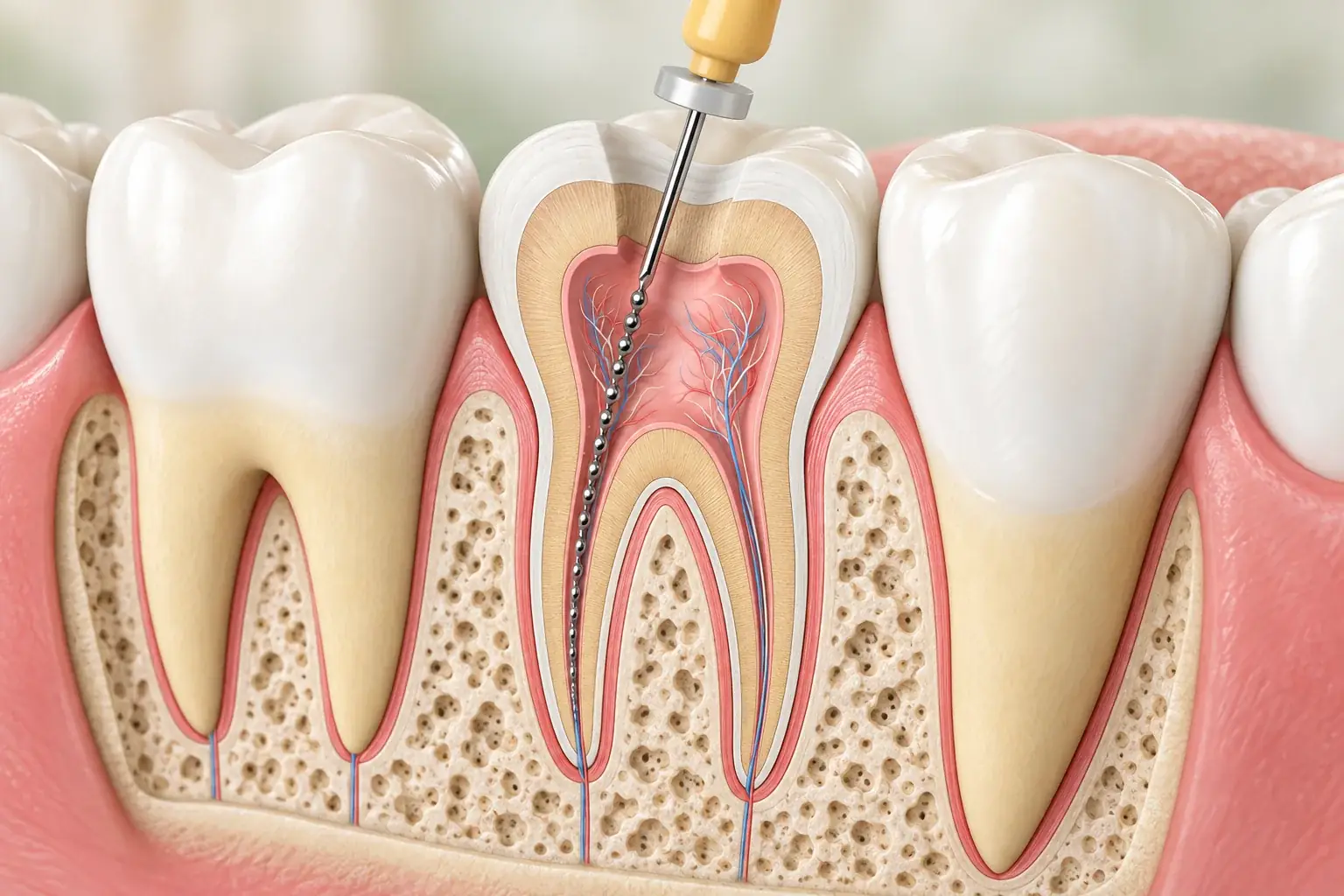
That is the classic form of sensitivity, and it is usually fixable without drilling. The other kind of sensitivity comes from inside: a nerve that is inflamed by deep decay, a crack or trauma. That pain tends to be slower, deeper and longer-lasting, and it points to a tooth that needs treatment rather than toothpaste.
Common causes
Several things can open the door to the nerve, and more than one can be present at once.
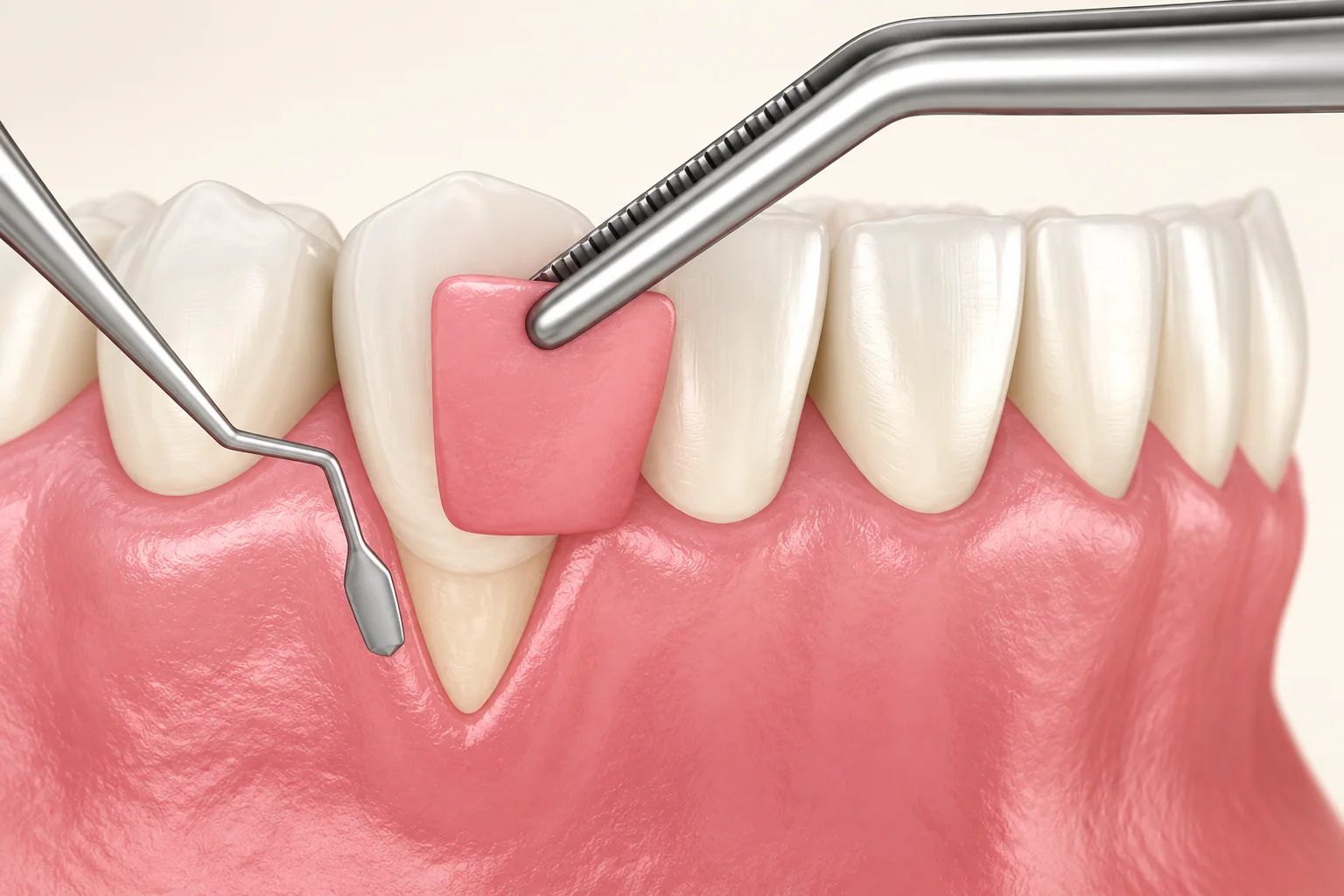
- Gum recession. As gums pull back, root surfaces appear. Roots have no enamel, only a thin covering that wears quickly. Gum recession is the most common cause of cold sensitivity along the gumline, often on several teeth at once.
- Brushing too hard or with an abrasive paste. Scrubbing with a stiff brush or a gritty whitening paste wears notches into the roots and thins enamel near the gumline.
- Acid erosion. Sodas, sports and energy drinks, citrus, wine, vinegar-based foods and stomach acid from reflux dissolve enamel. Sensitivity across many teeth, especially the inside surfaces of the upper front teeth, often points here.
- Grinding and clenching. Bruxism flattens chewing surfaces, flexes teeth at the gumline until enamel chips away, and can leave teeth generally sore and sensitive, especially in the morning.
- Decay. A cavity that has reached dentin is often sweet-sensitive first, then cold-sensitive. Decay creeping in under an old filling or crown is a frequent hidden cause.
- A cracked tooth. Cracks let fluid and bacteria reach the nerve. The telltale sign is a sharp pain when biting down or, more often, when releasing the bite, usually on a single back tooth and often one with a large filling.
- A leaking or failing filling. Old fillings shrink and pull away from the tooth at their edges. Our guide to whether old dental work needs replacing covers the signs.
- Recent dental work. A new filling or crown can be cold-sensitive for a few weeks while the nerve settles. This usually fades; sensitivity that worsens or lasts months should be checked.
- Whitening. Bleaching temporarily opens the dentin tubes. Most people's sensitivity settles within days of stopping.
What the pattern of your pain suggests
The way sensitivity behaves is a strong clue. Note which of these fits you best.
| What you notice | What it often means | Urgency |
|---|---|---|
| Sharp zing with cold or sweet that stops within seconds | Exposed dentin from recession, wear or erosion | Routine visit; home measures often help |
| Cold or hot pain that lingers for a minute or more after the trigger is gone | Inflamed nerve; decay, crack or a failing filling | Soon; this usually needs treatment |
| Sharp pain on biting or when letting go of a bite, one tooth | Cracked tooth or a loose filling | Soon; cracks can spread |
| Pain that starts on its own, wakes you at night or throbs | Nerve is dying or infected | Promptly; see the toothache guide |
| Sensitivity across many teeth, especially after acidic drinks | Acid erosion or over-brushing | Routine visit; change habits now |
| Teeth sore and sensitive in the morning, jaw tired | Grinding or clenching | Routine visit; ask about a night guard |
If your symptoms match the lower rows, read our toothache guide and call us rather than waiting for a scheduled cleaning.
What you can do at home
For simple dentin sensitivity, a few changes make a real difference, usually within two to four weeks.
- Use a desensitizing toothpaste containing potassium nitrate or stannous fluoride, twice daily, every day. These work by calming the nerve or plugging the tubes, and they need consistent use. Rubbing a little onto the sensitive spot at night and leaving it there helps.
- Switch to a soft brush and hold it with a light grip, angled toward the gumline, using small strokes instead of scrubbing. Electric brushes with a pressure sensor help people who cannot stop pressing hard.
- Skip the gritty whitening pastes while teeth are sensitive.
- Cut back on acid, and when you do have something acidic, rinse with water afterward and wait about thirty minutes before brushing, because enamel is softened right after acid and brushes away more easily.
- Use fluoride. A prescription high-fluoride toothpaste or an in-office fluoride treatment hardens exposed root surfaces and reduces sensitivity.
These measures do not fix a crack, a cavity or a leaking filling, and they will not quiet a nerve that is inflamed from inside. If a home product has not helped after a month, the answer is an exam, not a stronger product.
How sensitivity is treated in the office
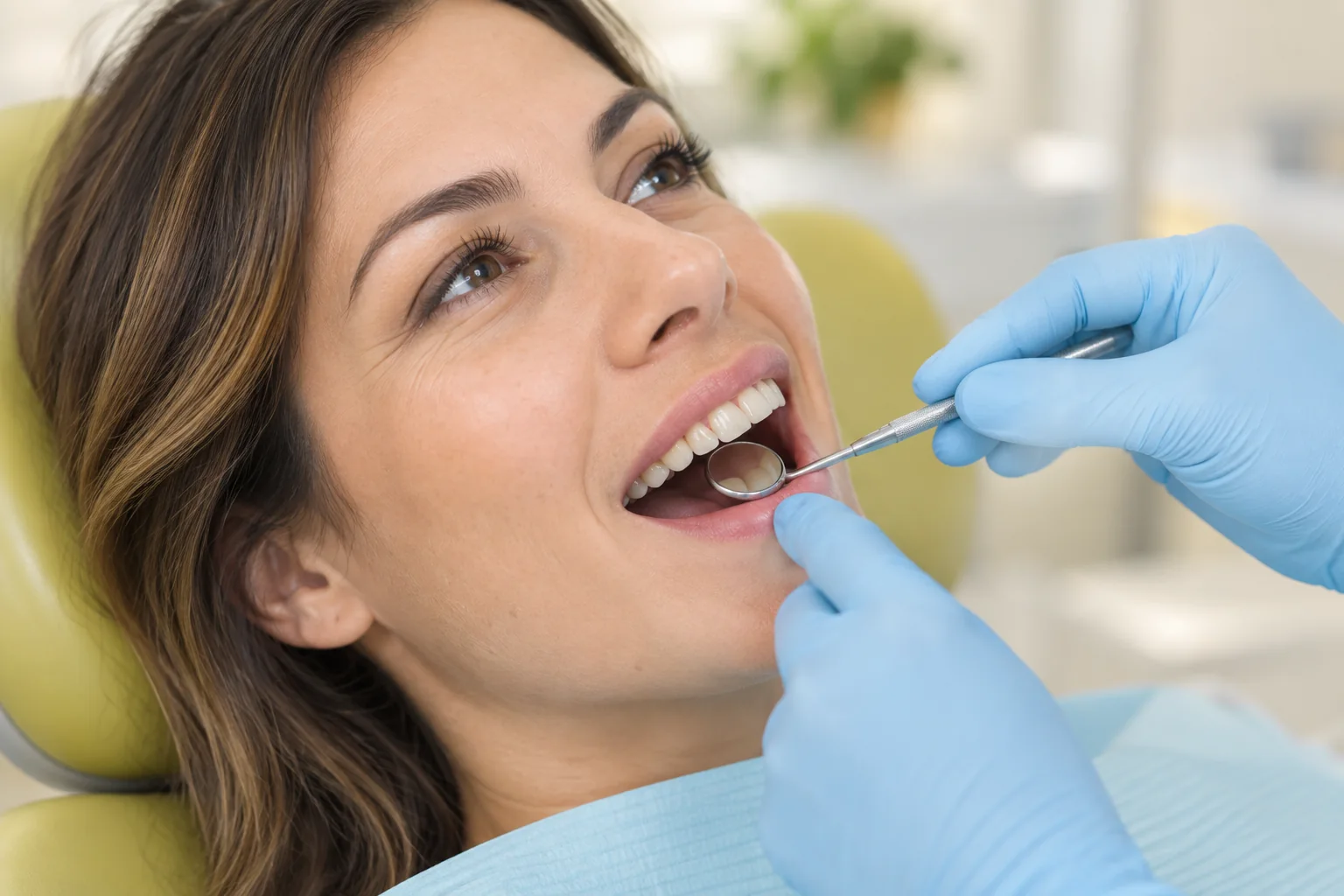
Treatment follows the cause, which is why the exam comes first. We check the pattern you describe, look at each tooth and filling, measure the gums, test how the tooth responds to cold and to biting on a small plastic instrument, and may take an X-ray to look under old fillings and at the roots.
Depending on what we find, options range from the very simple to the more involved:
- Fluoride varnish or a desensitizing agent painted onto exposed roots, often repeated at cleanings.
- Bonding a thin layer of tooth-colored material over a worn notch or exposed root to cover the open dentin.
- A night guard when grinding is driving the wear and soreness; see our night guards page.
- Replacing a leaking filling or repairing a cavity so the nerve is sealed off again.
- A crown to hold together a cracked tooth before the crack reaches the nerve.
- Gum grafting to re-cover badly exposed roots when recession is advanced, which also protects the root from further wear.
- Root canal treatment when the nerve itself is inflamed or dying; our root canal pages explain when this is and is not needed.
Not every sensitive tooth needs a crown or a root canal; most do not. Sorting this out is everyday general dentistry, and one of the most common reasons people visit our Cleburne office.
Signs to report promptly
Call us soon, rather than at your next routine visit, if you notice:
- pain that starts on its own without a trigger, or wakes you at night
- pain that lingers for a minute or more after cold or heat
- sharp pain when biting or releasing a bite
- swelling of the gum or face, a pimple-like bump on the gum, or a bad taste
- sensitivity after a blow or injury, or that is clearly worsening
During office hours, call (817) 641-6261. If you have facial swelling that is spreading, fever, or any difficulty breathing or swallowing, go to an emergency room or call 911 rather than waiting for a dental visit.
Sources and further reading
- ADA MouthHealthy: Sensitive teeth
- American Association of Endodontists: Cracked teeth
- ADA: Home oral care
General information, not a diagnosis. Read how we create and review our dental guides.