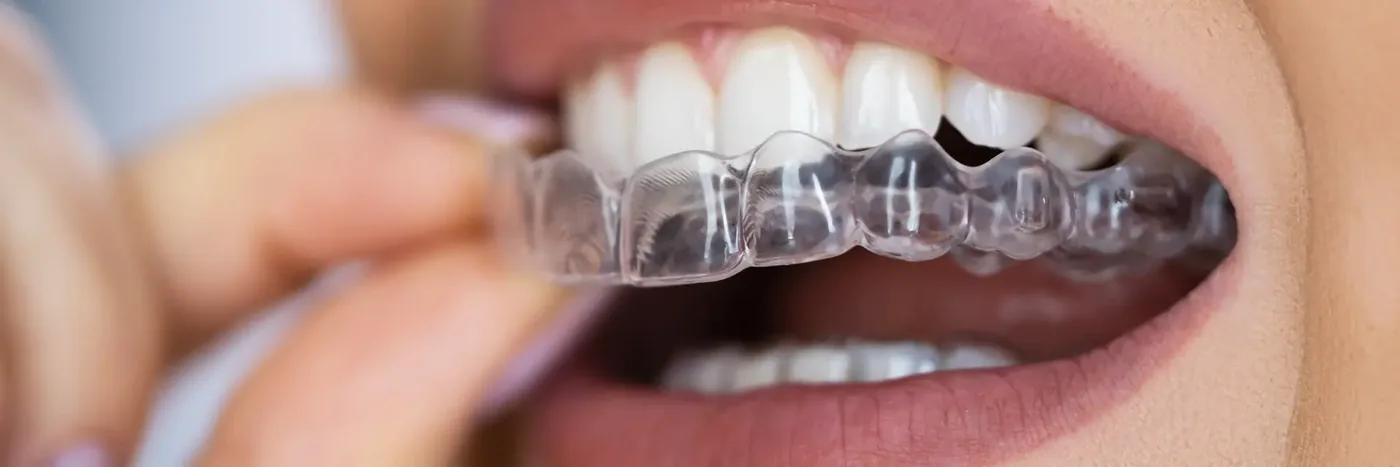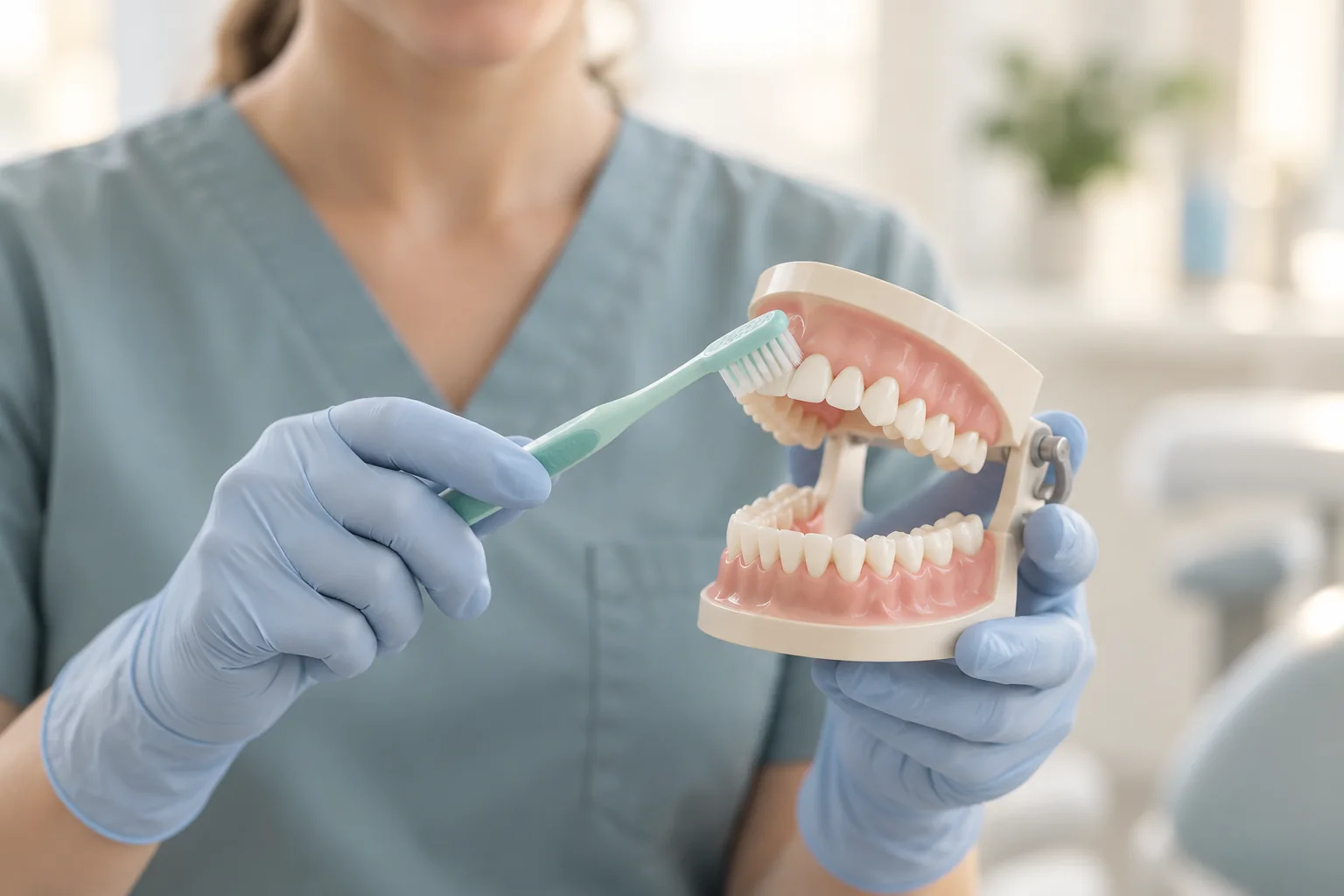

If your teeth have shifted since you finished braces or aligners, you are in good company. Some movement after orthodontic treatment is normal, and the lower front teeth in particular tend to crowd over the years in almost everyone. It can still be frustrating, especially when you remember the time and money the original treatment took.
The useful first step is not to reach for an old retainer or an online aligner kit. It is to understand what has changed. Has one tooth rotated? Have the front teeth crowded gently? Has the bite itself shifted? Is a tooth loose? Each of those points to a different cause and a different response, and only some of them are "ordinary relapse."
This page explains why teeth move after treatment, what an assessment looks at, how to tell drift from something more urgent, and how to decide between holding what you have and correcting what has moved. It is part of our orthodontics service at Cleburne Dental, and it pairs with our page on retainers.
Why teeth move after treatment
Several forces act on teeth once the appliance is gone:
- Fiber memory. The elastic fibers in the gum around a moved tooth take a year or more to fully reorganize. Until then they pull the tooth back toward its original position, which is why wear in the first year matters so much.
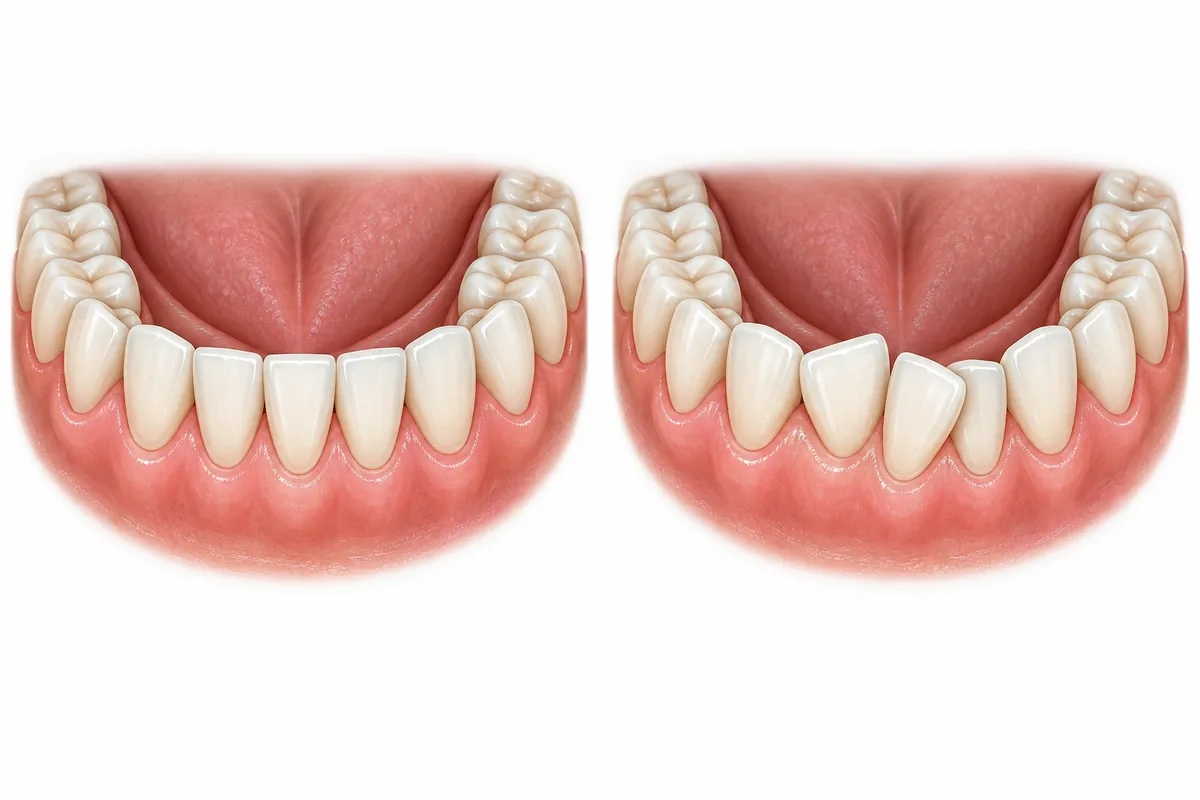
- Natural aging. Jaws keep changing subtly through adulthood. The lower arch tends to narrow slightly, and the lower front teeth crowd. This happens to people who never had braces too.
- Retainer lapses. A retainer lost at college, worn out and never replaced, or quietly abandoned after a few years lets the first two forces win.
- Gum and bone changes. Gum disease loosens the support around teeth and lets them drift, flare or develop gaps. This kind of movement is a health problem first and an alignment problem second.
- Habits and forces. Clenching, grinding, tongue thrusting and even a missing back tooth that lets neighbors tip can all shift the front teeth over time.
- Wisdom teeth. Often blamed, rarely the main cause; the evidence that erupting wisdom teeth push front teeth together is weak. Crowding tends to happen at the same age whether or not wisdom teeth are present.
Drift or something more?
Most relapse is slow and causes no pain: a front tooth turning a little, the lower incisors overlapping, a small gap opening. That is worth a visit, but it is not urgent.
Some changes are different. Arrange a prompt assessment if you notice:
- A tooth that feels loose or moves when you press it.
- Movement that has happened quickly, over weeks rather than years.
- Gaps opening between teeth that used to touch, especially with bleeding or receding gums.
- Teeth that are sore to bite on, or a bite that suddenly feels different.
- A fixed retainer wire that has detached and left one tooth turning.
These point toward gum disease, a bite problem, trauma or a failing retainer rather than ordinary drift. In the case of gum disease, moving the tooth back is not the priority; stabilizing the gums and bone is.
What the assessment looks at
When you come in, Dr. Zohdi will look beyond the tooth that bothers you. The assessment typically covers:
- The pattern of movement. Which teeth have moved, in which direction, and whether the change is confined to the front or involves the bite.
- Gum and bone health. Probing depths, bleeding, recession and X-rays where needed, because moving teeth through unhealthy tissue is not an option.
- The bite. Whether the back teeth still meet well, and whether the change in the front is a symptom of a change behind it.
- Your retainer. Whether it still fits, where it binds, whether a fixed wire is intact.
- Your history. When treatment ended, what retainers you were given, how long you wore them and why you stopped.
Bring any old retainers and whatever treatment records you have. Photographs or models from the end of your original treatment are especially useful because they show exactly how far things have moved.
Decide what you want now
Before weighing options, be clear about your own goal. There are three honest answers:
- "I can live with this; I just don't want it to get worse." The plan is a new retainer that fits your current positions, plus a wear schedule you will actually follow.
- "I want the front teeth back where they were." A limited course of treatment, often a few months of clear aligners or short-term braces, followed by new retainers.
- "My bite has changed and it is affecting how I chew or how my teeth wear." A broader plan, and for adults one that accounts for crowns, implants and gum support; see braces for adults.
Changes that look minor from the front can involve more than the front teeth. Before agreeing to a quick cosmetic fix, ask how it affects the rest of the bite, and whether straightening six teeth in isolation will stay stable.
Comparing the approaches
| New retainer only | Limited retreatment | Comprehensive retreatment | |
|---|---|---|---|
| Goal | Hold current position | Realign the front teeth | Correct alignment and bite |
| Time in treatment | None | A few months, typically | Longer; varies by case |
| Appliance | Clear tray, plate or fixed wire | Usually aligners, sometimes braces | Aligners, braces or both |
| Afterwards | Ongoing retainer wear | New retainers, lifelong | New retainers, lifelong |
| Best when | Movement is mild and you accept it | Front teeth have drifted, bite is sound | Bite has changed or restorative work is planned |
Whichever path you choose, the conversation should include why the old retention routine failed. If you lost a tray, a fixed wire may suit you better. If you stopped wearing a plate because it was uncomfortable, a clear tray may be the answer. A new plan that repeats the old problem will end the same way.
What not to do
- Do not force an old retainer in. If it does not seat, it is applying uncontrolled force to teeth that have moved, and it may crack or move the wrong tooth.
- Do not bend a fixed wire following online instructions. A bent wire can rotate or tip a tooth in days.
- Do not order mail-order aligners to fix relapse without an examination. Moving teeth without checking gum and bone health is how a cosmetic concern becomes a periodontal one.
- Do not wait a year to see if it settles. Teeth do not move back on their own, and every month of movement is a month more to correct.
Cost considerations
A replacement retainer is a modest cost compared with any retreatment. Limited retreatment is usually priced as a shorter, defined course and should include new retainers at the end. Comprehensive retreatment is quoted like any full orthodontic case. If your original treatment was here, ask whether any retention arrangement from that plan still applies. Our orthodontic cost guide explains what to ask about any estimate.
Sources and further reading
- American Association of Orthodontists: Retainers
- American Association of Orthodontists: Adult treatment questions
General information, not a diagnosis. Read how we create and review our dental guides.