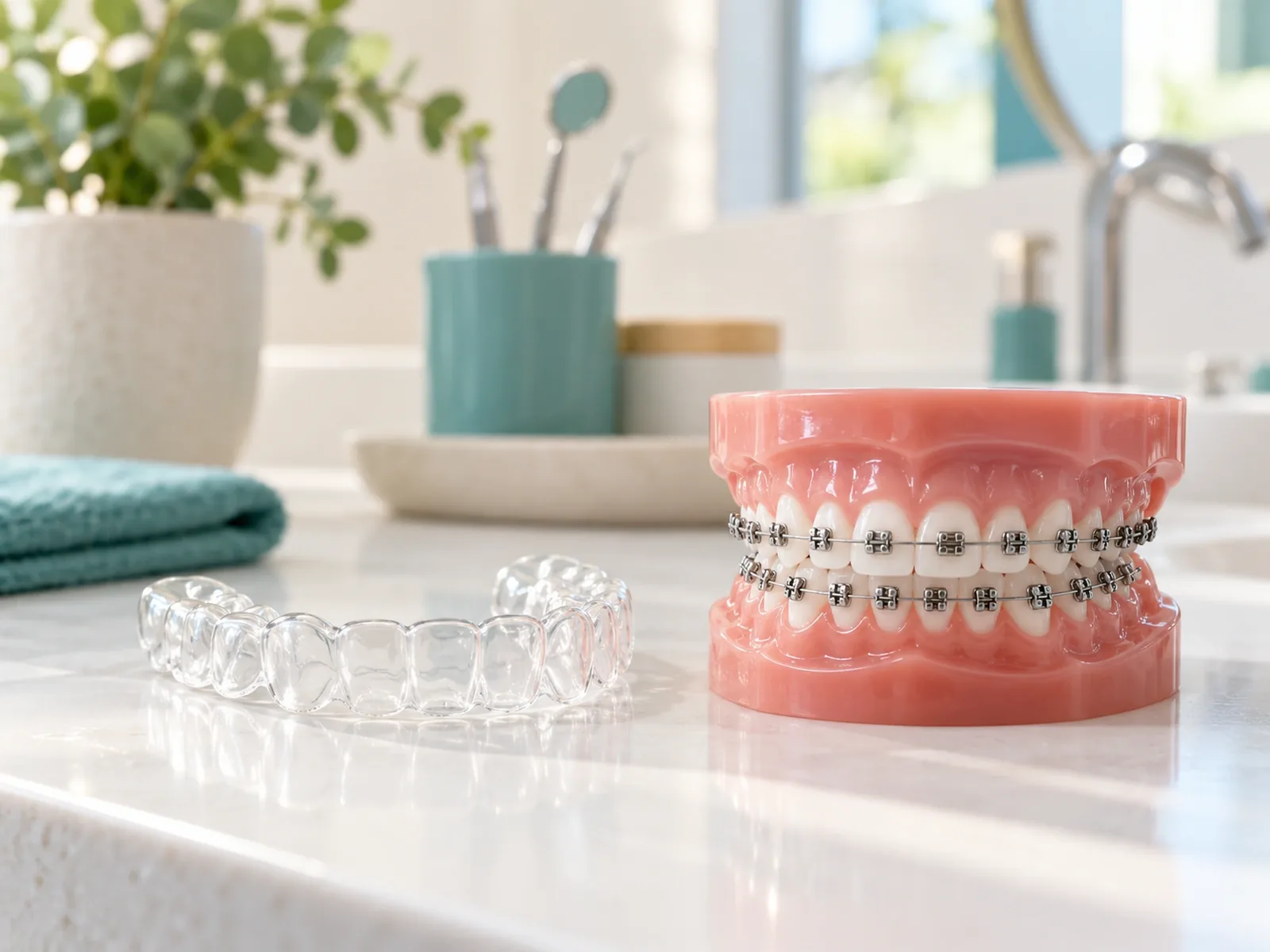
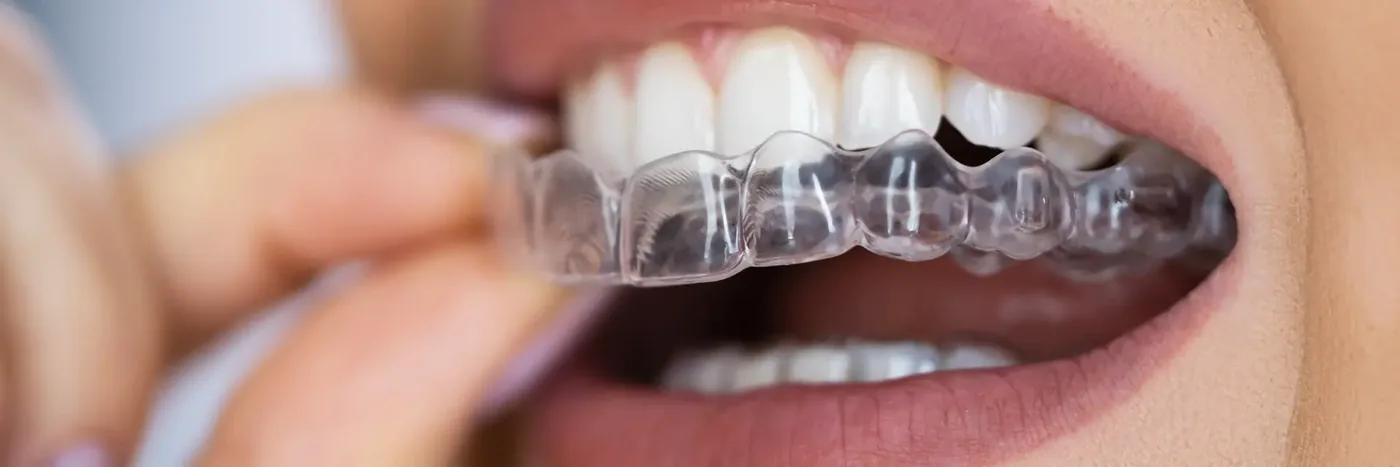
Clear aligners are a series of thin, transparent plastic trays made from a scan of your teeth. Each tray is shaped slightly differently from the one before it. Worn in order, they move the teeth a small step at a time toward the planned result. Invisalign is the best-known brand; SureSmile is another. They are different manufacturers of the same kind of treatment, not different biological processes, and the brand name alone does not decide whether aligners are right for your bite.
Aligners appeal to adults and teens because they are hard to notice, come out for meals and make brushing easy. What makes them succeed or fail is not the plastic. It is whether the movements your teeth need are ones trays can deliver predictably, whether your mouth is healthy enough to move teeth, and whether you will keep the trays in for the hours required every day.
This page covers all three, plus the step-by-step process we use at Cleburne Dental and the practical questions patients ask most. It is part of our orthodontics service; if you are weighing trays against brackets, our braces versus aligners comparison sets the two side by side.
What aligners can treat
Aligners handle a wide range of common concerns:
- Gaps between teeth, whether from genetics, small teeth or a missing tooth. Spaces are closed gradually; a very large space may be better held open for an implant, which is a planning decision.
- Crowded or uneven teeth that overlap, trap food and wear unevenly against each other.
- Overlapping front teeth, which are hard to floss and more prone to decay and gum inflammation.
- Mild to moderate bite problems, including some overbites (upper teeth too far in front of the lower) and underbites (lower teeth in front of the upper), often with the help of elastics.
Severe crowding, large rotations of round teeth such as canines, teeth that must move a long way up or down, and significant jaw-size differences are less predictable with trays. In those cases Dr. Zohdi may recommend braces, a short period of braces followed by aligners, or, for true jaw discrepancies, an orthodontist’s opinion. A plan that frames aligners as universally easier is not a complete plan.
What aligner treatment usually involves
The trays are only part of it. Most plans also use:
- Attachments: small tooth-colored bumps of filling material bonded to selected teeth. They give the tray something to push against for rotations and vertical movements. They are removed at the end.
- Elastics: rubber bands hooked between the upper and lower trays or to small buttons, used to correct bite relationships.
- Interproximal reduction: polishing a fraction of a millimeter of enamel from between crowded teeth to create room. It is conservative and comfortable for most people, but you should know if it is planned.
- Refinements: a second set of trays made from a new scan partway through, because teeth rarely follow the digital plan exactly.
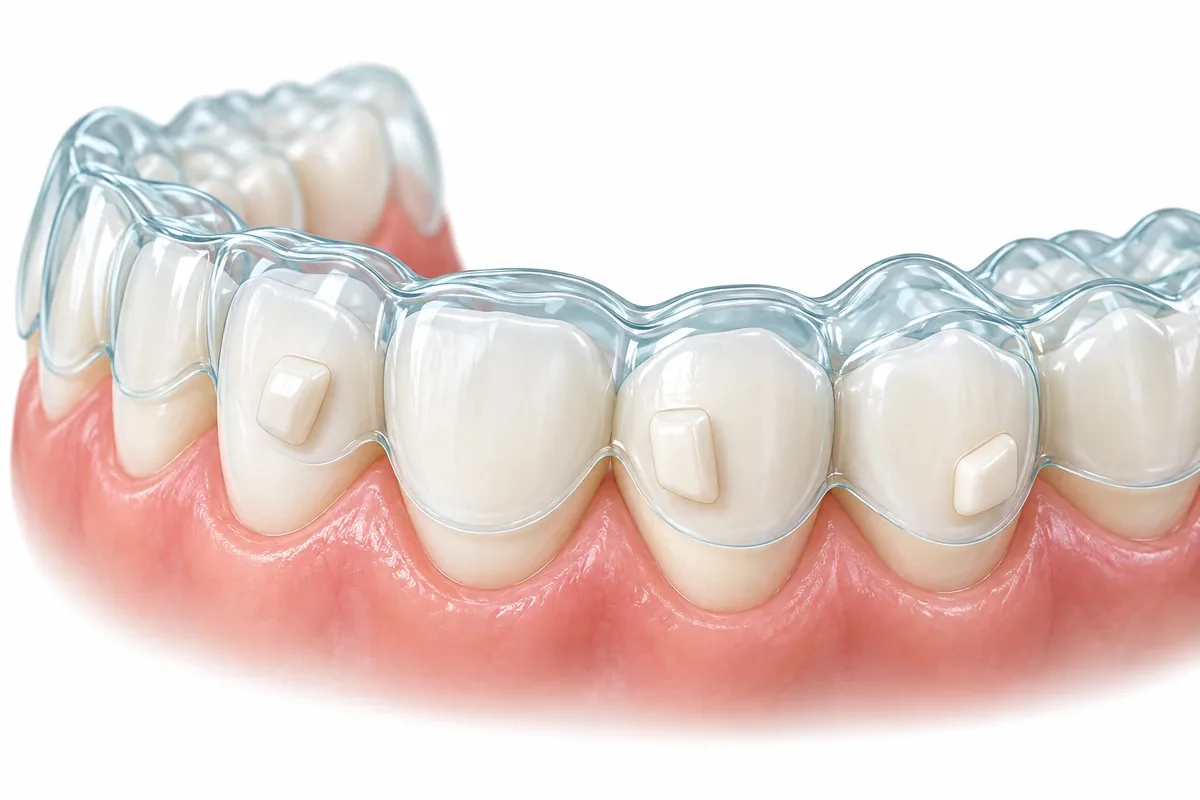
The digital preview you see at the start is a planning tool. It shows the intended end point, not a promise that every tooth will land there without monitoring and adjustment.
The process, step by step
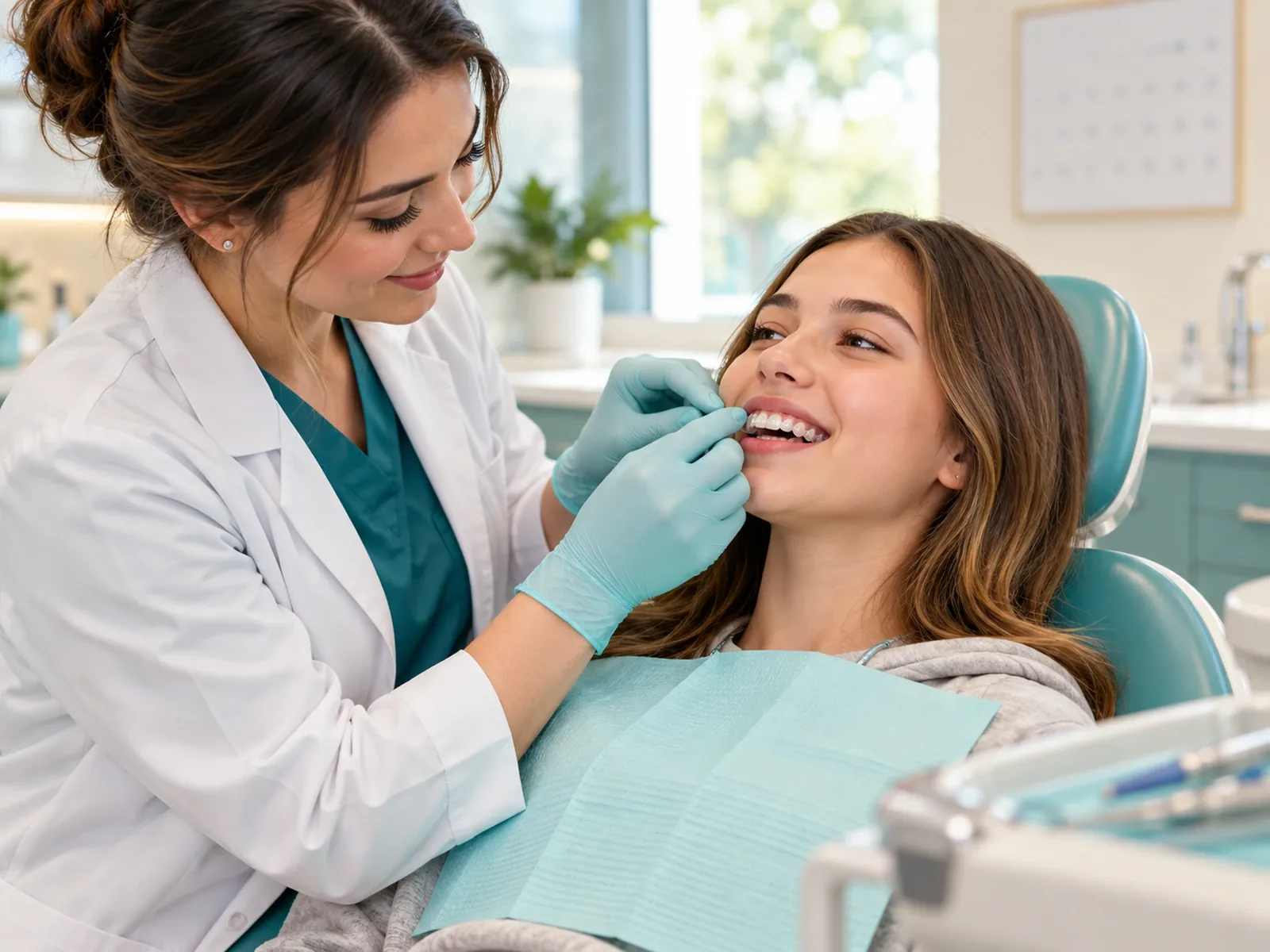
- Consultation. We examine your teeth, gums and bite, talk through what you want to change and tell you honestly whether aligners can get there.
- Digital scan and planning. A digital scanner captures a 3D model of your teeth (no trays of impression material). From that model a treatment plan is designed showing each stage of movement, which you review before anything is made.
- Fabrication. Your custom trays are made by a specialized lab from durable medical-grade plastic.
- Wearing the trays. You wear each tray for about two weeks, then move to the next, keeping them in roughly 20 to 22 hours a day. Dr. Zohdi will tell you the exact wear schedule for your case. Check-ins at intervals confirm the teeth are tracking and catch problems early.
- Finishing and retention. When the planned positions are reached, attachments are polished off and retainers are made to hold the result.

Living with aligners
Wear time is everything. Trays only move teeth while they are on them. Out for meals and brushing is fine; out for an afternoon of errands is not. If a tray feels tight when you put it back in, that is the teeth beginning to drift, and a day of lost wear can cost more than a day.
Food and drink. There are no food restrictions, because the trays come out to eat. The one firm rule: only plain water while trays are in. Coffee, tea, soda and juice stain the plastic and, more importantly, pool against the enamel for hours, which is how cavities start under aligners. Brush, or at least rinse thoroughly, before putting trays back in.
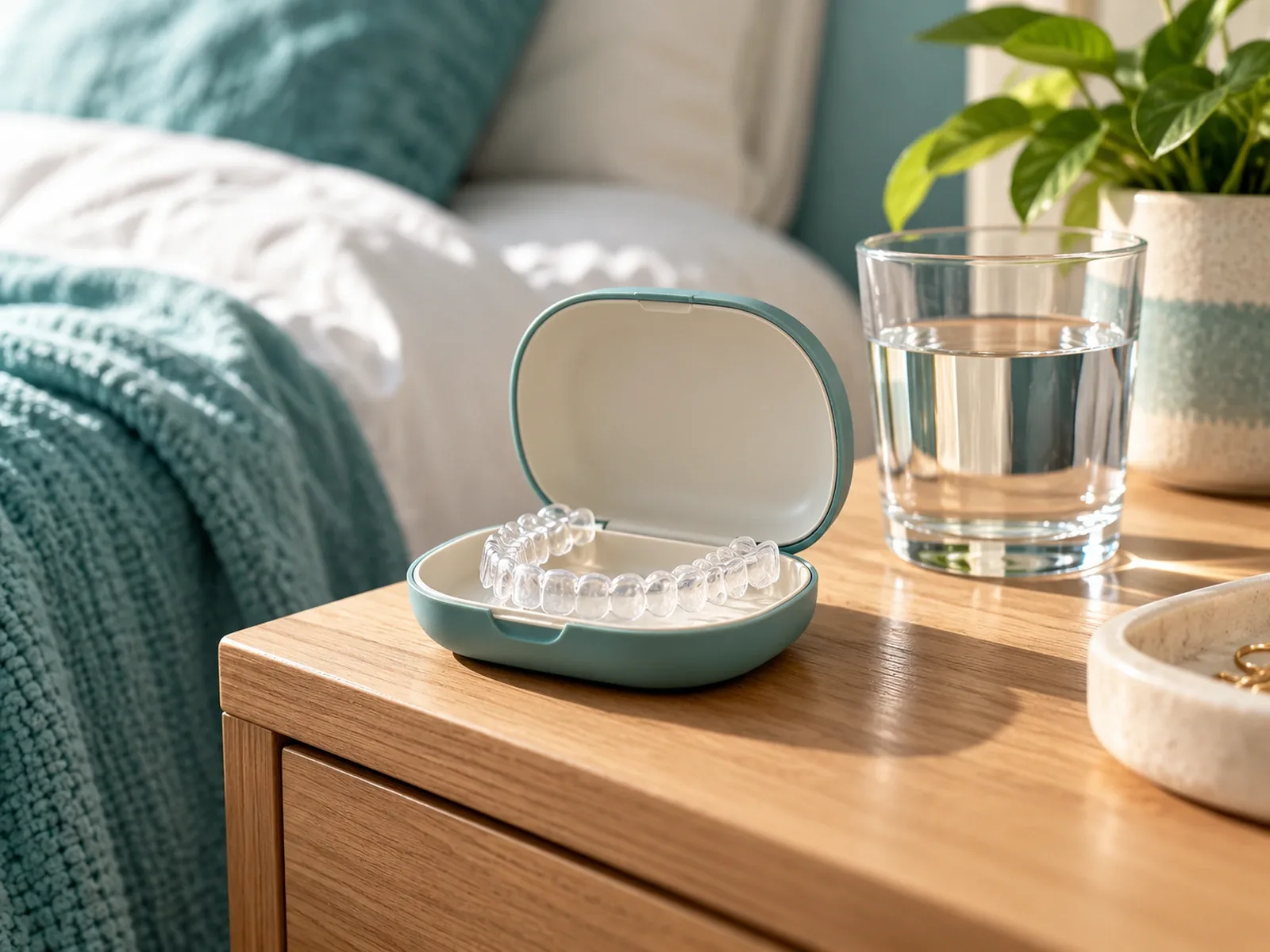
Cleaning the trays. Rinse them each time they come out, brush them gently with a soft brush and cool water, and keep them in their case when not in your mouth. Never leave them in hot water or a hot car; heat warps them. A tray wrapped in a napkin at a restaurant is the most common way one gets thrown away.
Sports. Trays can stay in for low-contact activity such as running or basketball. For contact sports such as football, swap them for a proper sports mouthguard and put the trays back in afterwards. If you take a blow to the mouth during treatment, let us know promptly.
Speech. A slight lisp for the first few days is normal and fades as your tongue adjusts.
Soreness and when to call
New trays often feel tight and the teeth may be tender for a day or two. That is pressure doing its job. To ease it: switch to a new tray at bedtime, drink cold water, use an over-the-counter pain reliever if you normally would, and keep the trays in, because taking them out makes the next insertion harder. Rough edges can be smoothed with a nail file or by the office.
Call us during office hours if a tray cracks, stops fitting, an attachment comes off, or you have pain that is sharp, one-sided or worsening rather than fading. Do not jump ahead to the next tray or stretch the schedule on your own; both can undo progress.
Aligners for teens and children
Aligners work for younger patients when the permanent teeth are in and the patient is motivated. The old guidance from this office was that most young patients start between about ten and fourteen, once the adult teeth have come through, and that a dentist can pinpoint the best window during routine check-ups. Some systems include small wear indicators that fade with use so parents can see the trays are being worn. For younger children with growth-related bite problems, an early orthodontic evaluation is the right starting point rather than aligners.
Risks and limits
Aligners share the risks of all orthodontic treatment: gum irritation, slight root shortening, and relapse without retainers. Two risks are specific to trays: decay from sugary drinks trapped under the plastic, and movements that do not track, which lead to refinements and longer treatment. Both are largely in your hands.
Treatment time and cost
On the previous version of this site we described aligner treatment as taking about six months on average, with a range from six months to two years. The range is the honest part: a few crowded front teeth may finish in months, while a bite correction takes far longer. Our page on orthodontic treatment time explains what shortens or lengthens a case.
An aligner estimate should spell out whether records, refinements, attachments, check-ins and retainers are included. See our orthodontic cost guide for the questions to ask. We have offered monthly payment arrangements through third-party healthcare financing such as CareCredit and Wells Fargo Health Advantage; current options are described on our payment and financing page.
Sources and further reading
General information, not a diagnosis. Read how we create and review our dental guides.