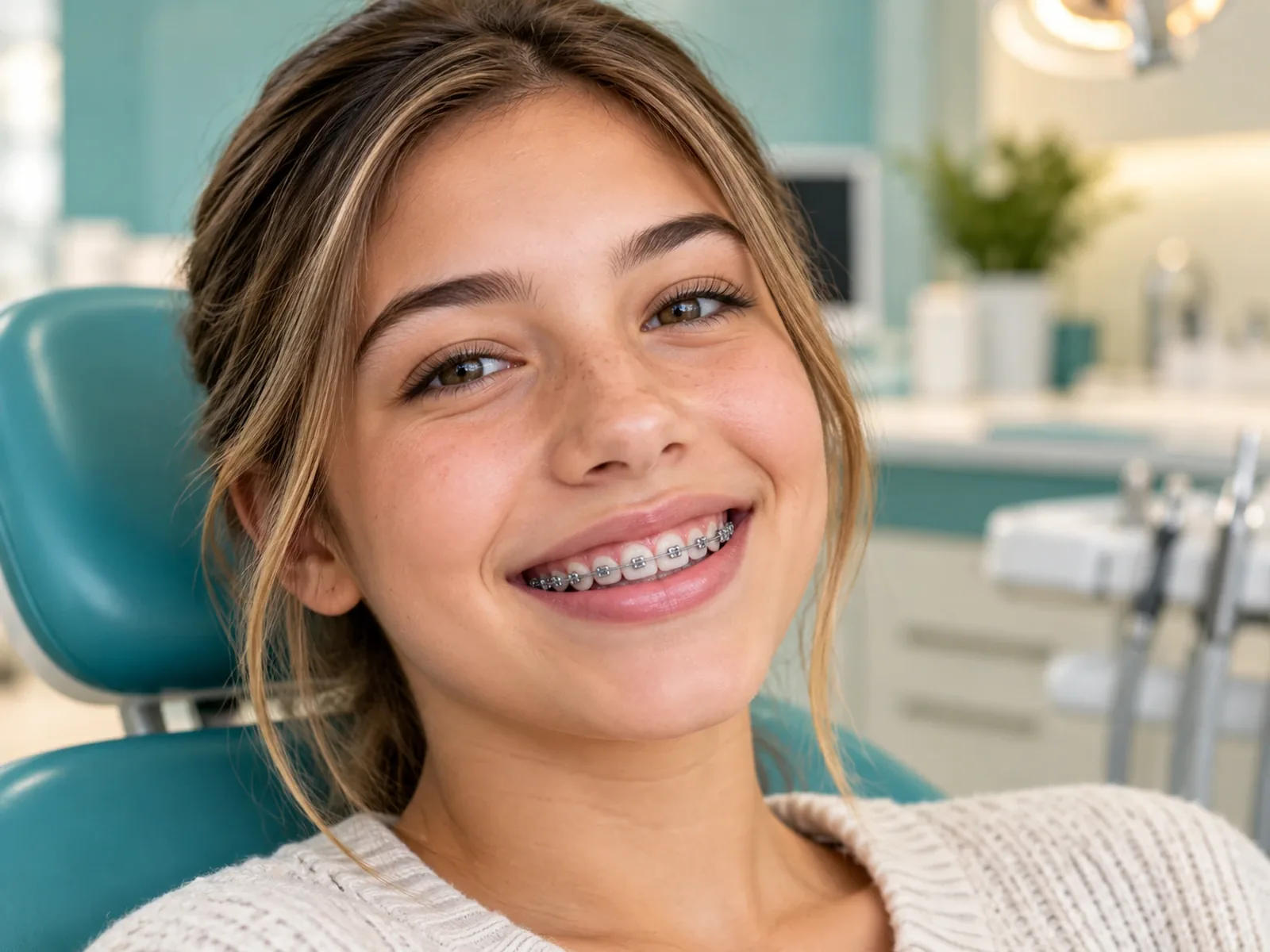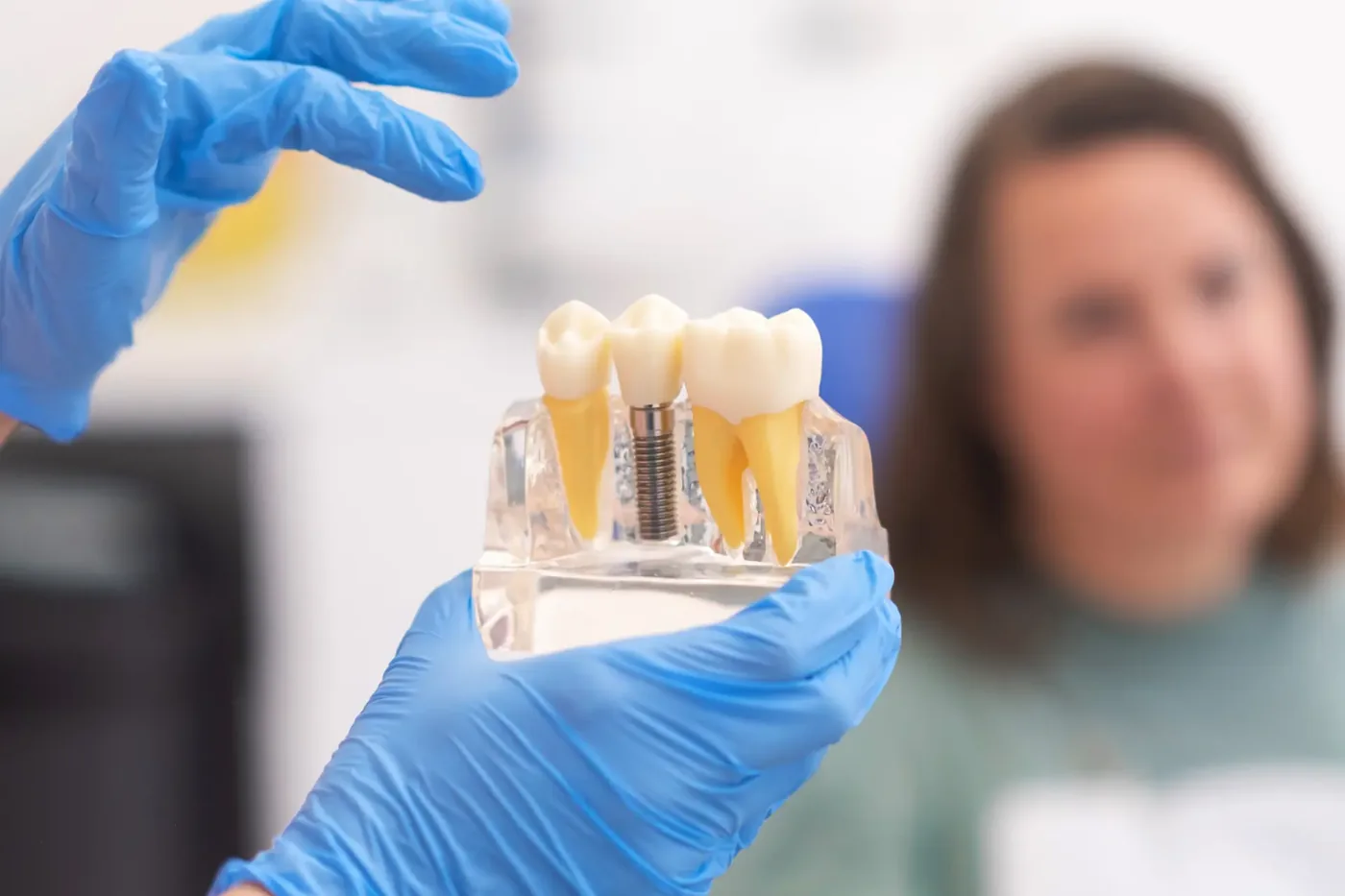

Adults can and do wear braces. Some never had orthodontic treatment as children; others had it and watched their teeth drift over the years. What makes adult treatment different is not age. It is that an adult mouth usually has history: a crown or two, maybe a bridge, a missing molar, some gum recession, worn edges on the front teeth. Each of those changes how tooth movement is planned.
The goal of adult orthodontics should be a result that works for the whole mouth, not simply a straight row of front teeth. That means looking at the gums and bone that hold the teeth, deciding what to do about existing dental work, and being clear from the beginning about whether you want a limited change or a complete bite correction.
This page explains how Dr. Zohdi approaches those decisions at Cleburne Dental, so you can arrive at a consultation knowing which questions to ask. It builds on the basics covered in our orthodontics overview and on the mechanics described on the traditional braces page.
Why adults consider braces
The reasons adults seek orthodontic treatment are broader than appearance, although appearance is a perfectly good reason:
- Crowding that has worsened with age and makes flossing difficult.
- Front teeth that have drifted or flared after an earlier course of braces.
- A tooth that has tipped into the space left by a missing neighbor, blocking a future implant or bridge.
- Uneven wear or chipping caused by teeth meeting at the wrong angle.
- Preparation for crowns, veneers or implants that need the teeth in better positions first.
The last two points matter most for planning. Often orthodontics for adults is one step in a larger sequence rather than a standalone treatment.
Start with the foundation: gums and bone
Teeth move through bone. For that to happen safely, the gums and bone around the teeth need to be healthy. Before braces are placed, Dr. Zohdi checks for:
- Active gum disease. Moving teeth through inflamed, infected tissue speeds up bone loss. Gum disease is treated and stabilized first, which may mean periodontal care and a period of maintenance before any brackets go on.
- Bone levels. Adults who have had gum disease may have less bone around some teeth. Those teeth can often still be moved, but more slowly and with lighter forces, and the end positions may need to be more conservative.
- Recession. Pushing a tooth outward where the gum is already thin can worsen recession. The plan may keep that tooth within the bone it has or address the gum first.
- Decay and failing fillings. These are fixed before treatment, so nothing has to be interrupted later.
None of this means adults with past gum problems cannot have braces. It means the plan is built on what the tissues can support, and that monitoring during treatment is closer.
Existing dental work changes the sequence
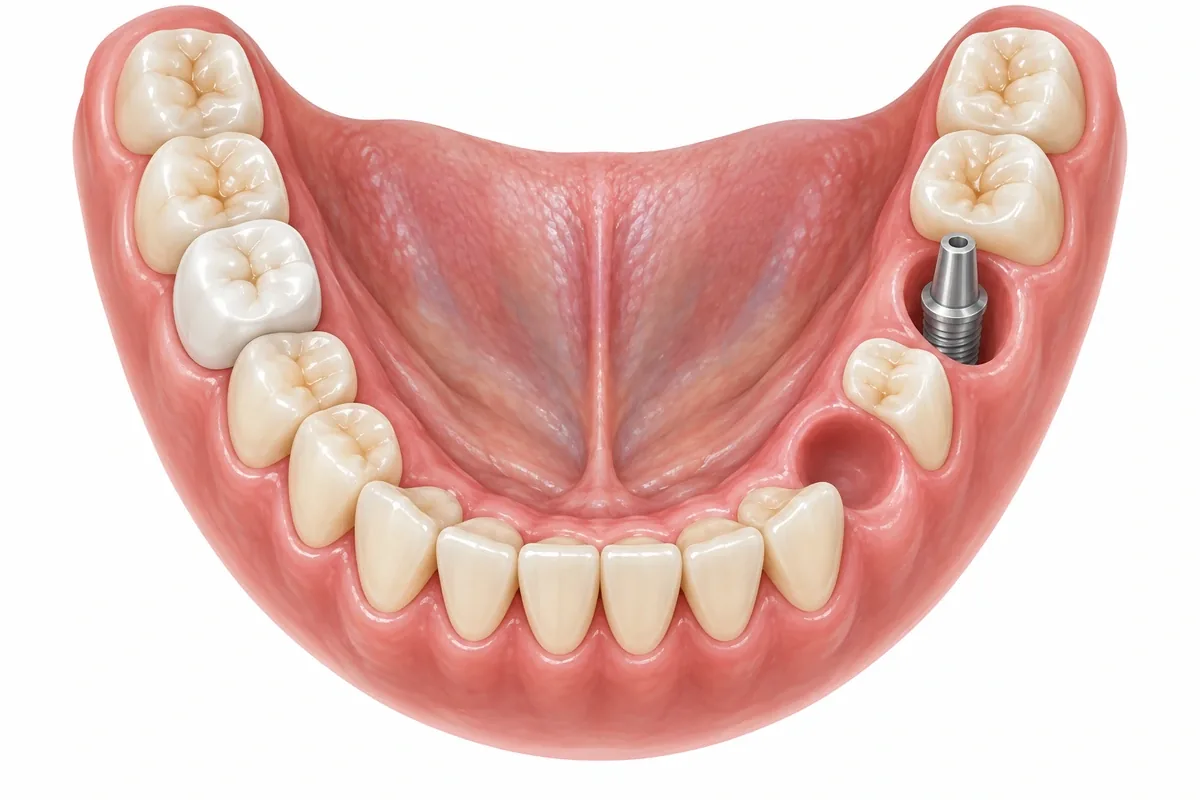
Here is the single most important technical point for adults: natural teeth can be moved, but a dental implant cannot. An implant fuses with the bone and stays where it was placed. That has two consequences.
First, if an implant is already present, it becomes a fixed landmark. The other teeth are moved around it, and the final result has to accept its position.
Second, if an implant is planned, the order matters. In most cases the orthodontic movement happens first, so the implant can be placed in the correct spot once neighboring teeth are where they should be. Placing the implant first can lock in a space that is slightly too wide, too narrow or tipped. If you are considering dental implants and orthodontics, both should be planned together from the start.
Crowns and bridges have their own considerations:
- A crowned natural tooth still has a root and can usually be moved. The bracket is bonded to the crown material with a different adhesive technique, and the crown is checked beforehand for fit and cracks.
- A bridge joins two or more teeth rigidly, so they can only move as a unit. Sometimes a bridge is sectioned or temporarily replaced during treatment.
- Old crowns or veneers that you already plan to replace are best left until after orthodontics, so the new restorations can be shaped to the final tooth positions.
Tell us about every restoration you have, including any you suspect is failing. It changes the plan more than most patients expect.
Limited goals versus comprehensive treatment
Adults are often clear about what bothers them: a crooked front tooth, a gap, a smile that has shifted. A limited or cosmetic orthodontic plan straightens the front teeth over a shorter period and leaves the back teeth and overall bite largely as they are.
A comprehensive plan corrects how all the teeth meet. It takes longer and costs more, but it addresses problems that a front-tooth plan deliberately leaves alone.
Neither is right for everyone. The honest question is: "If we only straighten the front teeth, what stays unresolved, and can I live with that?" Sometimes the answer is yes. Sometimes a limited plan would leave a bite that keeps chipping the very teeth you want to look better. We will tell you which situation you are in.
When orthodontics is part of a wider cosmetic plan involving bonding, veneers or whitening, our page on smile makeover planning explains how those steps are sequenced.
Choosing between braces and aligners as an adult
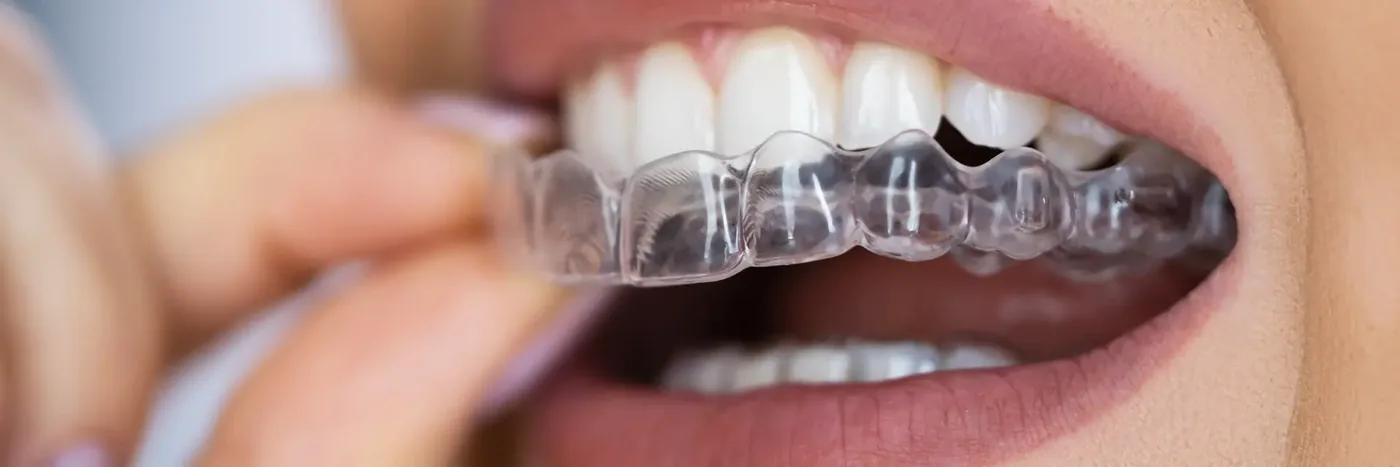
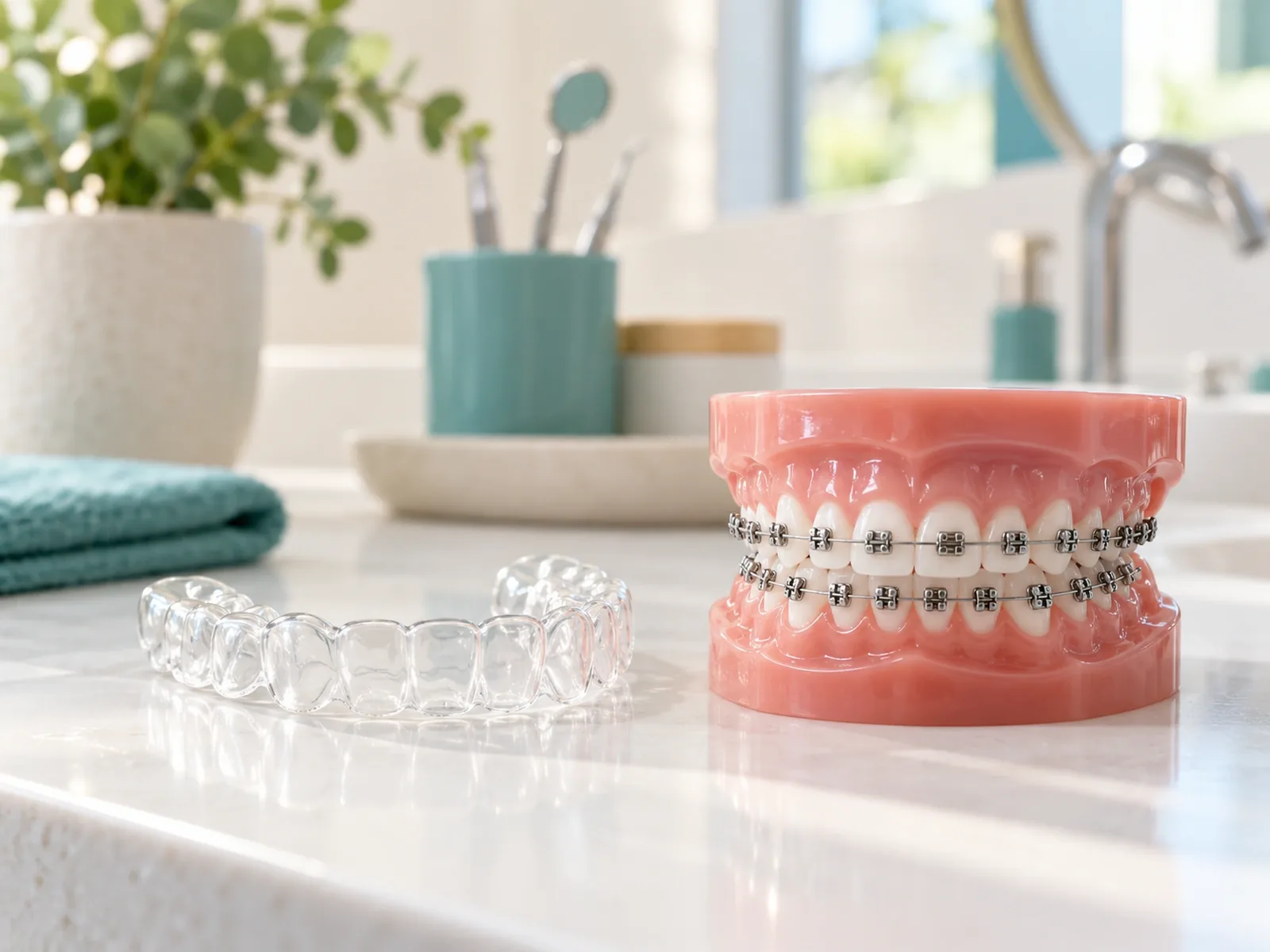
Many adults assume aligners are the obvious choice and braces are for teenagers. In practice the decision follows the same logic at any age: which appliance can achieve the needed movements predictably, and which one fits your daily life. Rotating canines, moving teeth up or down, and some bite corrections are often more controllable with braces. Mild to moderate crowding and spacing frequently suit clear aligners well. Our braces versus aligners guide compares the daily tradeoffs. Ceramic (tooth-colored) brackets are a middle option that many adults choose.
Daily care, maintenance and cost
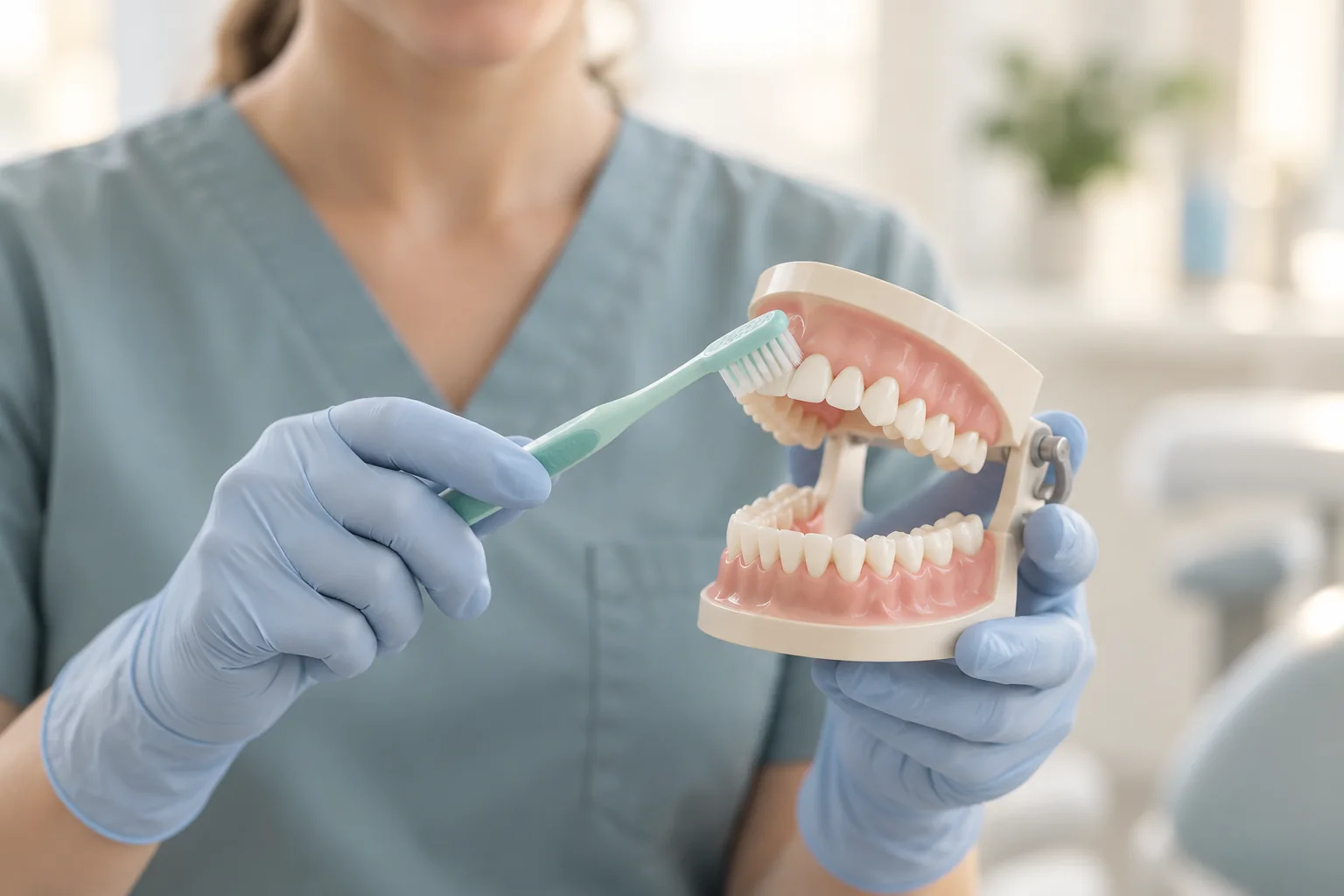
Adults tend to be good at wearing elastics and keeping appointments, and that consistency shows in treatment time. The daily work is the same as for any braces patient: careful brushing around brackets, flossing with a threader and regular cleanings. Adults with a history of gum disease may be asked to come in for cleanings more often during treatment.
If restorative work is planned after the teeth move, it belongs in the overall sequence and the overall estimate. Ask for a plan that shows the orthodontic phase and the restorative phase together, so there are no surprises. Our orthodontic cost guide explains what an estimate should include, and retainers remain a lifelong part of the result even when the goal was modest.
Risks specific to adults
Beyond the usual risks of braces (white spots, gum irritation, mild root shortening), adults should know about:
- Slower movement. Adult bone remodels more slowly, so the same movement takes longer than in a teenager.
- Black triangles. When crowded, overlapping front teeth are straightened in an adult, small gaps can appear near the gumline where the gum has receded. These can often be minimized with careful planning or small reshaping of the teeth.
- Jaw-size limits. Growth is finished, so a true mismatch in jaw size cannot be corrected by moving teeth alone. Camouflaging the bite with tooth movement is often possible; sometimes surgery is the only full correction, and we would say so.
Sources and further reading
General information, not a diagnosis. Read how we create and review our dental guides.