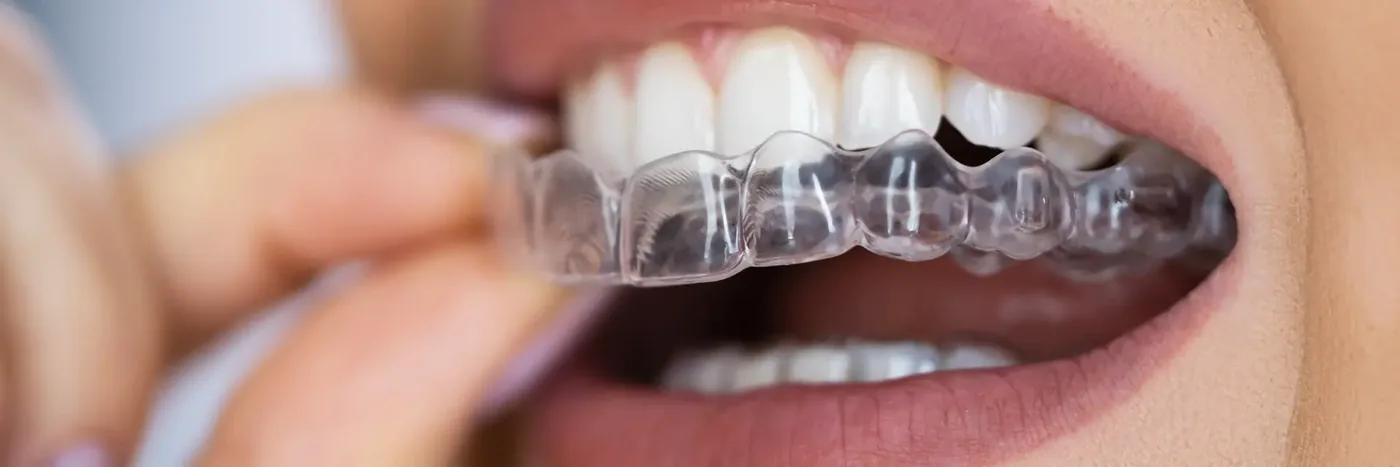
Retainers hold teeth in their new positions after braces or clear aligners have finished moving them. The need is biological, not optional. When a tooth is moved, the bone around it is remodeled and the tiny fibers that anchor it to the gum are stretched. For months afterwards those fibers pull the tooth back toward where it came from, and even after they settle, teeth continue to drift slowly throughout life.
Finishing active treatment, in other words, does not finish the job. The day the brackets come off or the last tray is worn, the teeth look perfect and are at their least stable. A retention plan is what turns a good result into a lasting one.
This page explains the types of retainers, how to look after them, what to do when one is lost, broken or no longer fits, and the practical questions about replacement. It is part of our orthodontics service at Cleburne Dental and applies whether your treatment was with braces or aligners, here or elsewhere.
Why teeth move after treatment
Three things push teeth out of alignment once the appliance is gone:
- Tissue memory. The gum fibers around a rotated or moved tooth take many months to reorganize. Until they do, they act like tiny rubber bands pulling the tooth back.
- Growth and aging. Jaws continue to change subtly into adulthood. The lower front teeth in particular tend to crowd with age, in people who never had orthodontics as well as those who did.
- Everyday forces. The tongue, lips, cheeks, chewing and clenching all apply small pressures that, over years, nudge teeth.
A retainer counters all three. It cannot stop the biology, but it can hold the line.
Fixed and removable retainers
There are two broad families, and many patients end up with one of each.
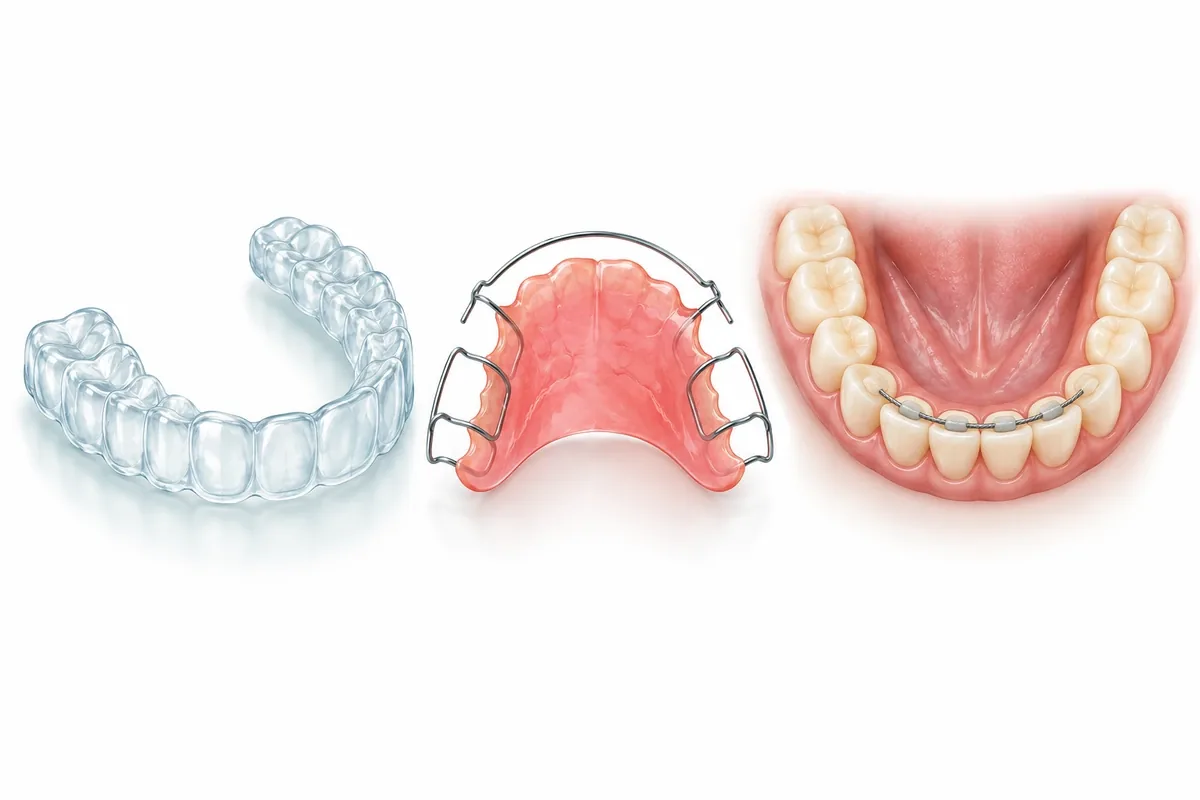
| Removable clear tray | Removable plate (Hawley) | Fixed (bonded) wire | |
|---|---|---|---|
| What it is | Thin transparent tray molded to the teeth | Acrylic plate against the palate with a wire across the front teeth | Slim wire bonded to the back of the front teeth |
| Visibility | Nearly invisible | Wire shows across the front | Invisible from the front |
| Relies on | You wearing it as prescribed | You wearing it as prescribed | Nothing daily; it is always working |
| Main upkeep | Cleaning, storing in case, avoiding heat | Cleaning, storing, avoiding heat | Flossing under the wire with a threader |
| Main risk | Lost, cracked or warped | Lost or bent | Comes unglued from one tooth without you noticing |
| Durability | Wears over a few years | Often lasts many years | Can last many years if cared for |
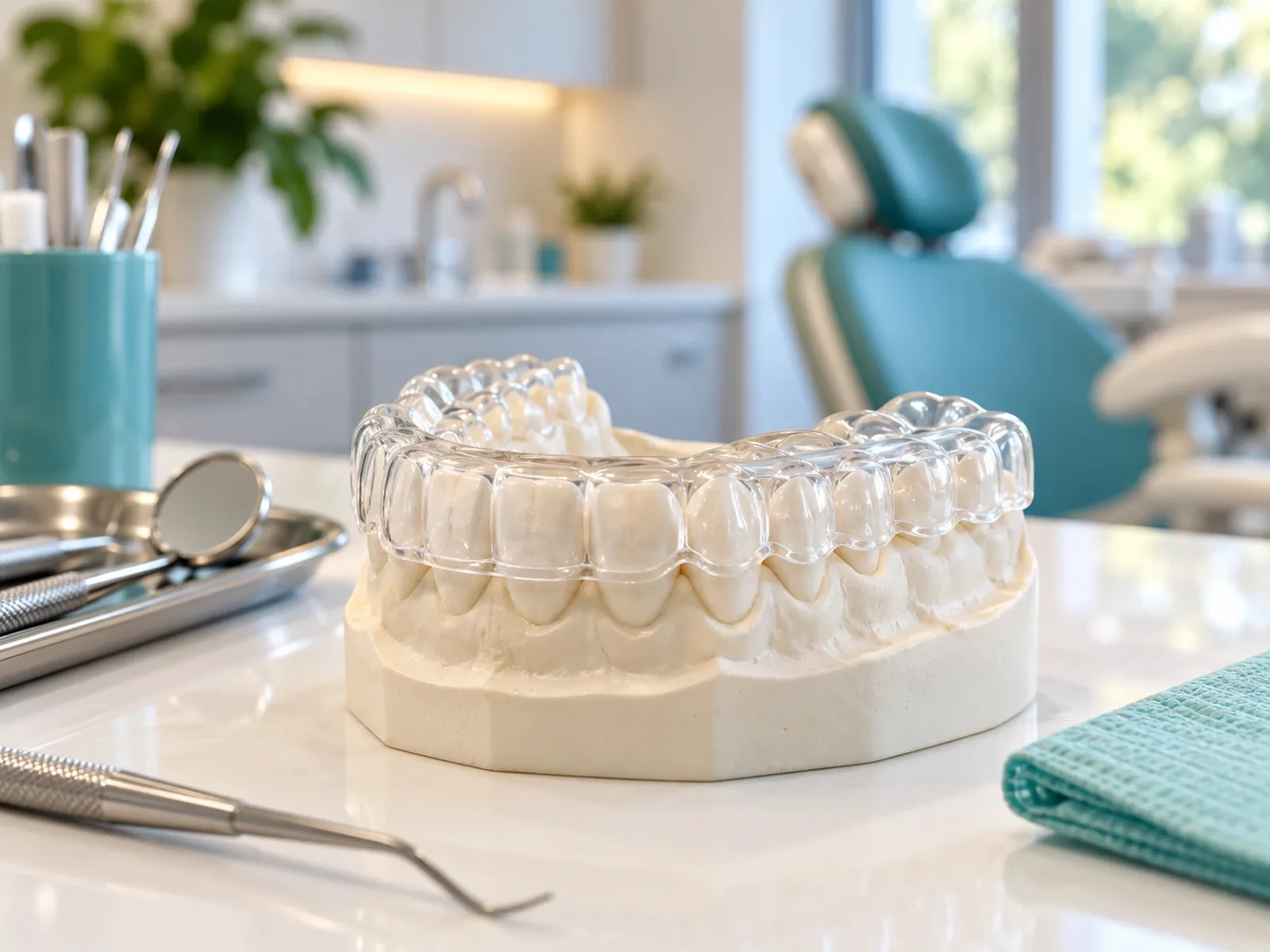
Clear trays are comfortable and discreet and hold every tooth, including the back ones. They wear with grinding, can be warped by heat and are easy to lose.
Hawley plates are sturdier and can be adjusted by the dentist. They are bulkier and more visible, and some people find speech takes a few days to adjust.
Fixed wires are bonded behind the lower (and sometimes upper) front teeth, which are the teeth most likely to crowd again. Because they are always on, they do not depend on memory. They do demand careful flossing, and a wire that detaches from one tooth lets that tooth drift while the rest look fine.
Which you receive depends on your original problem, how your teeth finished and your habits. Many patients wear a fixed wire on the lower front teeth plus a clear tray at night on top.
How long and how often
Wear schedules are set by the treating dentist, and you should follow yours rather than a general rule. The usual pattern is full-time wear (removed for eating and brushing) for a period after treatment, then nights only, then nights indefinitely or several nights a week. The phrase orthodontists use is "nighttime for a lifetime." A retainer worn a few nights a week in your forties is what keeps the straight teeth you paid for at fifteen.
Caring for a removable retainer
- Rinse it every time it comes out and brush it gently with a soft brush and cool water or a mild soap. Toothpaste is abrasive and clouds clear plastic.
- Soak occasionally in a retainer or denture cleaning tablet if directed; do not use hot water, bleach or mouthwash containing alcohol.
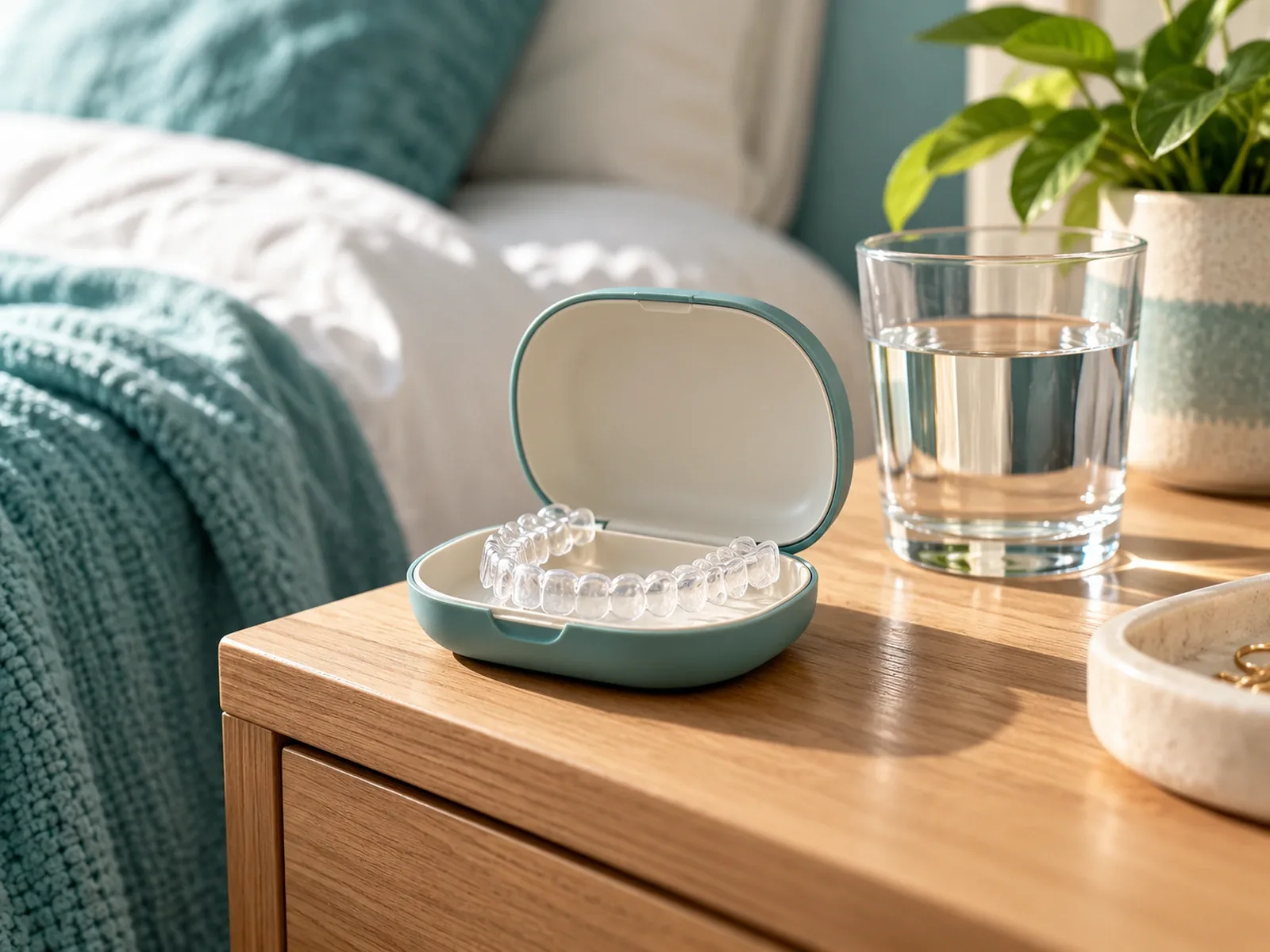
- Keep it in its hard case when it is not in your mouth. Pockets, napkins and lunch trays are where retainers go to disappear.
- Keep it away from heat: hot water, dishwashers, car dashboards and radiators all warp plastic.
- Keep it away from pets. Dogs find retainers irresistible.
- Bring it to your dental check-ups so the fit can be checked along with your teeth.
Caring for a fixed retainer
Floss under the wire daily with a floss threader or a water flosser, because plaque and tartar build up quickly behind the lower front teeth. Avoid biting directly into very hard foods with the front teeth. Check with your tongue occasionally that the wire feels smooth and firmly attached. At routine cleanings the hygienist will clean around it and confirm every bond is intact.
Retention does not replace routine exams and cleanings. Gum problems and decay can develop under or around any retainer, and the teeth still need checking.
When the fit changes or the retainer breaks
If a removable retainer feels tight, that is teeth beginning to drift. If you are within a few days of missed wear, resuming regular wear usually resettles things. If it will not seat fully, do not force it, bite it into place or try to bend it. A retainer jammed onto moved teeth can apply uncontrolled pressure or crack. Call us for a check.
If a fixed wire comes loose at one end, you may feel a sharp edge or notice the tooth beginning to turn. Cover any sharp point with wax and arrange a repair promptly. Waiting while a tooth moves can turn a quick re-bond into a question of further treatment; see why teeth shift after braces.
If a retainer is lost or cracked, contact us as soon as you can. The sooner a replacement is made, the less the teeth have moved in the meantime. Teeth can shift noticeably within a few weeks without a retainer in the first year after treatment.
Replacement and cost questions
Before treatment starts, ask whether the first set of retainers is included in the fee and what a replacement would cost. Clear trays in particular will need replacing every few years. Our orthodontic cost guide covers the questions to ask.
If your orthodontic treatment was done elsewhere and you now live in or around Cleburne, we can assess your teeth and your retainer and, in most cases, make a new one from a scan of your current positions, provided the teeth have not moved so far that a new retainer would simply hold a crooked result. If they have, we will talk about whether limited retreatment is worthwhile first.
Sources and further reading
General information, not a diagnosis. Read how we create and review our dental guides.