Whitening is the most requested cosmetic treatment at our Cleburne office, and for good reason: it is non-invasive, relatively quick and, for the right kind of discoloration, it works. Professional whitening uses a peroxide gel that passes through enamel and breaks apart the pigment molecules that make teeth look yellow or brown.
What whitening cannot do is just as important. It does not lighten crowns, veneers, bonding or fillings. It will not fix a tooth that darkened after an injury or a gray tint built into the enamel. And it should never be the first response to a single tooth that has recently changed color, because that tooth may need treatment, not bleach.
This page explains the two professional options we offer, who they suit, how we manage sensitivity, and how to keep the result once you have it.
Why an examination comes first
A quick look before whitening prevents most disappointments. Dr. Zohdi checks for:
- Cavities and leaking fillings, which can let gel reach the nerve and cause sharp pain.
- Exposed roots from gum recession, which do not whiten and are a common source of sensitivity.
- Visible restorations on front teeth that will stay their current shade while neighbors lighten.
- The type of stain, because surface stains, age-related yellowing and internal discoloration respond very differently. Our guide to why teeth become discolored explains the distinction.
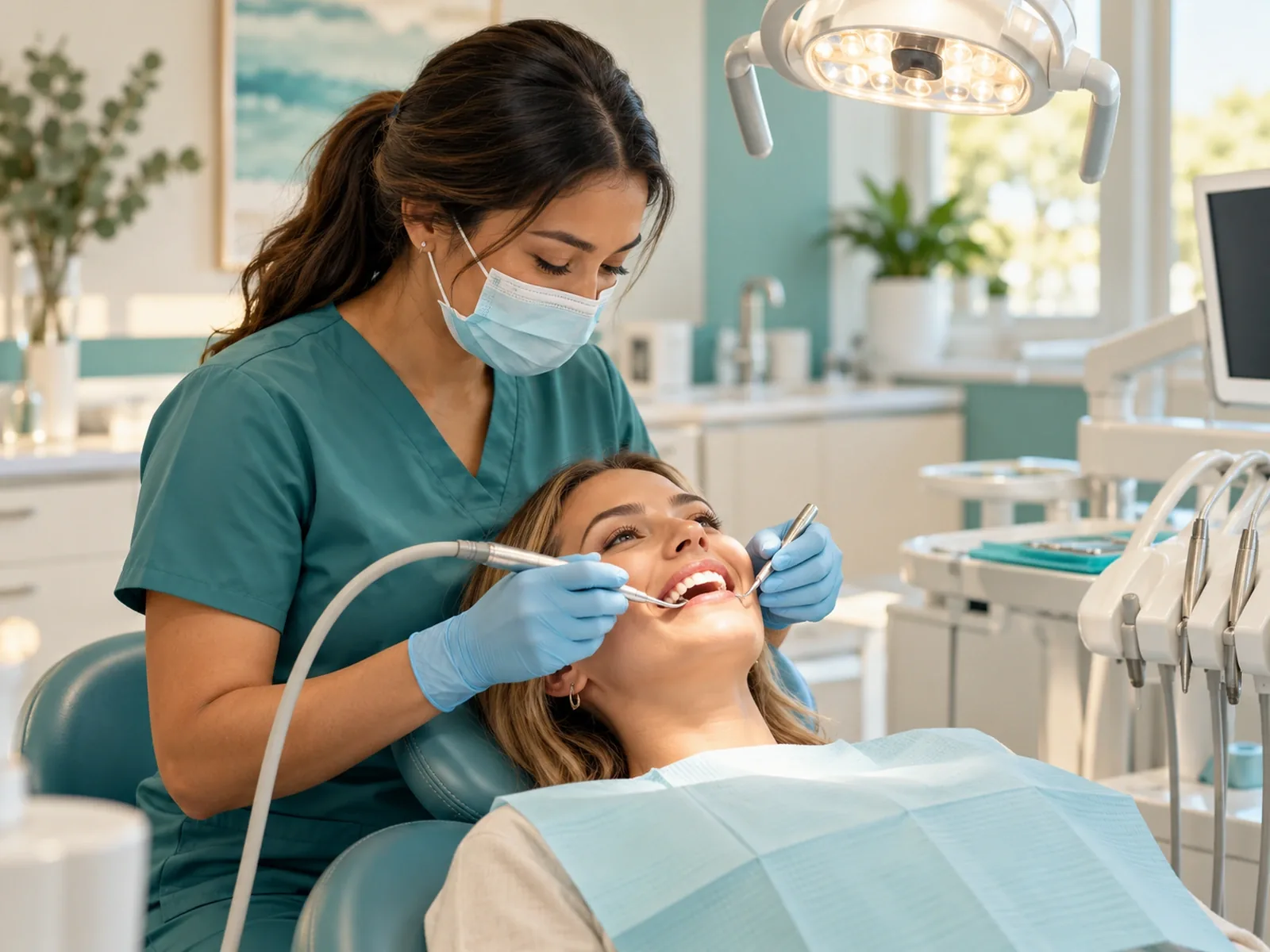
A professional cleaning is a sensible first step. It removes plaque and surface stain so the gel contacts clean enamel, and some people find the cleaning alone makes a noticeable difference.
Two ways to whiten professionally
We use Opalescence professional whitening systems in two forms. Both rely on the same active ingredient at concentrations only a dental office can provide; the difference is speed, supervision and convenience.
| In-office (Opalescence Boost) | Take-home trays (Opalescence Go or custom trays) | |
|---|---|---|
| Where | In the chair, about an hour | At home, on your schedule |
| Time to result | Noticeable change in one visit | Gradual, over one to two weeks |
| Supervision | Gums protected and gel applied by our team | You follow written instructions; we check progress |
| Sensitivity control | Short exposure, immediate adjustments | Shorten wear time or skip days as needed |
| Best for | A deadline, a wedding, a reunion, or anyone who wants it done quickly | Budget-conscious patients, sensitive teeth, maintaining a result |
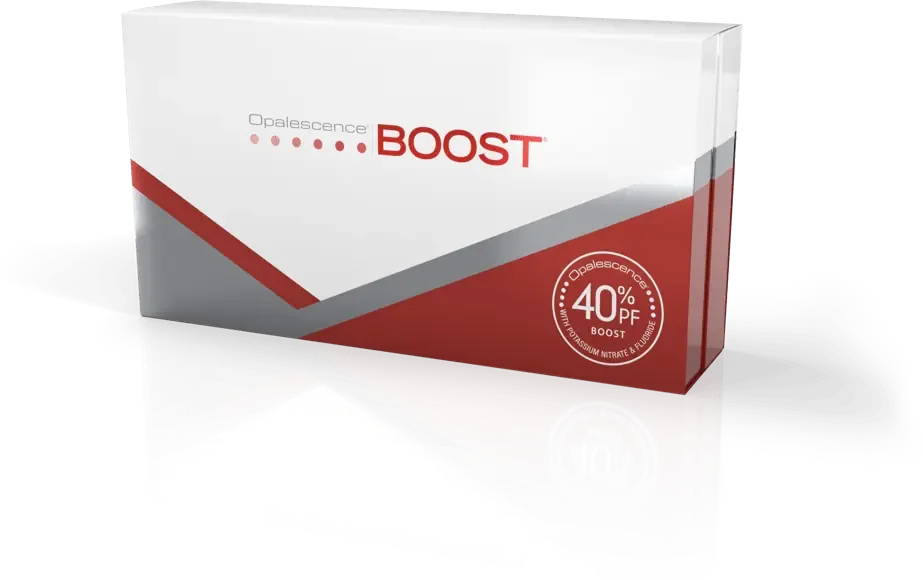
In-office whitening
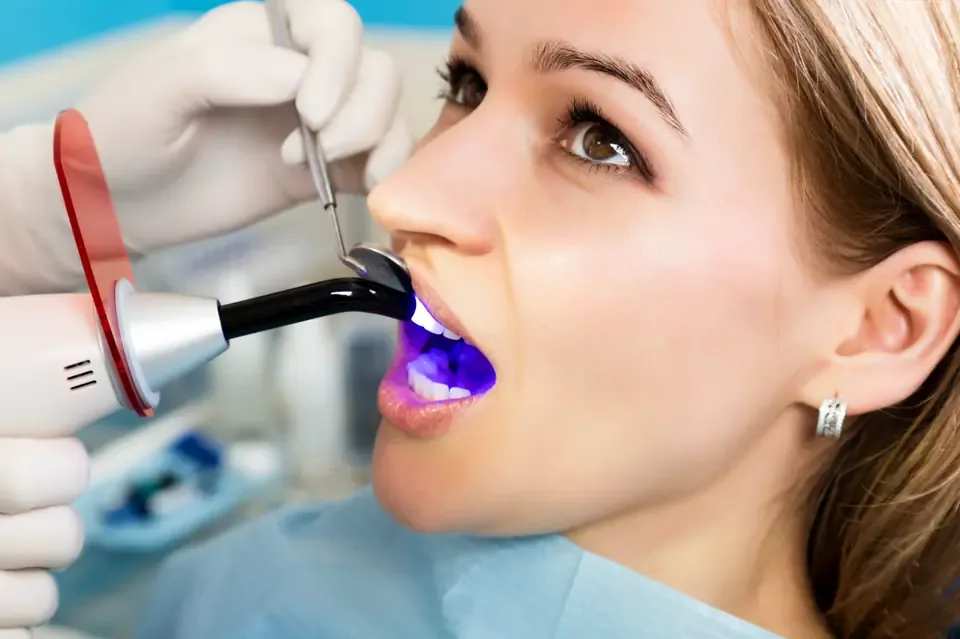
Your lips and gums are protected with a barrier, the gel is applied to the front surfaces of the teeth and left to work in timed cycles while we monitor comfort. Most patients see several shades of improvement in a single appointment. Dr. Zohdi often recommends the in-office option for people who want a predictable change under supervision or who have an event coming up. For the first day or two afterward, teeth are more porous than usual, so we ask you to avoid coffee, tea, red wine, dark sauces and tobacco.
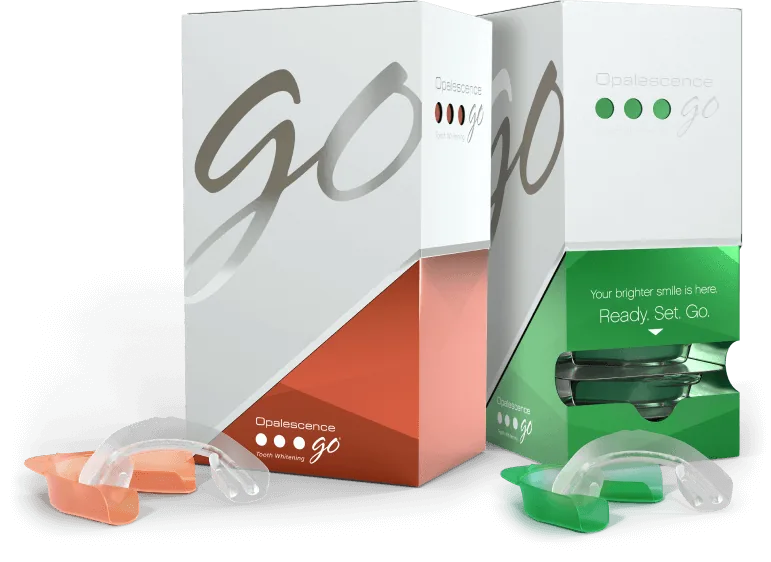
Take-home whitening
Take-home whitening uses the same type of gel in trays you wear at home, typically for a set period such as 30 minutes a day over two weeks. Pre-filled trays are ready to use out of the box; custom trays made from a scan of your teeth hold the gel more precisely and can be refilled for future touch-ups. The result builds gradually, which many people with sensitive teeth prefer, and the kit costs less than an in-office session. The tradeoff is consistency: skipping days stretches the timeline.
Many patients combine the two: an in-office visit for the main change, then take-home trays for maintenance.
Who whitening suits, and who should wait
Whitening works best for teens and adults with fully erupted permanent teeth, healthy gums and yellow-to-brown staining from coffee, tea, wine, tobacco or age. Ask us about the appropriate minimum age for a younger teen.
You should treat other issues first, or choose another approach, if you have:
- Untreated decay, gum disease or a cracked tooth.
- A single dark tooth, which needs diagnosis before any cosmetic step.
- Gray or banded discoloration from medication during childhood, which responds slowly and sometimes incompletely; veneers or bonding may be a better fit.
- Crowns, veneers or fillings on front teeth, unless you are prepared to replace them to match.
- Pregnancy or breastfeeding, when most dentists advise postponing elective bleaching.
Managing sensitivity
Temporary sensitivity to cold is the most common side effect. It usually peaks within the first day and fades within a few days of finishing. We reduce it by protecting the gums, keeping to the recommended times and, for take-home users, suggesting shorter sessions or every-other-day wear. A desensitizing fluoride toothpaste for two weeks before and during whitening helps many people. Persistent pain in one tooth is different from general zinging and should be checked, since it can signal a cavity or crack. If sensitivity is already a problem for you, read our page on sensitive teeth before you start.
More gel, longer wear or stacking products from the pharmacy on top of a professional kit is not more effective. It mostly increases irritation.
Keeping your result
Teeth do not stay white forever, because the habits that stained them continue. With good care, most patients hold their new shade for a year or more; then a few days of take-home trays brings it back. To make the result last:
- Rinse with water after coffee, tea, wine or dark sodas, or drink them through a straw.
- Brush twice daily with a fluoride toothpaste and clean between teeth.
- Keep regular cleanings so surface stain is polished away before it sets.
- Avoid tobacco, which re-stains quickly and deeply.
What affects the cost
In-office whitening costs more than a take-home kit because it includes chair time and supervision; custom trays cost more than pre-filled ones but can be reused for years. Whitening is cosmetic, so dental insurance does not cover it. We will tell you the fee for each option before you decide, and our financing page describes payment choices.
Taking the next step
If you want a brighter smile without changing anything else about your teeth, whitening is a low-commitment place to start. Request a whitening evaluation at our Cleburne office and we will confirm which parts of your smile will respond, recommend in-office or take-home treatment, and explain the cost before anything begins. For the wider picture, see our overview of cosmetic dentistry options.
Sources and further reading
General information, not a diagnosis. Read how we create and review our dental guides.