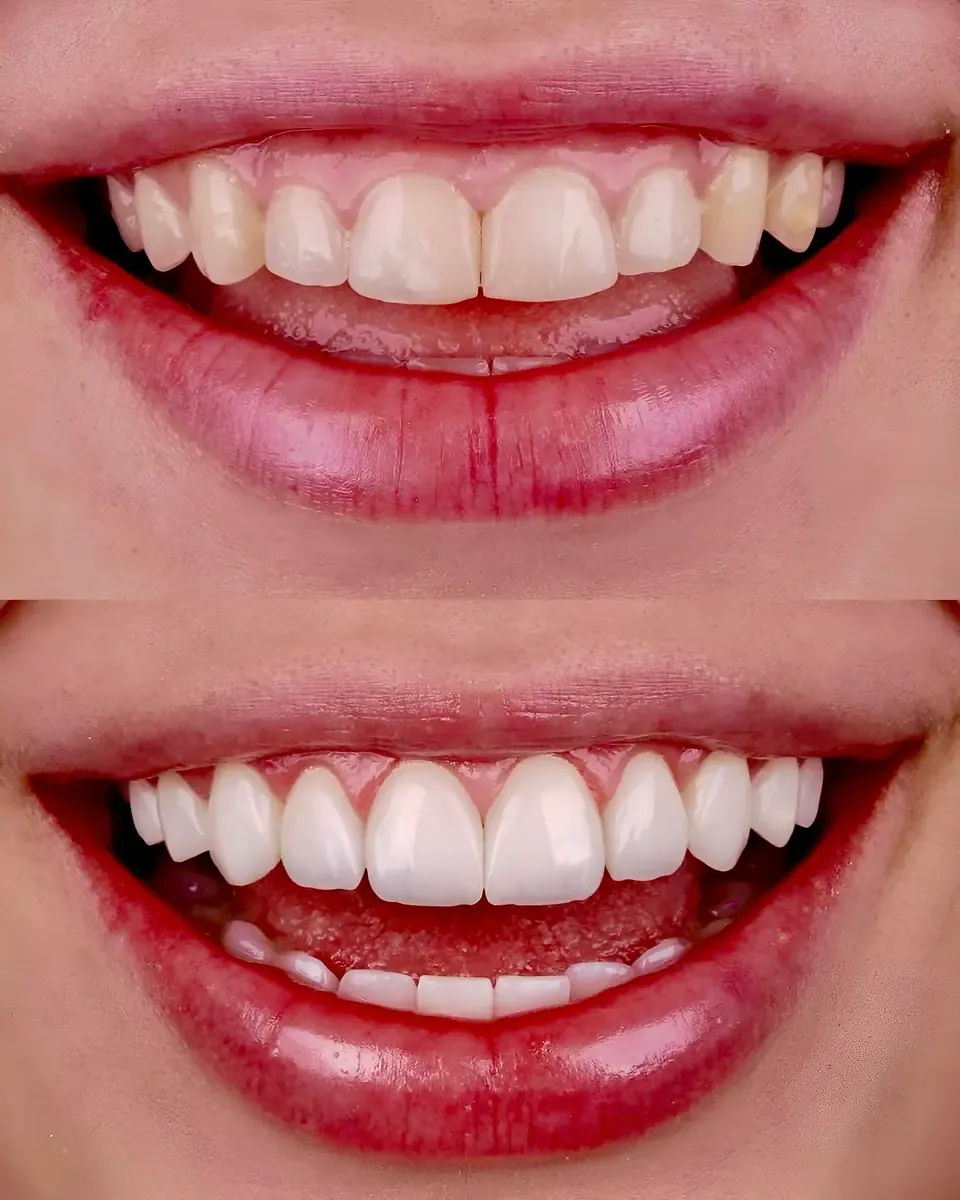
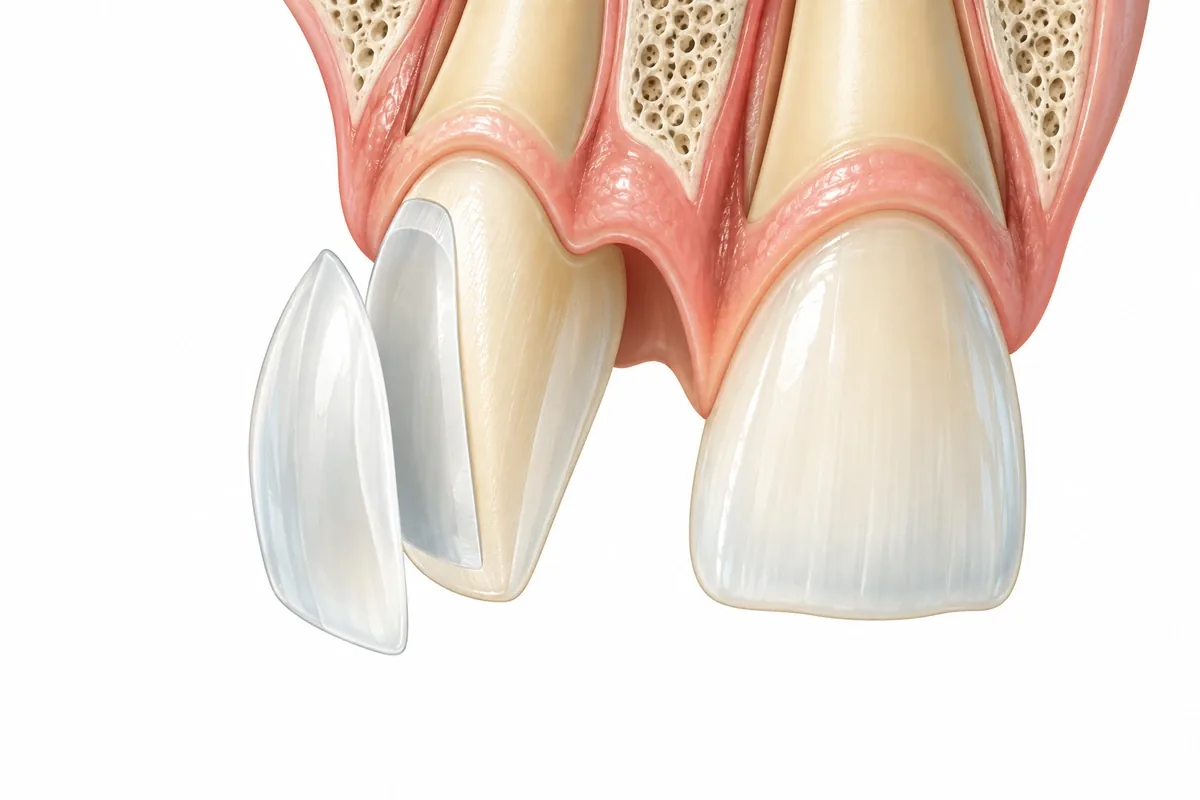
Porcelain veneers are thin, custom-made shells of dental ceramic bonded to the front surfaces of selected teeth. In one restoration they can change a tooth's color, shape, length and the small spaces between it and its neighbors. That is why they are often the centerpiece of a smile makeover when several concerns show up on the same front teeth.
The tradeoff is that most veneers require removing a thin layer of enamel so the porcelain sits flush with the surrounding teeth. Enamel does not grow back. Once a tooth is prepared for a veneer, it will need a veneer or a similar restoration for the rest of its life. The right question is not "Do I want veneers?" but "Is a veneer the smallest change that will solve what bothers me?"
This page explains what veneers do well, where they fall short, what the visits involve at our Cleburne office, and how to think about the long-term commitment before you decide.
What veneers can and cannot change
Veneers are good at problems that live on the visible front surface of a tooth:
- Color that will not respond to whitening, such as deep internal staining, a single tooth that darkened after an injury, or old tetracycline-type discoloration.
- Shape and proportion, including teeth that look too small, too pointed, or uneven in length next to their neighbors.
- Small chips and worn edges that have left the smile line looking ragged.
- Minor spacing, such as a modest gap between the front teeth, where slightly wider veneers can close the space.
- Mild rotation or unevenness that makes teeth look crooked even though the bite is acceptable.
Veneers do not treat everything. They do not straighten roots, fix a bite problem, or repair a tooth that has lost a lot of structure to decay or fracture. A tooth with a large old filling or a deep crack may need a crown instead, because a thin shell needs sound enamel to bond to. Gum disease has to be treated and stable before any cosmetic work, and heavy grinding changes the plan because porcelain can chip under repeated force.
There is also no universal number of veneers that makes a smile look natural. Some patients need one veneer matched to the teeth beside it, which is technically harder than it sounds. Others are better served by treating the six or eight teeth that show when they smile so the result reads as a set. The number should follow your concern, not a package.
The decision about enamel
The amount of enamel removed depends on how much the tooth needs to change. Moving a tooth's color from very dark to light, or changing its angle, needs more room for porcelain than brightening an already well-shaped tooth by a shade or two. Minimal- or no-preparation veneers exist for a narrow group of cases, usually small or set-back teeth where adding thickness is the goal.
Before you commit, it is reasonable to ask:
- Which surfaces of each tooth will be prepared, and roughly how much?
- Could any tooth in the plan be left alone, whitened, or bonded instead?
- What happens in ten or fifteen years when this veneer needs replacement?
For color alone, consider teeth whitening first; our comparison of whitening and veneers walks through that decision. For one small chip or an uneven edge, dental bonding may do the job without touching healthy enamel; see how veneers and bonding compare. If crowding or rotation is the real issue, clear aligners move the teeth into position rather than disguising where they sit, and sometimes a short course of orthodontics means fewer veneers, or none.
What the visits involve
Veneer treatment usually takes three appointments spread over a few weeks.
- Consultation and smile assessment. Dr. Zohdi examines your teeth and gums, checks for decay and cracks, and looks at how your teeth meet when you bite and speak. You describe what you like and dislike about your smile. Photographs and a digital scan help plan the shape, length and shade of each veneer in relation to your lips, gum line and face. If veneers are not the right tool, this is where we say so and talk through alternatives.
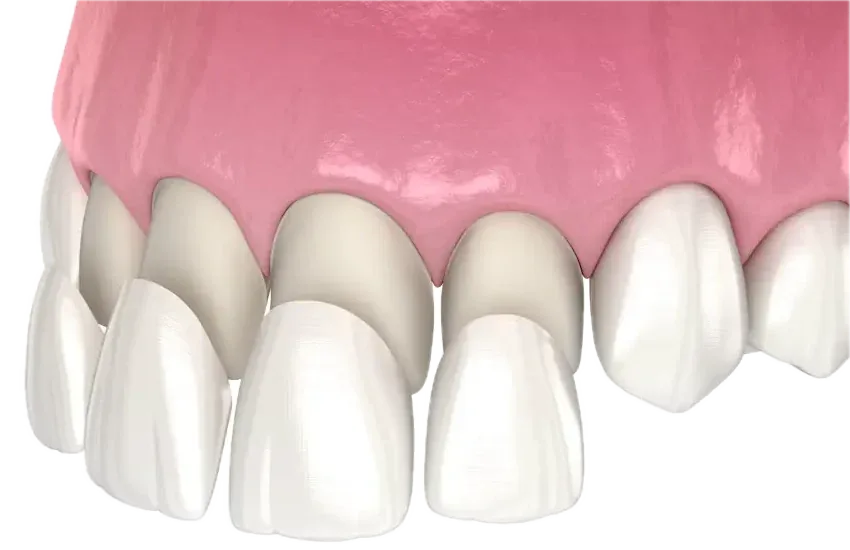
- Preparation and temporaries. At the working visit, the teeth are numbed with local anesthetic when needed and a thin layer of enamel is shaped away. A scan or impression records the prepared teeth, and temporary veneers protect them while the final porcelain is made. The temporaries also give you a preview of the proposed shape; tell us what you would change, because adjustments are far easier now than after bonding.
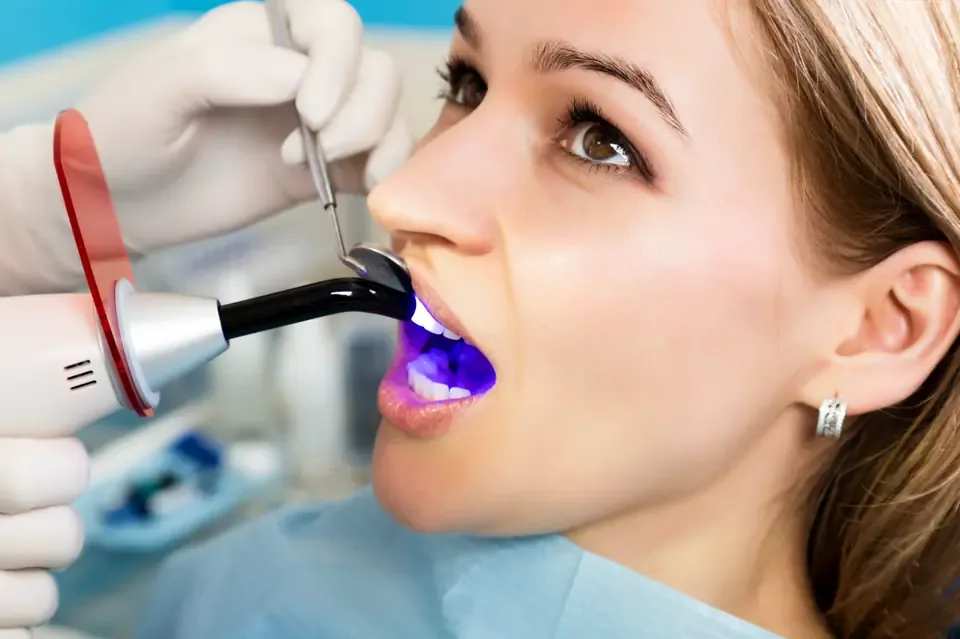
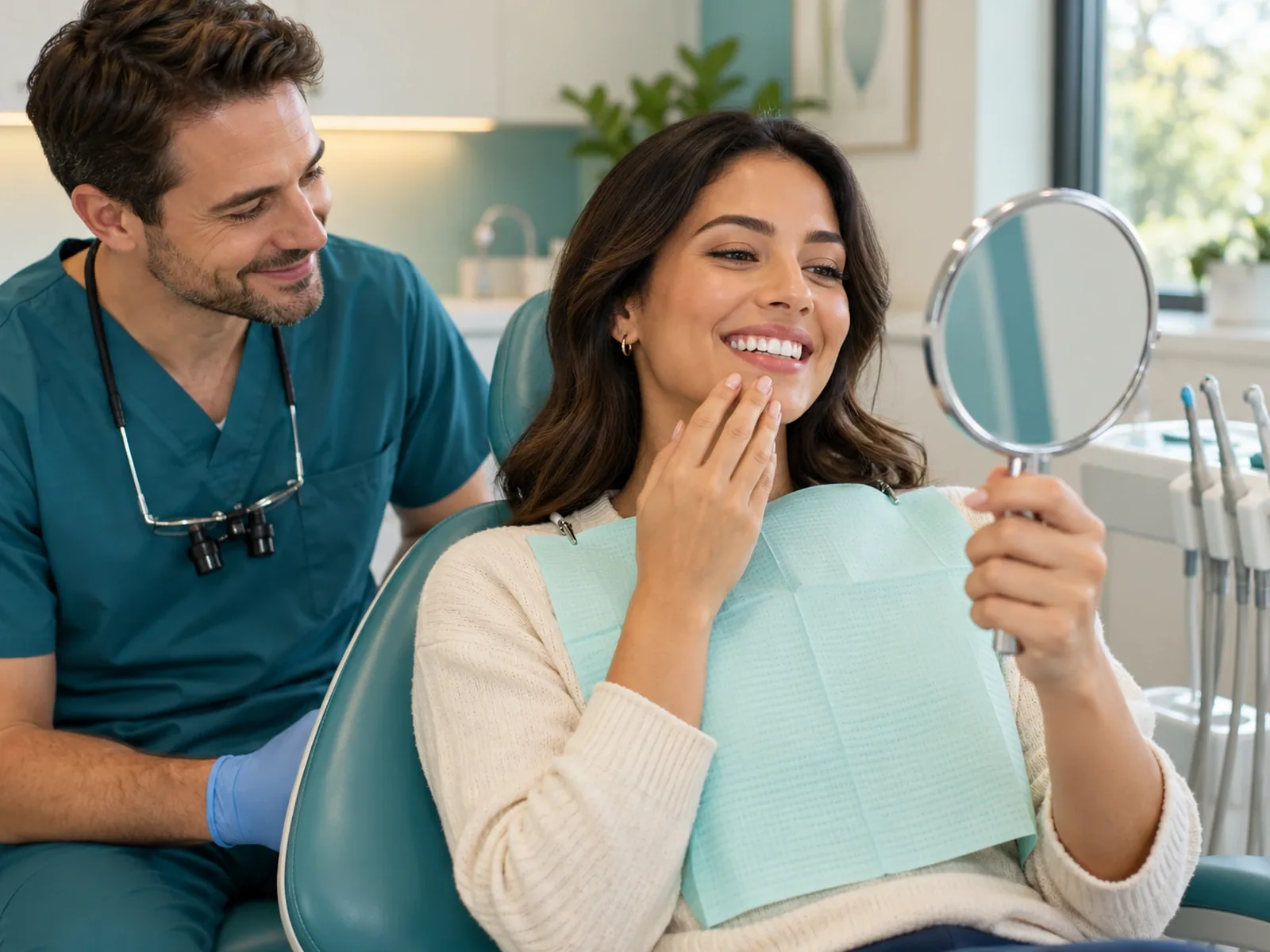
- Try-in and bonding. Each veneer is tried in and checked for fit, color and the way it blends with the neighboring teeth. Once you and Dr. Zohdi are satisfied, the tooth surface is conditioned, the veneer is bonded with a resin cement, and the edges are polished. We then check your bite carefully, because a small high spot can place unexpected stress on new porcelain.
Mild sensitivity to cold for a few days after preparation or bonding is common and usually settles. Pain that persists or worsens should be reported.
Choosing a shade that looks like you
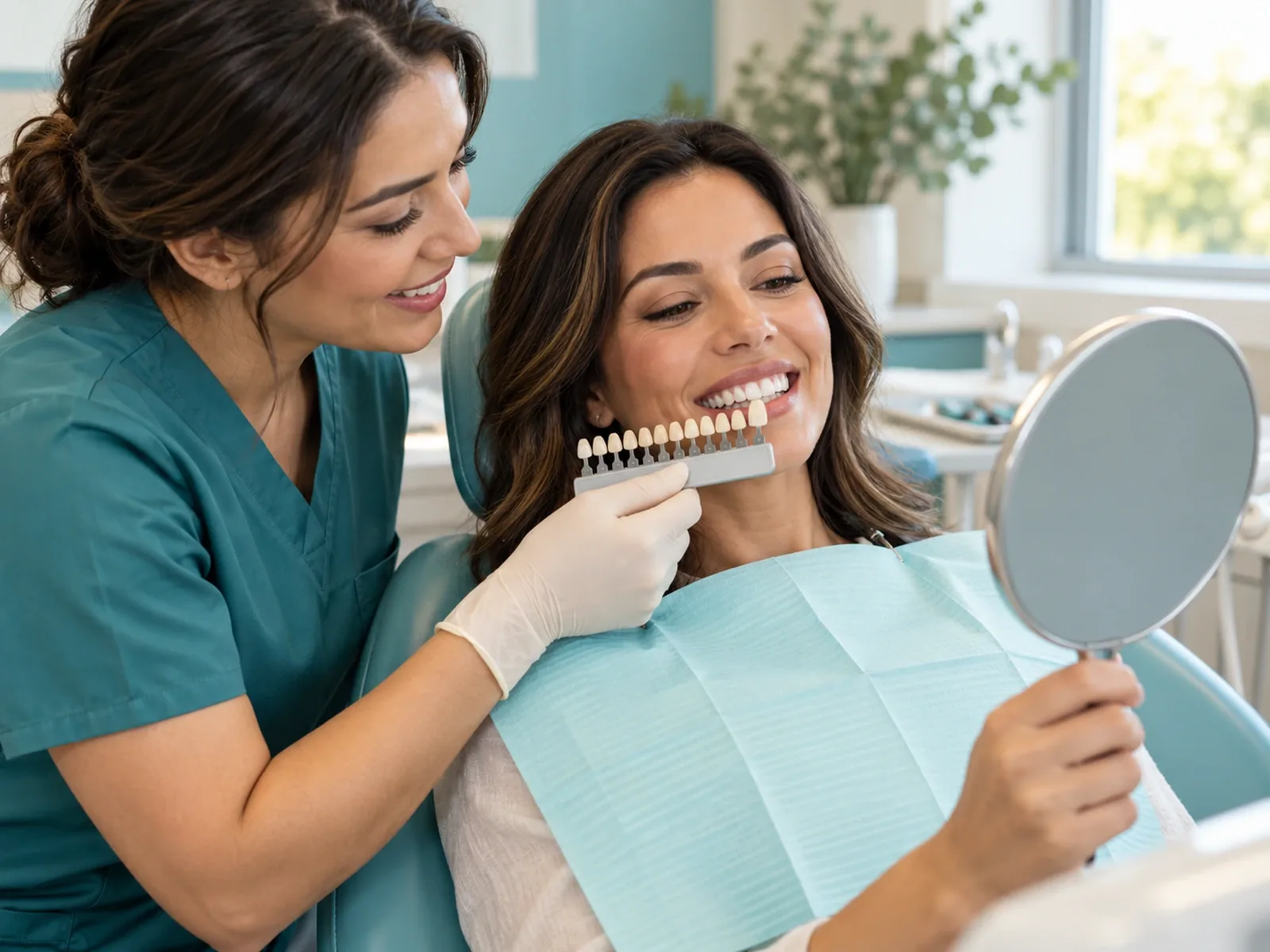
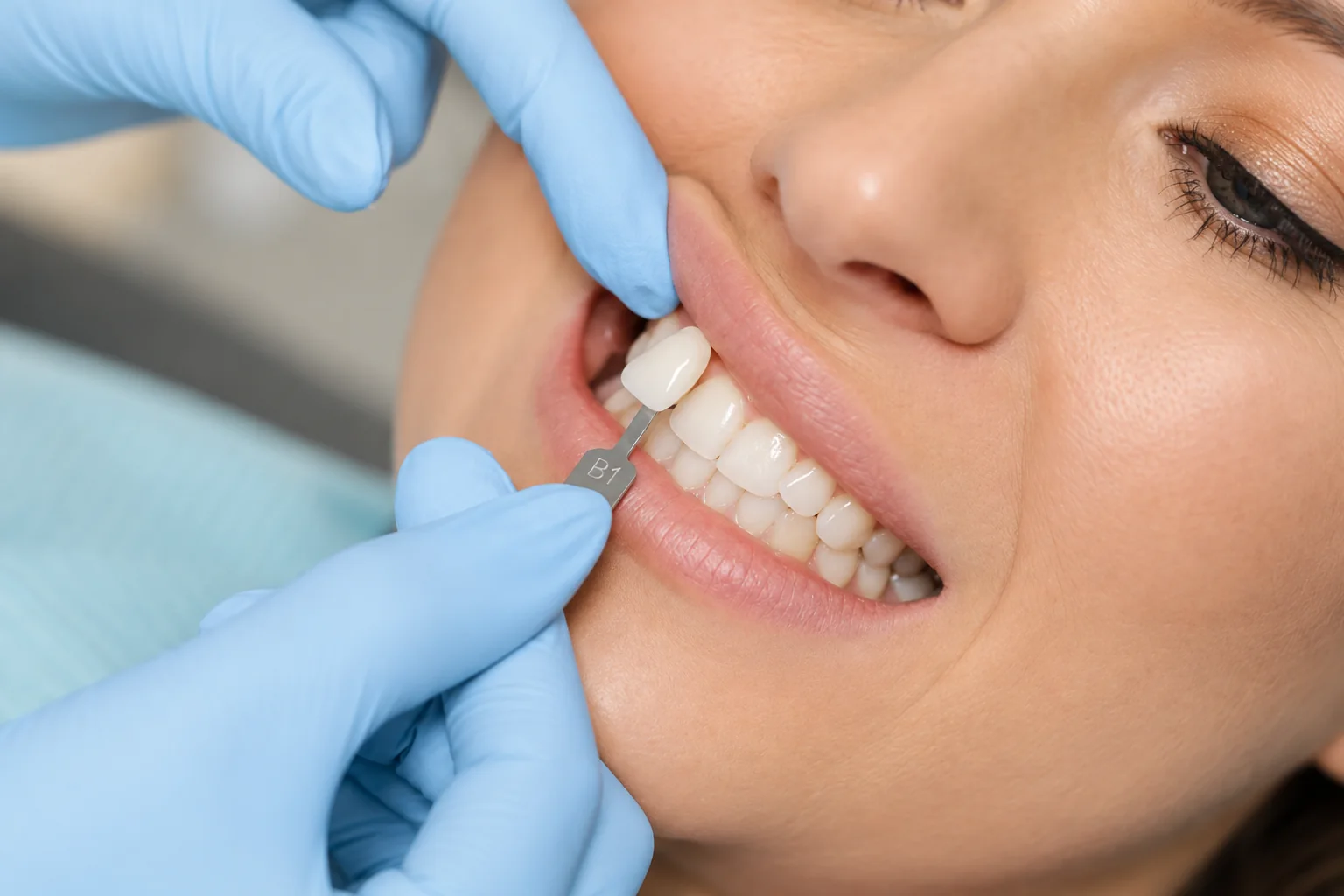
Patients often ask for the whitest shade on the guide. You can certainly choose a bright result, but shade is only one part of a natural look. Translucency at the edges, subtle surface texture, the shape of each tooth and how new porcelain transitions to untreated teeth all matter more than most people expect.
Two practical points guide the conversation. First, porcelain does not bleach. If you plan to whiten, do it before the final shade is chosen, and let the color stabilize for a couple of weeks. Second, any teeth that will not receive veneers, and any existing crowns or fillings, set the limits of what will match. Bringing photographs of smiles you admire is useful, but your own lips, gums and face decide what will look right on you.
Living with veneers
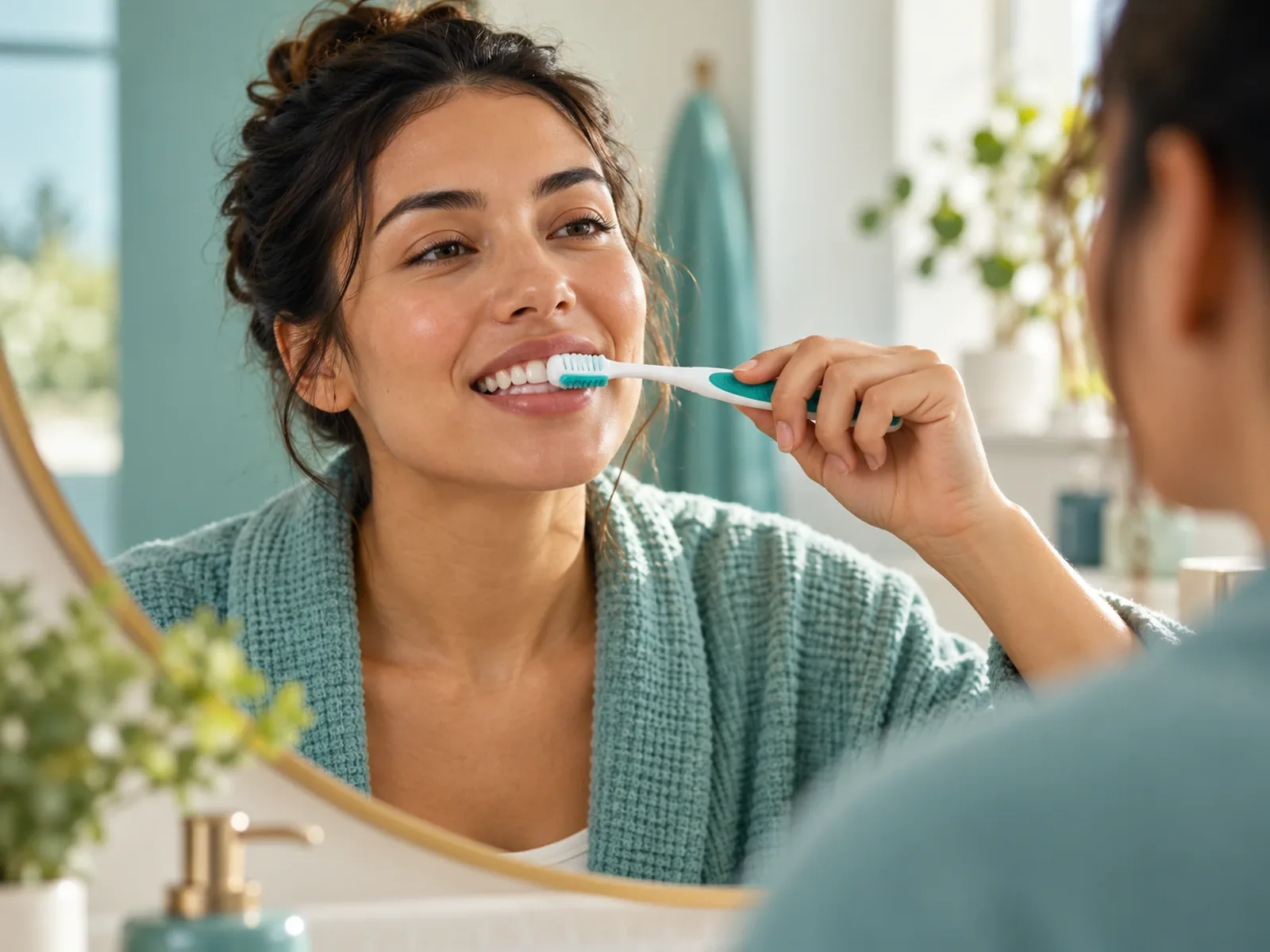
With good care, veneers often serve well for more than ten years, but they are restorations, not armor. Porcelain can chip, a veneer can come loose, and the natural tooth beneath and around it can still develop decay or gum recession. Daily brushing with fluoride toothpaste, cleaning between teeth and regular exams protect the investment. Do not open packaging or bite your nails with veneered teeth, and if you clench or grind, ask about a night guard made to fit the new restorations.
Our guide to caring for veneers and planning for replacement covers what to watch for and what to do if something chips or loosens; read it before you commit.
What affects the cost
Veneer fees vary with the number of teeth treated, the complexity of the shape and color change, whether gum reshaping or whitening is part of the plan, and the laboratory work involved. Because veneers are elective, most dental plans do not cover them, though a veneer that restores a damaged tooth may sometimes be handled differently. We provide a written, tooth-by-tooth plan before any preparation so you can see exactly what is proposed, and our payment and financing page explains the ways patients spread out the cost.
Risks and alternatives
The main risks are irreversibility, sensitivity, chipping or debonding, and the need for eventual replacement. A veneer that is too thick or poorly fitted at the gum line can also trap plaque and irritate the gums. Choosing the right case, preparing conservatively and finishing the margins carefully reduce these risks, but do not eliminate them.
Alternatives depend on the concern: whitening for color, bonding for a small chip or gap, aligners for position, a crown for a structurally weak tooth, or a gum lift when short-looking teeth are really a matter of excess gum tissue. Often the best plan combines a small amount of each rather than veneering every front tooth. Our page on smile makeover planning explains how those pieces are sequenced.
Taking the next step
If you have been unhappy with the color or shape of your front teeth and want to understand whether veneers, or something smaller, is the right answer, we are glad to look. Browse our smile gallery and the wider cosmetic dentistry overview to see the kind of results we aim for, then request a consultation at our Cleburne office. You will leave with a clear, tooth-by-tooth explanation and no pressure to prepare healthy teeth you do not need to.
Sources and further reading
General information, not a diagnosis. Read how we create and review our dental guides.