
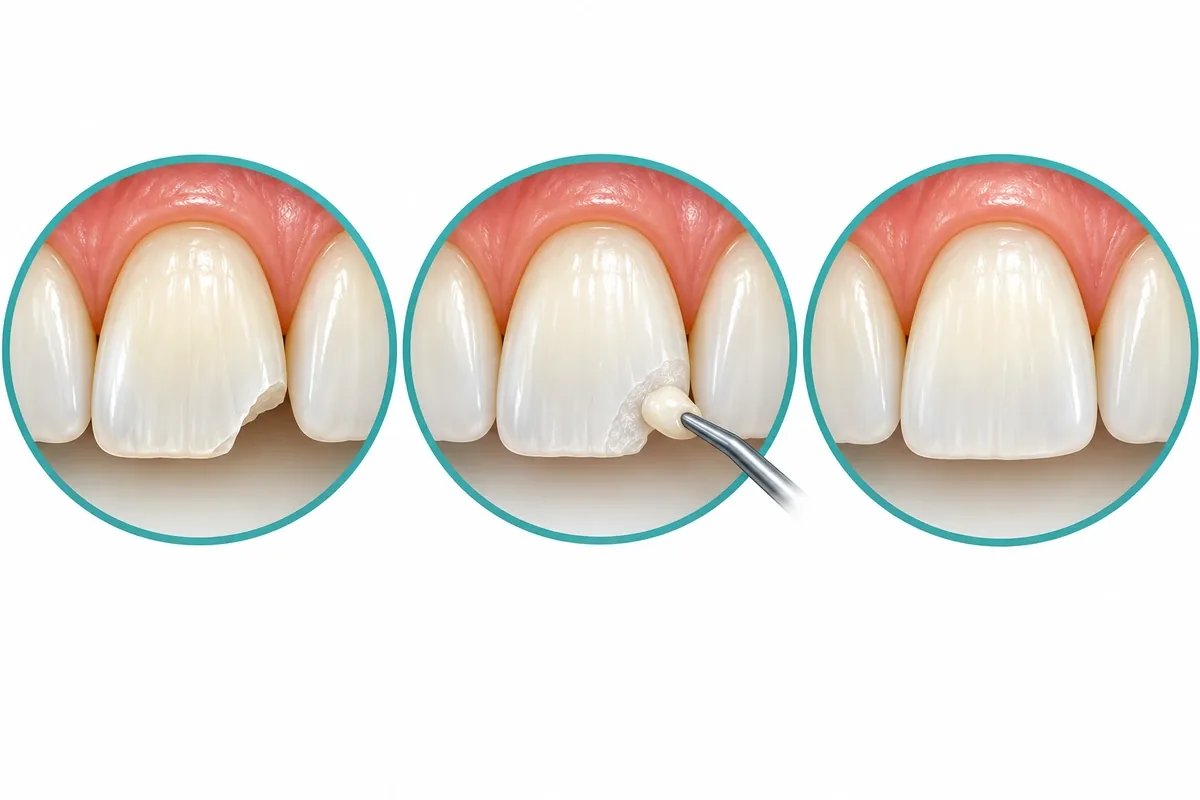
A small chip, a worn corner or a gap you have always noticed does not automatically call for a porcelain veneer or a crown. Dental bonding repairs or reshapes a tooth with composite resin, the same tooth-colored material used in modern fillings. Dr. Zohdi shapes the resin directly on the tooth, hardens it with a curing light and polishes it to blend with the enamel around it.
For the right problem, bonding is one of the most conservative choices in cosmetic dentistry. It often requires little or no removal of healthy tooth, it is usually finished in one visit, and if it chips years later it can be repaired rather than replaced. Its limits are real, though: resin is not as strong or as stain-resistant as porcelain, and large repairs under heavy bite force tend not to last.
This page explains what bonding handles well, why the cause of a chip matters, what the visit involves, and how to keep a bonded tooth looking good.
What bonding can fix
Bonding works best when the change is small and the surrounding tooth is sound:
- Chipped or cracked edges from a fall, a hard food or years of wear.
- Small gaps between teeth, where adding a little width to each neighbor closes the space without moving teeth.
- Short, pointed or irregular teeth that need a more even outline.
- Isolated discoloration on one tooth that whitening has not changed.
- Exposed root surfaces at the gum line after recession, which can look dark and feel sensitive.
Bonding is less suitable for large missing corners on biting edges, for back teeth under heavy chewing force, and for teeth with a lot of old filling material. In those cases the question becomes whether a filling is enough or a crown is needed, and the strength of the remaining tooth, not the size of the visible hole, decides it.
Start with the cause of the damage
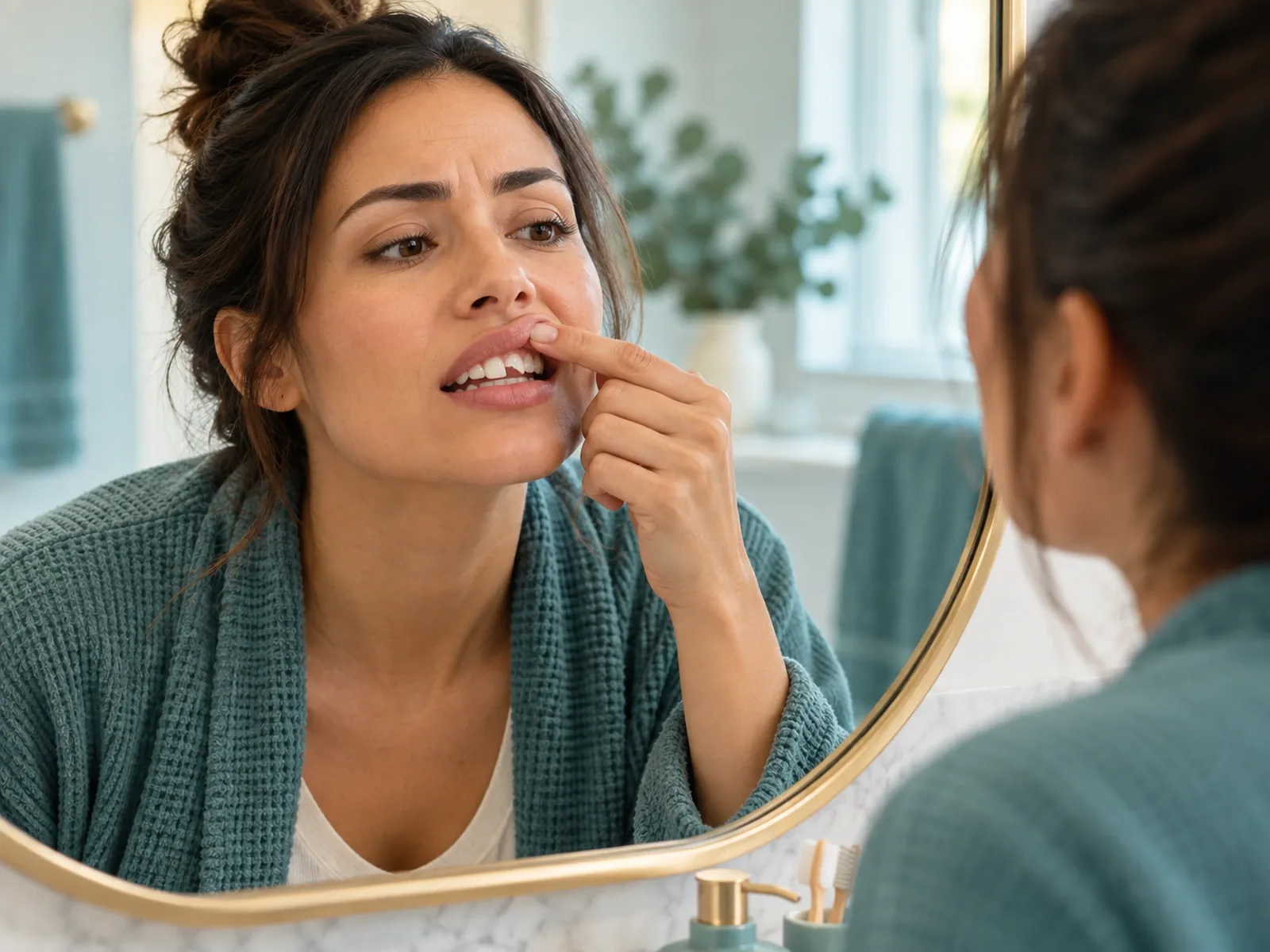
A chipped tooth deserves a look before it is patched. Dr. Zohdi checks for decay beneath the chip, for a crack that runs deeper than the visible edge, and for a bite that puts unusual force on that tooth. A front tooth that keeps chipping in the same place is usually telling you something about how your teeth meet or about nighttime grinding. Repairing it repeatedly without addressing the cause leads to frustration.
A chip after an accident also needs attention even when it stops hurting. The tooth may need vitality testing now and a follow-up later, because the nerve can react months after an injury. If your tooth broke recently and is sharp, loose or painful, start with our broken tooth guide and call us the same day.
What happens during bonding
Most bonding appointments at our Cleburne office follow six steps and are completed in one visit:
- Examination and plan. We confirm the tooth is healthy, agree on the shape you want, and decide whether anesthetic is needed. Bonding near the nerve or on a sensitive root surface may call for numbing; a small cosmetic edge often does not.
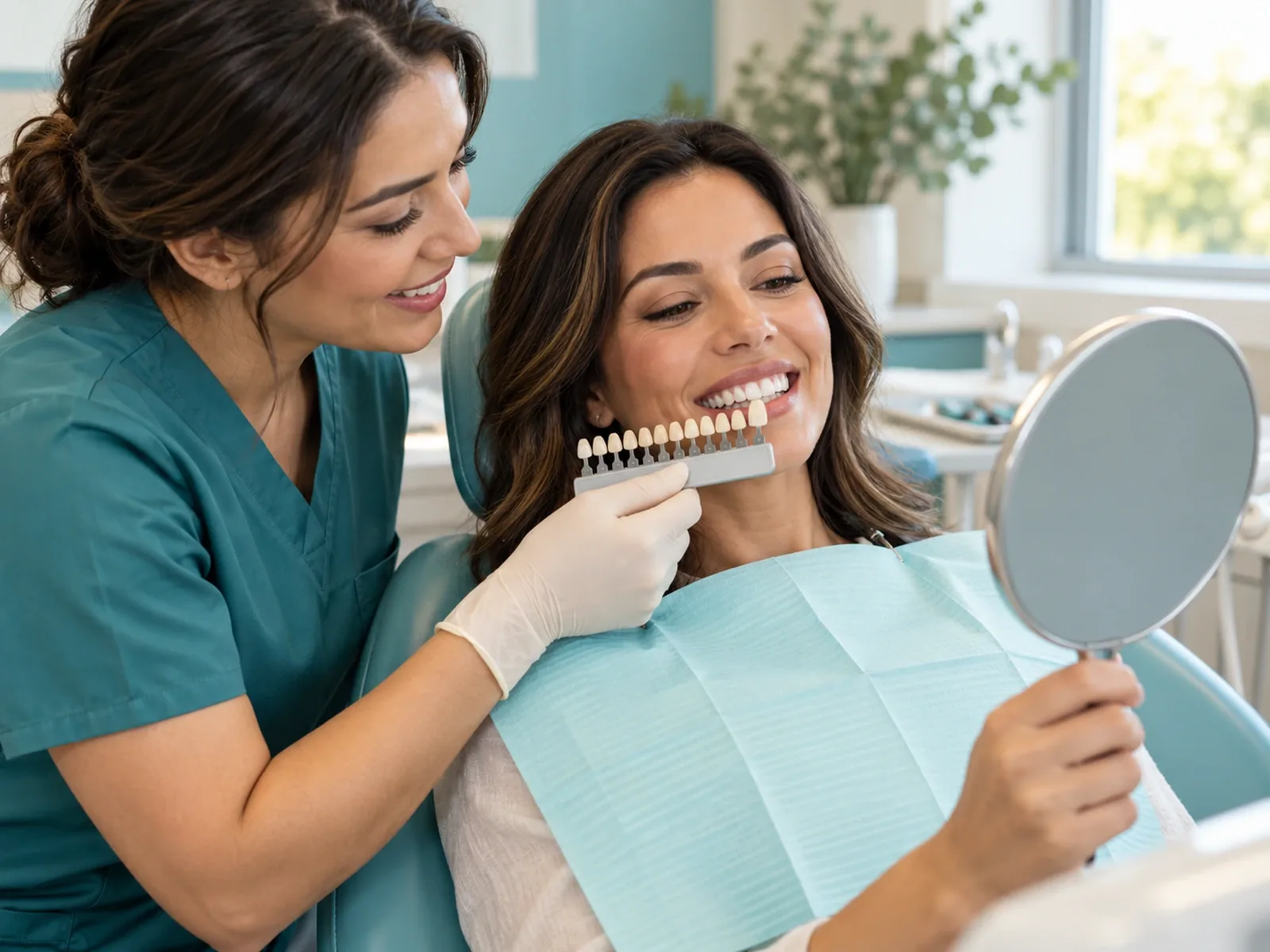
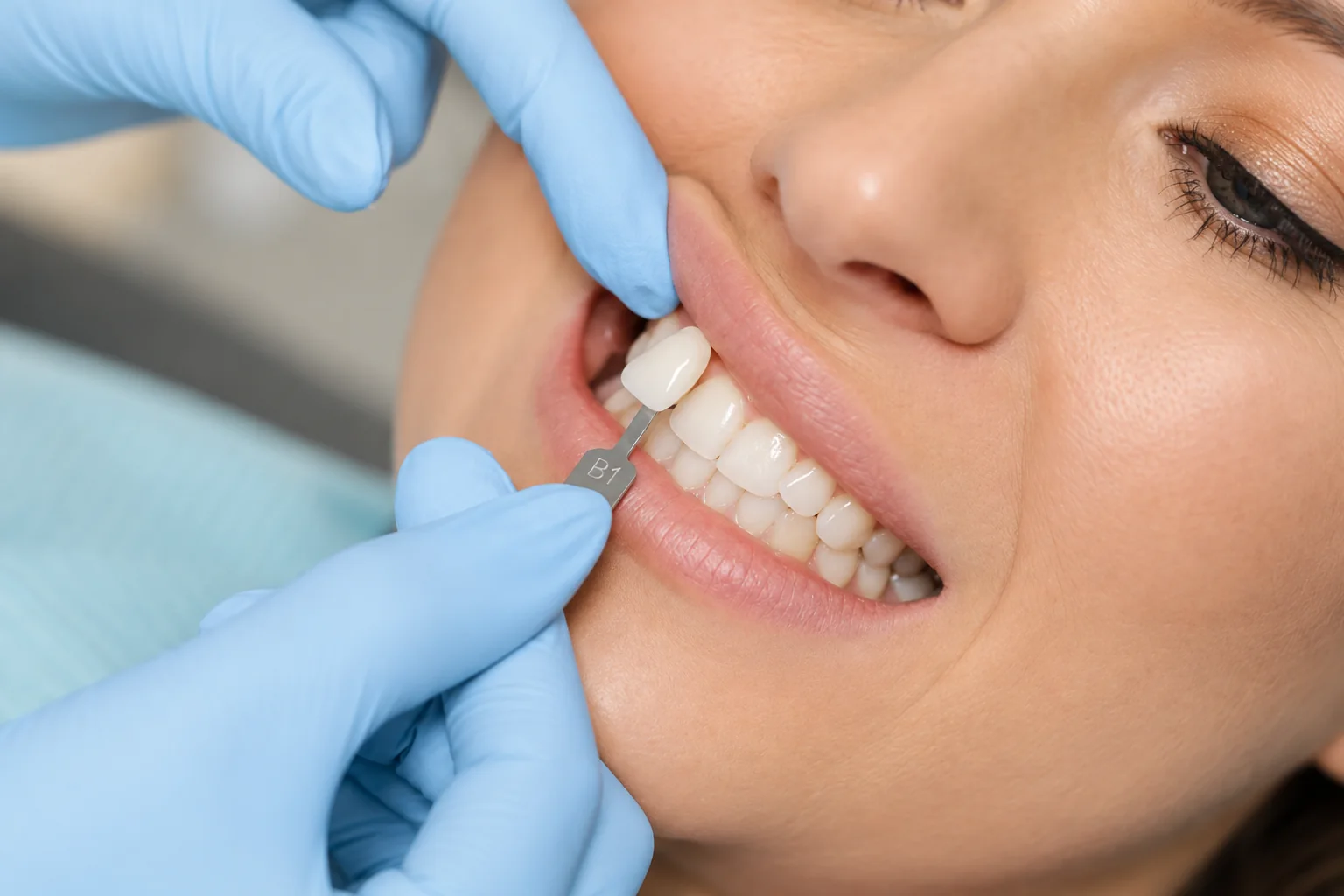
- Shade matching. A composite shade is chosen against your natural teeth in good light while the teeth are still moist, because enamel looks lighter when it dries.
- Surface preparation. The enamel is cleaned, lightly roughened if needed, and treated with a conditioning gel and bonding agent so the resin grips the tooth. Some cases need a little reshaping of the enamel; not every bonding procedure is fully reversible.
- Layering the resin. Composite is applied in thin layers and sculpted toward the final shape. Layering lets Dr. Zohdi build in subtle color variation so the repair does not look flat.
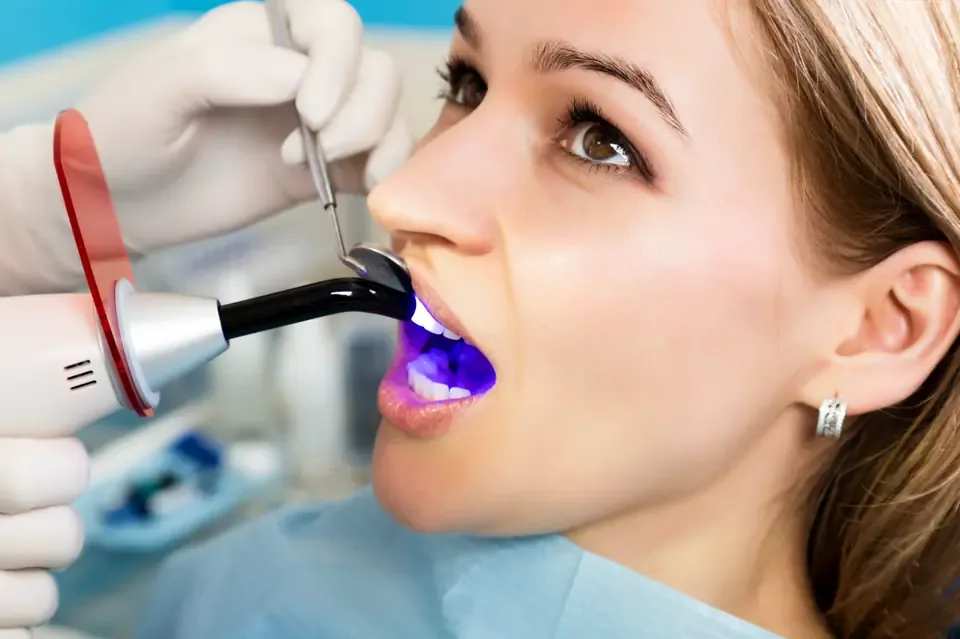
- Curing. A blue light hardens each layer in seconds.
- Shaping, bite check and polish. The resin is trimmed, the bite is checked so no high spot loads the repair, and the surface is polished to a natural shine. You can look in the mirror and ask for adjustments before we finish.
Expect the appointment to take under an hour for one tooth and longer for several. There is no recovery period; you can eat once any numbness wears off.
Understand the tradeoffs
Bonding and porcelain veneers overlap in purpose but differ in commitment. Resin can pick up stain from coffee, tea, wine and tobacco, and it slowly loses its polish. It also chips more easily than porcelain under heavy force. In return, it is faster, usually less expensive, preserves more tooth and is simple to repair or add to later.
Porcelain holds its color and gloss better and resists chipping better, but typically needs enamel preparation and eventually full replacement. Our guide to veneers versus bonding lays the two side by side; the porcelain veneers page covers that option in depth.
One sequencing rule matters regardless of your choice: composite does not bleach. If you are thinking about teeth whitening, do it first, let the color settle for about two weeks, then have the resin matched to the new shade. Bonding first and whitening second leaves a visibly darker patch.

How long bonding lasts and how to protect it
With sensible habits, bonding commonly serves five to ten years before it needs refreshing, and small repairs are straightforward. You can lengthen its life by:
- Avoiding ice, hard candy, pens and fingernails on bonded edges.
- Wearing a night guard if you clench or grind.
- Limiting staining drinks or rinsing with water after them.
- Brushing with a non-abrasive fluoride toothpaste and cleaning between teeth daily.
- Keeping regular cleanings, where the resin can be re-polished if it dulls.
If a bonded edge chips, save any fragment and arrange a visit. Dr. Zohdi will look at why it failed before deciding whether to add resin again or change the approach.
What affects the cost
Bonding is usually the lower-fee cosmetic option because it is completed chairside in one visit with no laboratory work. The fee depends on the number of teeth, the size of each repair and whether anesthetic or reshaping is involved. Insurance may contribute when bonding repairs a broken or decayed tooth; purely cosmetic reshaping is typically not covered. Our insurance and financing pages explain how we help you check.
Taking the next step
If a chip, gap or uneven edge has been bothering you, bonding may fix it in a single visit without changing the rest of your smile. Request an evaluation at our Cleburne office and we will tell you plainly whether bonding is enough or whether another option would serve you better. You can also explore the wider range of cosmetic dentistry options we offer before you come in.
Sources and further reading
General information, not a diagnosis. Read how we create and review our dental guides.