Patients often arrive asking for veneers when what they actually want is to fix one chipped corner, or asking about bonding when they hope to change the color and shape of their whole smile. The two treatments overlap, but they are built for different sizes of change. Choosing between them is really a choice about three things: the problem you want to solve, how much healthy tooth you are willing to alter, and the maintenance you accept afterward.
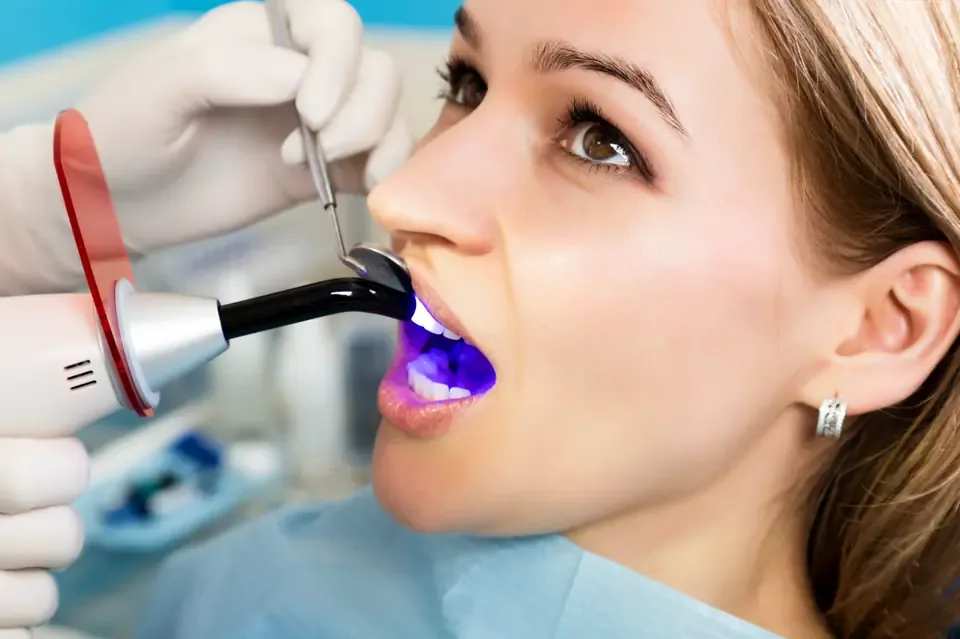
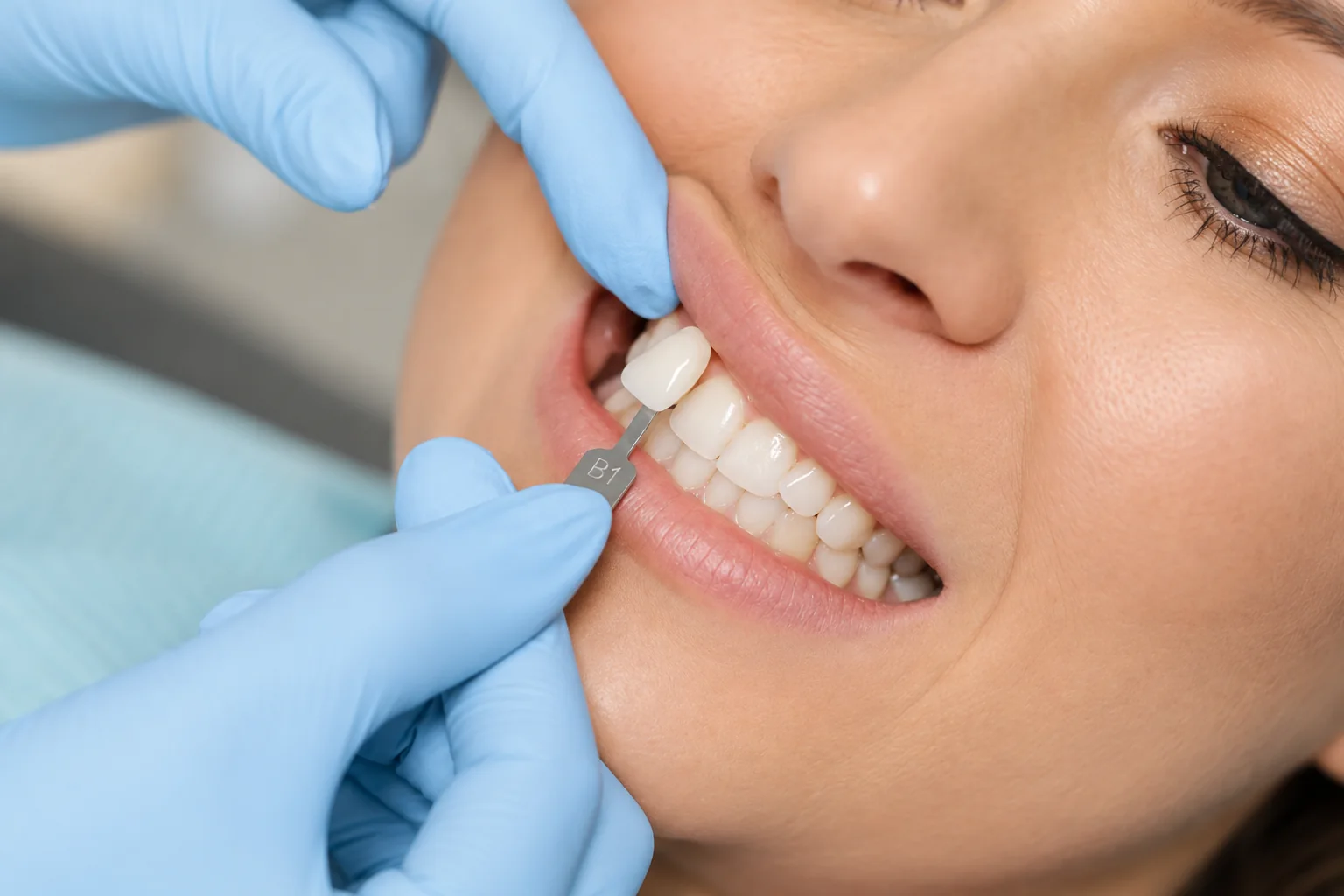
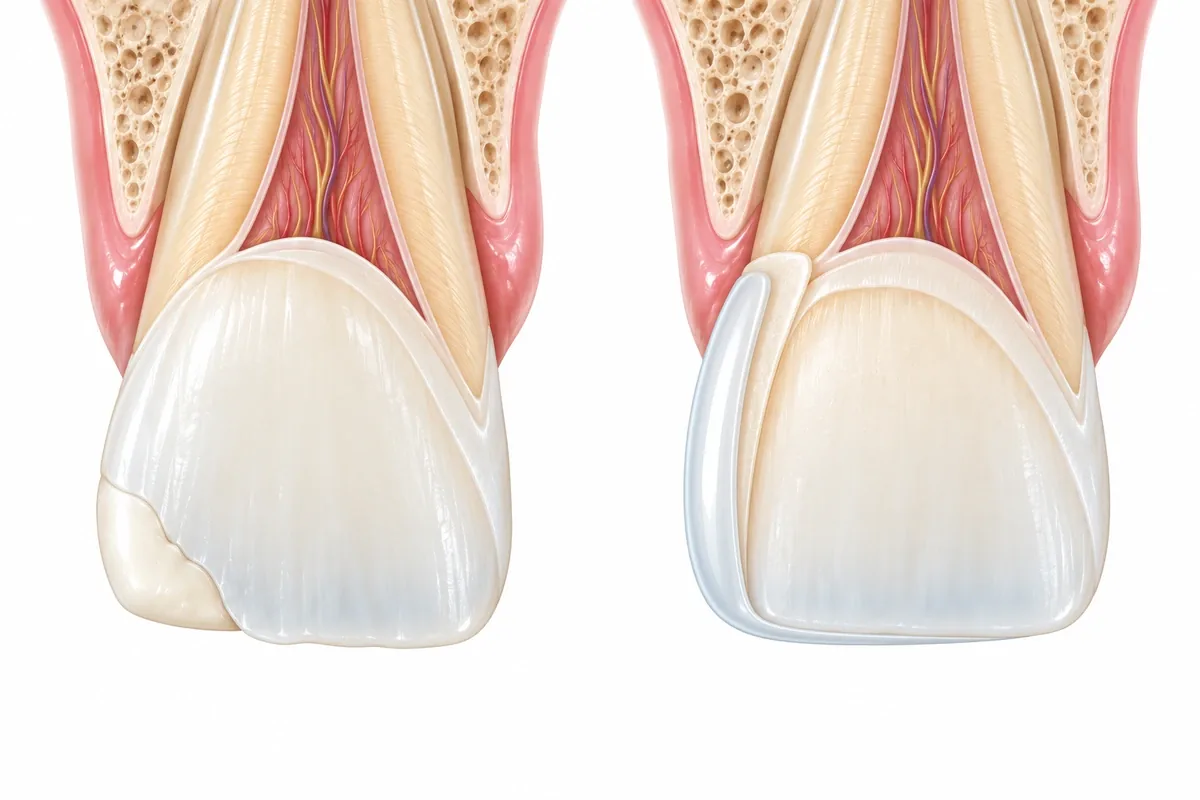
Bonding sculpts tooth-colored resin directly onto the tooth, usually without removing enamel, and is finished in one visit. A porcelain veneer is a thin ceramic shell made in a laboratory and bonded over the whole front surface, usually after a thin layer of enamel is removed to make room. Neither is automatically the better cosmetic treatment.
Below we compare them on the points that matter most, then explain how Dr. Zohdi decides tooth by tooth at our Cleburne office.
Match the treatment to the size of the change
Start with what you want different. If the answer is a single chip, a slightly short tooth, a small gap or one discolored spot, the change is small and local. Dental bonding was designed for exactly that: add a little material, shape it, polish it, done.
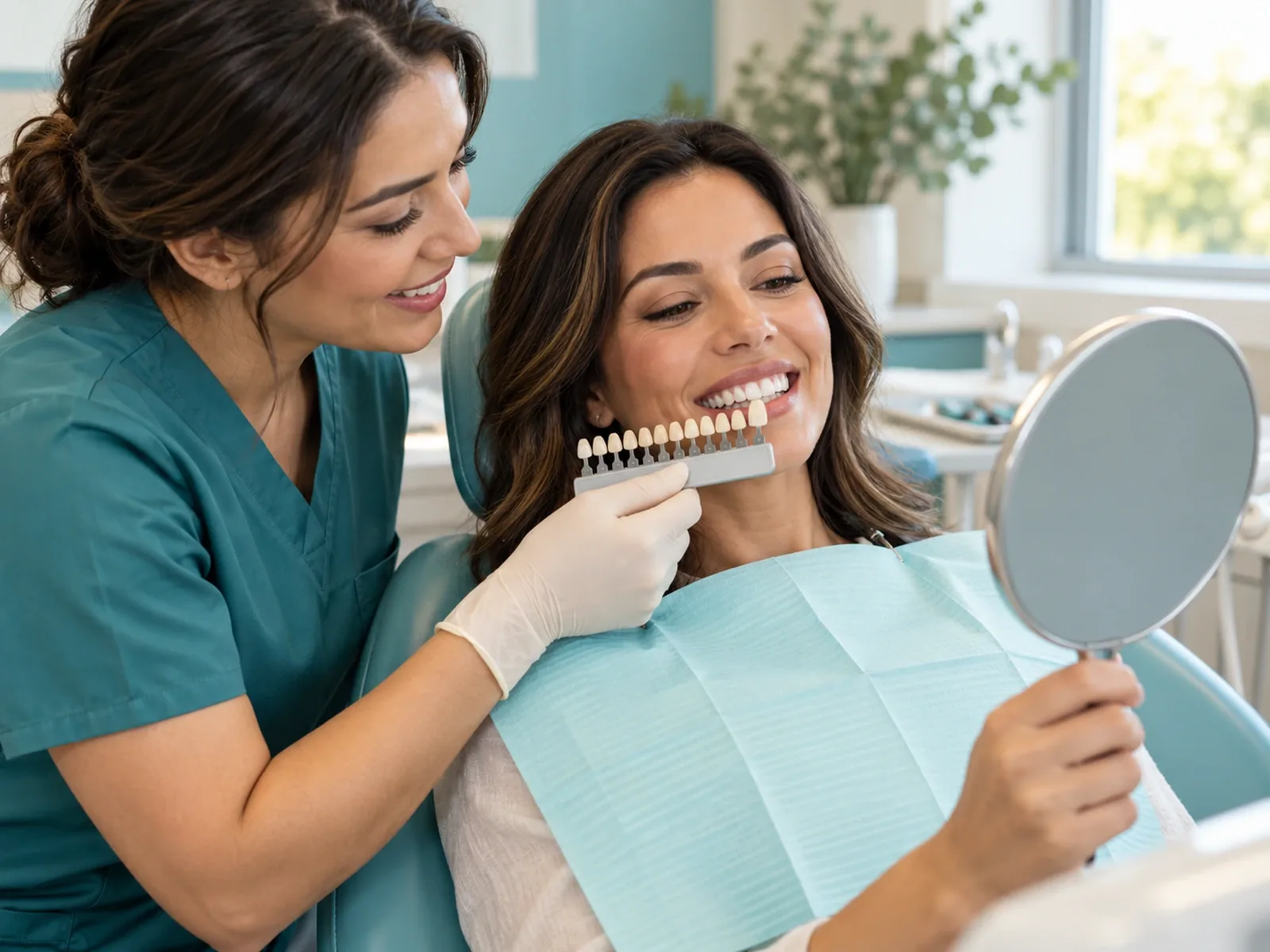
If the answer is "my front teeth are too yellow, too small and uneven, and I want them all to look different," the change is broad and involves color, shape and proportion together. Porcelain veneers handle that combination better, because porcelain can mask dark color in a thin layer and holds a precise shape across several teeth.
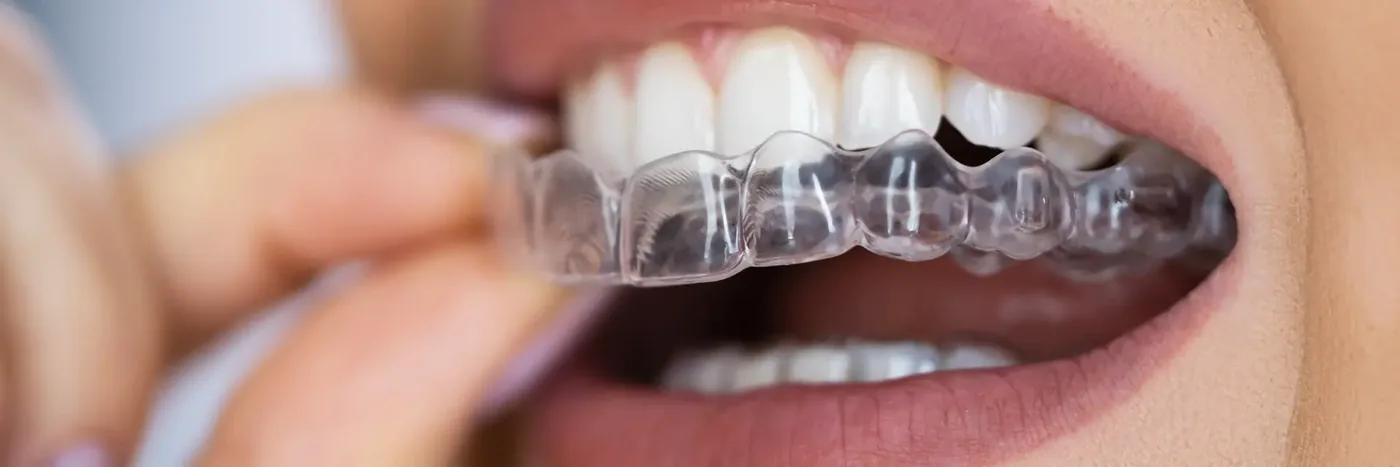
If the real issue is that teeth are crowded or rotated, adding material of either kind only disguises the position. Clear aligners move teeth where they belong and often reduce the number of veneers needed, or remove the need entirely. Active decay and gum disease also have to be treated before any elective cosmetic work.
The two options side by side
| Dental bonding | Porcelain veneers | |
|---|---|---|
| Material | Composite resin, shaped by hand on the tooth | Dental porcelain, made in a laboratory from a scan or impression |
| Enamel removal | Usually none or very little; often reversible | A thin layer on most cases; permanent |
| Visits | One | Two or three over a few weeks, with temporaries between |
| Best for | Small chips, minor gaps, one tooth, exposed roots | Broad color change, reshaping several teeth, worn or uneven smile lines |
| Color stability | Can stain and dull; re-polishable | Resists stain and keeps gloss |
| Strength | Chips more easily under heavy force | Stronger, but can still chip or debond |
| Repair | Add resin or re-polish in the chair | Small chips sometimes polished; otherwise replaced |
| Typical service life | Often five to ten years before refreshing | Often ten years or more before replacement |
| Up-front fee | Lower | Higher per tooth |
Four practical differences explained
Preparation. Bonding onto an intact chip or edge needs only surface conditioning, so the tooth under it is unchanged. Veneers generally need a thin layer of enamel removed so the finished tooth is not bulky. That enamel does not return, which is why a veneered tooth will always need a restoration. The exact amount varies with how much color and shape change is required; ask to have it shown to you.
Color and surface. Porcelain has a depth and translucency closer to natural enamel, and its glazed surface sheds stain. Resin can be matched beautifully on day one, but it is slightly porous, so coffee, tea and wine darken it over years and the polish wears. For one or two teeth this is easily touched up; across eight front teeth it becomes noticeable sooner.
Repair. This is bonding's strongest card. A chipped bonded corner can be rebuilt in a short visit. A chipped veneer can sometimes be smoothed, but a significant fracture usually means a new veneer and a new shade match against teeth that may have changed in the meantime.
Future treatment and lifetime cost. Both create obligations. Bonding is cheaper now but may need refreshing more often; veneers cost more now and last longer but are more expensive to replace. A lower initial fee does not guarantee a lower lifetime cost, and a higher fee does not guarantee indefinite service. Our page on caring for veneers describes what long-term ownership involves.
Ask for a tooth-by-tooth plan
A cosmetic plan does not have to use the same treatment everywhere. A common and sensible plan might whiten all the teeth, bond one chipped corner, and place a veneer only on a single tooth that is badly discolored. Each tooth gets the smallest intervention that solves its particular problem.
Two sequencing points apply whichever way you lean. First, decide about whitening before any shade is chosen, because neither resin nor porcelain will bleach later. Second, if grinding or a heavy bite is part of your picture, that affects both the material choice and whether a night guard belongs in the plan. Photographs, a careful exam and plain conversation about your goals prevent most surprises.
Taking the next step
The most useful thing you can bring to a consultation is a clear description of what bothers you, not a decision about which product to buy. Request a consultation at our Cleburne office and Dr. Zohdi will compare a conservative repair with a broader cosmetic change for each tooth involved. You can also start with our overview of cosmetic dentistry options and our smile gallery to see how different approaches look in practice.
Sources and further reading
General information, not a diagnosis. Read how we create and review our dental guides.