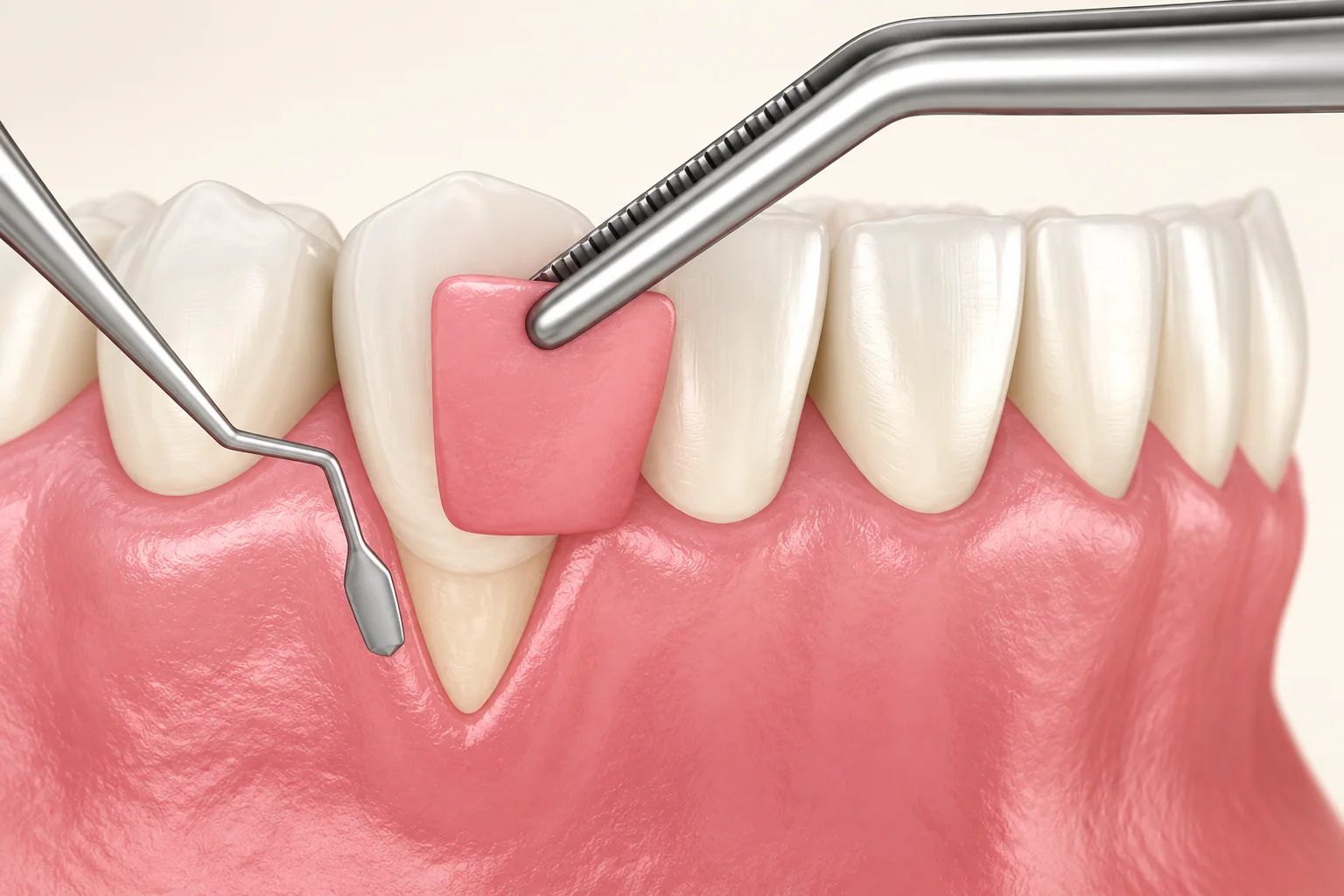
A porcelain veneer is bonded to the front of a tooth, but the tooth is still yours. Its back surface, the enamel at the edges of the veneer, the root and the gum around it are all living tissue that keeps changing. Looking after veneers is mostly about looking after those parts, plus protecting the porcelain from the forces that chip it.
Patients often ask how long veneers last. The honest answer is that it depends more on habits and oral health than on the porcelain. Many veneers serve ten to fifteen years or longer; some chip in the first year because of a nail-biting habit or untreated grinding. This page covers what daily care looks like, which habits cause trouble, what to do when something changes, and how we think about repair versus replacement.
Daily cleaning still matters
Treat a veneered tooth like any other tooth, with a little extra attention at the edges:
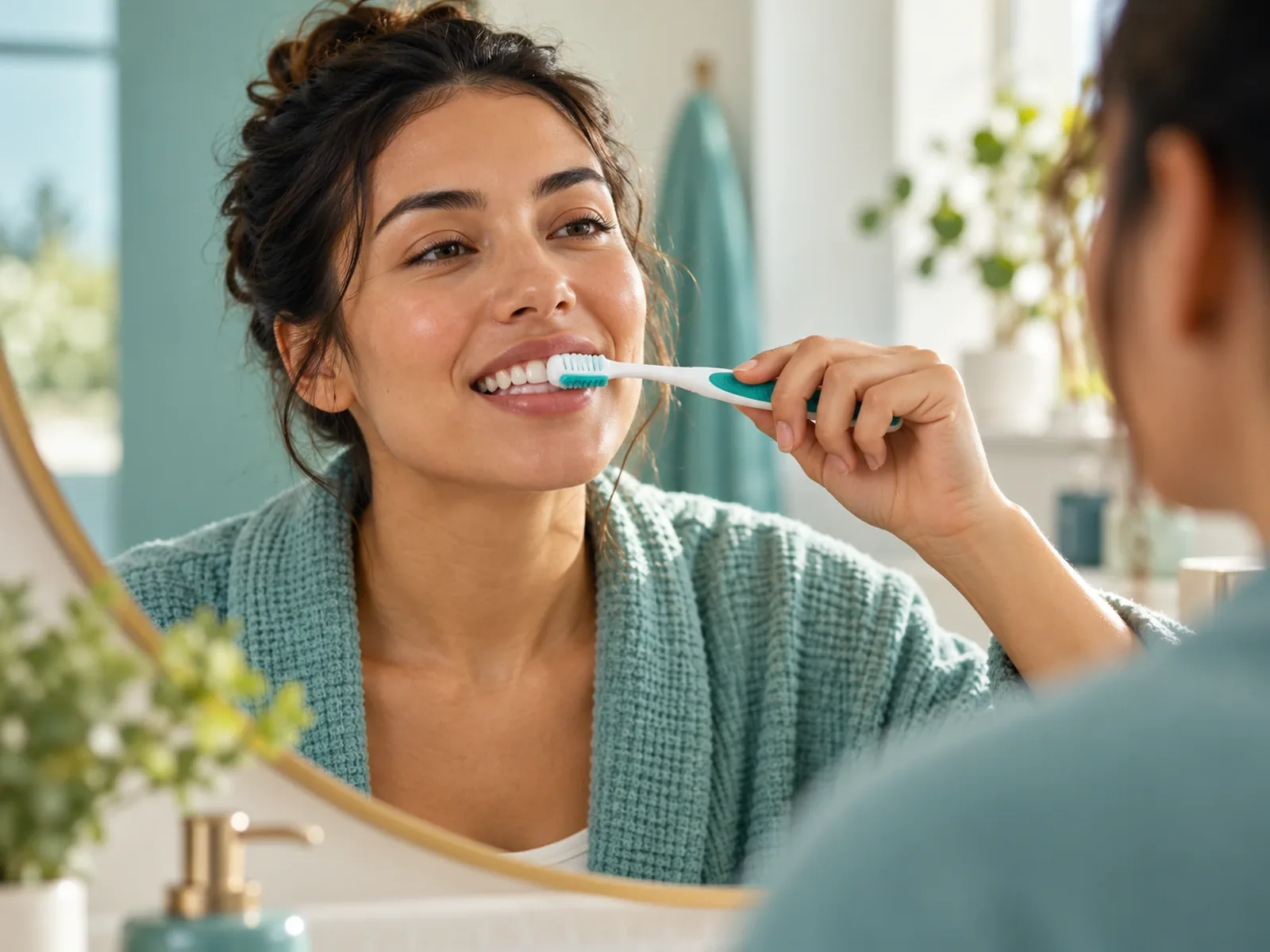
- Brush twice a day with a fluoride toothpaste and a soft brush. Avoid highly abrasive "whitening" pastes, which can dull the glaze over years.
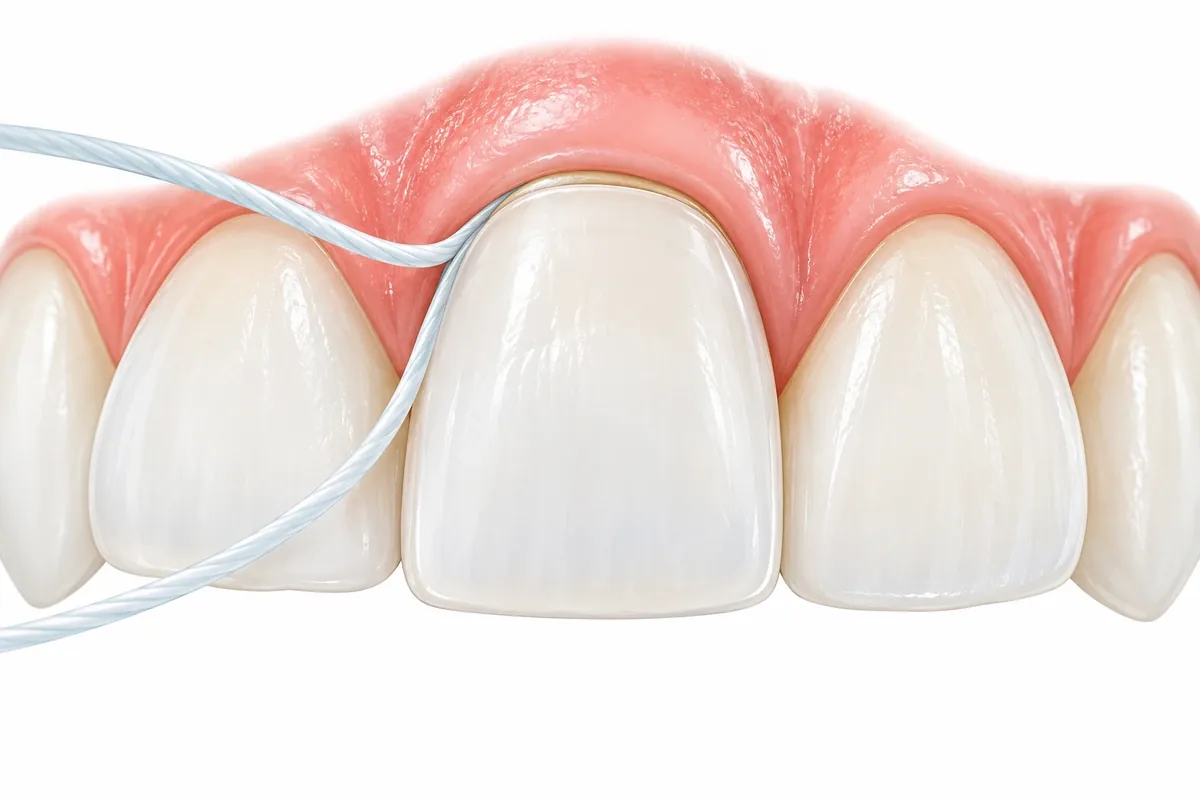
- Clean between teeth daily. Floss or interdental brushes do not pull veneers off. Slide floss in and out rather than snapping it, and tell us if it catches consistently in one spot; a rough margin can be smoothed.
- Pay attention to the gum line. The junction between porcelain and enamel is where plaque gathers and where decay or recession would appear first.
- Keep regular exams and cleanings. Our hygienist uses polishing methods suited to porcelain, and Dr. Zohdi checks each margin and the bite.
The tooth under a veneer can still develop decay, especially at the gum line or on the back surface. Gum recession can expose a previously hidden edge, which may look like a dark line. Regular exams distinguish a cosmetic change from a problem that needs treatment.
Watch the forces on the veneers
Porcelain is strong in compression but brittle against sharp or twisting loads. Most chipped veneers we see at our Cleburne office have a story behind them:
- Biting fingernails, pens or ice.
- Tearing packaging or thread with the front teeth.
- Biting straight into very hard foods such as crusty bread, bones or hard candy. Cut them and chew with the back teeth instead.
- Nighttime clenching or grinding, which loads the front teeth for hours without anyone noticing.
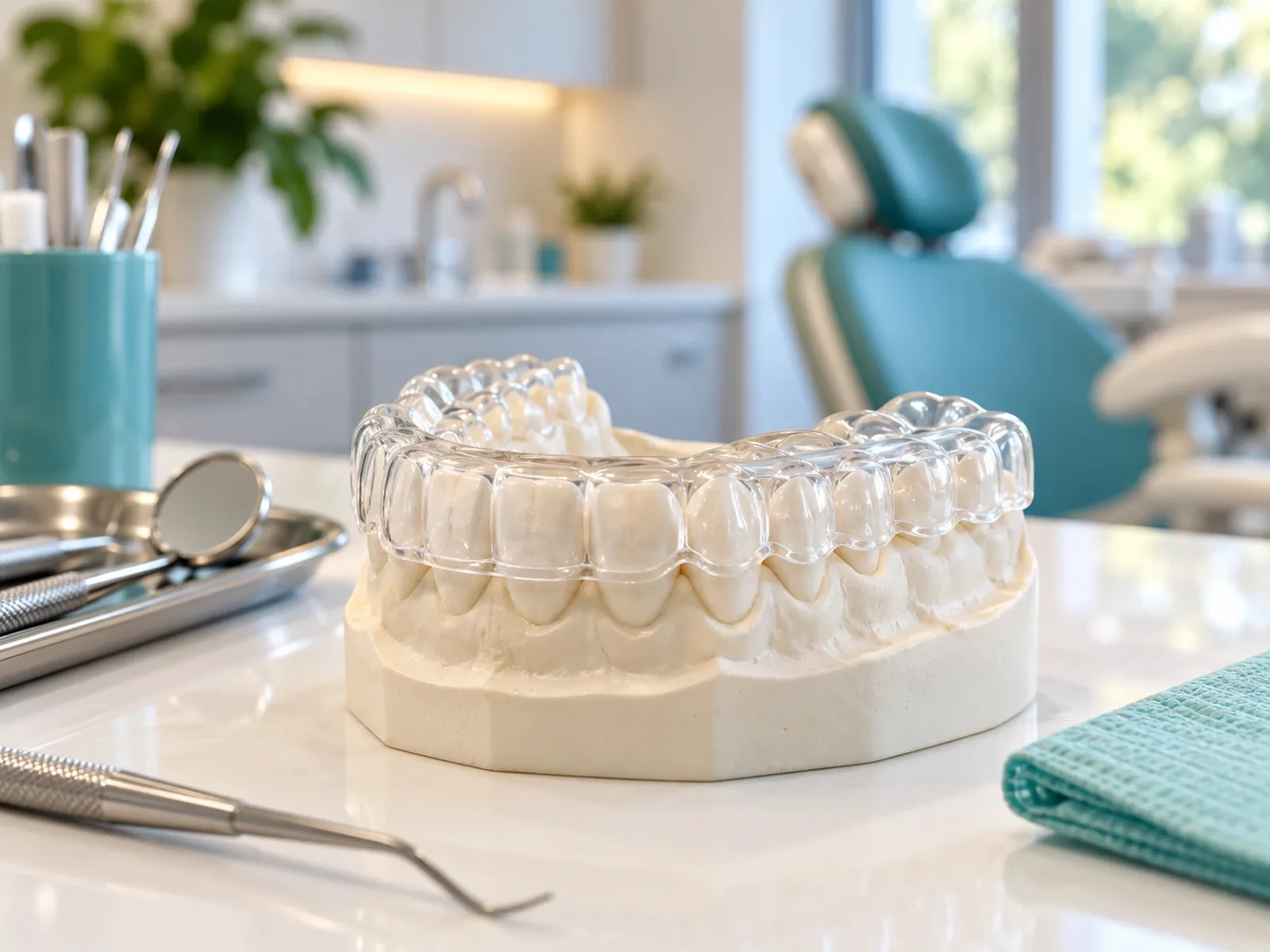
If you grind, or if you have ever worn a flat spot on a natural tooth, ask about a night guard. It must be made to fit your current restorations; an old guard made before veneers may no longer seat properly and can stress the porcelain. Contact-sport players should wear a custom sports mouthguard as well.
Repeated chipping of the same veneer is a signal to look for the cause, usually the bite, rather than cycling through repairs.
Color and the match to your other teeth
Porcelain does not stain easily and does not bleach at all. Over years, the natural teeth next to veneers may darken slightly while the porcelain stays the same, or the thin cement line at the edges may pick up color. Two habits keep the match:
- Whiten the natural teeth, if you want to, before new veneers are made, and let the shade settle for about two weeks.
- Afterward, occasional touch-up whitening of the untreated teeth keeps them in step with the porcelain.
Avoid tobacco, which stains the margins and the surrounding teeth faster than anything else.
What to do if something changes
Arrange an examination promptly for:
- A veneer that feels loose, moves or has come off entirely.
- A sharp edge or a visible chip.
- New sensitivity to cold or sweet on a veneered tooth.
- A noticeable change in the way your teeth meet.
- A dark line or gap appearing at the gum edge.
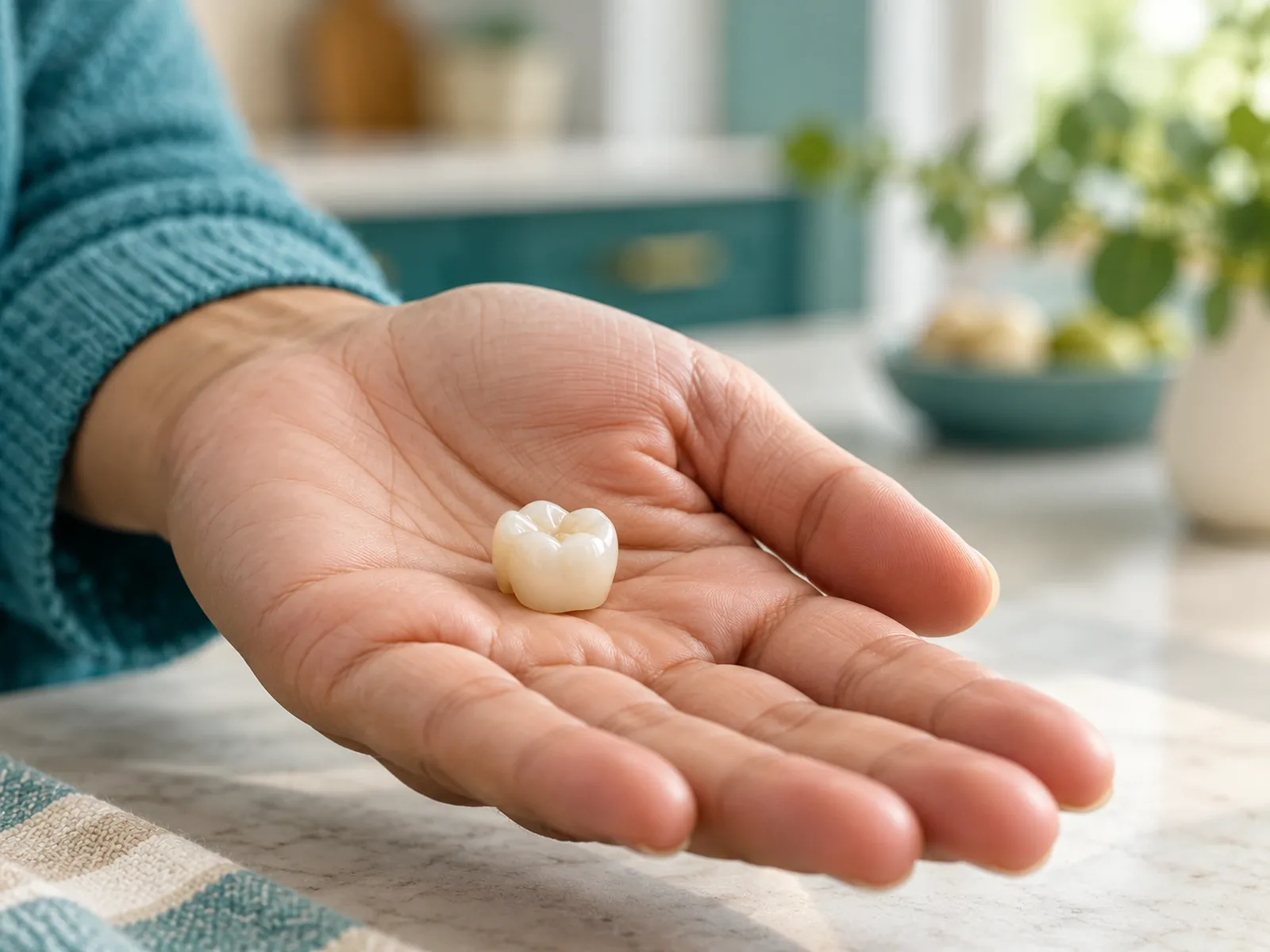
If a veneer comes off, keep it in a clean container, avoid chewing on that tooth and call us. The tooth may be sensitive because prepared enamel is exposed. Do not try to glue it back with household adhesive; that damages the surface and makes proper re-bonding harder. Our page on a lost crown or filling applies to a detached veneer as well. An intact veneer can often be re-bonded; a cracked one is usually replaced.
Repair, replace or leave it alone
A small chip at an edge can sometimes be smoothed and polished, or patched with composite resin, which buys time without disturbing the veneer. A larger fracture, a veneer that has debonded repeatedly, or decay under the margin usually means replacement.
Replacing a single veneer raises a shade-matching question, because its neighbors and any older restorations may have changed since the original set was made. Sometimes the right answer is one new veneer carefully matched; sometimes, when several are aging together, it is better to replace them as a set. There is no replacement date on a calendar. We decide based on the veneer's condition, the health of the tooth under it, your bite and your goals.
What affects the cost of upkeep
Routine care costs no more than for natural teeth: exams, cleanings and the occasional polish. Additional costs come from a night guard, a repair or an eventual replacement, and replacement fees depend on the number of veneers and the complexity of the match. Because veneers are elective, insurance rarely helps, though coverage for a replacement needed because of decay or fracture can differ. Our financing page explains payment options.
Taking the next step
If you are still deciding on treatment, our comparison of veneers and bonding and the main porcelain veneers page explain the long-term commitment. If you already have veneers and have noticed a change in comfort, appearance or fit, request a review at our Cleburne office; small problems caught early are usually small repairs. Our cosmetic dentistry overview covers related options.
Sources and further reading
General information, not a diagnosis. Read how we create and review our dental guides.