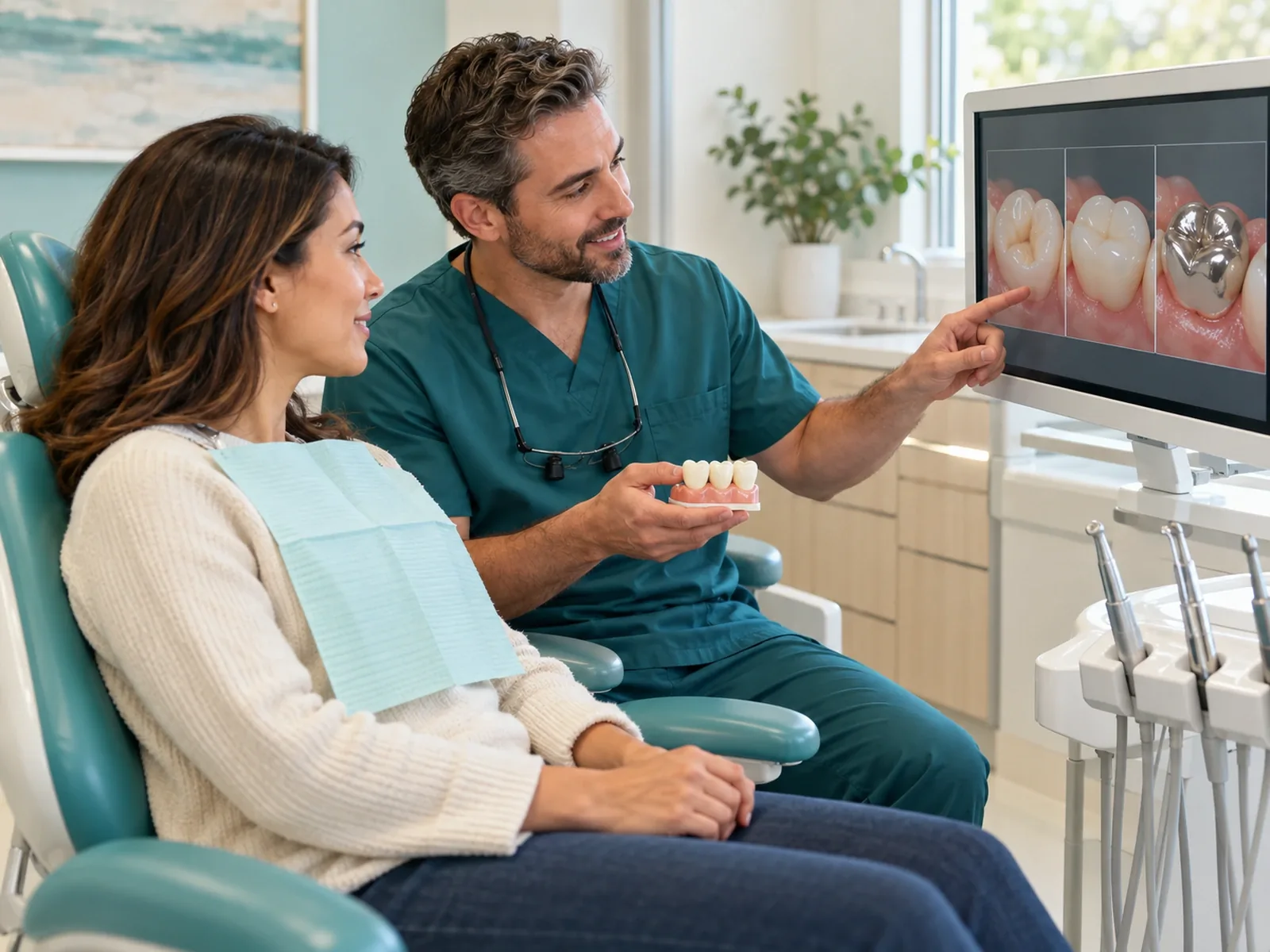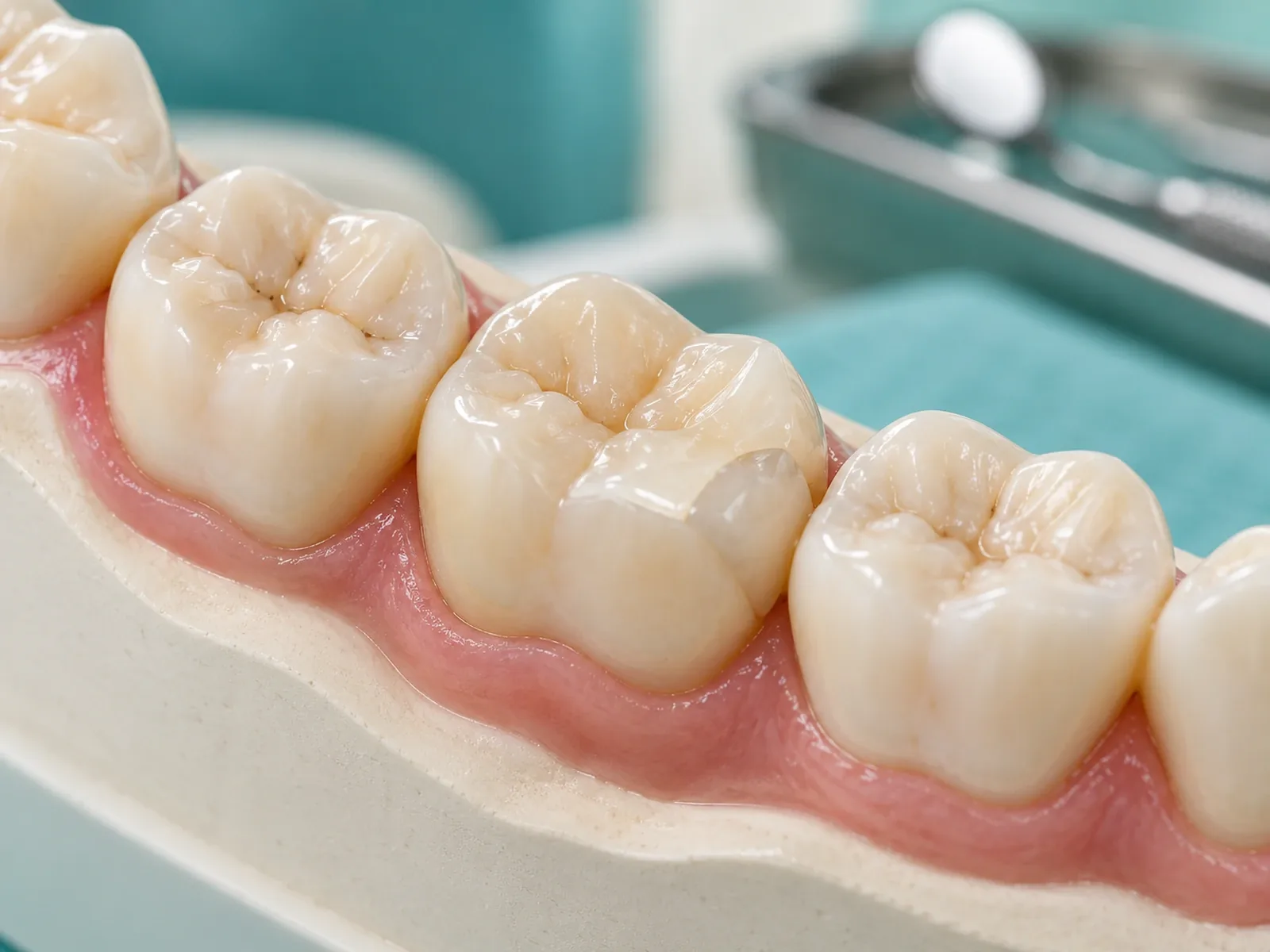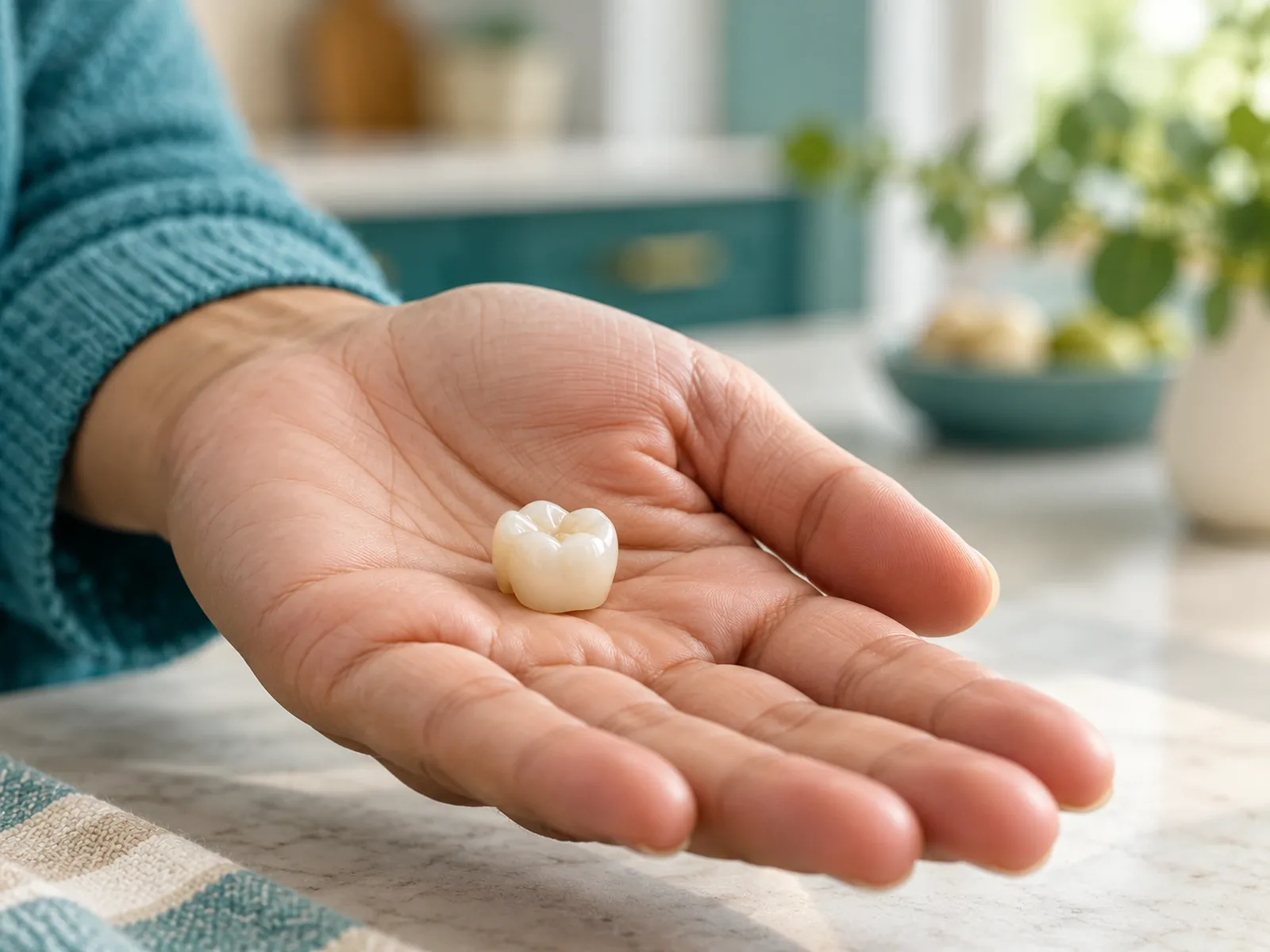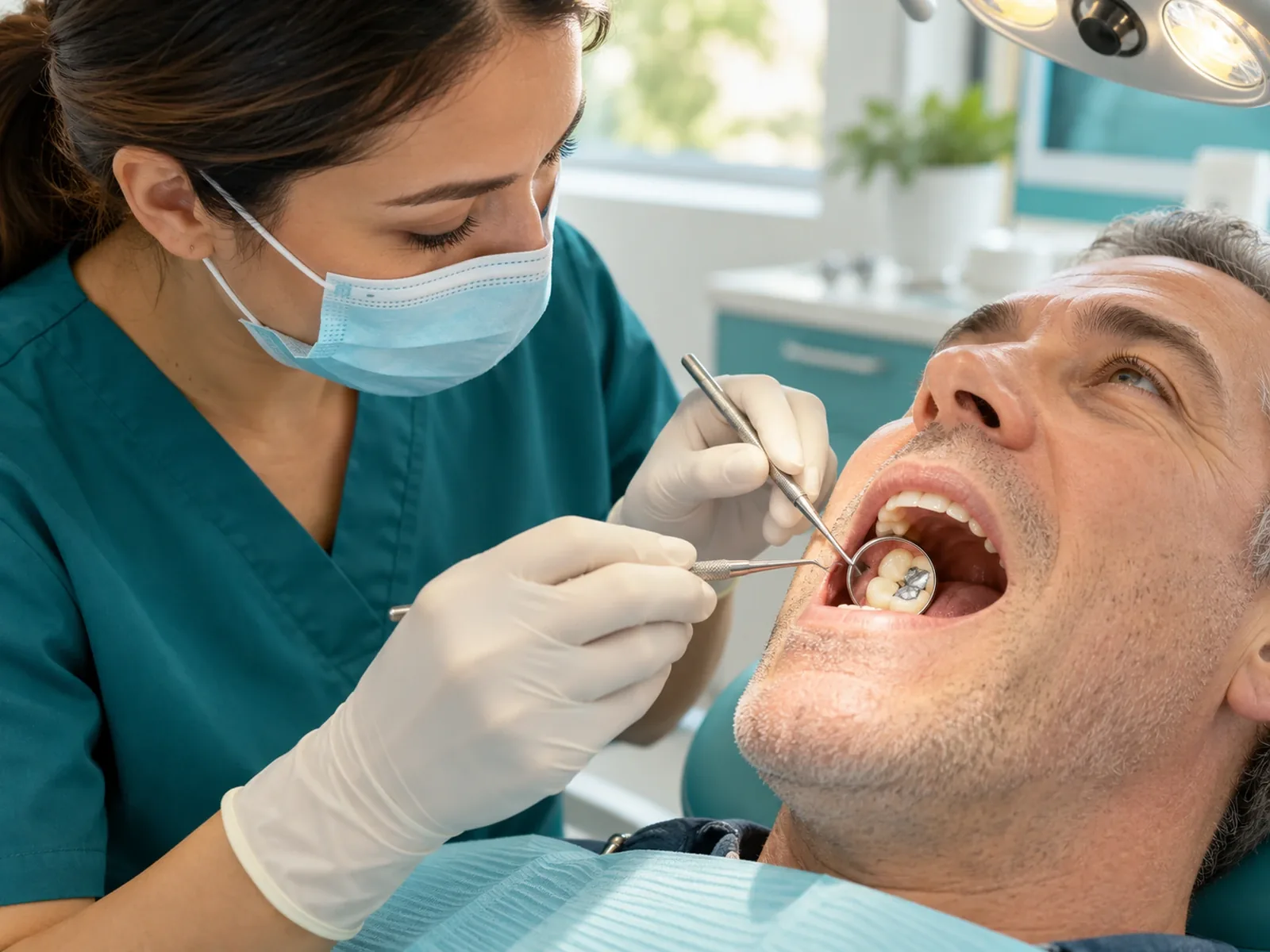
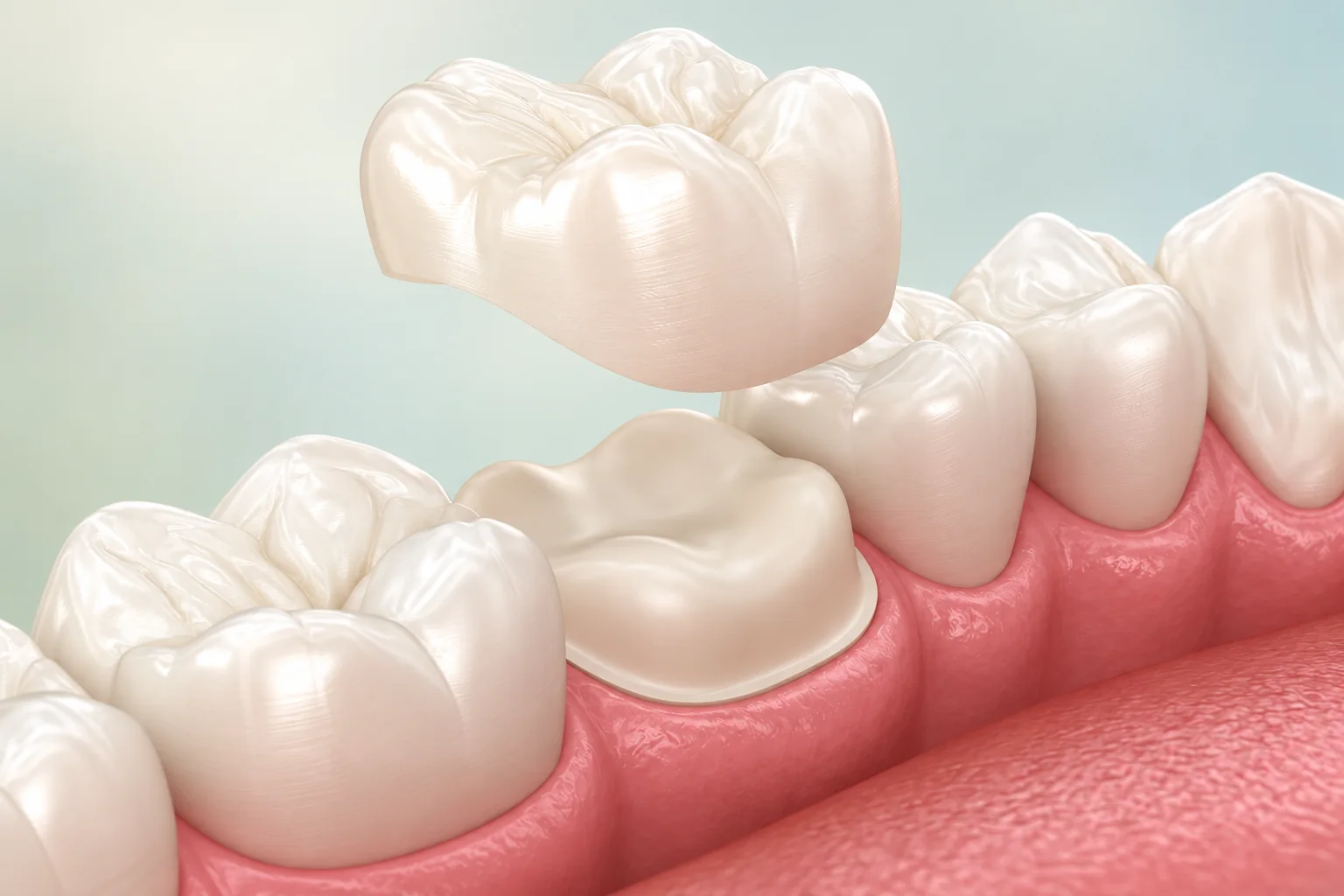
A dental crown is a custom-made cap that covers the whole visible part of a tooth above the gumline. It is used when a tooth has lost too much structure for a filling to hold reliably but still has a healthy root worth keeping. Crowns are among the most common repairs in dentistry, and most of the crowns we place at Cleburne Dental are metal-free porcelain.
Because a crown means reshaping the tooth, the reason for recommending one should be clear to you before anything starts. This page explains when a crown is likely to help, what happens at each visit, which materials we use and why, how long crowns tend to last, and what the alternatives are.
If a crown has just come off or a tooth has broken, start with our guide to a lost crown or filling and call (817) 641-6261 during office hours.
When a crown may be recommended
A filling replaces missing material. A crown holds the remaining tooth together. That difference is the heart of the decision. Dr. Zohdi may suggest a crown when you have:
- A cavity too large to fill with composite resin, especially in a back tooth
- A cracked or fractured tooth that is at risk of splitting further
- A tooth that has had root canal treatment and needs protection from chewing forces
- A tooth badly worn down by grinding or clenching
- A broken cusp or other significant loss of structure
- A dental implant that needs its final tooth
- A discolored or misshapen tooth where other cosmetic options are not suitable
Two cavities that look the same size from the top can leave very different amounts of reliable tooth underneath. Thin walls, undermined cusps, hairline cracks, and the way the tooth meets its neighbors all matter more than the size of the hole. Our filling-versus-crown comparison walks through those factors, and an inlay or onlay is sometimes a middle option that covers only the weak cusps.
Making sure the tooth can support a crown
Before anything is prepared, Dr. Zohdi checks whether the tooth is actually worth crowning. That means looking at the pulp (the nerve inside), the root and surrounding bone, the gums, and how the tooth takes force in your bite. Dental X-rays show what is happening below the surface.
Some teeth need other treatment first. A tooth with an inflamed or infected pulp may need root canal treatment before the crown. A tooth with very little structure left above the gum may need a build-up or post to give the crown something to hold.
A few teeth cannot be saved. A crack that runs down into the root, or a fracture below the bone, usually cannot be fixed by covering it. In that case we talk honestly about whether to save or remove the tooth rather than placing a crown that is likely to fail.
Which crown material, and why it matters
Crowns can be made from several materials, and the right one depends on where the tooth is, how hard you bite, how much room there is, and how visible the tooth is when you smile.
| Material | Strengths | Trade-offs |
|---|---|---|
| Lithium disilicate porcelain (e.max) | Metal-free, translucent like enamel, strong enough for most back teeth | Needs adequate thickness; very heavy grinders may need a different choice |
| Zirconia | Very strong; suits molars and people who grind | Less translucent in its strongest forms |
| Porcelain fused to metal | Long track record | The metal core can show as a dark line at the gumline over time |
Our usual choice is lithium disilicate porcelain, commonly known by the brand name e.max. It is milled from a single block of ceramic, so there is no layered porcelain to chip and no metal to show at the gum. It transmits light the way natural enamel does, which is why it is hard to tell from the neighboring teeth. It is also metal-free, which matters to patients with metal sensitivities or who simply prefer a non-metallic restoration.
That said, the most expensive or most beautiful material is not automatically right for every tooth. A back molar in someone who grinds heavily may do better in zirconia; a front tooth usually calls for the most natural-looking ceramic. Ask which material is proposed for your tooth and why.
What happens at your crown appointments
Getting a crown at our Cleburne office usually takes two visits.
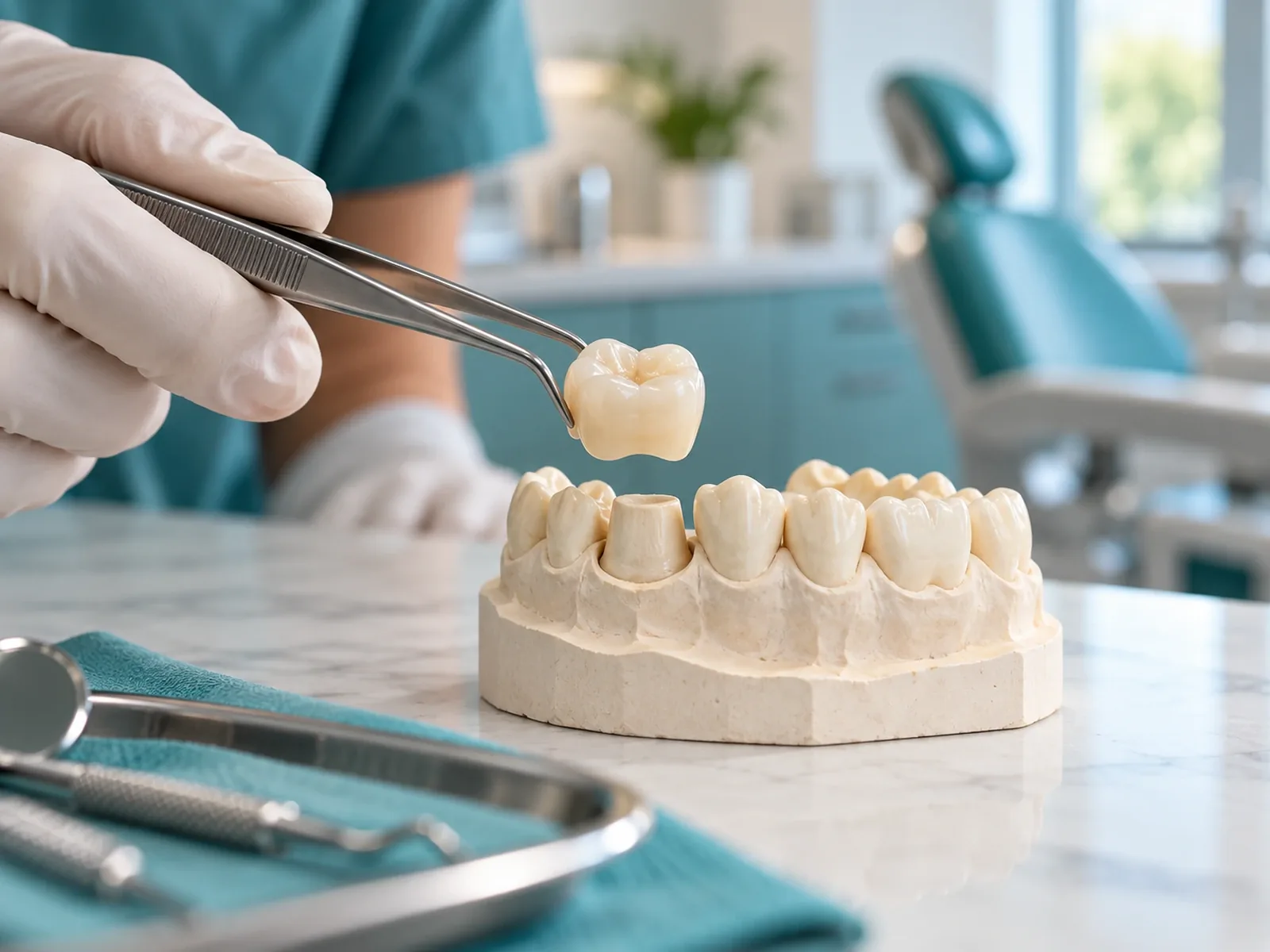
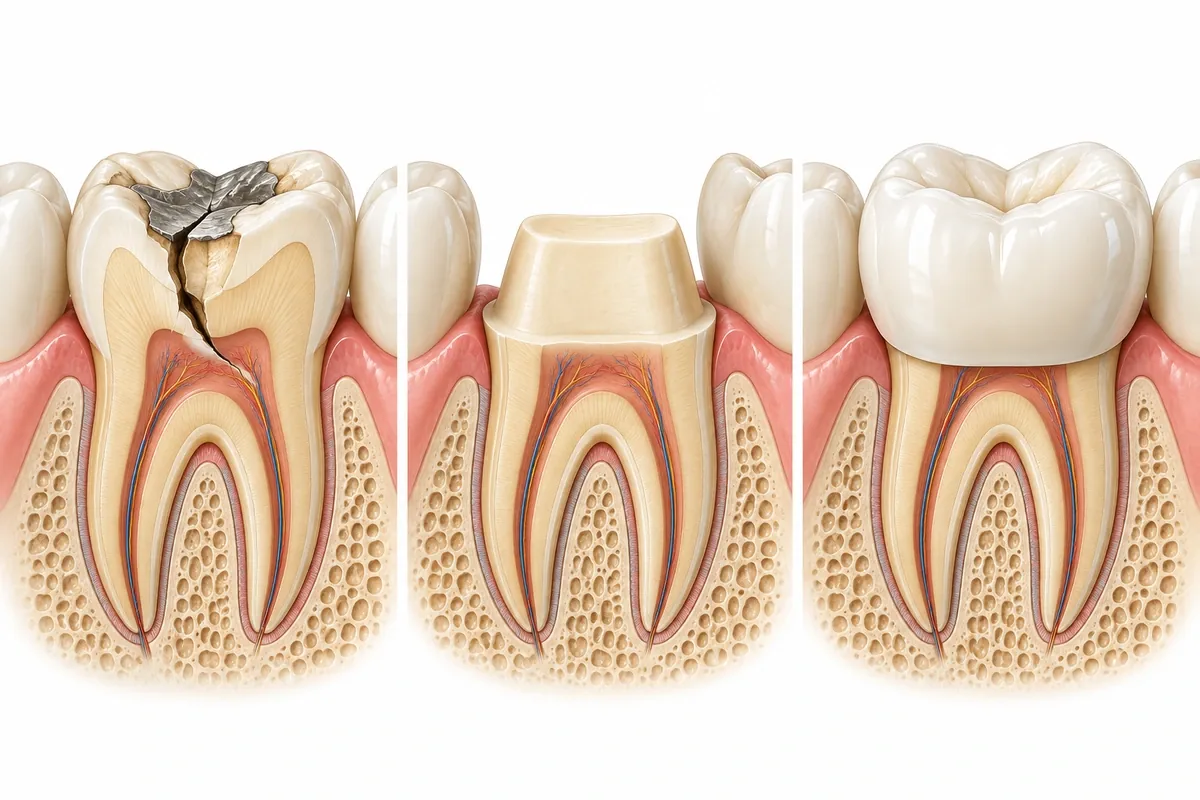
Visit one: preparation. The tooth is numbed with local anesthetic. Dr. Zohdi removes any decay or old filling material, then reshapes the tooth, taking away a thin, even layer so the crown has room to fit without looking bulky. A digital impression captures the exact shape of the prepared tooth and the teeth it bites against. A temporary crown is placed to protect the tooth and hold its position while the final crown is made.
Between visits. The temporary is held with a weaker cement on purpose. Chew on the other side when you can, avoid sticky or very hard foods, and floss by sliding the floss out sideways rather than pulling it up. Some sensitivity to cold is normal. If the temporary comes off or feels loose, call us; the prepared tooth should not stay exposed for long.
Visit two: placement. The temporary is removed and the final crown is tried in. Dr. Zohdi checks the fit at the gumline, the contact with neighboring teeth, the color, and your bite. Once everything is right, the crown is permanently bonded or cemented. Most people stop noticing a new crown within a few days.
Caring for a crown and how long it lasts
With good care, a porcelain crown commonly lasts ten to fifteen years, and many last longer. The crown itself does not decay, but the tooth underneath can, right at the edge where crown meets tooth. That margin is where most crown problems begin, so it is where your brushing and flossing matter most.
To get the most from a crown:
- Brush twice a day and clean between teeth daily, paying attention to the gumline
- Do not chew ice, bite nails, or open packages with your teeth
- Wear a night guard if you grind or clench; grinding is the fastest way to crack any crown
- Keep regular exams and cleanings so we can check the margins and your bite over time
Call us if a crowned tooth becomes tender to bite on, feels high, catches floss, or if the gum around it stays sore. These are usually simple to correct when caught early.
What a crown costs and what affects it
The fee for a crown varies with the tooth's location, the material, and whether the tooth needs a build-up, root canal treatment, or other work first. Many dental insurance plans cover a portion of a crown placed for structural reasons such as a fracture or large cavity, but usually not one placed purely for appearance. Our team verifies your benefits before treatment and gives you an estimated out-of-pocket figure, and financing options are available. See our insurance and financing pages for details.
Alternatives to a crown
- A tooth-colored filling replaces lost material when the remaining walls are strong. See tooth-colored fillings.
- An onlay covers one or more weak cusps while leaving healthy surfaces untouched.
- A veneer covers only the front surface and suits cosmetic changes on structurally sound front teeth. Crowns are for teeth that need protection; porcelain veneers are for teeth that need a new face.
- Extraction and replacement when the tooth's outlook is poor; see dental implants.
Sources and further reading
General information, not a diagnosis. Read how we create and review our dental guides.