
Snoring that shakes the house, pauses in breathing that a partner notices, waking unrefreshed no matter how long you slept: these are the signs most people associate with sleep apnea, and they are worth taking seriously. Obstructive sleep apnea is a medical condition that affects the heart, blood pressure, blood sugar, mood, and daytime safety. It is diagnosed by a sleep physician, usually with an overnight sleep study.
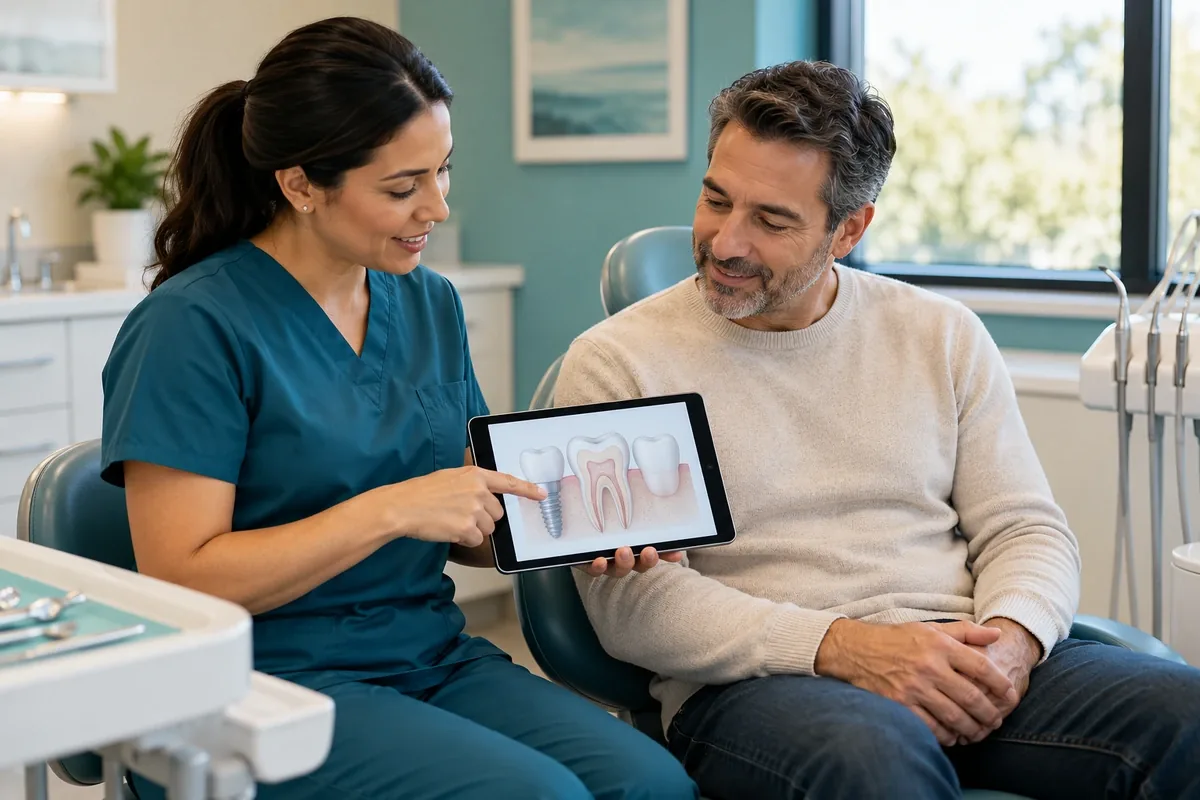
Where a dentist fits in is treatment. For many people, a custom oral appliance that holds the lower jaw slightly forward during sleep keeps the airway open enough to stop snoring and reduce apnea events. At Cleburne Dental we work alongside sleep physicians: they diagnose and set the treatment goal, and we make and adjust the appliance, then monitor your teeth and jaw while you use it. It is one of the less expected items among our services, and this page explains what it involves, from symptoms and diagnosis to who an appliance suits and what treatment looks like.
What obstructive sleep apnea is
During sleep the muscles of the throat and tongue relax. In some people they relax enough that the airway narrows or closes, air stops moving for several seconds, oxygen drops, and the brain briefly rouses the body to reopen the airway. This can happen dozens of times an hour without the sleeper remembering it. Snoring is the sound of air squeezing through a narrowed airway; it can occur with or without apnea.
Over time, the repeated oxygen drops and broken sleep are linked to high blood pressure, heart disease and stroke, type 2 diabetes, depression, and drowsy driving. Age, weight, family history, chronic nasal congestion, and thyroid problems all raise the risk. Treating sleep apnea is about long-term health as much as a quieter night.
Signs worth mentioning
Make a note of any of these and raise them with your physician or with us at your next visit:
- Loud, regular snoring, or snoring followed by silence and a gasp
- Pauses in breathing noticed by a partner
- Waking with a dry mouth, sore throat, or headache
- Daytime sleepiness, trouble concentrating, or nodding off while reading or driving
- Waking often to use the bathroom; irritability or low mood
- High blood pressure that is hard to control
- Teeth worn or chipped from grinding, which often accompanies disturbed breathing
- A scalloped tongue edge, large tonsils, or a narrow upper jaw noticed at a dental exam
Dentists often spot these clues during routine exams and cleanings because we look at the throat, tongue, and bite anyway. Spotting them is not a diagnosis; it is a reason to get one.
Why a medical diagnosis comes first
Sleep apnea can only be diagnosed with a sleep study, and only a physician can make the diagnosis. The study measures how often breathing is disrupted and how far oxygen drops, placing the condition in a mild, moderate, or severe range. That range decides the treatment:
- Snoring without apnea can often be treated with an oral appliance alone.
- Mild to moderate sleep apnea can be treated with CPAP or an oral appliance; many people prefer the appliance, and physicians often support it in this range.
- Moderate to severe sleep apnea is best treated first with CPAP, the mask that delivers gentle air pressure. An oral appliance is considered when CPAP cannot be tolerated, or sometimes alongside it.
Starting with an appliance before a study risks treating severe disease with a tool designed for milder cases. Many studies can now be done at home with a small monitor worn for a night, and we can help coordinate the test and the physician referral so you are not navigating it alone.
How an oral appliance works
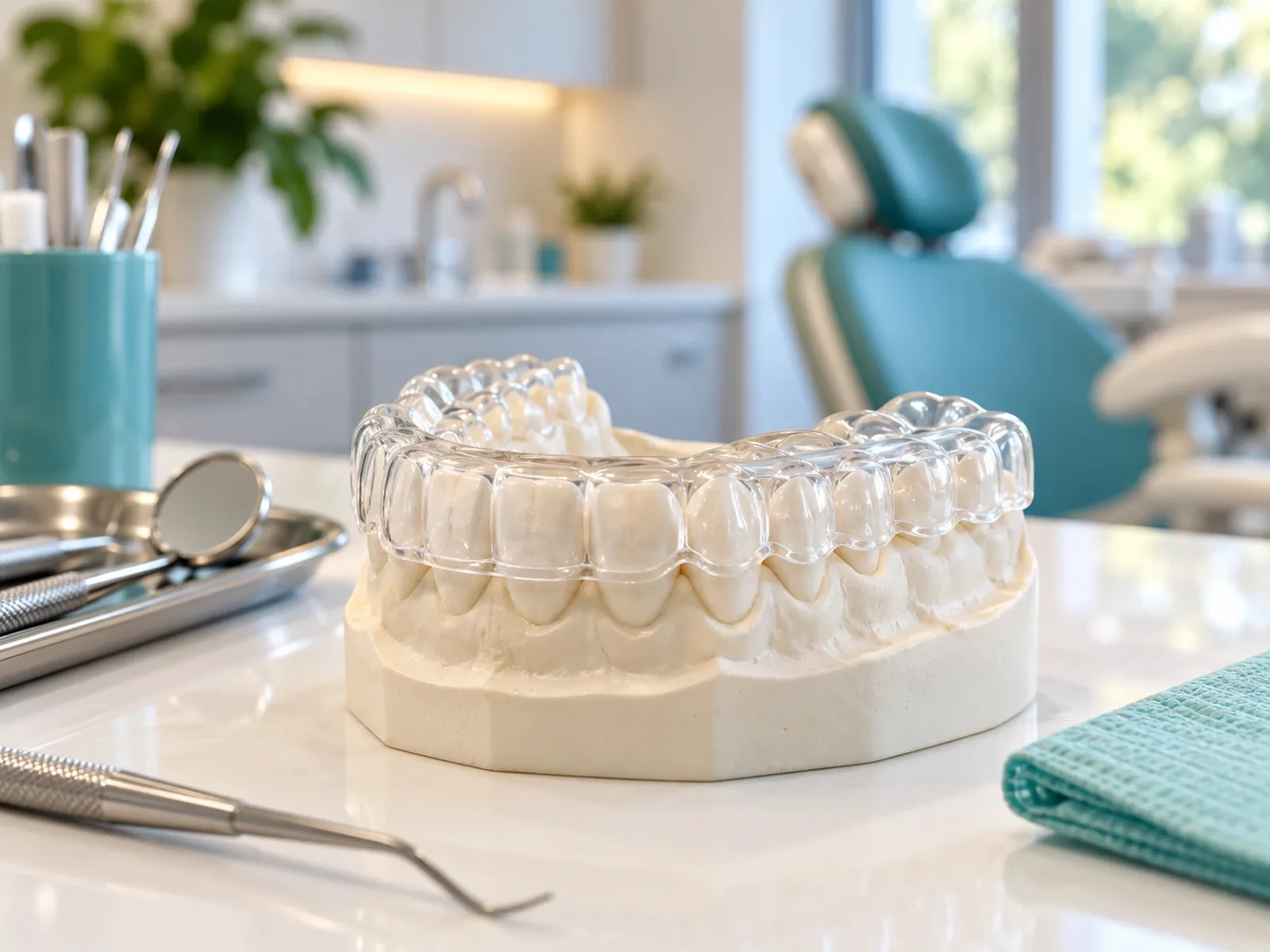
The most common dental device for sleep apnea is a mandibular advancement appliance: two slim retainers, one for the upper teeth and one for the lower, connected at the sides so the lower jaw rests a few millimeters forward. Moving the jaw forward pulls the tongue and soft tissue with it, widening the airway behind them.
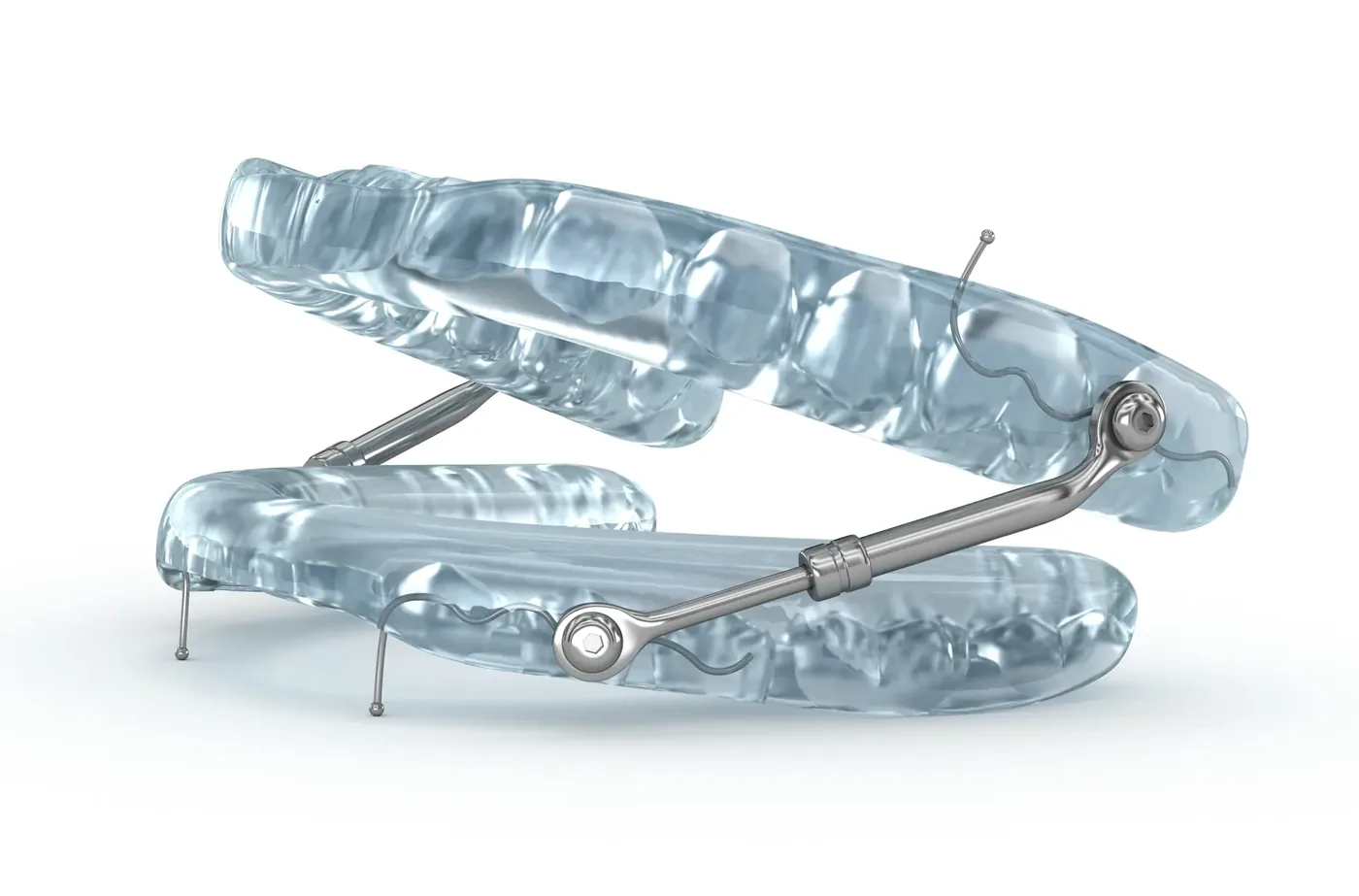
The appliance is custom-made from impressions or a digital scan of your teeth, so it fits precisely and does not shift during sleep. The forward position is adjustable in small steps, which lets us find the setting that controls your symptoms with the least strain on your jaw. Unlike a night guard, which protects teeth from grinding but does not reposition the jaw, a sleep appliance is a medical device fitted to a diagnosis.
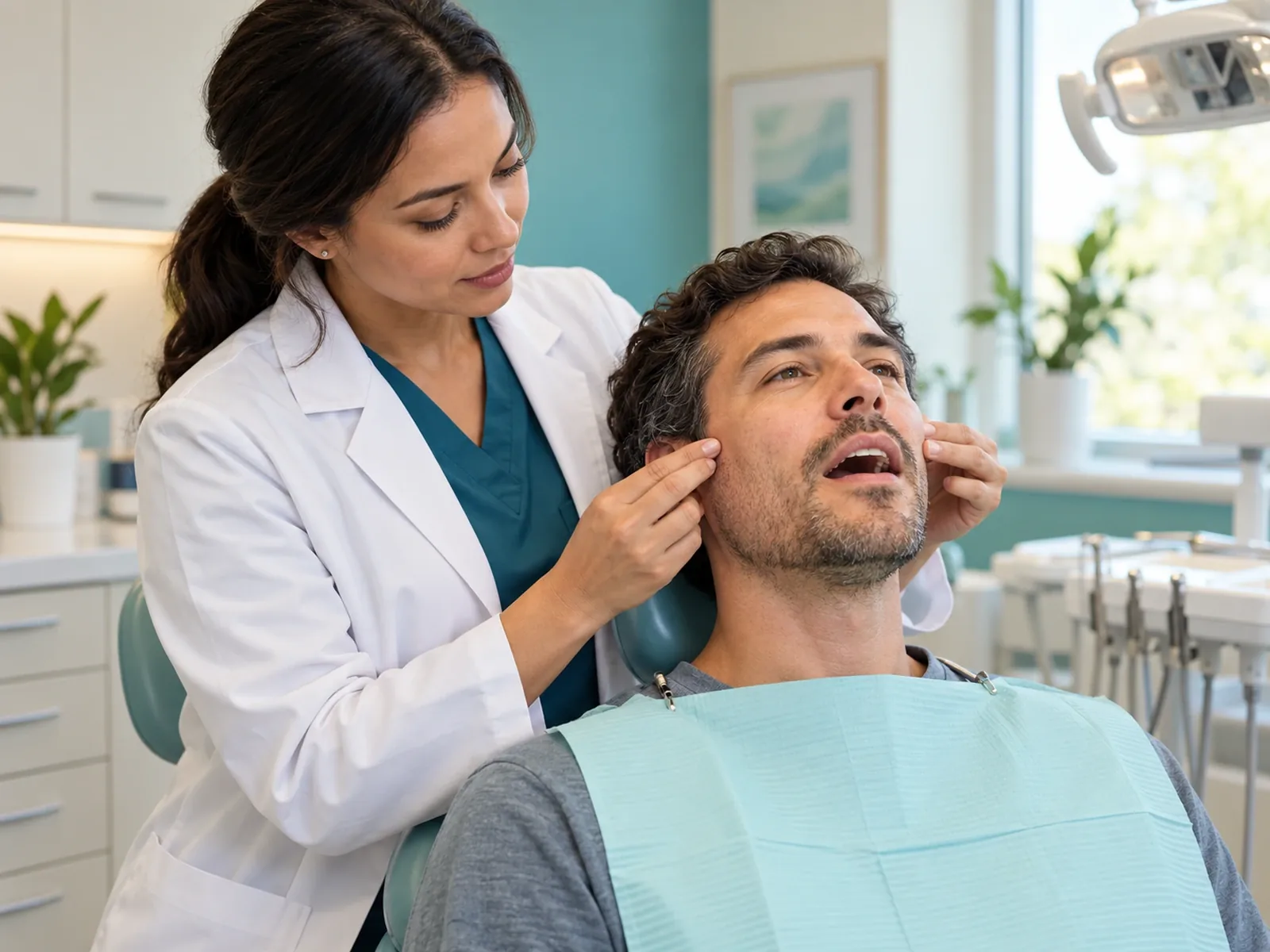
To wear one comfortably you need enough healthy teeth to hold it, gums without active disease, and jaw joints that tolerate the forward position. Dentures, loose teeth, untreated gum disease, or significant jaw joint problems may rule it out or need addressing first.
What treatment looks like
- First visit. We talk through your symptoms and sleep history, examine your airway, teeth, gums, and jaw, and, if you do not yet have a diagnosis, help arrange the sleep study and physician review.
- Diagnosis and prescription. The sleep physician confirms sleep apnea and its severity and recommends oral appliance therapy if appropriate.
- Records and fabrication. Impressions or a digital scan and a bite record in a slightly forward jaw position go to the dental laboratory that makes the appliance.
- Fitting. You learn how to insert, remove, and clean the appliance, starting at a comfortable, modest forward position.
- Adjustment period. Over several weeks the appliance is advanced in small steps while you report snoring, sleep quality, and any jaw soreness.
- Confirming it works. Once symptoms are controlled, the sleep physician typically arranges a follow-up sleep test with the appliance in place to confirm the apnea is treated, not just quieter.
- Ongoing checks. We see you at least yearly to check the fit, your bite, and your jaw joints, and to replace the appliance when it wears out.
Side effects, limits, and alternatives
Oral appliances are well tolerated by most people, but not free of side effects. Jaw soreness, tooth tenderness, and extra saliva are common early and usually settle. Over years, some people notice small shifts in how their teeth meet, which is why regular dental follow-up is part of treatment. If you already have jaw pain or clicking, our page on jaw pain and clicking explains how that is assessed before an appliance is made.
Alternatives include CPAP, positional therapy for people whose apnea occurs mainly on their back, weight management where it applies, treating nasal obstruction, and surgery through an ear, nose, and throat doctor for selected cases.
Cost and insurance
Oral appliance therapy for a diagnosed sleep disorder is usually a medical insurance matter rather than a dental one, and coverage depends on the diagnosis, the sleep physician’s documentation, and the plan. The fee includes the custom appliance, fitting, and adjustment visits. We will explain the documentation we can provide and discuss payment options before anything is ordered.
Sources and further reading
- NHLBI: Sleep apnea
- Mayo Clinic: Sleep apnea
- American Academy of Sleep Medicine: Sleep apnea
- American Academy of Dental Sleep Medicine
General information, not a diagnosis. Read how we create and review our dental guides.