
Bruxism is the medical word for grinding or clenching your teeth. It happens in two quite different settings. Sleep bruxism occurs during the night, is largely outside your control and is often first noticed by a bed partner or by the dentist who spots the wear. Awake bruxism is mostly clenching rather than grinding, happens while you concentrate, drive or feel stressed, and most people have no idea they are doing it until someone asks them to notice.
For the bigger picture — how jaw pain, clenching and worn teeth fit together and what we check first — start with our TMJ and teeth-grinding overview.
Both can damage teeth, strain jaw muscles and wreck dental work, but they are managed differently, and neither one is diagnosed from worn teeth alone. This page explains how Dr. Zohdi evaluates a patient who may be grinding, what the common contributors are, where a night guard fits and where it does not, and why grinding sometimes points to a sleep problem that matters more than the teeth.
Signs you may be grinding or clenching
You may notice some of these yourself; others show up only in the dental chair:
- Jaw muscles that feel tired, tight or sore when you wake, or a dull headache around the temples in the morning
- Teeth that feel sore, loose or sensitive without an obvious cavity (our page on sensitive teeth covers other causes)
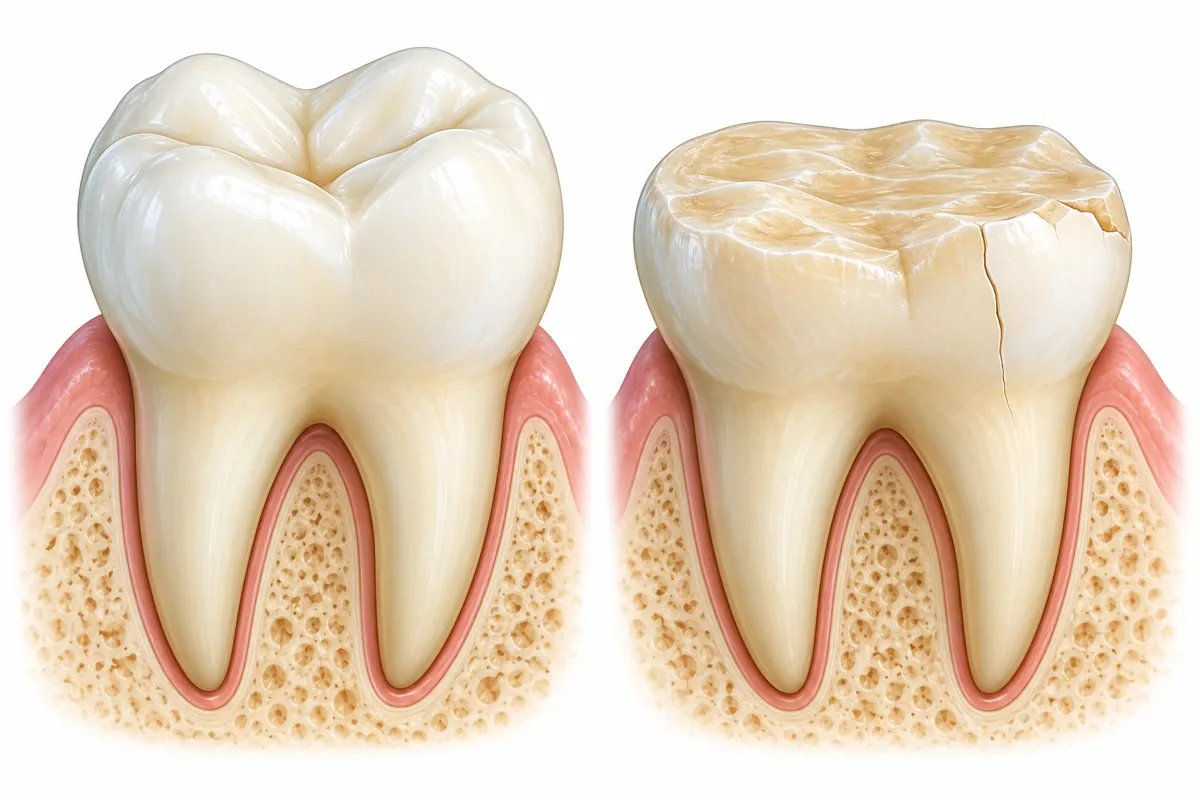
- Chipped edges on front teeth, flattened chewing surfaces on back teeth, or notches at the gum line
- Fillings, crowns or veneers that keep chipping or coming loose
- A scalloped edge along the tongue or a ridge along the inside of the cheek where tissue has been pressed against the teeth
- Grinding or tapping sounds during sleep that someone else hears
- Clicking or aching in the jaw joint, which overlaps with the symptoms covered on our jaw pain and clicking page
Why worn teeth are not a diagnosis by themselves
Flat, worn teeth look like grinding, and often are. But enamel also dissolves from acid, whether from frequent soda, sports drinks, citrus, acid reflux or vomiting, and acid wear can look similar at a glance. The two often occur together: softened enamel grinds away faster. Age, a bite that puts heavy load on a few teeth, and old restorations that have worn unevenly also play a part.
The distinction matters because the plan is different. Grinding damage calls for protection from force; erosion calls for finding and reducing the acid source. Treating one while ignoring the other means the wear continues. Dr. Zohdi looks at the pattern of wear, where it sits, whether opposing teeth match like puzzle pieces (a grinding sign) and what your diet and health history suggest before naming a cause.
What the evaluation covers
At a grinding evaluation at our Cleburne office, expect to be asked questions as much as examined. Useful things to tell us:
- when symptoms happen (waking, during the day, after stressful periods),
- whether anyone has heard you grind,
- how you sleep, whether you snore, and whether you ever wake gasping or feel very sleepy during the day,
- your stress level and caffeine, alcohol and tobacco use,
- medications you take, including antidepressants, stimulants and sleep aids, some of which are associated with grinding, and
- previous injuries to the jaw or face.
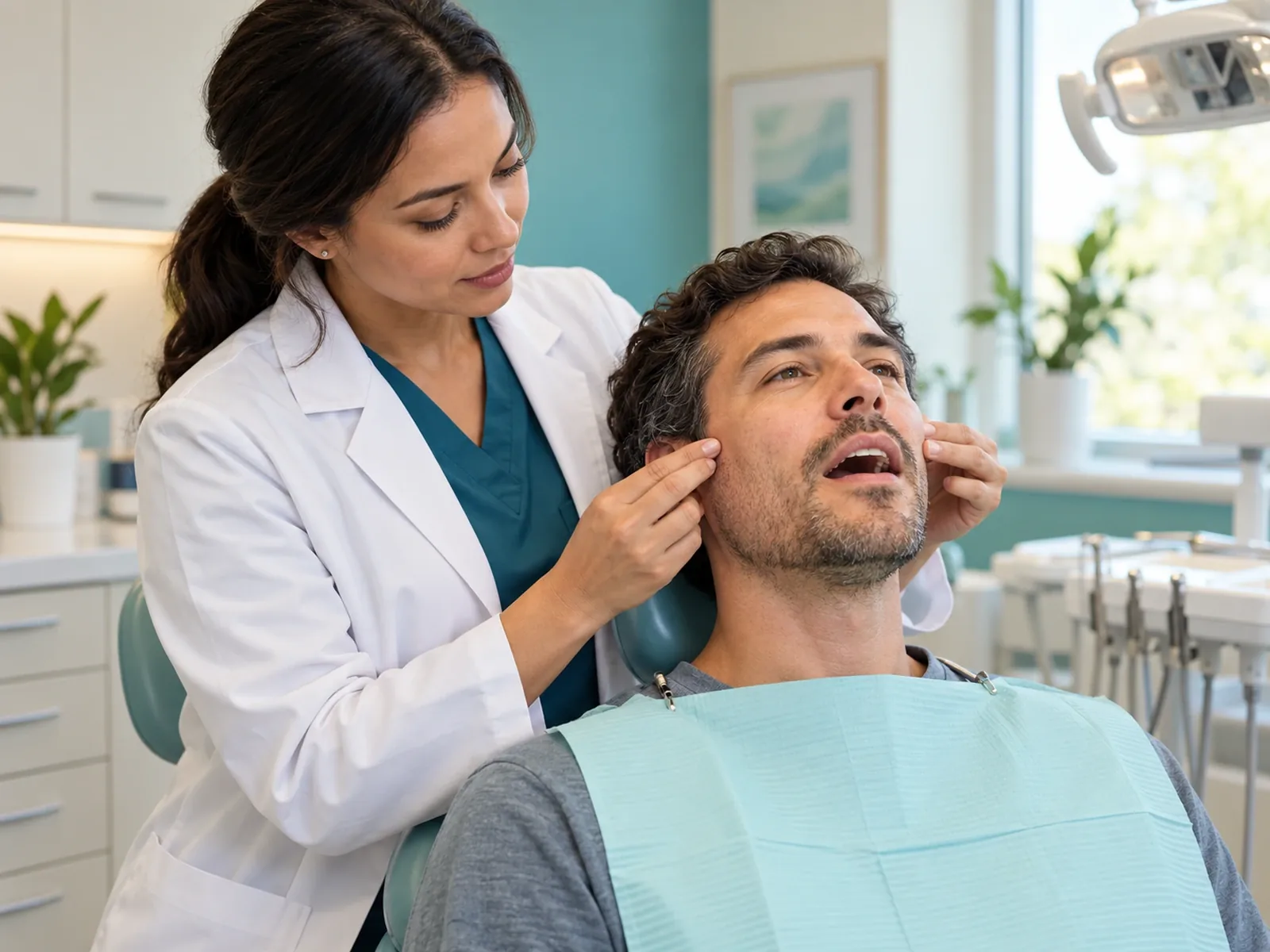
The exam looks at the teeth and their wear patterns, the condition of fillings and crowns, the gums and bone, the size and tenderness of the chewing muscles, how far and how smoothly the jaw opens, and how the teeth meet. X-rays help check for cracks, bone changes and failing restorations. If the history points toward a sleep disorder or a medication effect, Dr. Zohdi will say so and suggest the right medical or sleep evaluation; please do not change a prescribed medicine on your own.
Grinding and sleep: a connection worth taking seriously
Sleep bruxism is often tied to brief arousals during sleep, and in some people those arousals are caused by obstructed breathing. Grinding may be the visible clue to sleep apnea that was otherwise going unnoticed. A grinding guard alone does nothing for breathing, and a standard guard is not a sleep apnea treatment.
If you grind and also snore loudly, have been told you stop breathing during sleep, wake with a dry mouth or headache, or struggle to stay awake during the day, ask about a sleep evaluation. Our page on sleep apnea and the dentist's role explains how a diagnosis is made and where oral appliances fit in once a physician has confirmed it.
Managing sleep bruxism
There is no proven way to switch off nighttime grinding, so management focuses on protecting the teeth and reducing contributors:
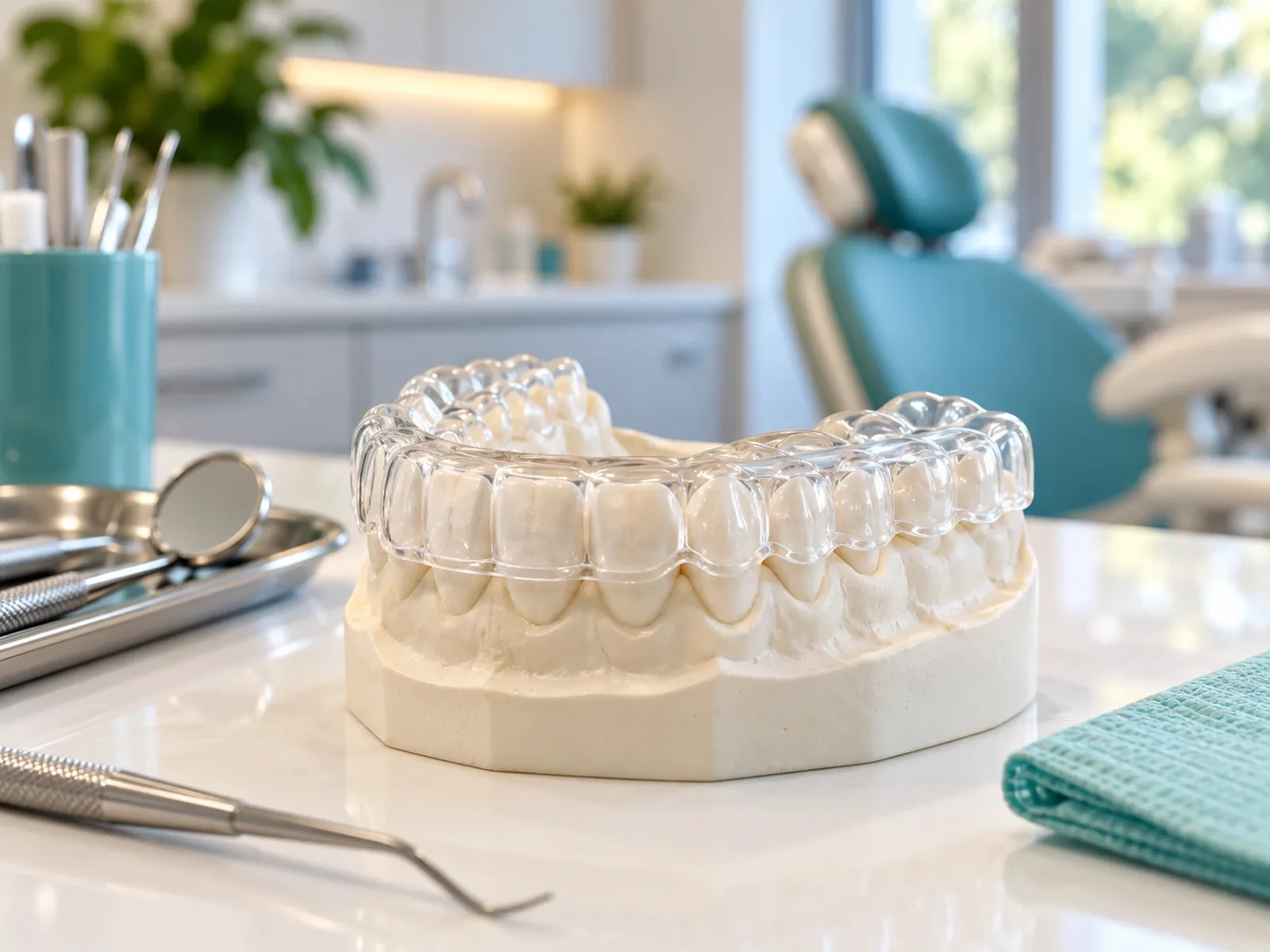
- A custom night guard places a smooth acrylic layer between the teeth so the force lands on the guard instead of enamel and dental work. Our night guard page explains designs, fit and limits. The guard is protection, not a cure, and you may still clench on it.
- Sleep habits. Regular sleep times, less alcohol and caffeine in the evening and treating any sleep-breathing problem may lessen grinding intensity.
- Stress. For many people grinding tracks with stressful stretches of life. Relaxation routines before bed help some patients, and it is reasonable to raise persistent stress or anxiety with your physician.
- Medication review. If grinding began after a new prescription, mention it to the prescriber; alternatives sometimes exist.
Managing daytime clenching
Awake clenching responds to awareness in a way sleep grinding cannot. The resting position of the jaw is lips together, teeth slightly apart. Many people discover their teeth are touching most of the day. Simple reminders, such as a note on the monitor or a phone prompt, to check "teeth apart, jaw loose" several times an hour can retrain the habit over weeks. Avoid chewing gum or pens, which keep the muscles working, and do not try to "exercise" a sore jaw with hard foods or forceful stretching; a tired muscle needs rest, warmth and gentle movement, not a workout.
Repair the damage and protect it together
If grinding has chipped teeth, cracked fillings or worn enamel down, repairing the damage without changing the forces on it tends to produce a cycle of repairs. The plan should pair any restorative work with protection and, where the wear is extensive, a careful look at how the bite fits together. Minor chips may only need monitoring or bonding; heavily worn teeth may need crowns or a broader plan. Our guide to restoring worn teeth explains how to decide between watching, conservative repair and larger reconstruction, and why the cause has to be understood first.
Children who grind
Grinding is common in young children and often fades as the adult teeth come in. It usually does not need treatment unless teeth are being damaged, the child complains of jaw or head pain, or there are signs of disturbed sleep such as snoring and mouth breathing, in which case a check of airway and sleep is more useful than a guard. Mention it at your child's routine visit.
Sources and further reading
General information, not a diagnosis. Read how we create and review our dental guides.