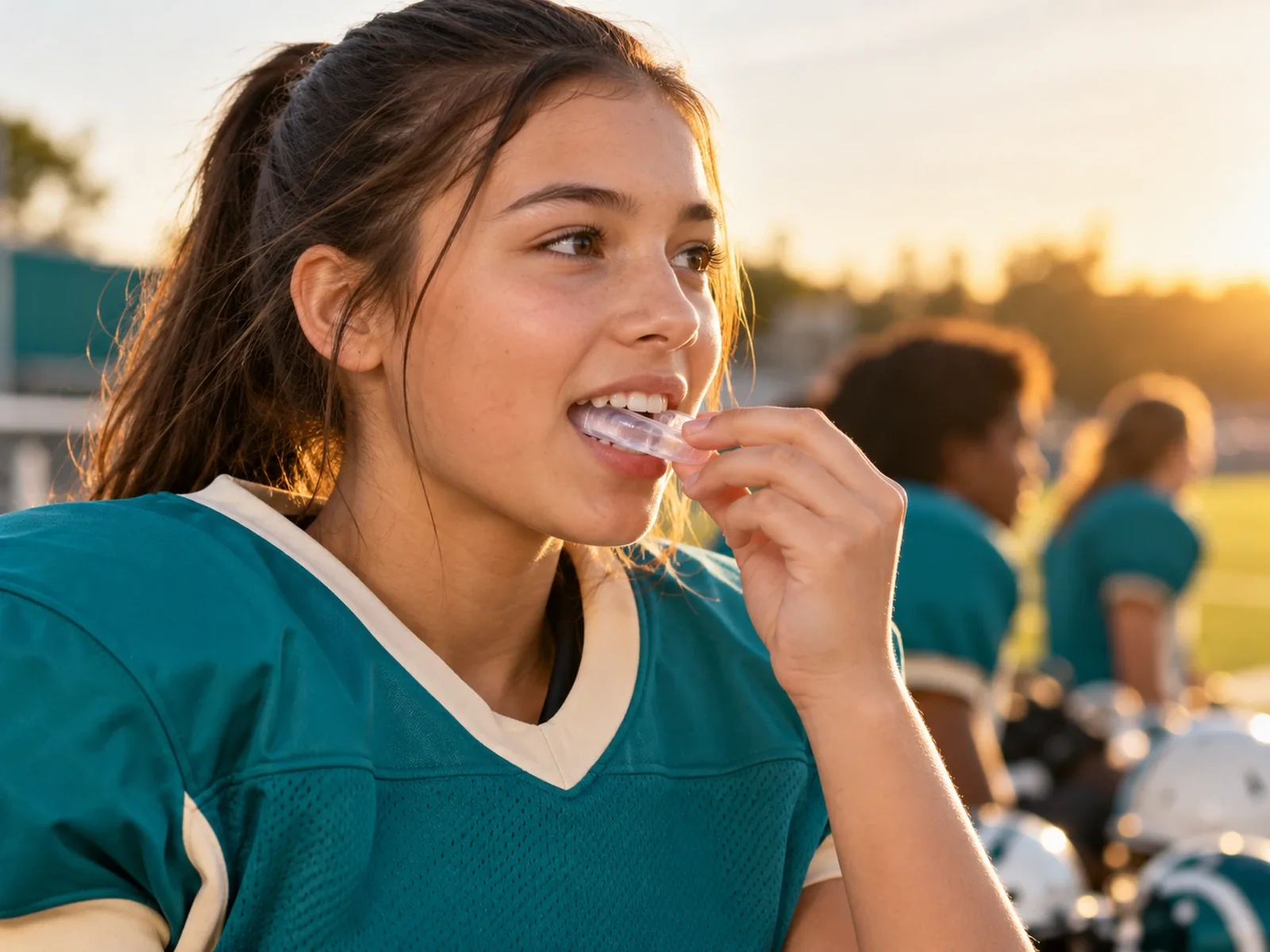
A sports mouthguard is a cushioned appliance worn over the teeth, usually the upper ones, to absorb and spread the force of a blow. It protects against chipped and knocked-out teeth, cuts to the lips and cheeks, and injuries to the jaw. Dental injuries from sport are common, painful and expensive to fix, and most of them are preventable with a guard that fits and is worn consistently, at practice as well as on game day.
For the bigger picture — how jaw pain, clenching and worn teeth fit together and what we check first — start with our TMJ and teeth-grinding overview.
That last phrase is the whole point. Even a well-made guard does nothing in a gym bag. A guard that is bulky, loose or makes it hard to breathe and talk will be spat out, chewed or "forgotten." This page covers which sports need protection, how the guard types compare, what changes for children and for athletes in braces, how to care for a guard and what to do when a tooth is hit anyway.
Who should wear one
The American Dental Association recommends a mouthguard for any activity with a risk of falls, body contact or flying equipment. That is a longer list than most parents expect:
- Collision and contact sports: football, hockey, lacrosse, rugby, wrestling, boxing and martial arts.
- Sports often overlooked: basketball and soccer, which together account for a large share of dental injuries from elbows, heads and falls.
- Baseball and softball, particularly for fielders and batters.
- Wheeled and board sports: skateboarding, mountain biking, BMX, inline skating.
- Gymnastics, cheer and acrobatics, where falls are part of training.
If your school or league only requires a guard for football, that is a minimum, not a recommendation. A child who plays basketball three nights a week faces real risk without one.
Types of mouthguards
| Type | How it is made | Fit and comfort | Protection |
|---|---|---|---|
| Stock | Pre-formed, worn as is | Bulky; must be held in place by clenching; hard to talk or breathe | Least protective; often not worn |
| Boil-and-bite | Softened in hot water and molded by biting | Better than stock but thins where it is bitten and loosens over time | Moderate if well formed; variable |
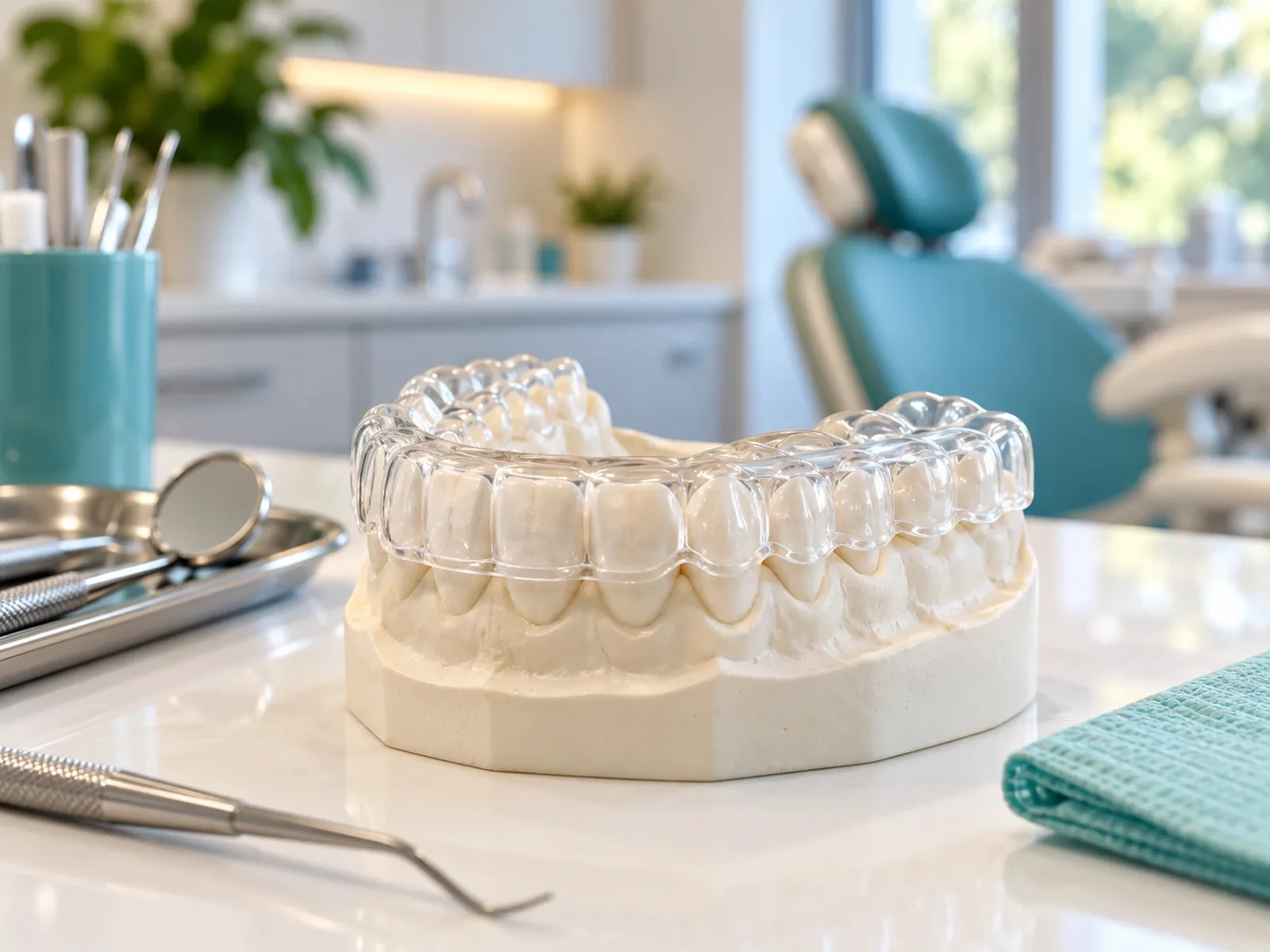
| Custom | Made from an impression or digital scan of the teeth | Close, secure fit; thinner where possible; allows normal speech and breathing | Thickness placed where impact lands; most consistently worn |
Custom guards cost more up front. Against the cost of a single crown, root canal or implant after an injury, and the far higher likelihood that a comfortable guard actually stays in the mouth, the comparison usually favors custom for anyone playing regularly. Dr. Zohdi can also build in extra thickness where your sport delivers its blows and, for some materials, a color your athlete will actually want to wear.
Children and growing mouths
A child's mouth changes constantly. Baby teeth fall out, adult teeth come in, and the jaw grows. A guard made in the fall can be too tight or too loose by spring. Signs it is time for a check: the guard no longer snaps on, there are gaps where a tooth has erupted, the child complains it hurts, or it is being chewed into a different shape.
For younger children in the mixed-dentition years, a slightly more adaptable design or planned replacements may be more sensible than one rigid custom guard. The right answer depends on the child's age, sport and how quickly their mouth is changing, and it is a good topic for their routine children's dental visit. Never force an old guard over new teeth or trim it at home.
Athletes in braces
Braces raise the stakes. A blow to the mouth can drive brackets and wires into the lips and cheeks, and the teeth are already moving, so a tight-fitting guard molded to today's positions can be uncomfortable in a month and may even interfere with treatment. Guards for orthodontic patients are designed with room for the brackets and for movement, and they should be reviewed as treatment progresses. If you are in braces or your child is, let both the orthodontist and our office know what sport is being played so the guard and the treatment are coordinated.
A retainer, by the way, is not a mouthguard. It is thin and built to hold teeth still, not to take a hit. Our page on orthodontic retainers explains how to handle sport while wearing one.
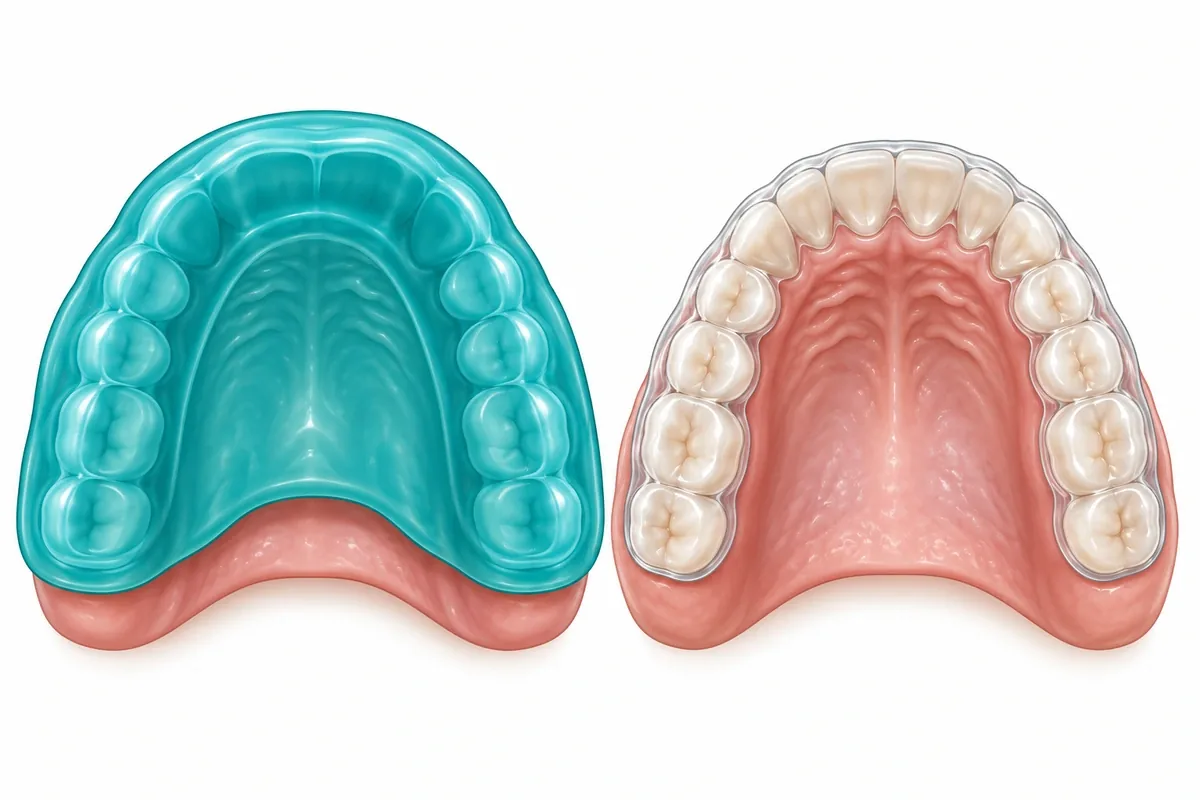
A sports guard is not a night guard
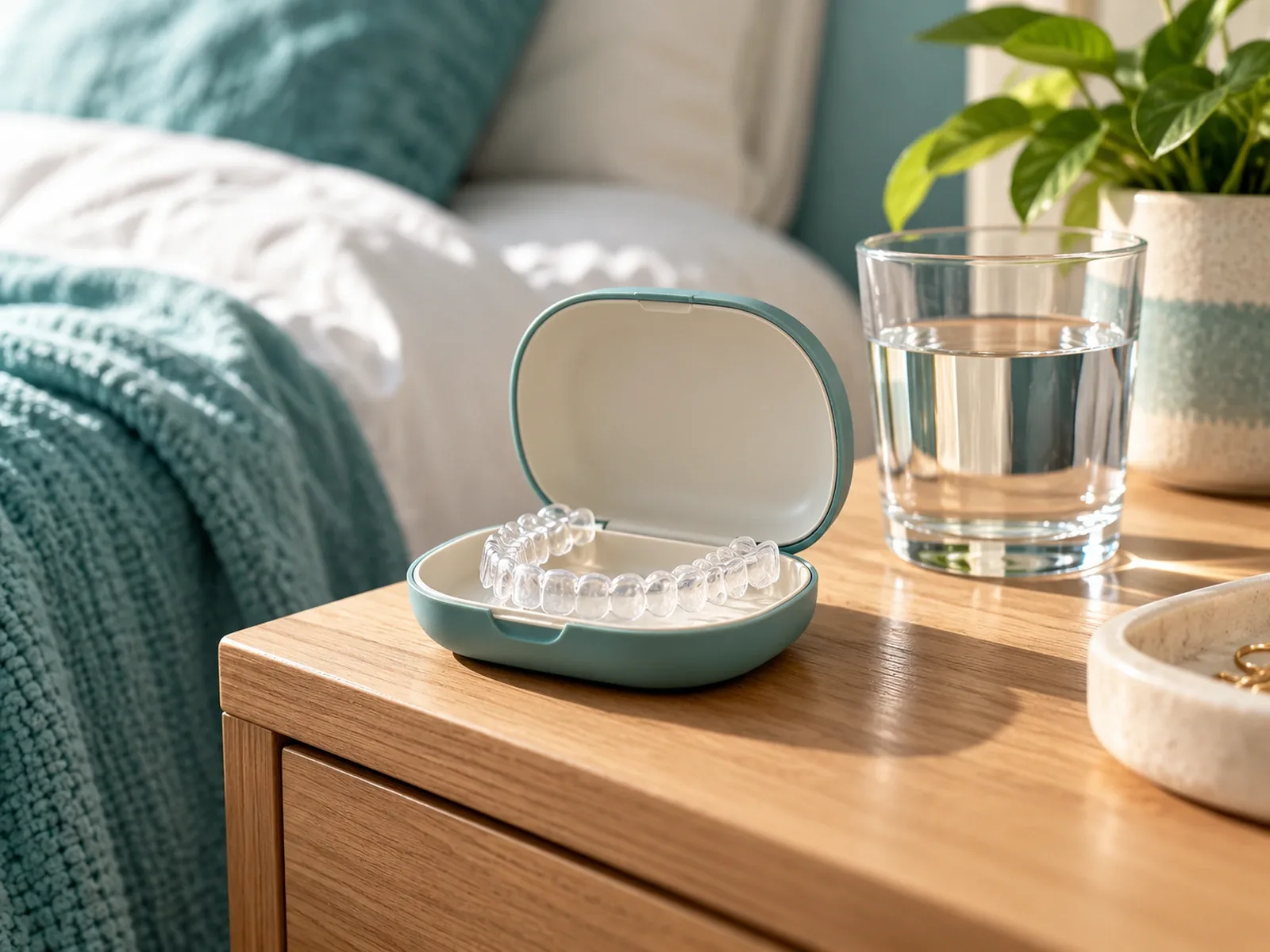
The two appliances are frequently confused because both are clear plastic worn over the teeth. A night guard is thin and hard, designed to be ground against for hours and to let the jaw slide. A sports guard is thick and resilient, designed to absorb a sudden impact. Wearing a night guard on the field offers little impact protection; sleeping in a sports guard is uncomfortable and may encourage clenching. If you need both, you need two devices.
Getting a custom guard
- Exam. Teeth, gums and any dental work or orthodontics are checked, and the sport and position are discussed.
- Impression or scan. A mold or digital scan of the teeth is taken; this takes only a few minutes.
- Fabrication. The guard is made from layered material to the planned thickness.
- Fitting. The guard is tried in, edges are smoothed and the fit is confirmed. You should be able to speak and breathe easily and the guard should stay in place with the mouth relaxed.
Plan ahead of the season, since fabrication takes some time, and bring the guard to subsequent visits at our Cleburne office so it can be checked alongside the teeth.
Cleaning, storage and replacement
- Rinse the guard with cool water after each use and brush it with a soft toothbrush and mild soap. Let it dry before storing.
- Store it in a ventilated case, not loose in a bag with cleats and sweaty gear.
- Keep it out of heat: no hot water, dashboards or dishwashers, all of which warp the material.
- Check regularly for tears, thin spots, sharp edges and changes in fit, and always after a hard hit.
- Replace it when it is damaged, distorted or no longer fits. For a growing child that may be every season; for an adult with stable teeth a well-cared-for guard can last several seasons.
When a tooth is hit anyway
Mouthguards reduce injuries; they do not eliminate them. After a significant blow to the mouth, have the teeth checked even if nothing looks broken. A tooth can be loosened, cracked below the gum or have its nerve damaged with no visible sign, and problems may surface weeks later.
If a permanent tooth is knocked completely out, time matters enormously. Pick it up by the crown, not the root, rinse it briefly if dirty, and if possible place it back in the socket or keep it in milk, then get to a dentist immediately. Our knocked-out tooth page has step-by-step instructions, and our broken tooth page covers chips and fractures. During office hours call (817) 641-6261. For a suspected jaw fracture, loss of consciousness, confusion, vomiting or any head-injury symptoms, go to the emergency room first; the teeth can wait, the brain cannot.
Sources and further reading
- ADA MouthHealthy: Mouthguards
- American Academy of Pediatric Dentistry: Policy on prevention of sports-related orofacial injuries
- American Association of Endodontists: Knocked-out teeth
General information, not a diagnosis. Read how we create and review our dental guides.