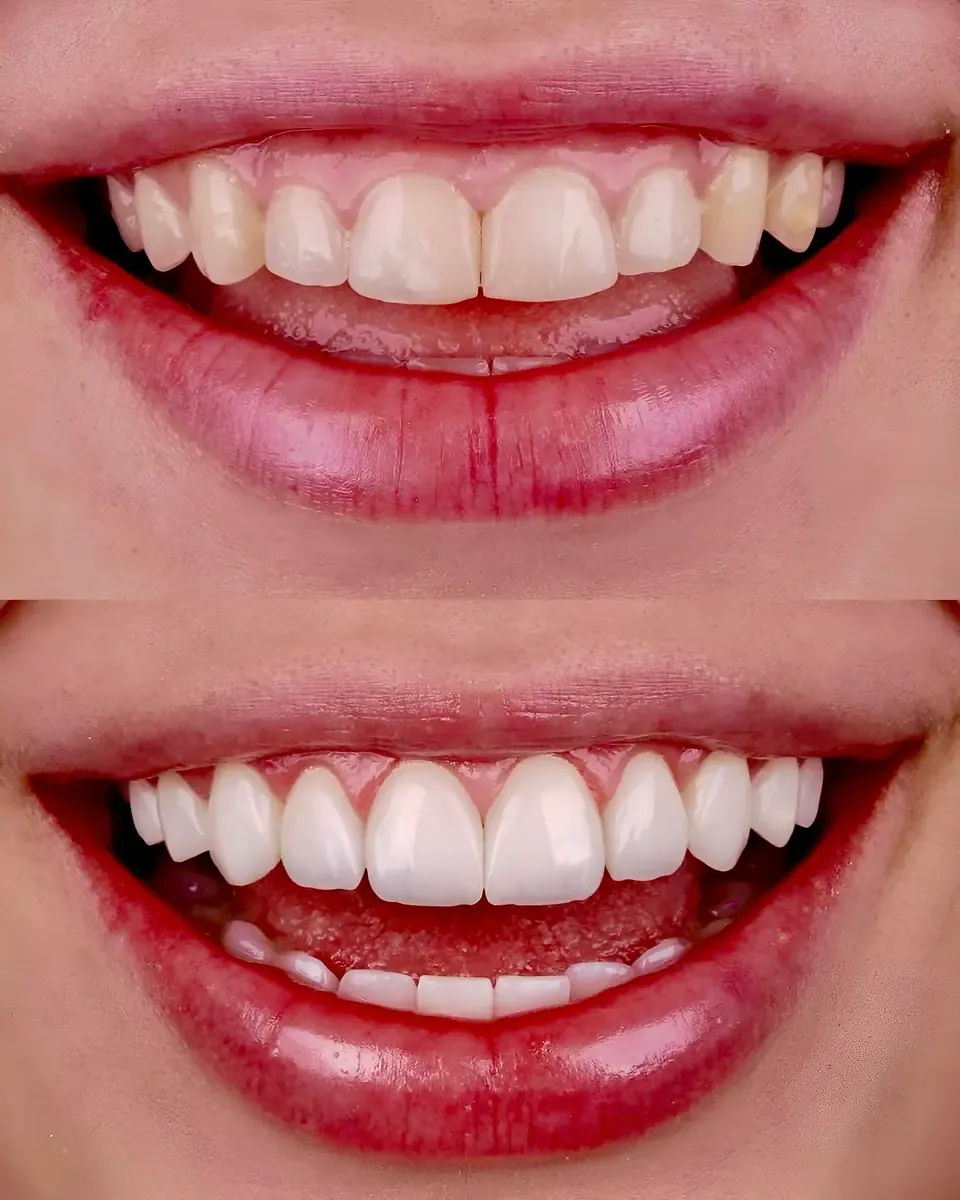
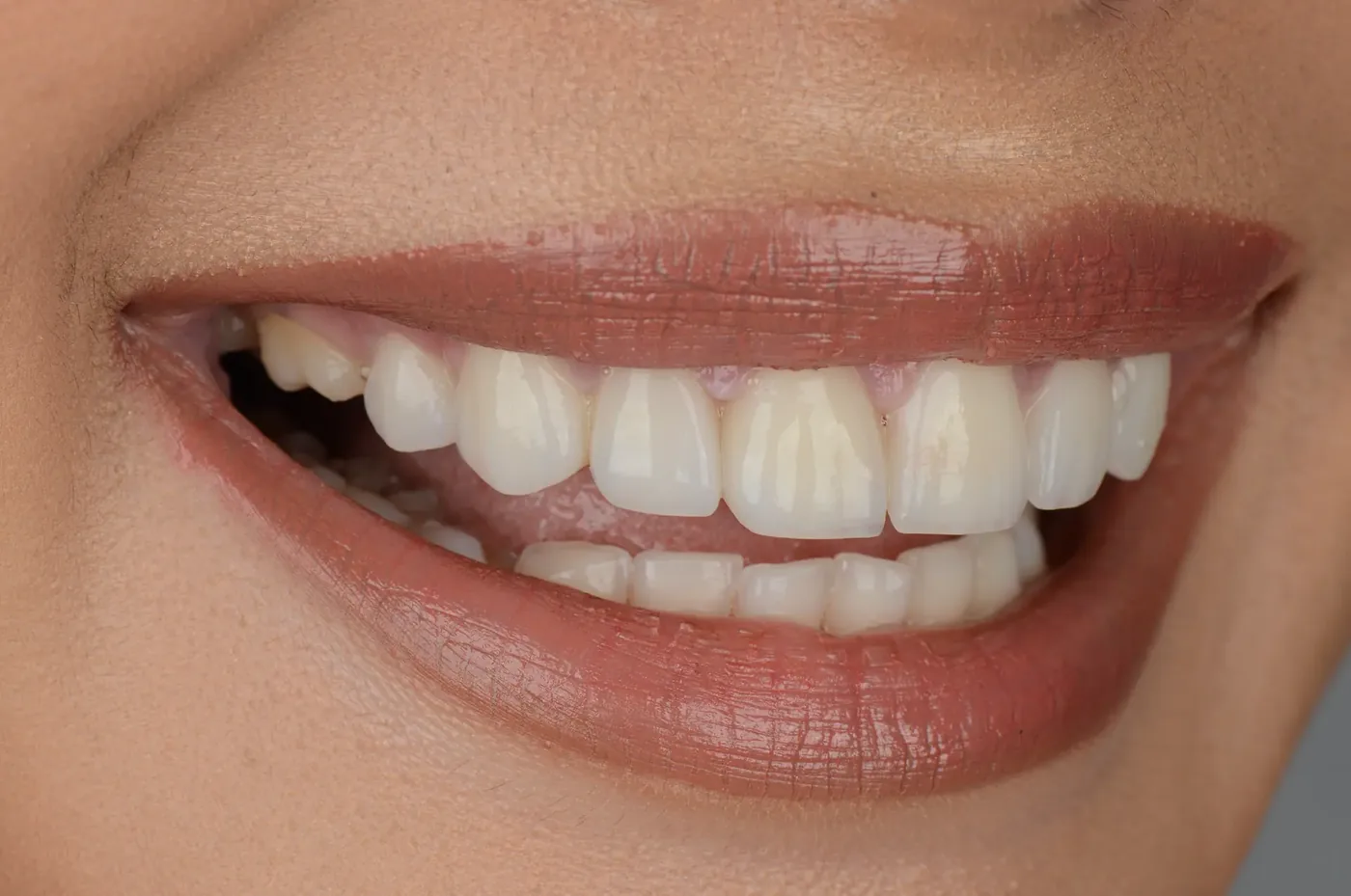
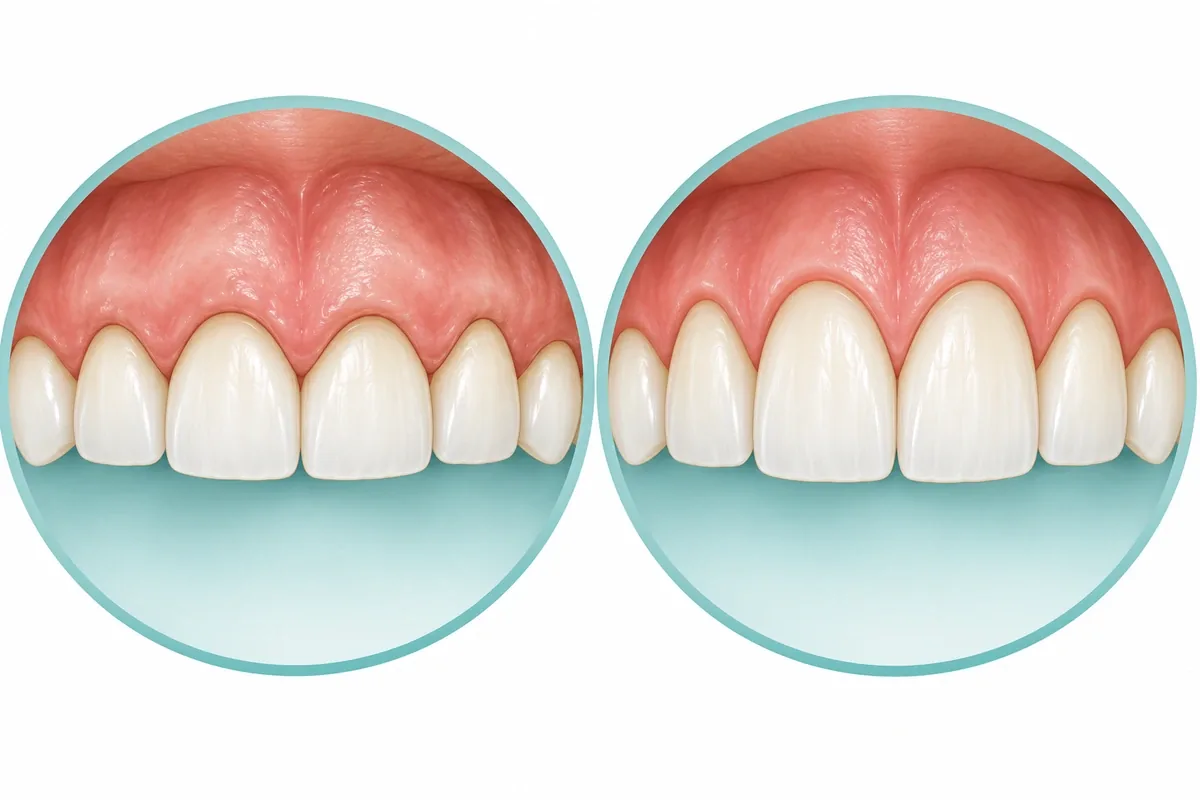
Your gumline frames every tooth in your smile. When that frame sits too low or unevenly, teeth can look short and square even when they are perfectly healthy, and more gum than you would like shows when you smile. A gum lift, also called gum contouring, gingival recontouring, or a gingivectomy, reshapes that excess tissue so the natural length of the teeth shows through.
It is one of the smaller cosmetic procedures in dentistry, usually completed in one visit under local anesthetic, and the change is visible immediately. But it is only the right answer when excess gum tissue is actually the cause. A “gummy smile” can also come from the lip, the jaw, or worn-down teeth, and a gum lift does nothing for those. At Cleburne Dental the first appointment is about finding out which situation you have.
This page explains who a gum lift helps, how it differs from crown lengthening, what happens at the visit, how recovery feels, and what it costs to consider.
What a gum lift can and cannot fix
A gum lift is well suited to:
- Teeth that look too short because gum tissue covers part of the enamel
- A gumline that is higher on some teeth than on others, making the smile look lopsided
- One side of the smile that sits lower than the other because of gum placement
- Gum that has overgrown around teeth, sometimes after orthodontic treatment or with certain medications
- Evening the gumline before porcelain veneers or bonding, so the new teeth are framed symmetrically
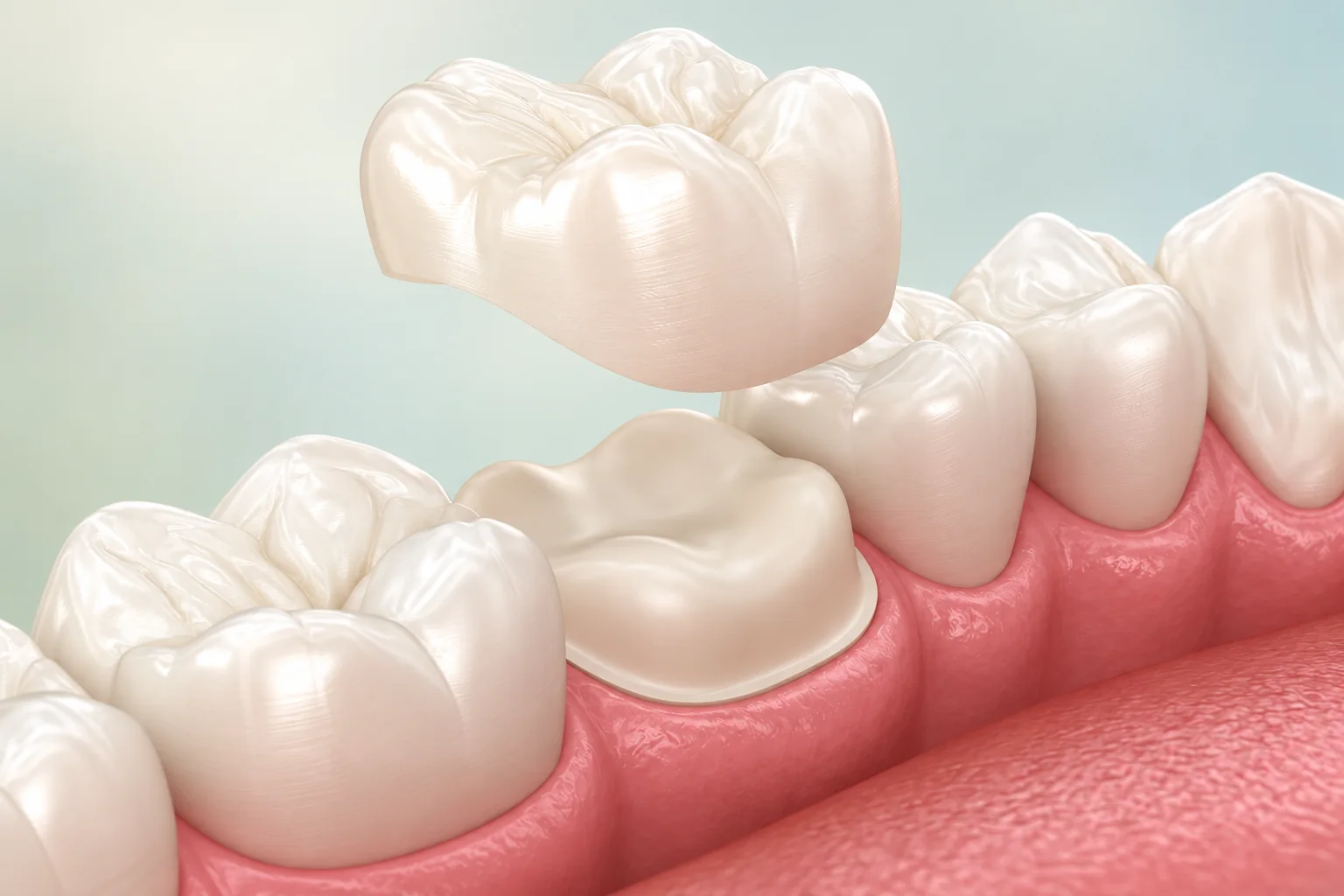
- Exposing enough tooth for a crown to grip when the gum edge is the only thing in the way
It is not the right fix when the gum sits normally on the teeth but the upper lip rises very high, when the upper jaw itself is long so that the whole arch sits low, or when the teeth look short because they have worn down. Each of those has a different solution, which may involve orthodontics, a referral, or restoring the worn teeth rather than cutting gum.
Why the gum sits where it does
Understanding the cause is the useful part of a consultation. The most common reason for excess gum is a developmental pattern in which the gum never fully receded to its adult position as the teeth came in, so a band of tissue remains over the top of the crown. In that case the tooth underneath is full length and simply covered, which is the ideal situation for a gum lift.
The other key question is where the bone sits. Healthy gum needs a certain amount of room between the edge of the bone and the edge of the gum. If the bone comes up close to the gumline, removing soft tissue alone will not hold: the gum will tend to grow back toward its original position over the following months. In that case the bone must be reshaped as well, which is a different procedure.
Gum lift versus crown lengthening
Patients often hear both terms and assume they are the same. They are related but not interchangeable.
| Gum lift (contouring) | Crown lengthening | |
|---|---|---|
| What is reshaped | Soft gum tissue only | Gum tissue and the underlying bone |
| Usual reason | Appearance: a gummy or uneven smile | Function: exposing enough tooth for a crown or filling, or when bone is too close to the gum edge |
| How it is done | Laser or fine instruments under local anesthetic | A small surgical procedure with sutures |
| Recovery | A few days of tenderness | One to two weeks, with a longer wait before final restorations |
| Where it may be done | In our office | In our office or with a periodontist, depending on the case |
Dr. Zohdi uses a slim probe to measure the distance from the gum edge to the bone around each tooth during your evaluation. That measurement is what tells us which procedure your smile actually needs. If a crown is part of the plan, our page on dental crowns explains how the two steps fit together.
How we plan a gum lift
- Consultation. We look at how much gum shows when you smile naturally and when you laugh, check the health of the gums, measure the pocket depths and the bone position, and take photographs.
- Design. The new gumline is planned tooth by tooth so that the lengths and the arcs match each other and the shape of your lip. Digital imaging may be used to preview the result. This is also where a gum lift is coordinated with veneers, bonding, or whitening if you are planning a smile makeover.
- Health first. Inflamed or bleeding gums are treated before contouring. Reshaping unhealthy tissue gives an unpredictable result, and our gum disease and periodontal care page explains what that treatment involves.
If you would like a sense of what is possible before coming in, our virtual smile consultation lets you start from home.
What happens at the visit
A gum lift is typically completed in a single appointment, and most cases take well under an hour.
- Numbing. The gum around the teeth being treated is numbed with local anesthetic. You are awake, you can hear and respond, and you should feel only light pressure. Agree on a hand signal with us beforehand if you want the option to pause.
- Marking the new line. The planned gumline is marked on the tissue so that both of us can see the target before anything is removed.
- Contouring. Dr. Zohdi reshapes the gum with a dental laser. The laser removes tissue and seals the surface at the same time, so there is very little bleeding and no stitches are needed. Where the laser is less suitable, fine instruments are used instead. Our laser dentistry page explains where a laser helps and where it does not.
- Refining. Small adjustments are made so the arcs of the gum match from tooth to tooth and side to side.
- Checking the result. You will see the new gumline in the mirror before you leave, along with written aftercare instructions.
Recovery and aftercare
Most people return to normal activities the same day or the next. Expect mild tenderness for two to three days and a little swelling in the first day or two. Soft, cool foods are easiest at first. Avoid brushing directly on the treated gum until we clear you, and rinse gently as instructed. Over-the-counter pain relief you already use safely is usually all that is needed. The gum heals over one to two weeks, and the final contour settles as the tissue matures over the following weeks. Call the office at (817) 641-6261 if bleeding does not stop with gentle pressure or if the area becomes more painful instead of less after the third day.
Is the result permanent?
Gum tissue that has been removed does not grow back in the same place, so a well-planned gum lift is considered long-lasting. Two caveats: if bone sat close to the gum edge and was not reshaped, tissue can partially creep back, which is why we measure the bone first; and gum recession later in life is a separate process with different causes, uncommon in healthy gums but watched at your regular visits.
Cost factors
A gum lift is usually considered a cosmetic procedure, and most dental plans do not cover it unless it is needed to make a crown or filling possible. The fee depends on how many teeth are treated, how much tissue is reshaped, and whether the gum lift is part of a larger plan with veneers or crowns. You will receive a clear written estimate at your consultation, and our payment and financing page explains the options.
Risks and alternatives
A gum lift is low-risk. Possible downsides are brief sensitivity near the newly exposed gumline, some tissue rebound if bone position was not accounted for, and the fact that tissue cannot be put back if too much is removed, which is why the design step is conservative. Alternatives depend on the cause: crown lengthening when bone is the issue, orthodontics when teeth have erupted too far, lip or jaw treatments through an outside provider when the gum itself is normal, or leaving the smile as it is, since excess gum tissue is not a health problem.
Sources and further reading
General information, not a diagnosis. Read how we create and review our dental guides.