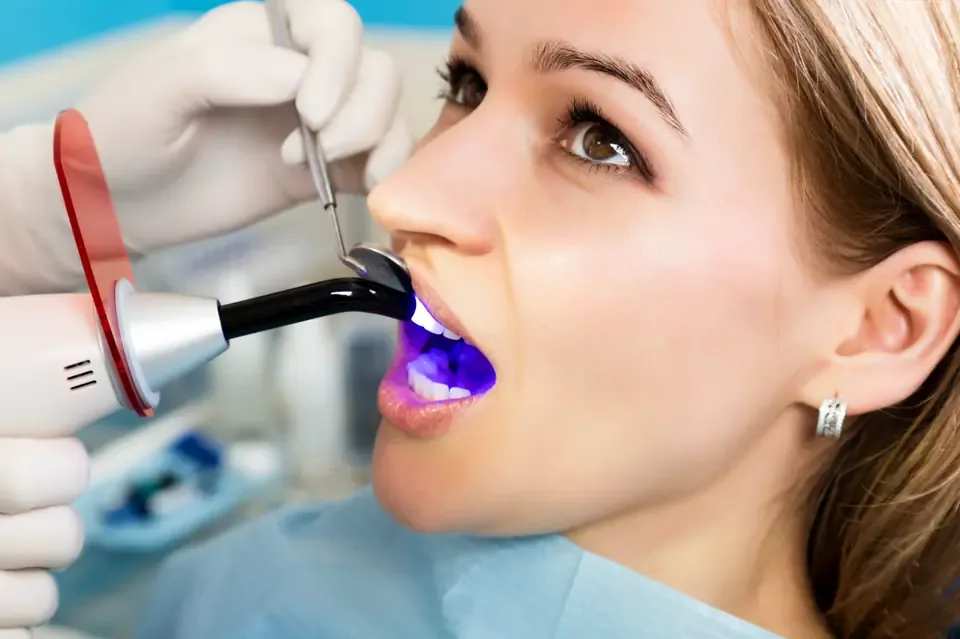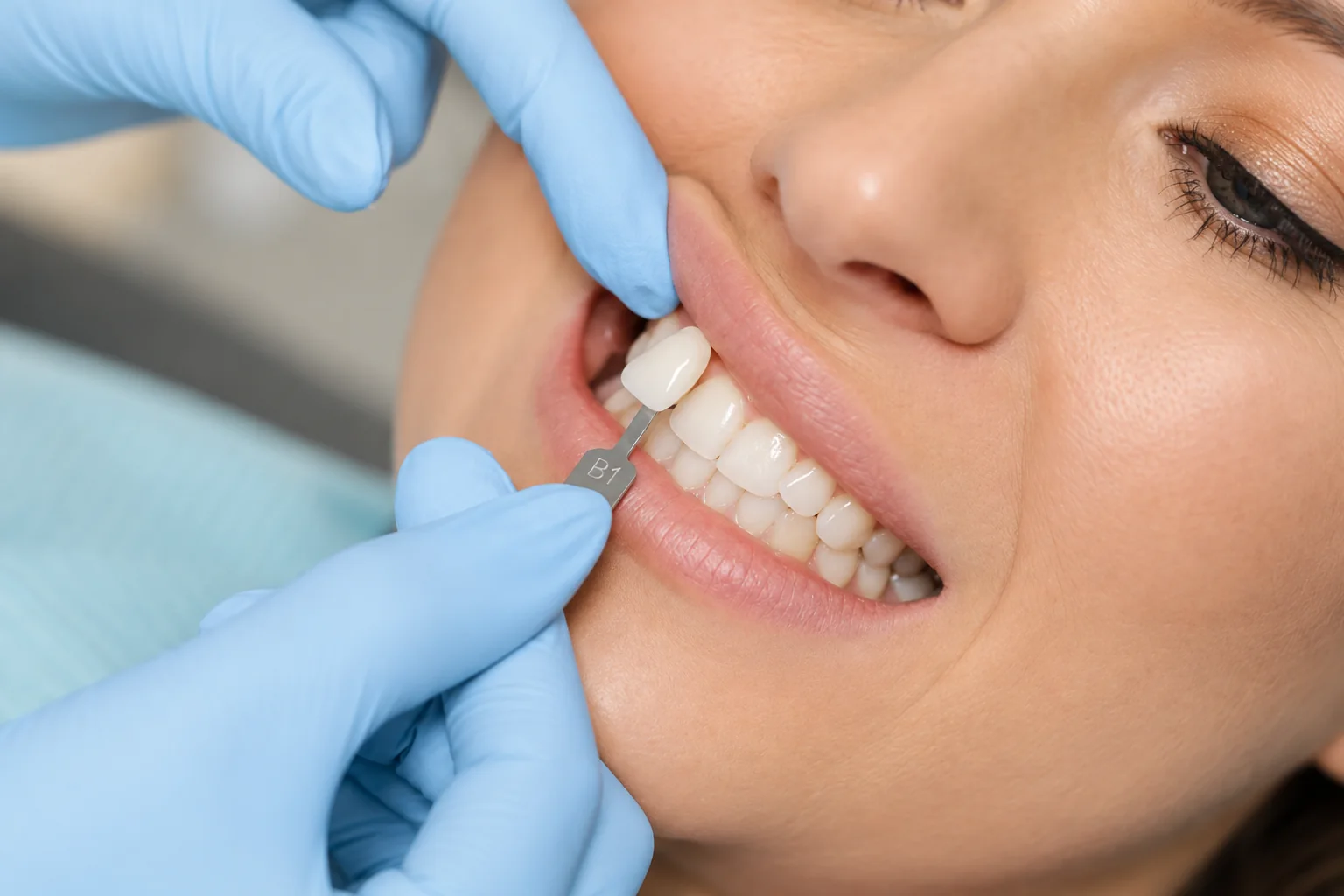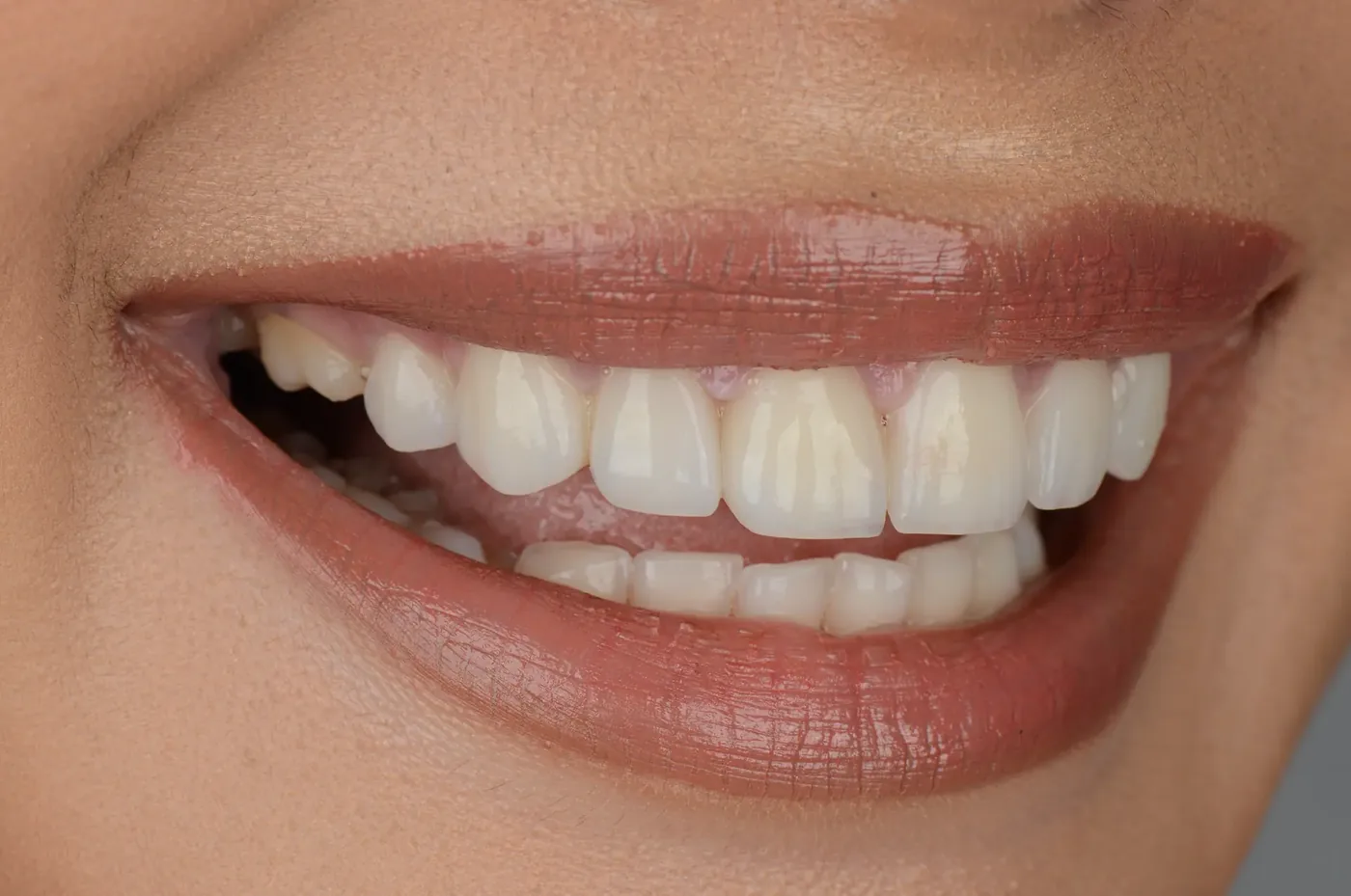
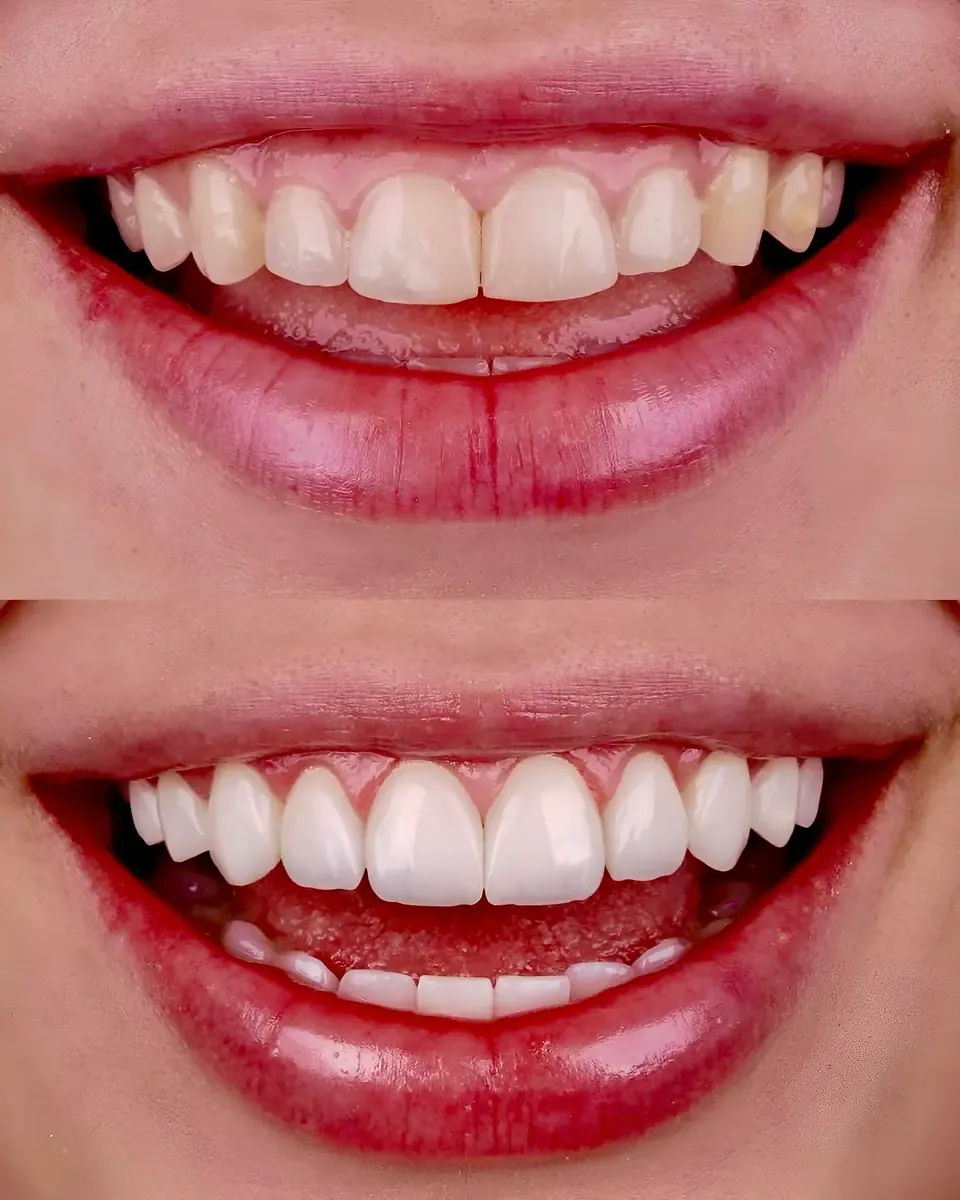
Some smile goals cannot be met with one treatment. Staining that whitening will not fully correct sits next to a chipped tooth; a gap and a crooked lateral incisor share the same smile with a gum line that makes the teeth look short. When several concerns need to be handled together, a smile makeover gives Dr. Zohdi the chance to design the final result first and then sequence each procedure to reach it.
That design-first approach is also the best protection against overtreatment. A makeover may turn out to be whitening plus one bonded corner, or it may involve aligners, a gum lift and a few veneers. The strongest starting point is a clear statement of what you want to change and what you want to keep, followed by an honest assessment of what your teeth need before anything cosmetic happens.
This page explains how we plan a makeover at our Cleburne office, which treatments are commonly combined, why the order matters, and what you should expect to see in writing.
Describe the concern in your own words
You do not need to arrive knowing which treatment to ask for. It is more useful to tell us what you notice: teeth that look yellow, edges that are uneven, a gap, crowding, a tooth that sticks out, too much gum when you smile, or a missing tooth that affects how you speak or chew. Photographs of smiles you admire help communicate taste, but another person's result cannot determine what is right for your face, lips and bite.
Also tell us about practical limits. How much time can you give to appointments? Are you willing to wear aligners for months, or maintain porcelain for decades? What budget should the plan respect? These answers shape the plan as much as the clinical findings do.
If you want a sense of direction before booking, our virtual smile consultation lets you send a photo and receive Dr. Zohdi's initial thoughts from home.
Health and function come first
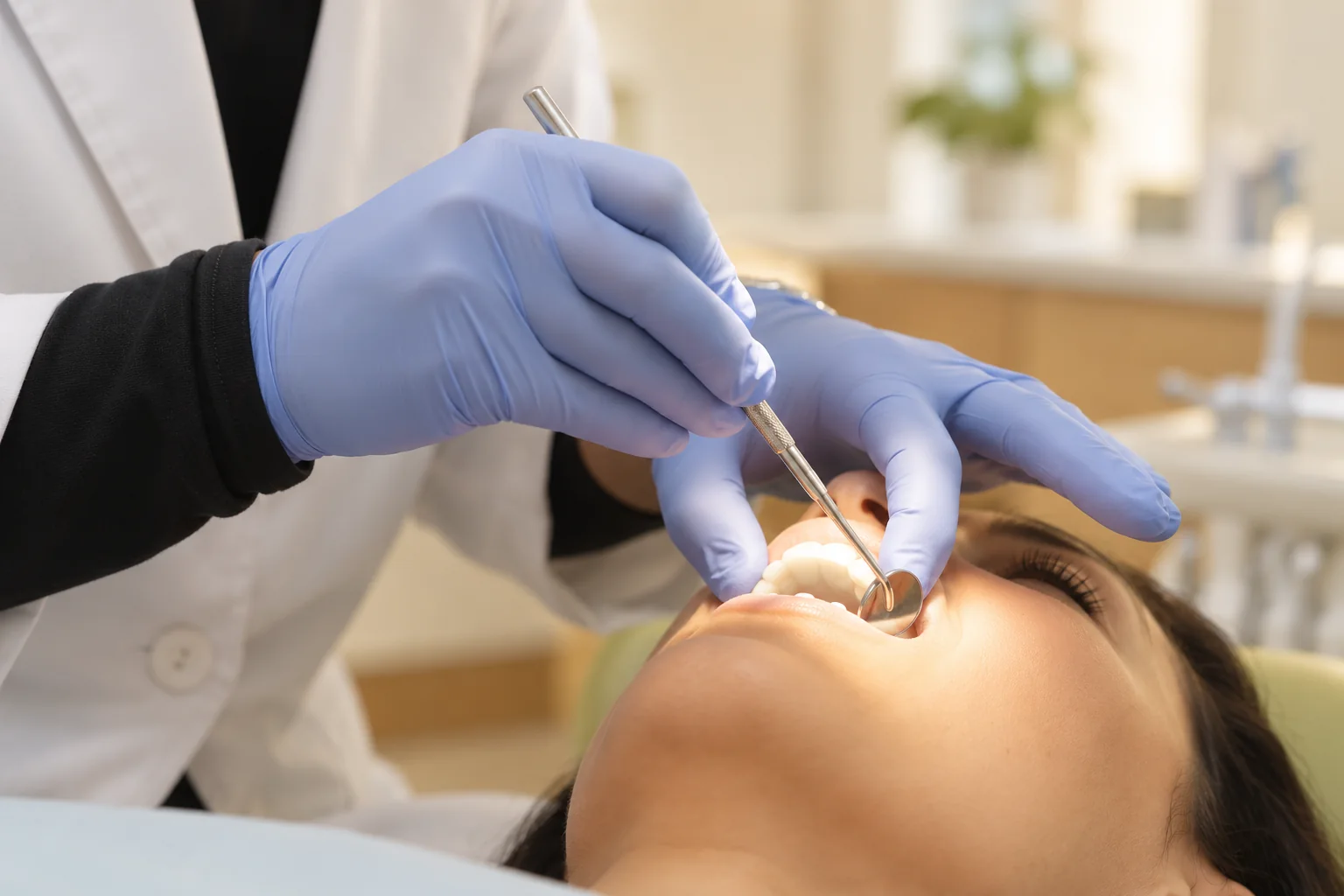
The planning examination covers more than the front teeth. Dr. Zohdi evaluates decay, gum health, existing fillings and crowns, tooth wear, and how the teeth meet when you bite and speak. He also looks at the whole smile frame: lip line, how much gum shows, tooth proportions and the midline of the face.
Cosmetic work on an unstable foundation creates avoidable problems. Veneers placed over inflamed gums end up with exposed edges when the gums heal and shrink. Porcelain bonded onto a tooth that is grinding against an uneven bite chips. Gum disease must be treated and stable, and a tooth with little structure left needs a different conversation from a healthy tooth whose shape you dislike.
When the underlying issues are mainly structural, such as widespread wear, a collapsed bite or many failing restorations, the right framework is full-mouth reconstruction, which overlaps with appearance but is driven by function. It should not be proposed just because someone asked for a brighter smile.
The treatments a makeover may draw on
A makeover is assembled from our cosmetic and restorative services based on what your smile actually needs:
- Teeth whitening lightens natural teeth and is usually done first so everything else can be matched to the new shade.
- Clear aligners move crowded, gapped or rotated teeth into position, often reducing how many teeth need porcelain, or whether any do.
- Dental bonding repairs chips, closes small gaps and evens edges in one visit while keeping enamel.
- Porcelain veneers change color, shape and length together on the teeth that need the most change.
- A gum lift reshapes uneven or excessive gum tissue so the teeth look proportionate, sometimes without touching the teeth at all.
- Dental crowns restore teeth that are structurally weakened as well as unattractive.
- Dental implants or bridges replace missing teeth, which affects spacing and the design of neighboring restorations.
Few plans use all of these. Most use two or three.
Treatment order can preserve options
Sequence is where thoughtful planning pays off. A typical order looks like this:
- Stabilize health. Treat gum disease, decay and cracked teeth.
- Move teeth if needed. Aligners first can turn a plan for eight veneers into a plan for two, or none, because well-positioned teeth need far less porcelain to look even.
- Reshape gums. A gum lift heals before final impressions so the restoration edges sit against a settled gum line.
- Whiten. Establish the final shade of the natural teeth and let it stabilize for about two weeks.
- Replace missing teeth. Implant positions and spacing inform how adjacent veneers or crowns are designed.
- Bond and place porcelain. Match bonding and veneers to the whitened shade and finished gum line.
- Protect. A night guard made to fit the new restorations if you clench or grind, and a retainer if teeth were moved.
Ask for a plan that separates necessary treatment from optional changes and names reasonable stopping points. Many patients choose to pause after whitening and aligners, look in the mirror, and decide whether the veneers they first imagined are still wanted.

What a written plan should include
Before any treatment begins, you should have a document that lists the teeth involved, the procedure proposed for each, the alternatives considered, the sequence and approximate timeline, the fee for each part, and the maintenance each restoration will need. It should also say what might change if new findings appear once treatment starts, such as decay discovered under an old filling.
Previews help the conversation. Photographs, digital planning previews and in some cases a trial mock-up may be available to show the intended shapes before anything is prepared. A preview is a communication tool, not a guarantee; the final result depends on your gums, bite and healing.
What affects the cost
Makeover costs vary widely because the plans do. A simple combination of whitening and bonding may start in the hundreds of dollars; a comprehensive plan with aligners, gum reshaping and multiple veneers can run from several thousand dollars to $20,000 or more in extensive cases. The number of teeth, materials, laboratory work and the number of visits drive the total. We provide an itemized plan so you can see each component, and financing options are described on our payment and financing page. Insurance may contribute to parts that are restorative, such as a crown or a filling, but rarely to purely cosmetic work.
Taking the next step
If several things about your smile bother you and you are not sure where to begin, a planning consultation is the place to sort priorities from possibilities. Request a smile-planning consultation at our Cleburne office and bring the questions that matter most to you. You can also browse our smile gallery for examples of combined treatment and the cosmetic dentistry overview for each option in detail.
Sources and further reading
- ADA MouthHealthy: Veneers
- ADA: Whitening
- American Association of Orthodontists: Adult treatment questions
General information, not a diagnosis. Read how we create and review our dental guides.