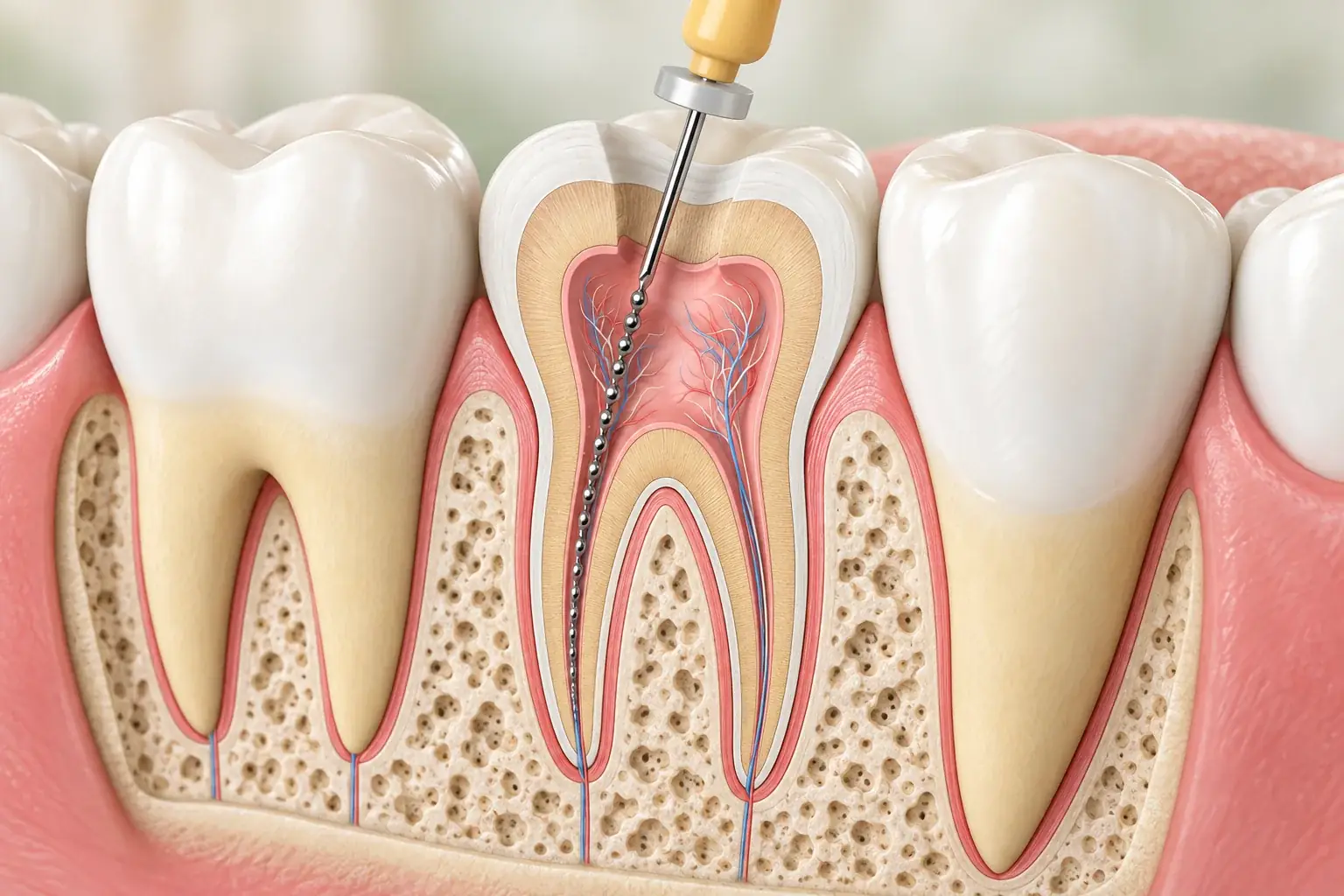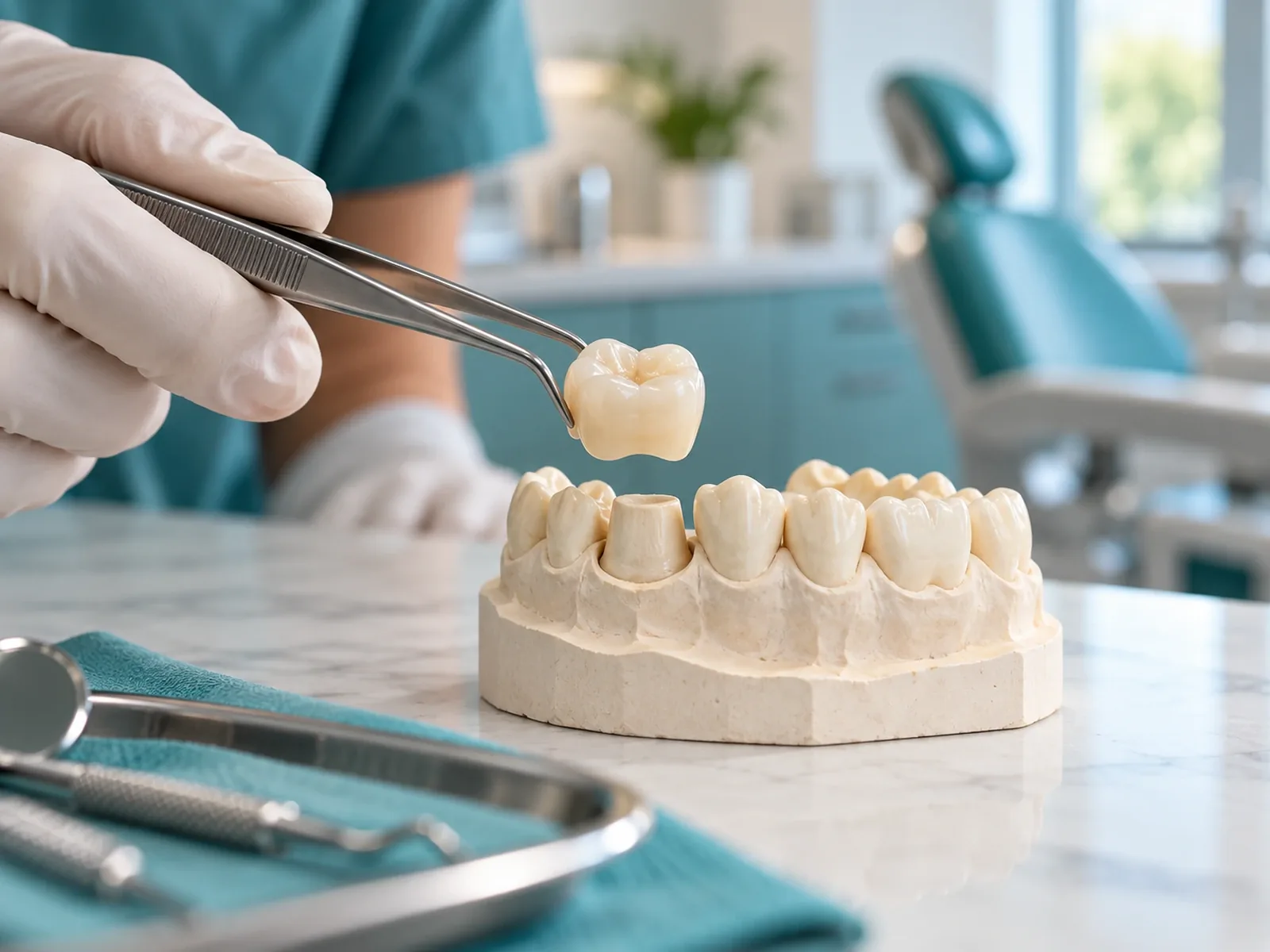

A molar root canal treats inflamed or infected tissue inside a back tooth so the tooth itself can stay. The goal is the same as for any root canal, but the anatomy is not. Molars carry most of the chewing load, sit at the back of the mouth where access is tighter, and have two or three roots that branch into several narrow canals. That is why a "simple root canal" on a front tooth and a molar root canal are planned, timed and restored differently.
For the bigger picture — when a root canal is recommended, what the visit involves and the alternatives — start with our root canal treatment overview.
Whether a molar is worth treating depends on two separate questions. Is the pulp actually the source of the symptoms? And is there enough sound tooth left above the gum to hold a lasting restoration afterward? Dr. Zohdi looks at both before recommending treatment, because a well-cleaned canal inside a tooth that later splits does not help you.
This page explains what makes molars different, how the right tooth is confirmed, what the appointment involves, and why the crown that follows is part of the treatment rather than an optional extra.
Why molars are more involved than front teeth
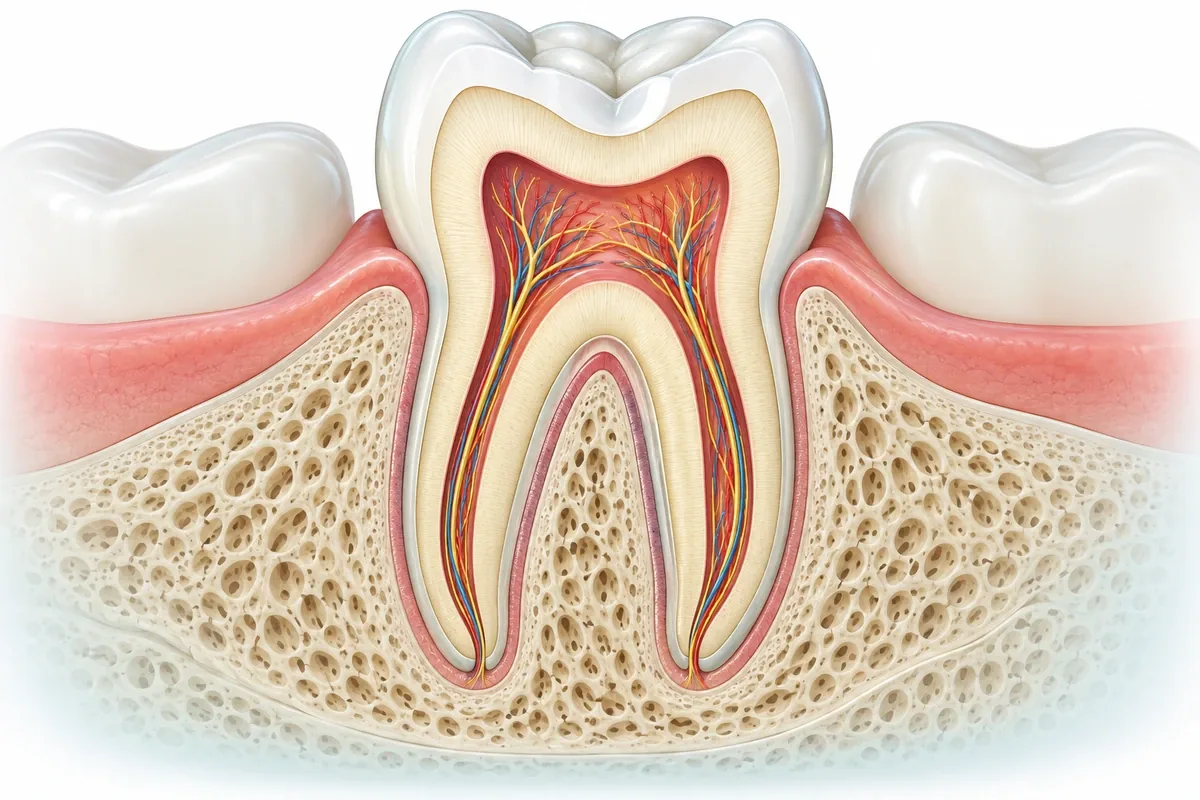
A front tooth usually has one straight root with one canal. A molar is a different structure:
- More roots and canals. Lower molars typically have two roots and three canals; upper molars have three roots and often four canals, including a small, hard-to-see extra canal that must be found or infection can persist.
- Curves and narrowing. Canals bend, split and narrow toward the tip, and in older or long-irritated teeth they can calcify and become very fine.
- Position. Treating a second or third molar means working at the back of the mouth with limited room.
- Nearby structures. Upper molar roots sit close to the sinus floor; lower molar roots sit near the nerve that runs through the lower jaw.
- Chewing force. Molars take the brunt of every bite, so an unprotected treated molar is more likely to crack than a treated front tooth.
None of this makes a molar root canal unusual. It does mean the appointment is longer and the restoration plan has to be in place before the first instrument goes in.
Confirming which tooth is the problem
Back-tooth pain is a poor guide to location. Upper and lower molars on the same side share nerve pathways, so an infected lower molar can feel like an upper toothache and the other way around. Pain can also come from a cracked tooth, a gum abscess beside a healthy tooth, a high filling or sinus pressure above the upper molars.
A root canal diagnosis for a molar is built from several pieces of evidence, not one X-ray:
- Your description. When the pain started, what sets it off (cold, heat, biting, lying down) and how long it lingers.
- Response tests. Cold on the suspected tooth and its neighbors, gentle tapping, and biting on a small tool to see whether one cusp triggers pain, which points toward a crack.
- Gum measurements. Probing around the tooth helps separate a gum problem from a pulp problem.
- Imaging. Dental X-rays show decay, fillings reaching the pulp, bone changes at the root tips and the shape of the canals. A three-dimensional scan may be considered when the picture is unclear.
If the findings do not line up, Dr. Zohdi will say so rather than treat the most painful-feeling tooth and hope. Sensitivity that fades within seconds may only need monitoring or a filling; a tooth that aches for minutes after cold, throbs at night or hurts to bite on usually cannot recover. Our guide to tooth pain symptoms covers the warning signs in more detail.
What happens at a molar root canal visit
Understanding the sequence takes most of the dread out of it. A molar root canal at Cleburne Dental follows these steps:
- Consultation and plan. The diagnosis, the condition of the rest of the tooth and the restoration that will follow are discussed before treatment starts. If the tooth has a crack running below the gum or very little structure left, this is when the save-or-extract conversation happens.
- Local anesthesia. The tooth and surrounding area are fully numbed. Lower molars sometimes need a supplementary injection; tell us if you feel anything sharp and we will add more before continuing.
- Isolation. A small rubber sheet (a dental dam) is placed around the tooth to keep saliva out of the canals and rinsing solutions out of your mouth. You can still breathe and swallow normally.
- Access and cleaning. A small opening is made through the chewing surface. The inflamed or infected pulp is removed, each canal is located, cleaned, shaped and disinfected, and its length is measured with an electronic device and an X-ray.
- Filling the canals. The cleaned canals are filled with a rubber-like material and sealer, then the access opening is closed with a temporary or permanent filling.
- Restoration. The tooth is scheduled for its crown or other final restoration. On a molar this step is rarely optional, for reasons explained below.
Most molar root canals are finished in one or two visits; two are more likely when there is active infection or a medication needs to sit inside the tooth between appointments. You should feel vibration and pressure, not pain. If you tend to feel anxious in the chair, agree on a hand signal before we start so you can pause at any point. Our page on dental anxiety explains how we approach that conversation.
When a molar is referred to an endodontist
Providing root canal treatment in-house does not mean every tooth belongs in-house. Dr. Zohdi may recommend an endodontist, a dentist who treats only the inside of teeth and uses an operating microscope, when a molar has:
- canals that cannot be located or are heavily calcified,
- severe root curvature or unusual anatomy on the X-ray,
- a previous root canal that has failed and needs retreatment through an existing crown,
- an infection that has not responded as expected, or
- limited jaw opening that makes safe access impossible.
A referral in these situations is a sign the diagnosis was taken seriously, not a sign the tooth is lost.
Plan the crown before the root canal, not after
A molar that has had root canal treatment has lost its pulp, usually has a large access opening on top of whatever decay or old filling was already there, and still has to absorb full chewing force. Thin, unsupported cusps on a tooth like this can fracture, and a fracture that runs below the gum line often cannot be repaired.
For that reason most treated molars are restored with a crown or an onlay that covers the cusps. Which one, and whether a core buildup is needed first, depends on how much natural tooth remains. We cover those choices on our page about restoring a tooth after a root canal.
The temporary filling placed at the end of the root canal protects the opening between visits. It is not designed for months of chewing. Until the final restoration is in place, chew on the other side, avoid hard or sticky foods on that tooth and call if the temporary feels loose or comes out.
Recovery and follow-up
Some tenderness when biting is normal for a few days; increasing pain, swelling, a high bite or a lost filling should prompt a call. Our root canal recovery guide explains what is expected and what is not, and healing in the bone is checked on follow-up X-rays even when the tooth feels fine.
Risks and alternatives
Molar root canals have a strong track record, but no procedure is guaranteed. Risks specific to back teeth include a canal that is missed because of unusual anatomy, a fine instrument separating inside a curved canal, a tooth that cracks before or after restoration and infection that persists and needs retreatment or surgery.
The main alternative is extraction followed by an implant or a bridge, or by nothing, which lets the neighboring teeth drift and the bite change. Saving a restorable molar is generally the more conservative and less costly path, which is why root canal cost should be compared against the full replacement plan, not against the extraction fee alone. Antibiotics can calm an acute infection temporarily but do not remove the source inside the tooth, so they are not a substitute for treatment.
Sources and further reading
- American Association of Endodontists: What is a root canal?
- ADA MouthHealthy: Root canals
- American Association of Endodontists: Cracked teeth
General information, not a diagnosis. Read how we create and review our dental guides.