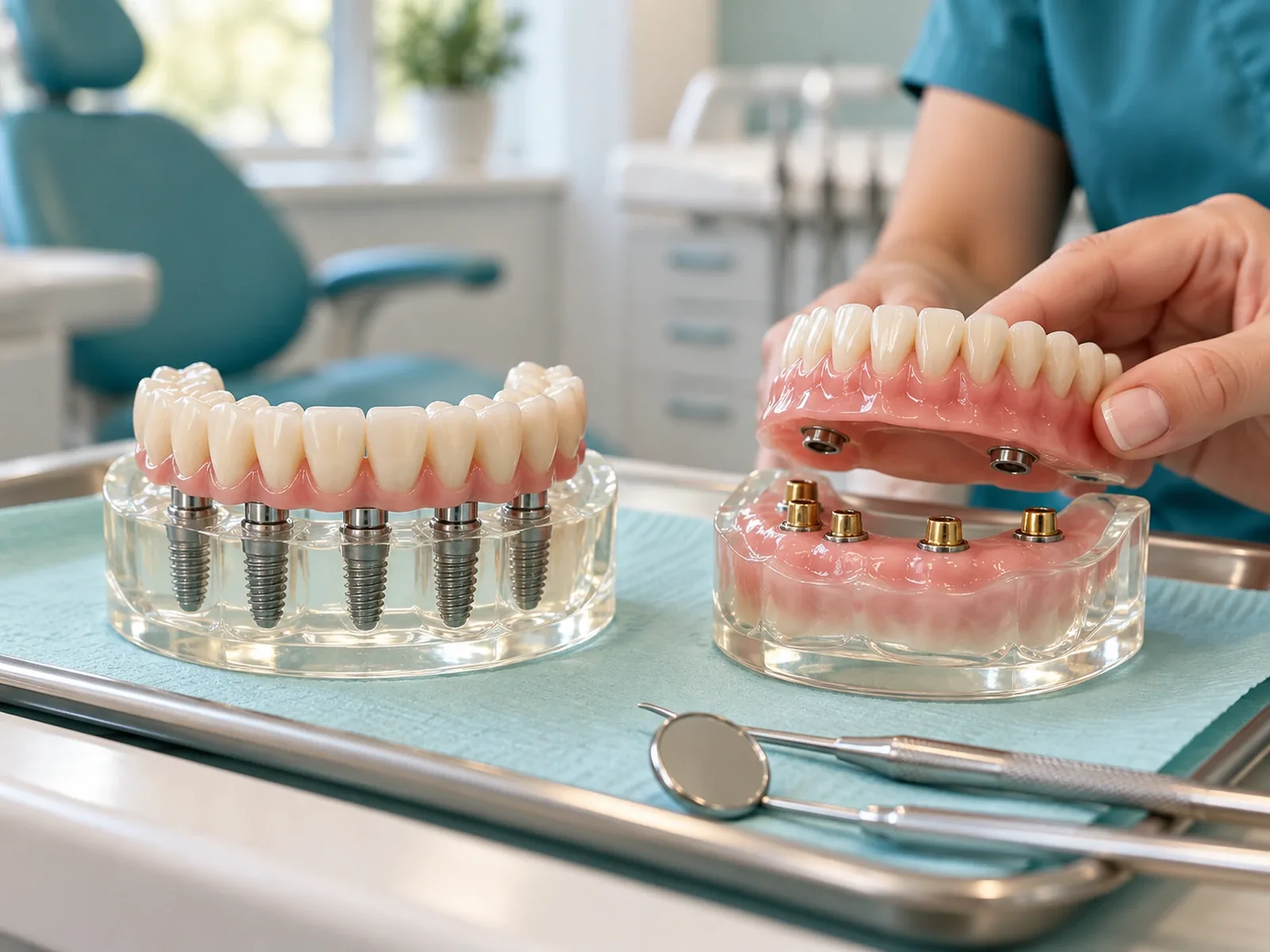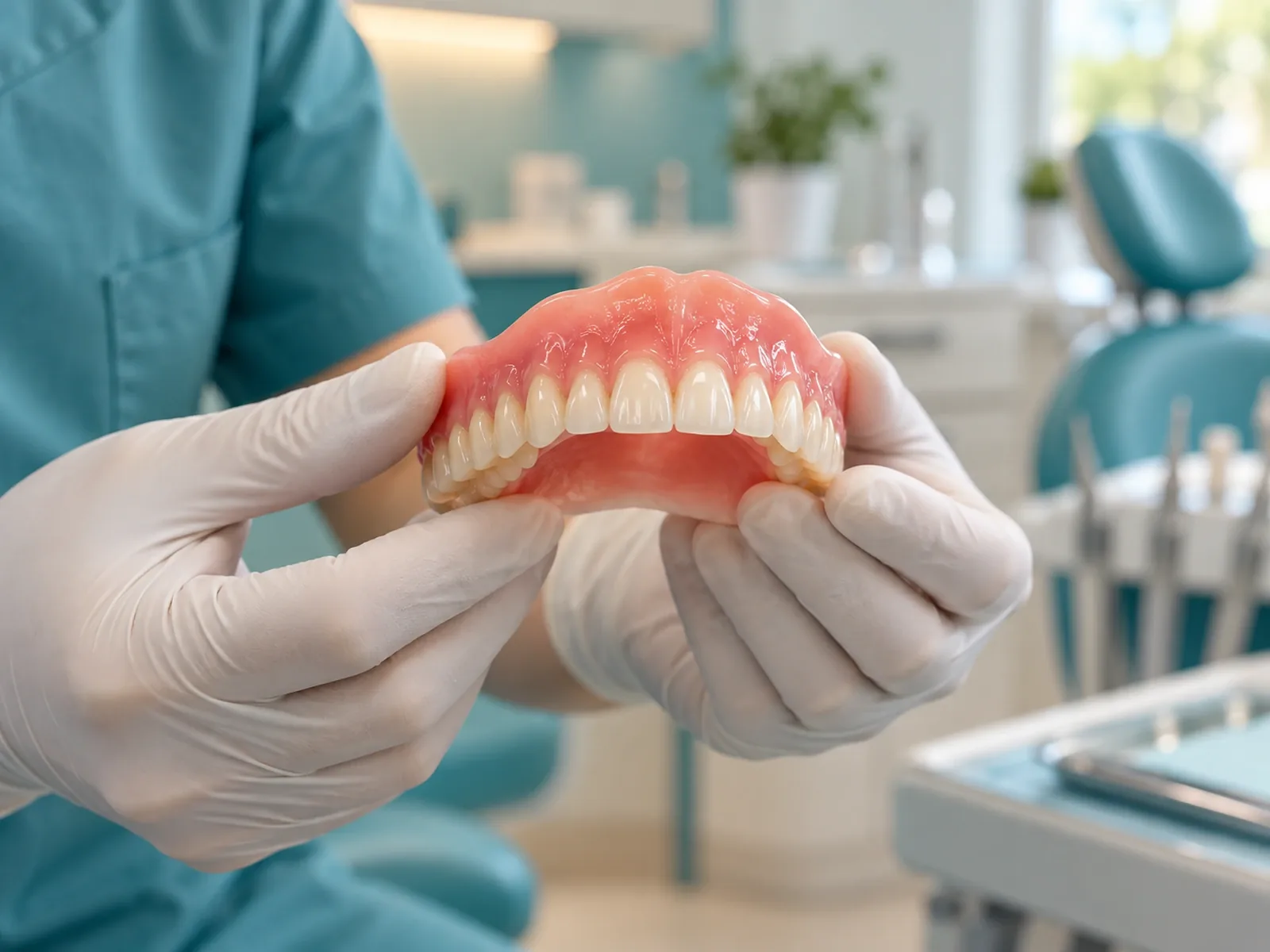

Full-arch implant treatment is one of the largest investments most people will ever make in their health, and it is also one of the hardest to price-shop. Advertised figures range widely, and two quotes for the same mouth can differ by thousands of dollars while both promising "a new smile." Usually the gap is not one office overcharging. It is that the two quotes include different things.
This page does not give you a number, because any number that fits every patient would be wrong for most of them. Instead it shows you the parts an honest estimate is built from, the questions that reveal what a quote leaves out, and the costs that continue after the surgery is finished. Read it alongside our full-arch dental implants overview, and if you are considering a single implant rather than a whole arch, the implant cost guide is the better fit.
The parts of a full-arch estimate
A complete plan has six groups of charges. A quote may bundle them or list them separately, but every one of them is work that someone has to do.
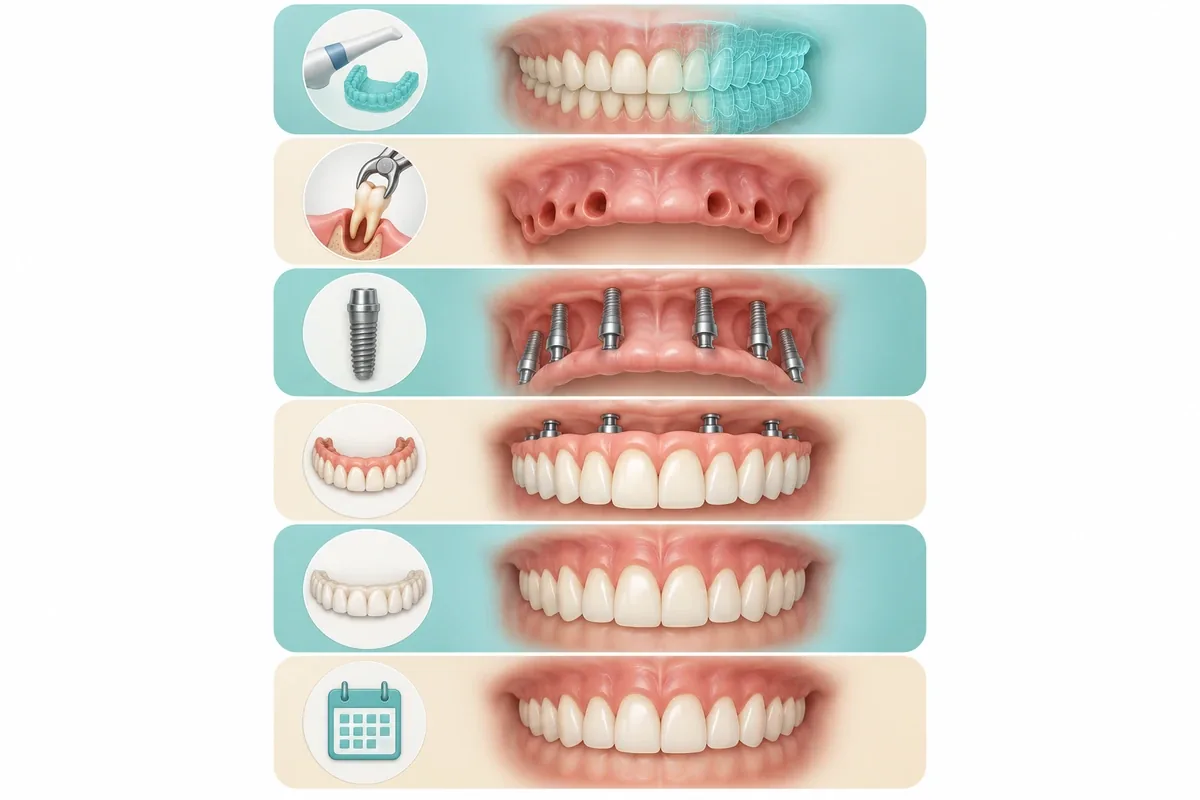
1. Diagnostics and planning. The examination, a 3D scan of your jaws, photographs, models or digital scans of your teeth, and the design work that decides where implants go and what the teeth will look like. Some offices include this in the surgical fee; others charge separately for the consultation and scan.
2. Preparing the mouth. Removing any remaining teeth, treating infection, smoothing the bone ridge so a bridge can sit on it, and any bone grafting or sinus lift needed for the planned implant positions. This is where quotes vary most, because it depends entirely on your starting point.
3. Implant surgery. The implants themselves, the abutments that connect them to the bridge, the surgical guide if one is used, local anesthesia and the surgical appointment. The number of implants, covered in our guide to four or six implants, changes this line directly.
4. Temporary teeth. Either a fixed acrylic bridge attached around the day of surgery, or a removable temporary denture worn while the implants heal, or both if a backup is needed. Some quotes include one temporary; relines and repairs to it during healing may or may not be covered.
5. The final bridge. The long-term restoration: its material, the lab that makes it, the try-in appointments and the delivery. This is often the single largest line, and it is the one most often left vague or quoted separately. Our guide to full-arch materials explains why a zirconia bridge costs more than an acrylic hybrid.
6. Follow-up. Healing checks, bite adjustments, hygiene instruction, and the first stretch of maintenance visits. Ask how many visits and for how long.
Five questions that expose the differences
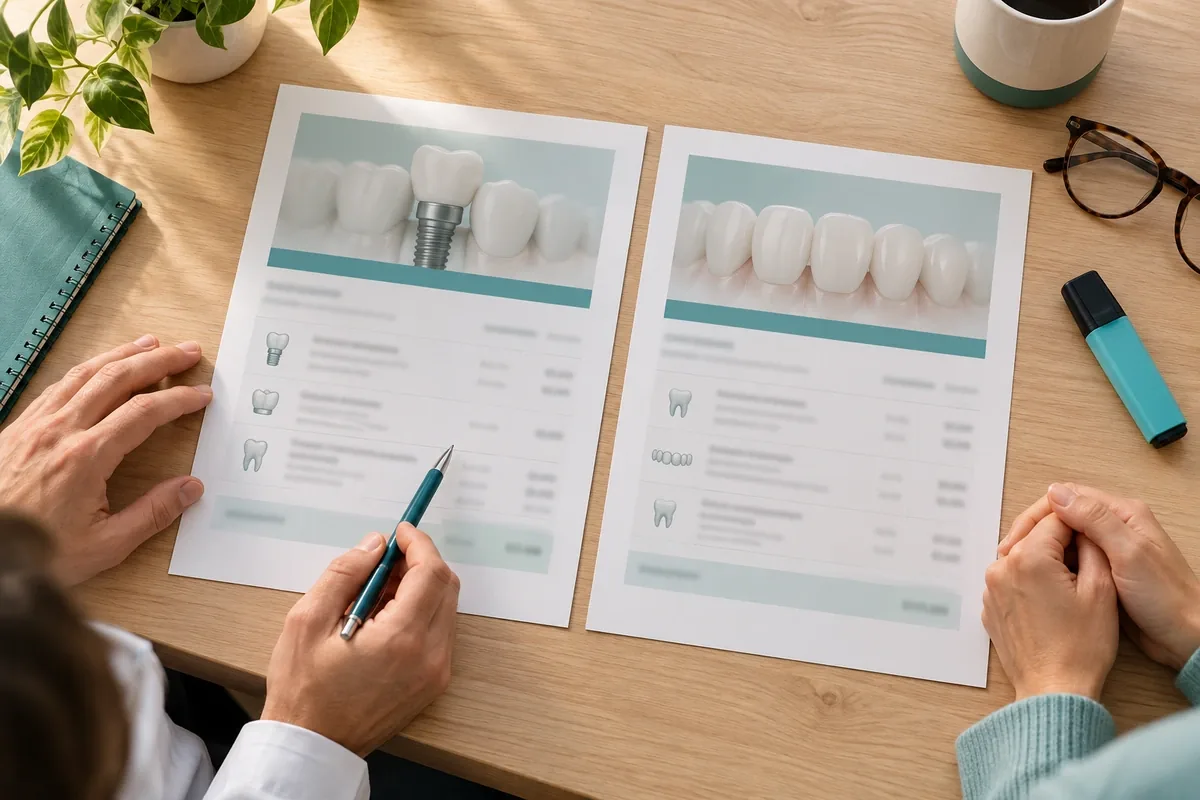
When you have two or more estimates in hand, ask each office the same questions and write the answers side by side.
- One arch or two? A single-arch quote compared with a both-jaws quote will always look cheaper. Make sure you know which you are reading.
- Does the price include the final bridge, or only the temporary? "Teeth in a day" pricing sometimes stops at the temporary bridge. Our guide to same-day implant teeth explains why those are different restorations.
- What material is the final bridge, and who makes it? Acrylic on a titanium bar and monolithic zirconia are both legitimate, but they are not the same price and should not be compared as if they were.
- Is grafting included, and what happens if more is needed? Some quotes assume no grafting and add it later; others build in a contingency.
- What is the plan, and the cost, if an implant does not integrate or the temporary breaks? The answer tells you a lot about how the office stands behind its work.
Why the same mouth gets different prices
Once the scope matches, remaining differences usually come down to a few things:
- Implant count and brand. More implants cost more. Implant systems from established manufacturers with long track records and widely available replacement parts generally cost more than lesser-known systems, and that matters years later when a part needs replacing.
- Material and lab. A hand-finished zirconia bridge from a skilled lab is a different product from a basic acrylic conversion of a denture.
- Who does the surgery. Treatment done entirely in one office is priced differently from treatment split between a surgeon and a restoring dentist, though the total should be compared, not either half.
- What is bundled. Diagnostics, temporaries, follow-up and a period of maintenance either appear as lines or as surprises.
A noticeably lower quote deserves the same scrutiny as a noticeably higher one. Ask what was taken out.
The costs that continue after delivery
Treatment does not end with the delivery photo. Over the life of a full-arch bridge, plan for:
- Professional maintenance visits, which involve more than a routine cleaning and may include removing the bridge for inspection on some schedule. Our full-arch maintenance guide describes what those visits do.
- Wear and repair. Acrylic teeth wear and are re-processed after a number of years; zirconia chips are rarer but costlier to fix; screws occasionally need replacement.
- A night guard if you grind, to protect the investment.
- Replacement parts for removable designs, such as the clip inserts that lose their grip over time.
- Eventual remake. Any restoration has a service life. Ask what a replacement bridge on the existing implants would involve.
Ask for these expectations in writing. If the office offers any warranty or remake policy, read its conditions, exclusions and time limits before treatment, and find out whether it requires you to keep up with maintenance visits. Cleburne Dental's own policies are explained during your consultation; nothing on this page should be read as a guarantee.
Comparing against the alternatives
A fixed full-arch bridge is not the only way to replace a full set of teeth, and a fair cost comparison includes the alternatives as complete plans:
- A removable implant denture usually uses fewer implants and a less expensive restoration; see fixed versus removable implant teeth for the daily-life tradeoffs.
- Conventional complete dentures cost far less up front but need relines and replacement and do not stop bone loss.
- If you still have teeth worth saving, a plan combining crowns, some implants and gum treatment may be more appropriate, and the reconstruction cost guide is the better comparison.
The cheapest option over ten years is not always the cheapest option today, and the reverse is also true. Ask Dr. Zohdi to walk through the long-term picture for each.
Insurance and financing
Dental insurance plans that cover implants at all usually cover a limited portion, and annual maximums are typically far below the cost of a full arch. Some plans apply a denture benefit toward the restoration. Before relying on any estimate of coverage, have benefits verified and ask what you will owe if the insurer pays less than estimated. Our insurance page explains how we handle that process.
Most patients use some form of payment plan or third-party financing. Compare offers by the total you will repay over the full term, not the monthly payment, and read what happens if a promotional interest period ends before the balance is paid. Our payment and financing page outlines the options we work with.
Get a plan you can actually compare
A good full-arch estimate reads like a plan, not a price tag: every stage listed, every material named, and the follow-up spelled out. Dr. Zohdi and our team will give you that kind of written plan and walk you through it line by line, including how it compares with the alternatives for your mouth. To start, request a full-arch consultation at our office in Cleburne, and bring any estimates you already have.
Sources and further reading
- FDA: Dental implants—what you should know
- American Academy of Periodontology: Dental implant procedures
- ADA MouthHealthy: Implants
General information, not a diagnosis. Read how we create and review our dental guides.