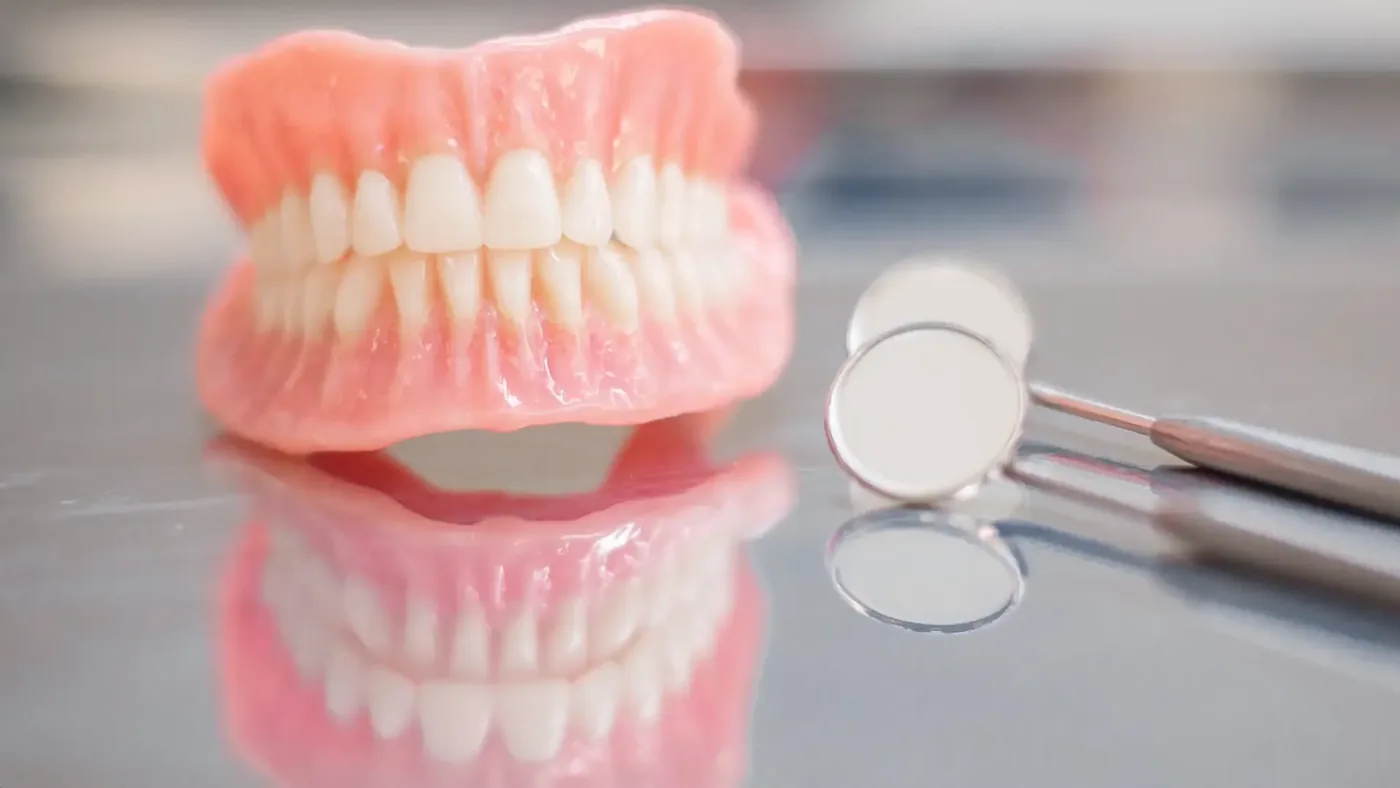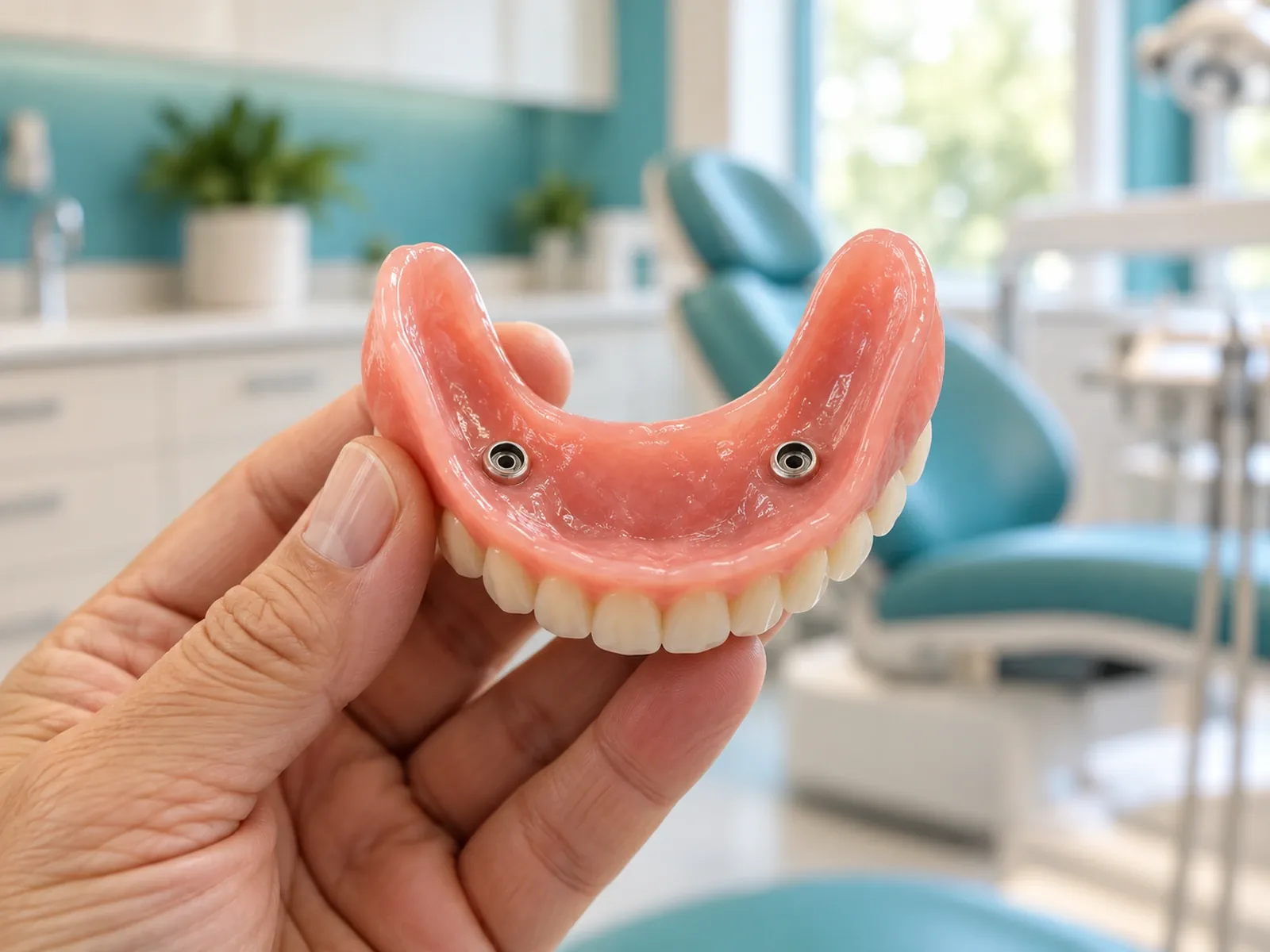
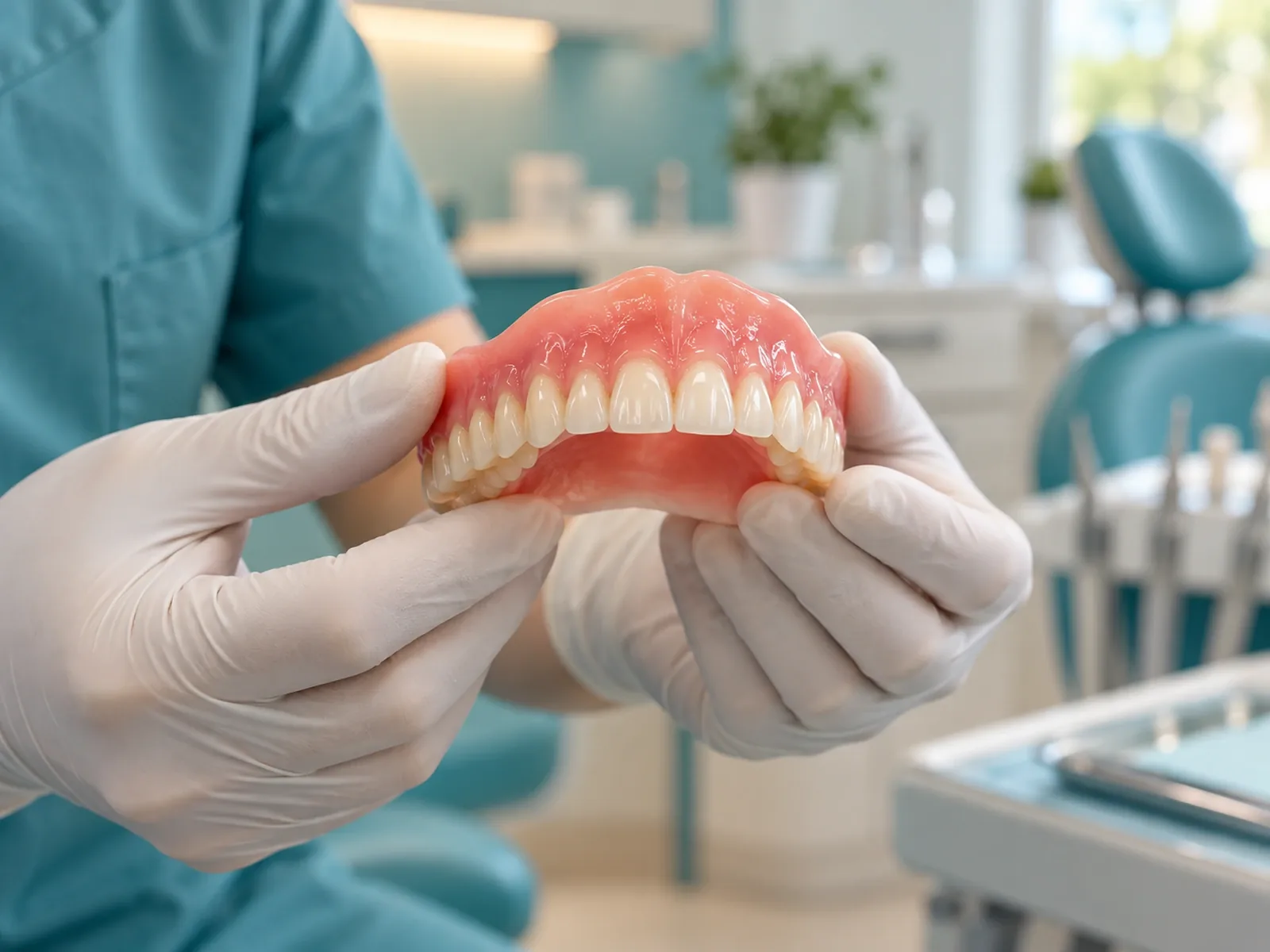
A complete denture, sometimes called a full denture, replaces every tooth in the upper or lower arch. It is removable, rests directly on the gums, and is shaped to restore the way you chew, speak and look. For many people it is the most straightforward way to replace a full set of teeth without surgery.
It is also honest to say what a complete denture is not. It does not feel like natural teeth, it does not have roots, and it relies on the shape of your mouth and your own muscle control to stay put. Knowing that before you start makes the first weeks far less discouraging, because you will understand what you are learning to do and why follow-up visits matter.
This guide walks through who complete dentures suit, why upper and lower dentures behave differently, what the visits involve at our Cleburne office, and how to keep the fit good for years. For the full range of removable options, start with our dentures overview.
Who complete dentures are for
A complete denture is the right conversation when all the teeth in an arch are already gone, or when the remaining teeth cannot reasonably be kept. People choose this route for a few common reasons:
- They want to replace teeth without surgery or a long healing period.
- They have a medical condition or a medication history that makes implant surgery less appealing.
- They want a lower upfront cost than implant treatment, or want to keep implants as a possible later step.
If you still have some teeth in the arch, the decision is not automatic. Before anything is removed, it is worth asking whether a tooth can be saved and whether a partial denture around your remaining teeth might serve you better. Extractions cannot be undone, so that conversation belongs at the very start.
Upper and lower dentures do not behave the same way
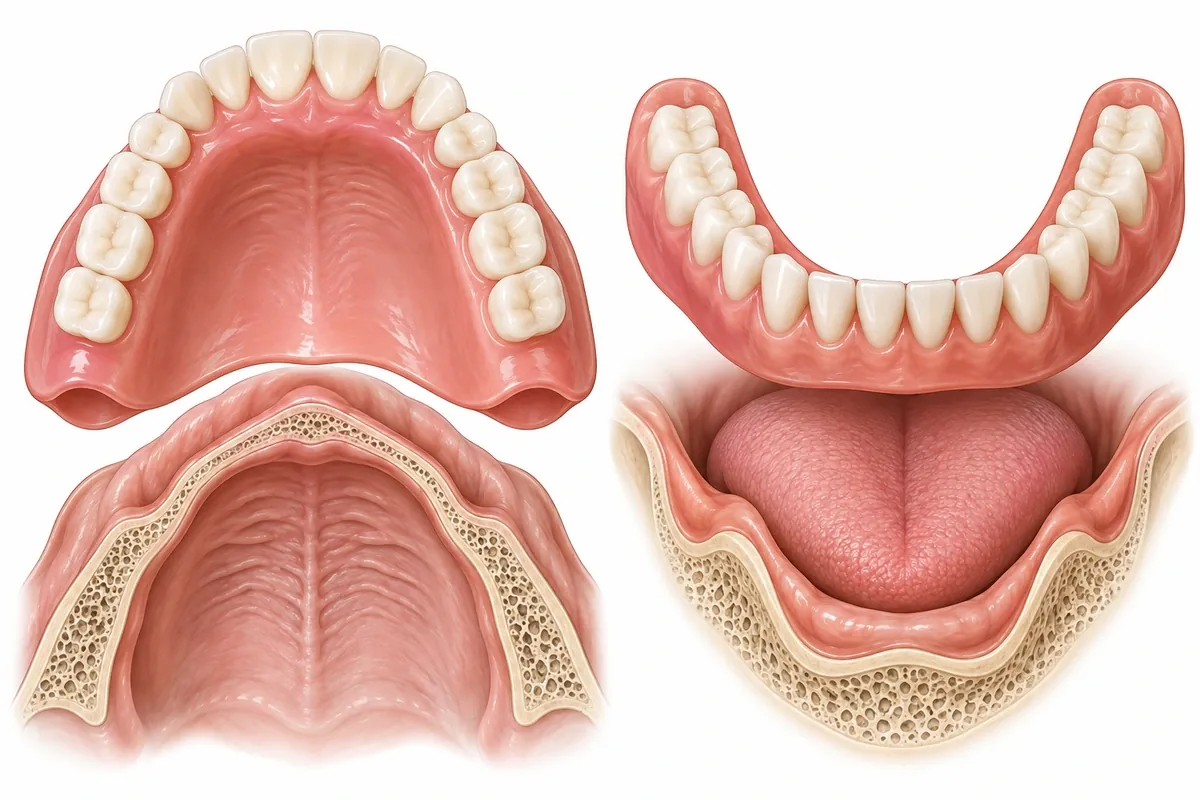
Patients who have worn an upper denture for years are often surprised when a new lower denture feels loose. The two jaws offer very different foundations.
| Upper complete denture | Lower complete denture | |
|---|---|---|
| Support area | Large: the ridge plus the roof of the mouth | Small: a horseshoe-shaped ridge only |
| What holds it | A seal around the palate plus saliva film | Ridge shape, cheek and tongue control |
| Common feeling | Secure once seated; may affect taste or feel bulky at first | More movement, especially while eating, until the muscles learn it |
| Typical adjustments | Palate edge, gagging areas, sore spots | Tongue-side borders, sore spots, bite balance |
The lower denture is the one most people have to practise with: the tongue sits right beside it and can lift it until the muscles learn to hold it in place, which is why we do not judge a lower denture on its first day.
Conventional or immediate: when the denture is made matters
A conventional complete denture is made after the gums have healed from any extractions. The tissues are stable, so the fit tends to stay accurate longer. The trade-off is a healing period without teeth in that arch.
An immediate denture is made before extractions and placed the same day the teeth come out. You are never without teeth, but the gums shrink as they heal, so the fit changes and relines or a later replacement are expected. Our page on recovering from an extraction explains what those healing weeks involve.
Neither path is wrong. The right one depends on how many teeth are being removed, your health, your schedule and how you feel about a gap during healing.
What happens at your visits
Making a complete denture is a sequence of short visits rather than one long appointment. The exact number varies with the method and your mouth, but the usual steps are:
- Consultation and exam. Dr. Zohdi looks at the gums and ridge, takes any X-rays needed, and asks what you like and dislike about any denture you already wear.
- Impressions. A first impression captures the general shape of your mouth. A second, more detailed impression is often taken in a custom tray so the denture borders match your tissues and muscle movements.
- Bite and tooth selection. We record how your jaws meet and how much your lips need to be supported. Together you choose the tooth shade, size and shape. This stage decides much of how the denture will look and sound.
- Wax try-in. The teeth are set in wax so you can see the arrangement, check your speech and look in a mirror before anything is final.
- Delivery. The finished denture is seated, checked for pressure areas and bite balance, and you are shown how to insert, remove and clean it.
- Adjustment visits. Sore spots show up with real wear. One or more short follow-ups to relieve them are a normal part of the process, not a sign of failure.

The lab needs time between stages to build the denture, so expect the process to run over several weeks.
The first weeks with a new denture
Extra saliva, a feeling of fullness, and a few slurred sounds are common at first and settle as the muscles adapt. Start with soft foods cut small, chew on both sides at once to keep the denture balanced, and read aloud to retrain speech.
Soreness that stays in one spot, a denture that drops when you talk, or an inability to eat the foods we suggested should be reported rather than endured. Our guide to getting used to new dentures covers what to track and what to tell us at follow-up.
Keeping the fit over the years
Once teeth are gone, the bone that held them slowly remodels and the ridge gets lower. The denture does not change, so the gap between the two grows. That is why a denture that fit well a few years ago can start to rock, trap food or need adhesive.
A reline refreshes the fitting surface to match the new shape of your gums. When the teeth are worn flat, the base is cracked or repaired many times, or the bite has drifted, replacement usually makes more sense than another patch. Daily cleaning and periodic exams, described in our denture care guide, keep both the denture and the tissues under it healthy, even when no natural teeth remain.
What affects the cost
We do not list prices here because the right plan differs so much from person to person. The main things that move the cost are:
- Whether extractions, and sometimes socket preservation grafting, are needed first.
- Immediate versus conventional timing, and whether relines are included.
- The quality of the denture teeth and base material, and the number of try-in stages.
- Whether implants are added for retention.
Dental plans often cover dentures but limit how often they will pay for a replacement. Our insurance and payment and financing pages explain how we help you sort that out before treatment begins.
Limits and alternatives worth knowing
Complete dentures restore a great deal, but chewing force is lower than with natural teeth, hard or sticky foods remain harder, and upper dentures cover the palate, which some people find changes taste or temperature sensation. A denture also does not stop the jawbone from remodeling.
For more stability, an implant-supported denture snaps onto a small number of implants and still comes out for cleaning. Fixed full-arch implant teeth are a further step with different surgical, hygiene and financial demands. Ask for a side-by-side comparison rather than assuming the most elaborate option is the one you need.
Sources and further reading
General information, not a diagnosis. Read how we create and review our dental guides.