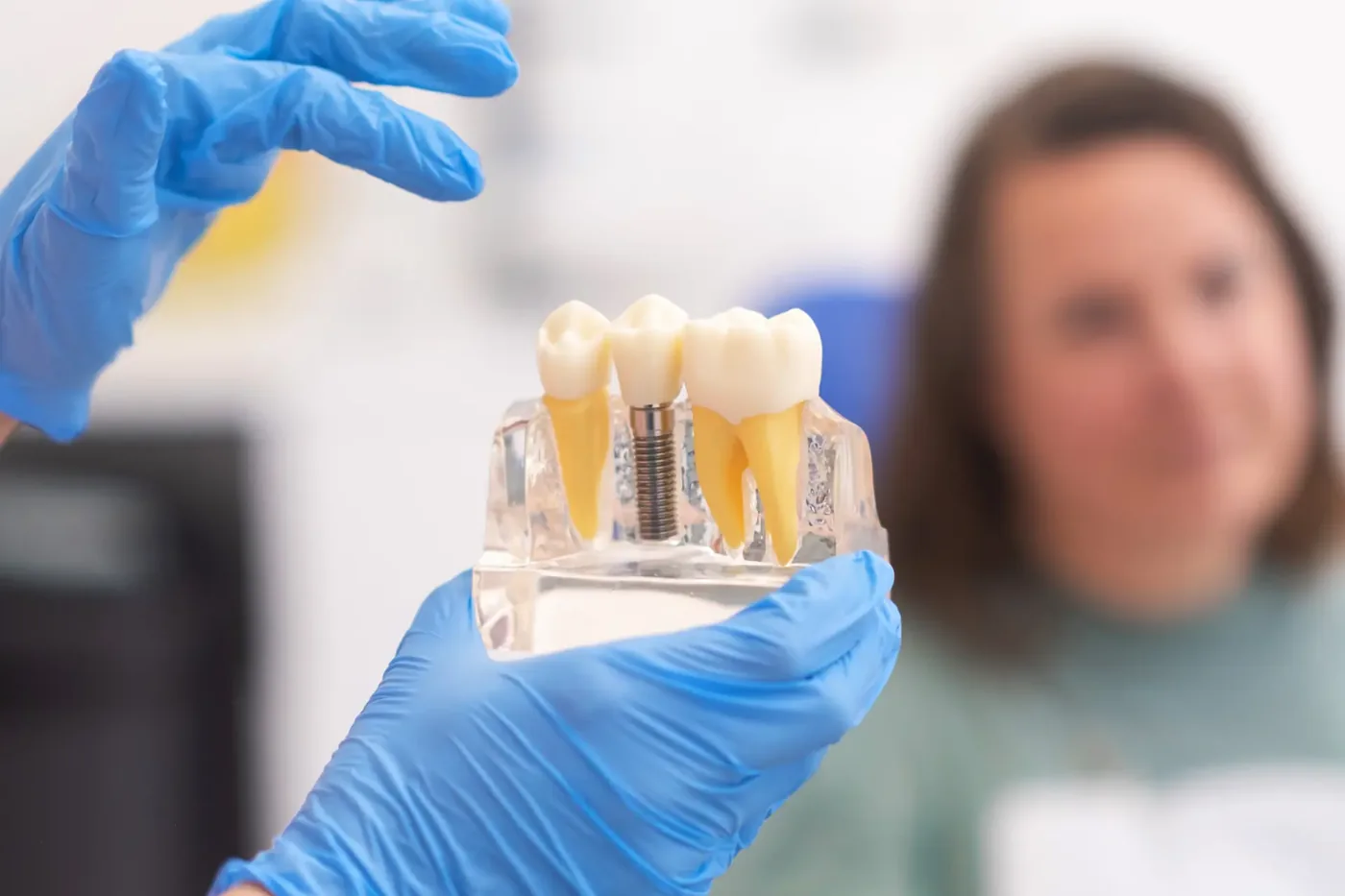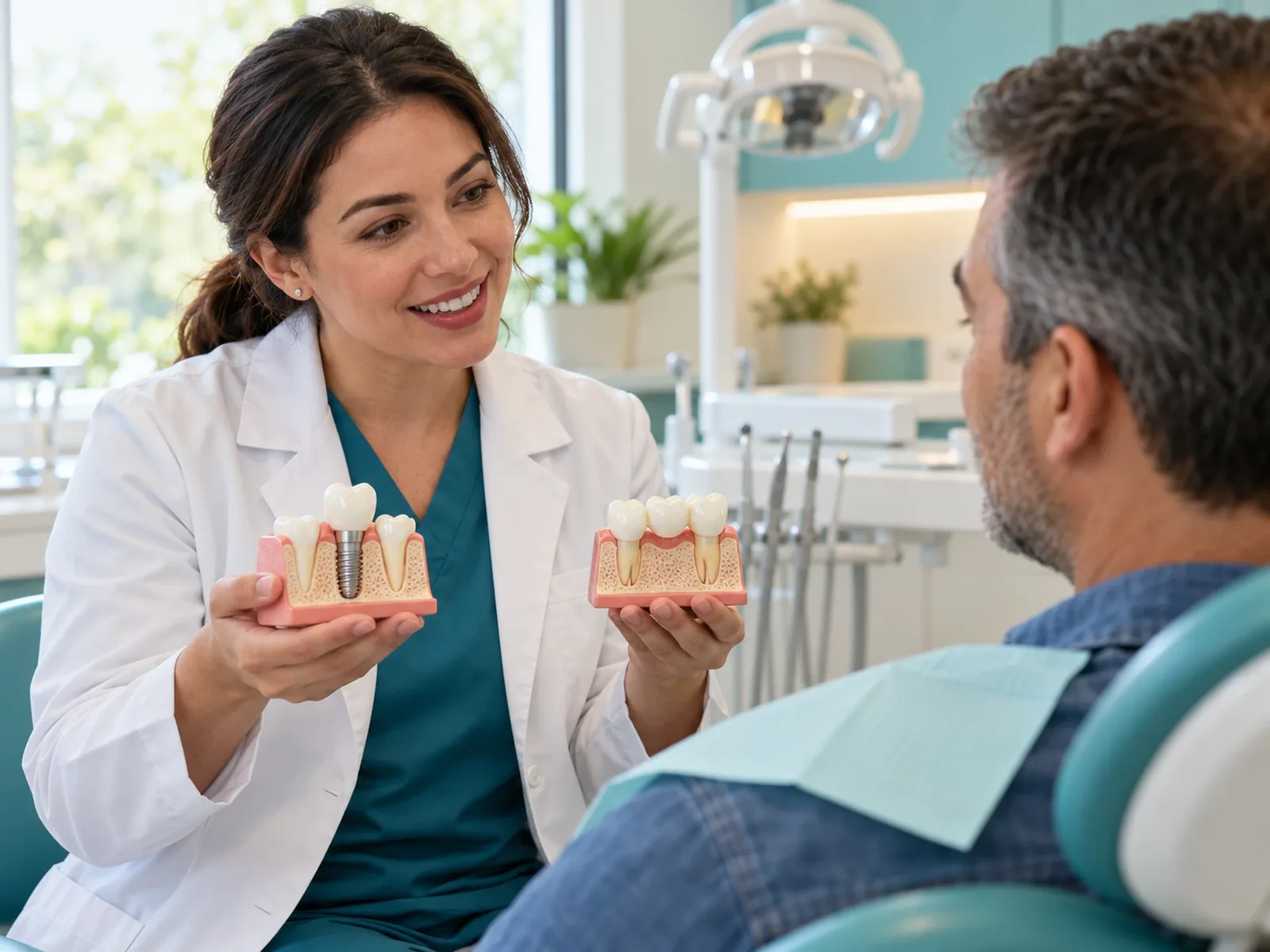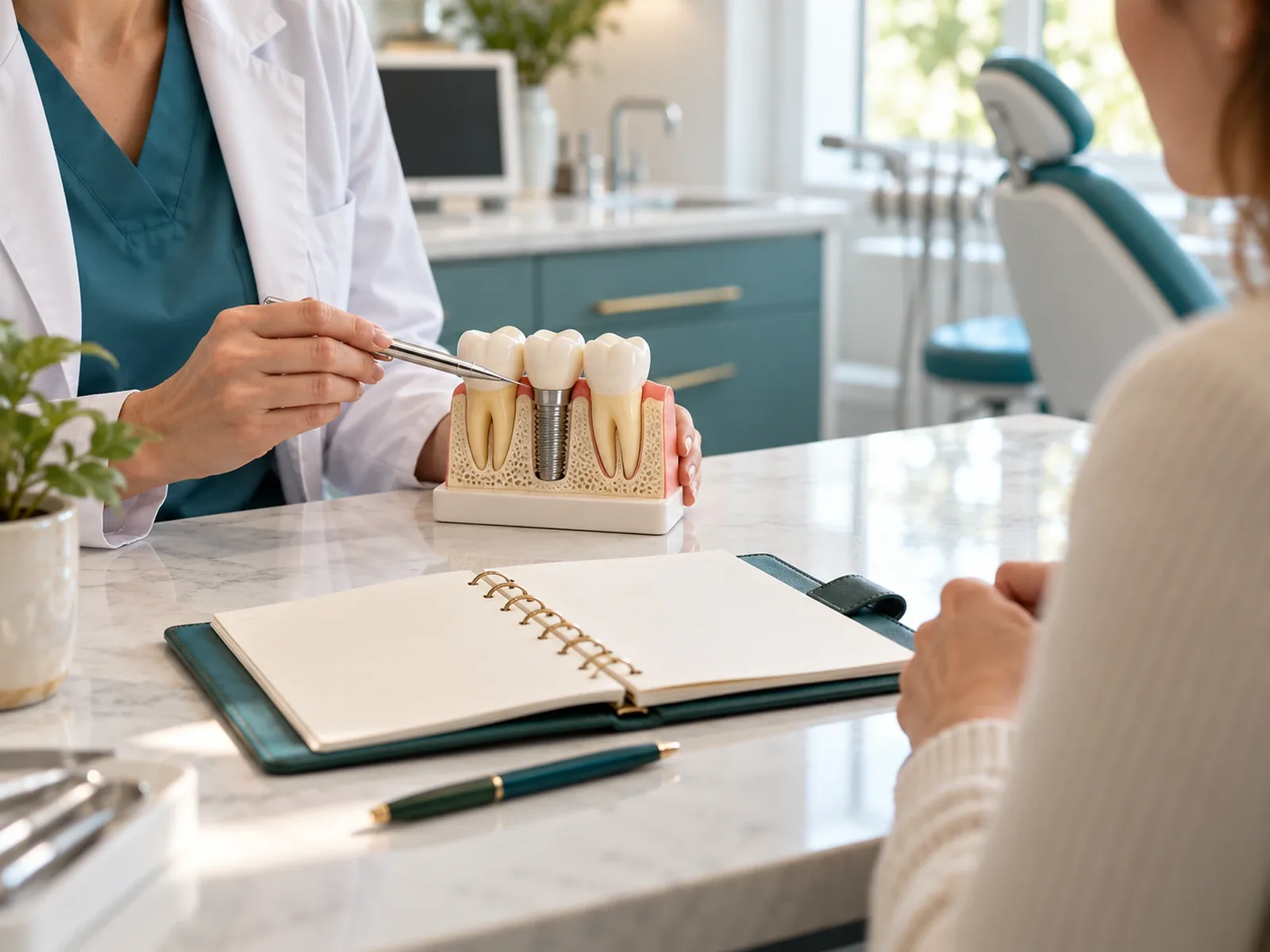
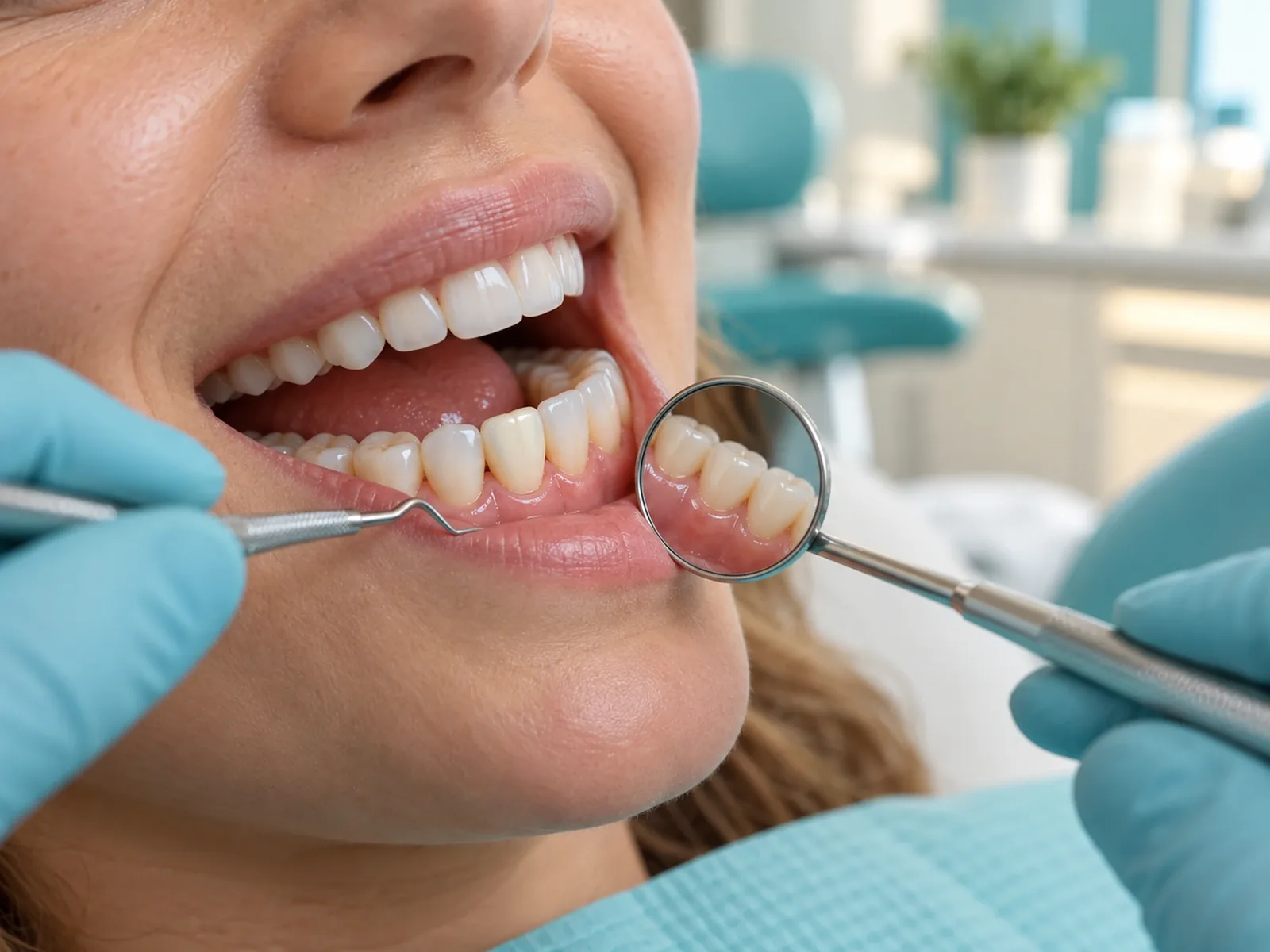
Losing one tooth is common, and a dental implant is one of the most dependable ways to replace it without involving the teeth on either side. The finished result is not just a screw in the jaw. It is three parts working together: a small titanium post in the bone, a connector called an abutment, and a custom crown that is the only part you see.
A single implant is often the first option we discuss when the neighboring teeth are healthy, the bone is adequate, and you want a replacement that stays put and is cleaned like a natural tooth. It is not the right answer for every space or every patient, which is why the planning visit matters as much as the surgery.
This guide, part of our dental implant services, walks through what Dr. Zohdi evaluates, what the stages look like, what you wear in the meantime, and how an implant compares with a bridge or a partial denture, so you can arrive at your consultation in Cleburne already knowing which questions to ask.
The three parts of a single-tooth implant
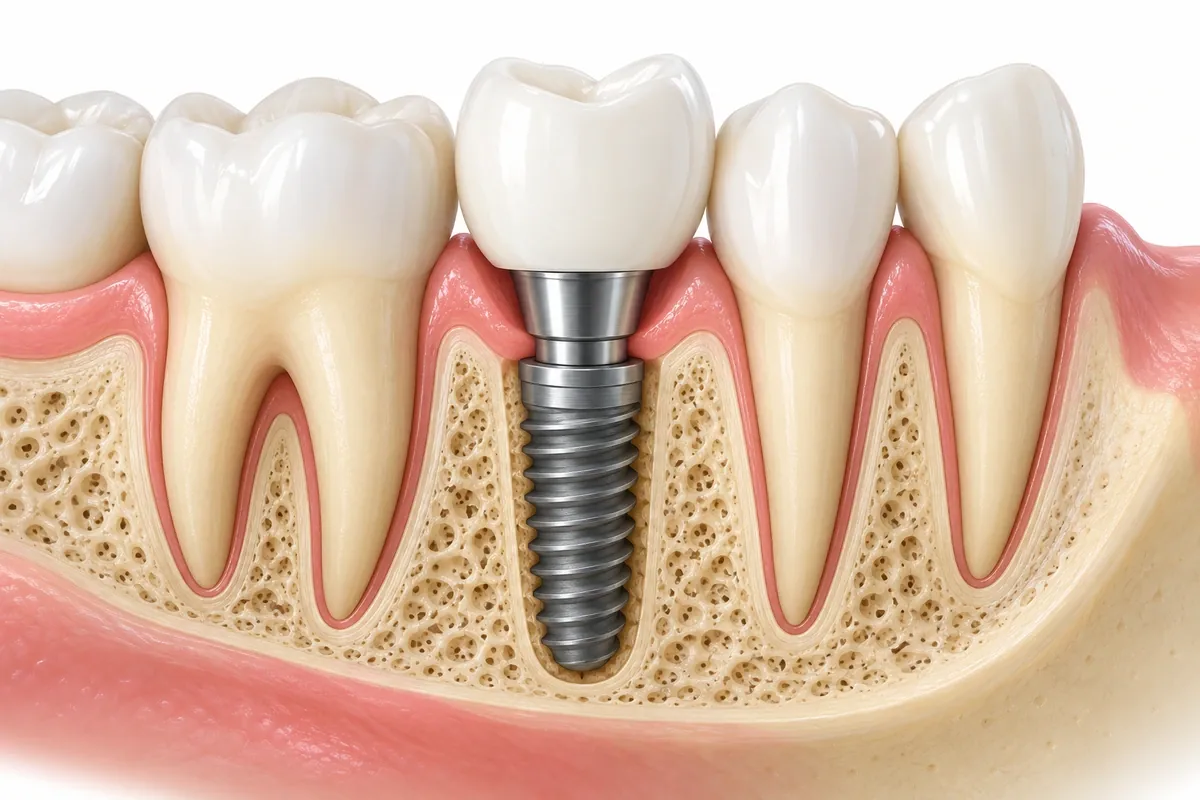
- The implant. A small post, usually titanium, placed in the jawbone where the root used to be. Over several months the bone grows onto its surface, a process called osseointegration. This is what gives an implant its stability.
- The abutment. A connector that attaches to the implant and rises just above the gumline. It is the shoulder the crown sits on, and it is shaped so the gum can heal around it in a natural contour.
- The crown. A porcelain or ceramic tooth made to match the shade, shape and size of its neighbors. It is either cemented onto the abutment or held with a small screw that is sealed over.
Each part can be made, adjusted or replaced separately. That matters later: a worn crown can often be remade without touching the implant underneath.
When a single implant makes sense, and when it may not
A single implant tends to be a strong choice when:
- The teeth on either side of the gap are healthy or have only small fillings, so you would rather not have them cut down for a bridge.
- There is enough bone height and width to hold the implant, or the site can be built up with a graft.
- The gums are healthy and any gum disease elsewhere has been treated.
- You can keep the area clean and can return for follow-up visits.
It may be a weaker choice when the neighboring teeth already need crowns (a bridge may then do two jobs at once), when bone loss is severe and you prefer not to have grafting, when a medical condition or medication makes healing less predictable, or when the bite space is too tight for a crown of normal size. In those cases the right answer might be a dental bridge, a partial denture, or a decision to monitor the space for now.
What Dr. Zohdi evaluates before recommending an implant
The planning visit is where most of the important decisions are made. You can expect:
- A conversation about the tooth. If it is still in your mouth, the first question is whether it can be saved. A root canal and crown can sometimes keep a tooth for many more years, and that comparison deserves honest discussion before anything is removed.
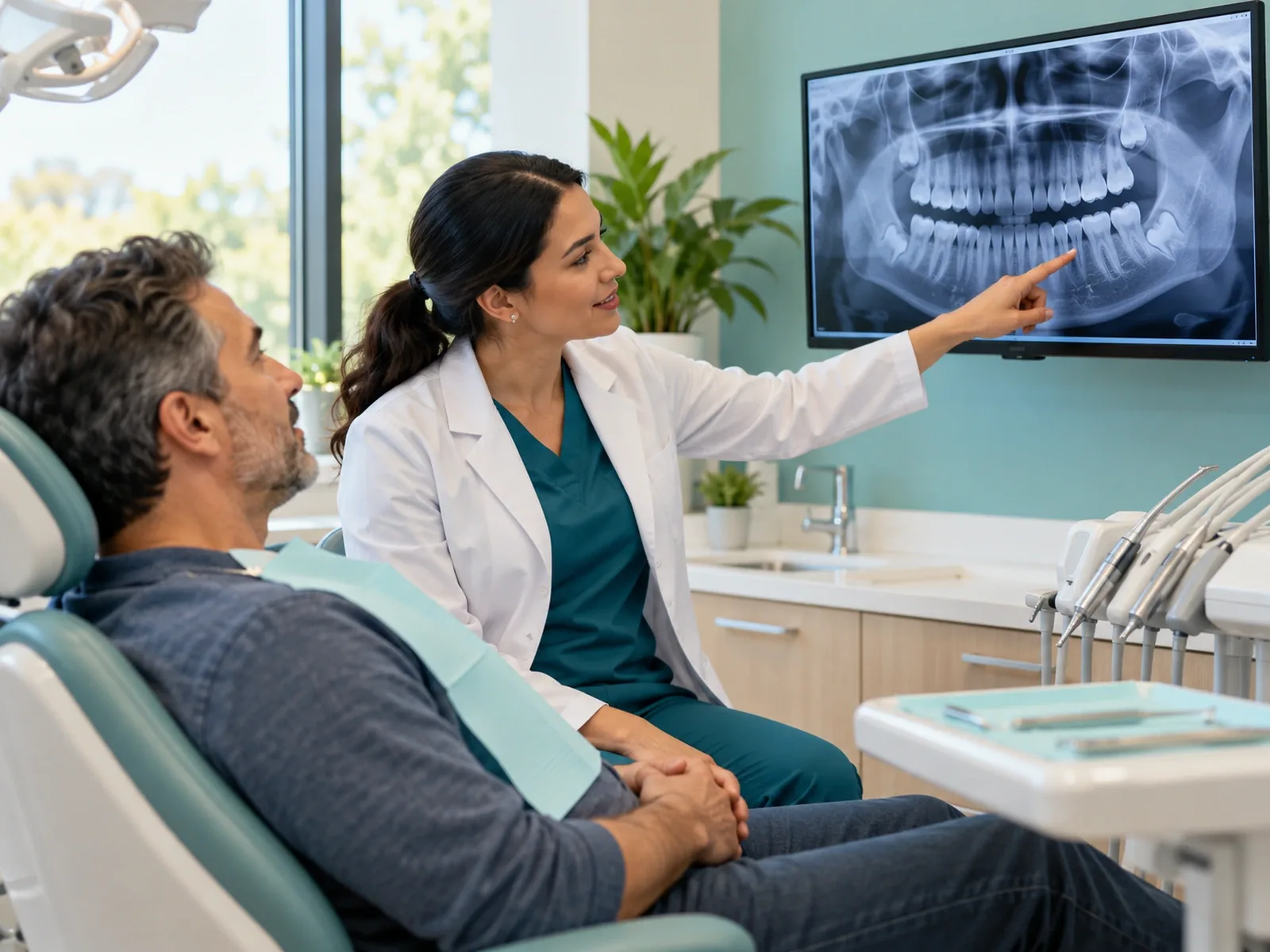
- Imaging. X-rays and, when needed, a 3D scan show the bone's height and width and the position of nearby structures such as the sinus in the upper jaw or the nerve canal in the lower jaw.
- The gap itself. We measure the width of the space and the vertical room for a crown. A gap that has narrowed because the neighbors drifted may need orthodontic help or a different design.
- Your gums and bite. Healthy, firm gum tissue heals more predictably. How your teeth meet, and whether you clench or grind, affects how much force the crown will carry.
- Medical history. Medications that affect bone or bleeding, diabetes control, smoking, and previous radiation to the jaws all shape the risk discussion. Bring a current list.
The implant candidacy guide goes deeper on each of these factors.
Front tooth or back tooth: why location changes the plan
Replacing a molar is mostly about strength. The implant is often wider, the crown is built to take chewing force, and small differences in gum shape are rarely noticed.
Replacing a front tooth is mostly about appearance. The gum has to frame the crown the way it frames the neighbors, the bone under the lip must be thick enough to avoid a visible gray shadow, and the crown shade must match in daylight as well as indoors. Front-tooth sites more often need a small graft or a longer healing period with a shaped temporary to train the gum. Expect more visits and more attention to detail in the front, and expect that to be reflected in the plan.
What happens, step by step
Every case is different, but a typical single-implant sequence looks like this:
- Extraction, if the tooth is still present. Sometimes the implant is placed the same day; sometimes a socket preservation graft is placed and the site heals for a few months first. Which path is better depends on infection, bone walls and gum thickness.
- Implant placement. Done with local anesthesia. The gum is opened or a small punch is made, the site is shaped, the implant is placed and a cover or healing cap is attached. Many patients find this appointment easier than they expected.
- Healing. The bone integrates with the implant over several months. The site is checked along the way.
- Impression or digital scan. Once the implant is stable, we record its exact position so the laboratory can make an abutment and crown.
- Delivery. The crown is tried in, the bite is checked, and the contact with neighbors is adjusted so floss passes with a snap but food does not pack.
The treatment timeline guide explains what must happen before each stage can begin and why dates are checkpoints rather than promises.
The tooth you wear while the implant heals
Nobody wants to walk around with a visible gap, so ask about this early. Common options:
- A removable flipper. A light acrylic tooth on a small plate. Inexpensive and easy, but it is not for chewing on and it must be relieved so it does not press on the implant.
- A bonded temporary. A tooth-shaped piece glued to the neighbors. Looks good and stays put, but it can debond.
- An immediate temporary crown on the implant. Possible only when the implant is very stable at placement and the site is favorable. It is kept out of the bite and is for appearance, not chewing.
- Nothing. Often reasonable for back teeth.
Whatever you wear, treat it as a placeholder. It is not built to take the forces the final crown will take.
Recovery and the first weeks
Mild soreness and some swelling for a few days are normal. Most people manage with over-the-counter pain relief, a soft diet and a careful cleaning routine around the site. Warning signs that need a call include increasing pain after day three, swelling that is getting worse rather than better, fever, or a loose-feeling healing cap. The implant recovery guide covers what to expect and what to watch for.
What affects the cost
A single-implant estimate should separate the implant surgery, the abutment, the crown, imaging, any extraction or grafting, and any temporary tooth. Two offices can quote very different numbers for an implant when one includes the crown and the other does not. Our implant cost guide shows how to read an itemized estimate, and the payment and financing page explains how we help patients spread the cost.
Risks, and how they are managed
Implants have a long track record, but they are surgery and they can fail. Possible problems include infection, the implant not integrating, injury to a nearby nerve or the sinus, gum recession that shows a dark line, and later mechanical issues such as a loose screw or chipped porcelain. Good planning, careful imaging, treating gum disease first and not smoking all reduce risk. If an implant does not integrate, it is removed, the site is allowed to heal, and placement can usually be attempted again. Ask what the plan is if things do not go as expected, and ask it before you start.
Alternatives worth a fair comparison
| Single implant | Conventional bridge | Removable partial | |
|---|---|---|---|
| Involves neighboring teeth | No | Yes, they are crowned | Clasps rest on them |
| Surgery | Yes | No | No |
| Preserves bone at the site | Yes | No | No |
| Cleaning | Like a natural tooth | Floss threader under the false tooth | Remove to clean |
| Typical total time | Months | Weeks | Weeks |
| What usually needs work later | Crown or screw | Decay under a crown, or the whole bridge | Relines, clasps |
The implant versus bridge guide looks at this decision in more depth.
Taking the next step
If you are missing a single tooth, or you have a tooth you suspect cannot be saved, a planning visit is the practical way to find out whether an implant fits your mouth, your health and your budget. Dr. Zohdi will walk you through the imaging, show you the options side by side and give you a written plan. Request an appointment at our Cleburne office at 302 N Ridgeway Dr, or call (817) 641-6261.
Sources and further reading
- FDA: Dental implants—what you should know
- ADA MouthHealthy: Dental implants
- Mayo Clinic: Dental implant surgery
General information, not a diagnosis. Read how we create and review our dental guides.