Restorative Dentistry in Cleburne: Repairing Damaged Teeth
Restorative dentistry repairs teeth damaged by decay, cracks, and wear, and replaces teeth that are missing. The right repair depends on how much healthy tooth is left.
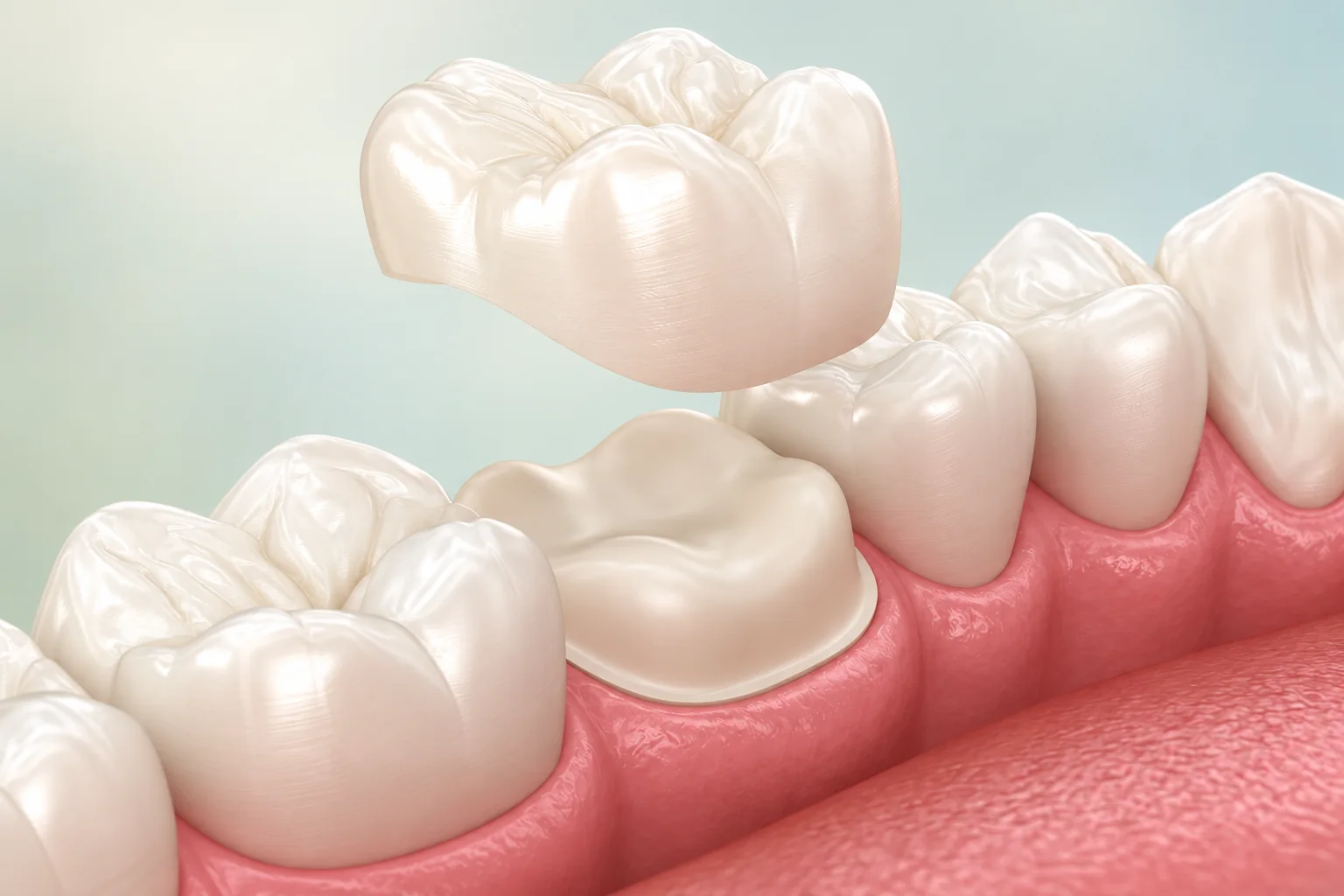
Restorative dentistry is the part of dental care that repairs what has gone wrong with a tooth. Decay, cracks, wear from grinding, a broken cusp, an old filling that has given up: each takes away tooth structure, and the restoration's job is to put back what is missing and protect what remains. It also covers replacing teeth that are gone altogether.
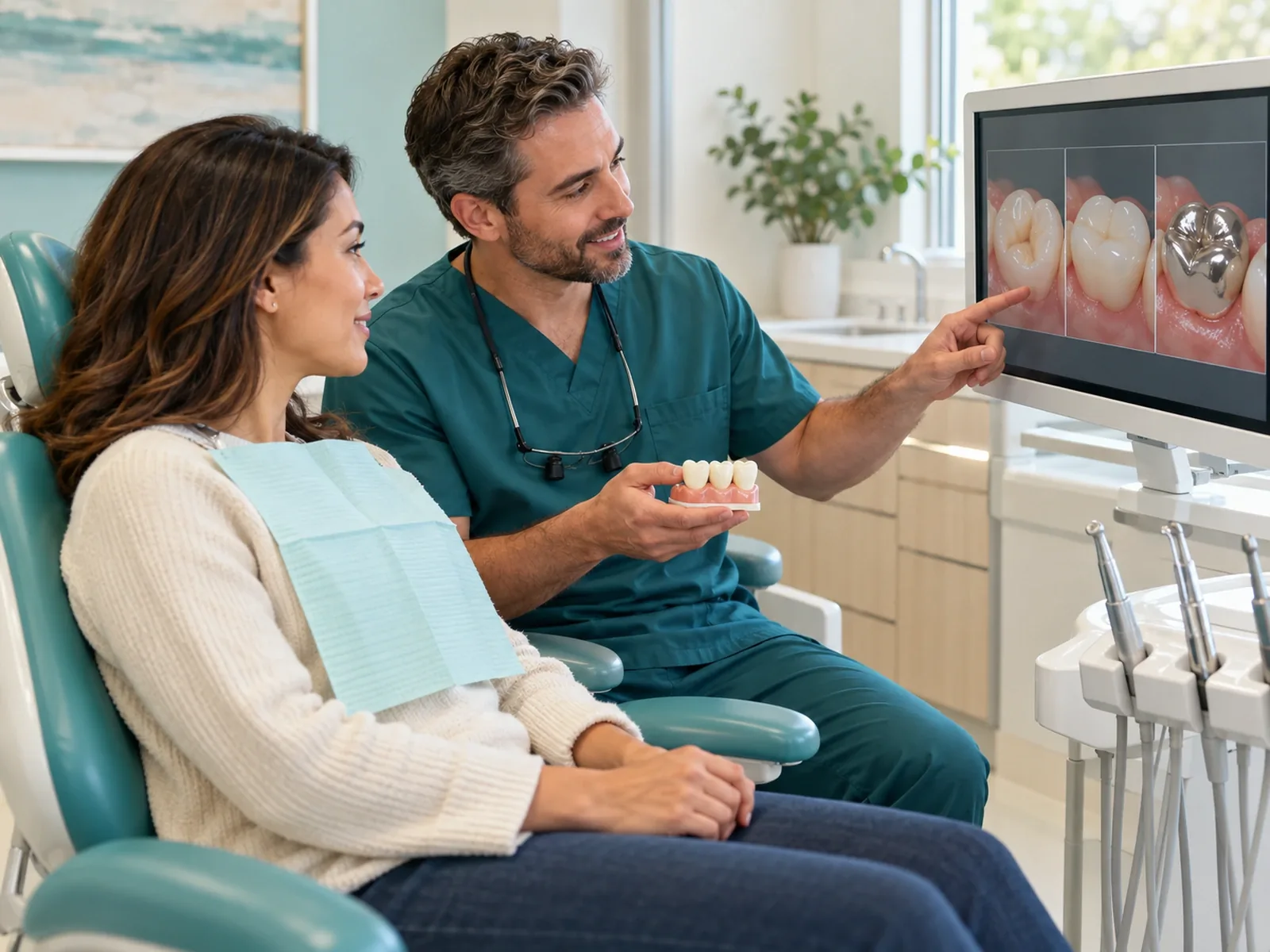
A good restorative plan answers three questions in order. How much healthy tooth is left? What will protect it reliably? And how will the repair work alongside the rest of your mouth? At Cleburne Dental, Dr. Zohdi walks you through those answers tooth by tooth, so you understand not just what is recommended but why. This page introduces each kind of repair we provide and links to a detailed guide on each.
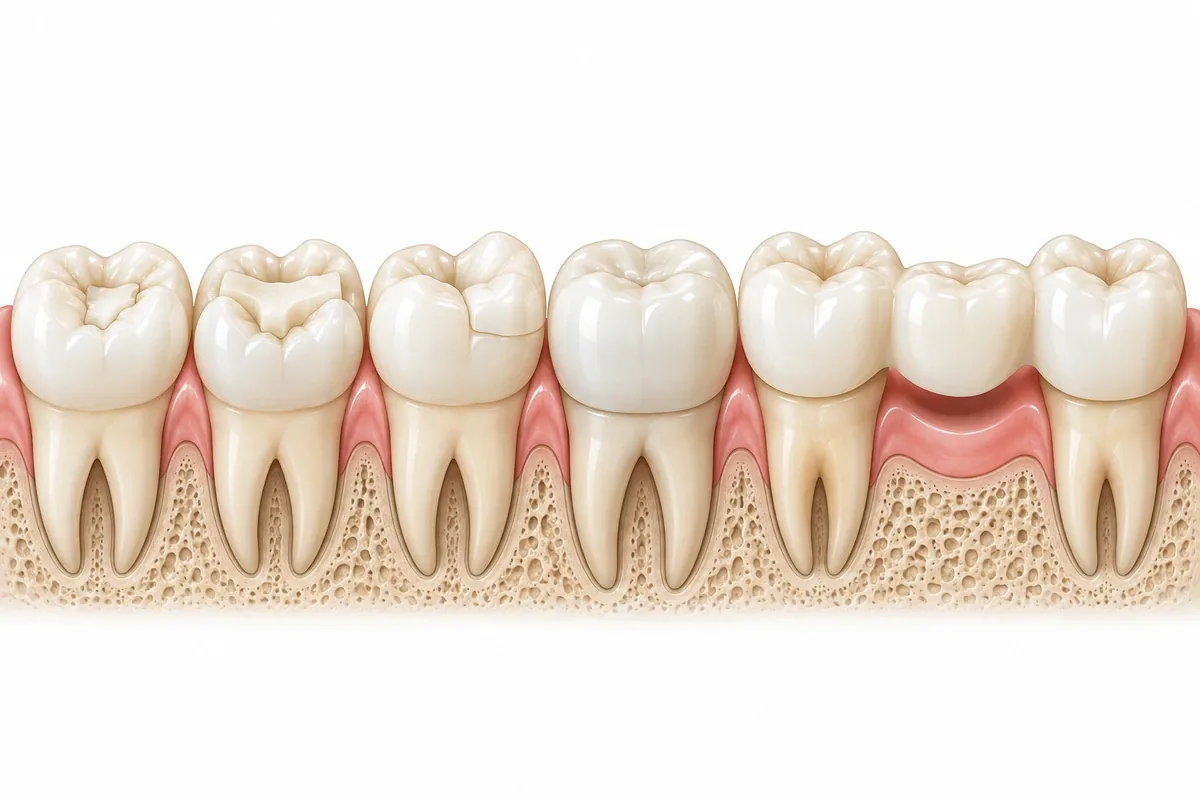
The restorations for a damaged tooth form a scale of coverage. Where your tooth lands depends on how much sound structure remains, whether any cusps are thin or cracked, where the tooth is, and how hard you bite on it.
Most of the tooth is weakened, cracked, or has had root canal treatment
The visible size of a cavity is a poor guide to which of these a tooth needs. Two holes that look alike can leave very different amounts of reliable tooth. Our filling-versus-crown guide explains the findings that move a tooth along the scale, including the tooth that keeps breaking around an ever-larger filling.
Illustration: the scale of restorative repair, from a small filling to a full crown, with a bridge shown replacing a missing tooth. Educational drawing, not a patient photo.
Replacing missing teeth
When a tooth is gone, there are three main ways to fill the space. A dental bridge crowns the teeth on either side and joins a replacement tooth to them; it is fixed in place and finished in a few weeks, but it relies on the neighbors. A dental implant replaces the root as well as the tooth and leaves the neighbors untouched, at the cost of a surgical step and several months of healing. A partial denture replaces several teeth at once and comes out for cleaning.
The comparison worth making covers the effect on neighboring teeth, daily cleaning, treatment time, and what happens when something eventually needs repair, not just the first fee. If the missing tooth is one that is badly broken rather than already gone, the first question is whether it can be kept at all; see saving versus removing a tooth.
Deciding about old fillings and crowns
An older restoration does not need to be replaced because of its age or because it is silver. It needs to be replaced when it is failing: decay at its edges, a crack, an open margin that catches floss, or pain on biting. Our guide to replacing old dental work explains how we tell a failing restoration from an aging one, when a small repair is better than a full replacement, and what to ask before anything is removed. Removing old work can reveal more damage underneath, so it also covers how a change of plan should be handled.
How restorative visits work at Cleburne Dental
Whatever the repair, the process follows the same shape.
Examination and X-rays. Dr. Zohdi examines the tooth, checks each cusp and the surrounding gum, and takes X-rays to see how deep the problem goes and what sits under any old filling.
A plan you understand. You are shown what was found and told why it points to a filling, an onlay, a crown, or something else. Our team checks your insurance benefits and gives you a written estimate before treatment begins; see insurance and financing.
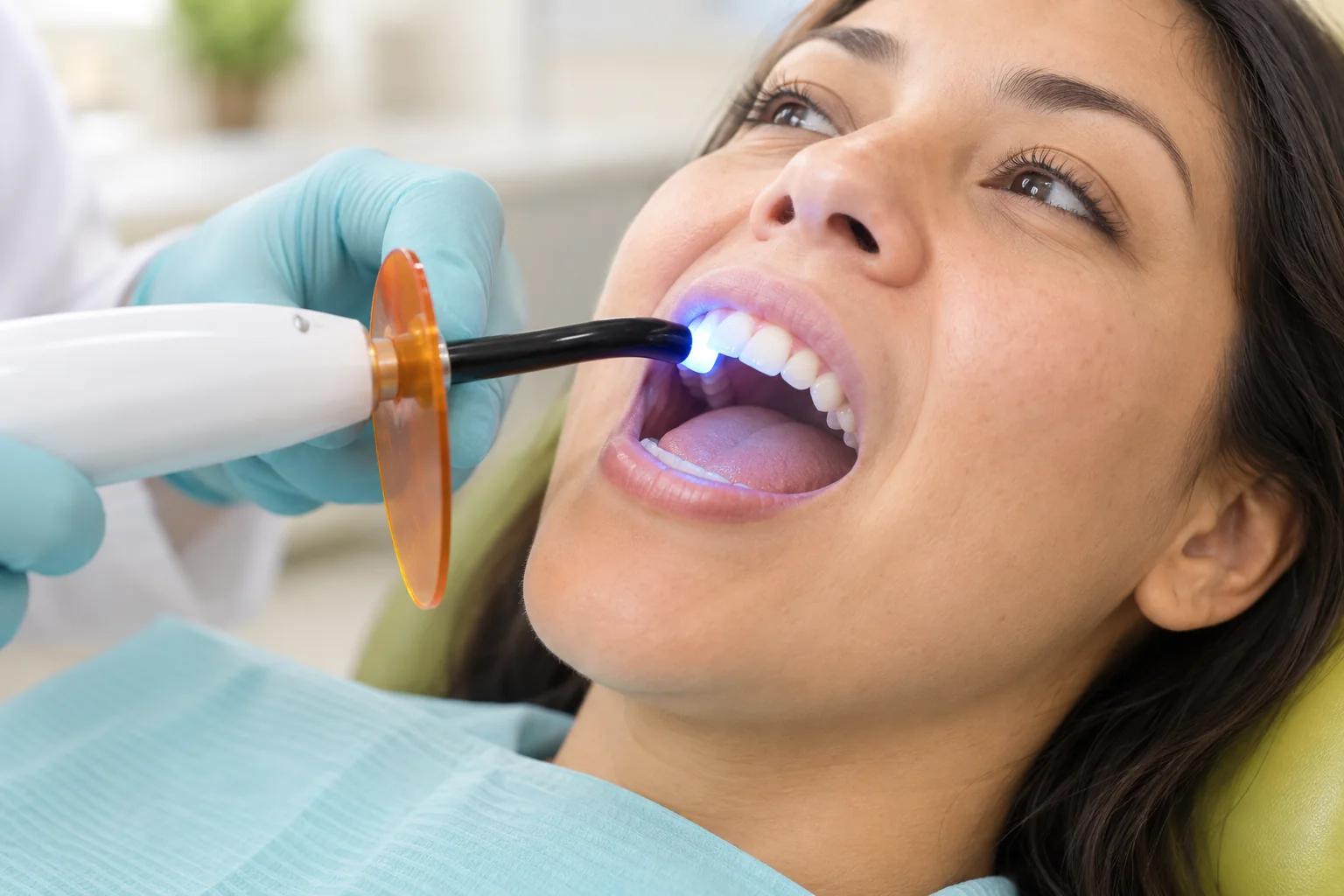
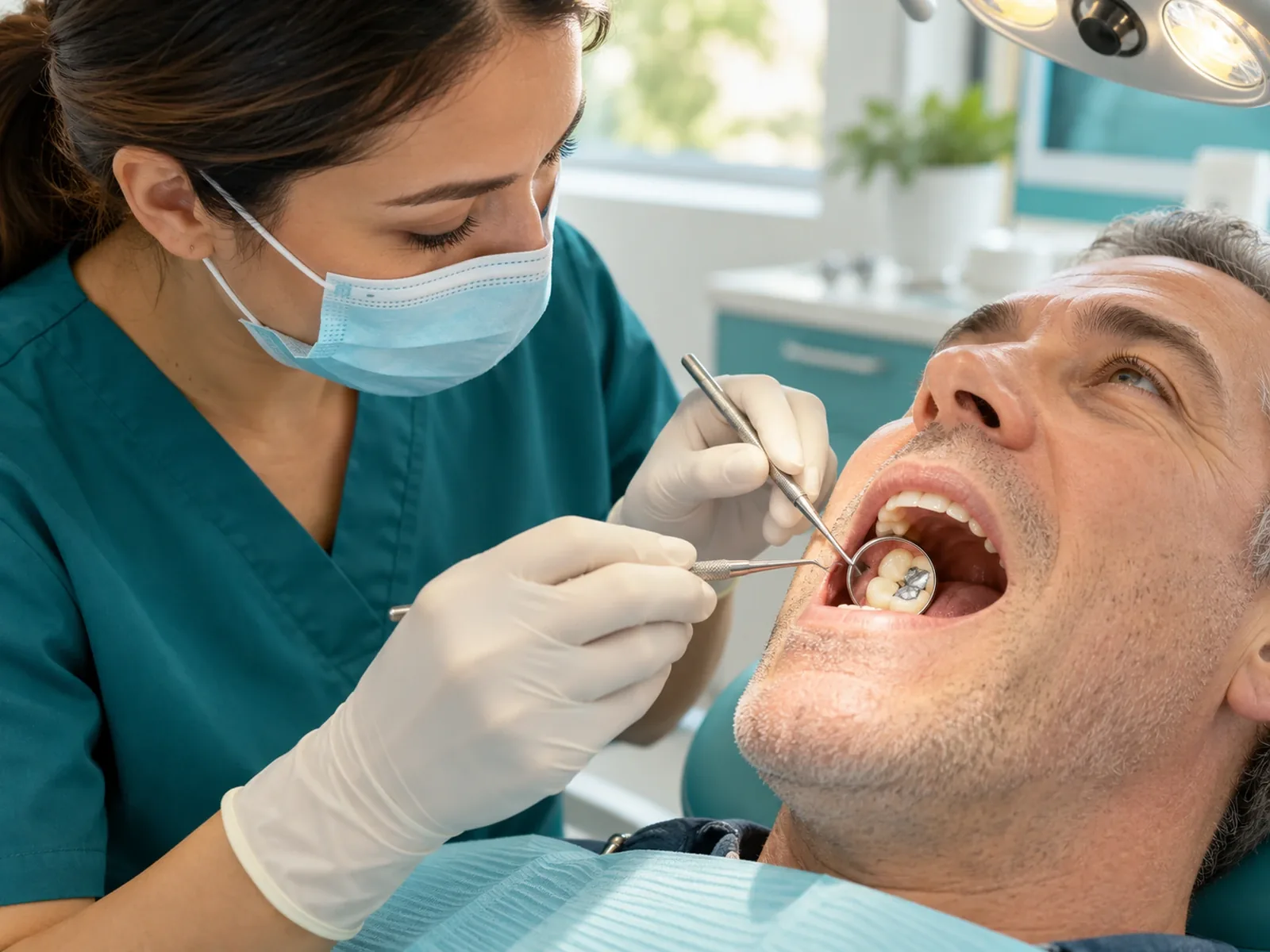
The appointment. The tooth is numbed with local anesthetic. You can raise a hand to pause at any time, and we work at a pace that suits you. Fillings are usually finished in one visit; crowns, onlays, and bridges usually take two, with a temporary in between.
Follow-up. Your bite is checked, you are shown how to clean around the new restoration, and the tooth is reviewed at your regular visits.
If a tooth has just broken or a crown has come off, start with our emergency guides to a broken tooth or a lost crown or filling, and call (817) 641-6261 during office hours.
The materials we use
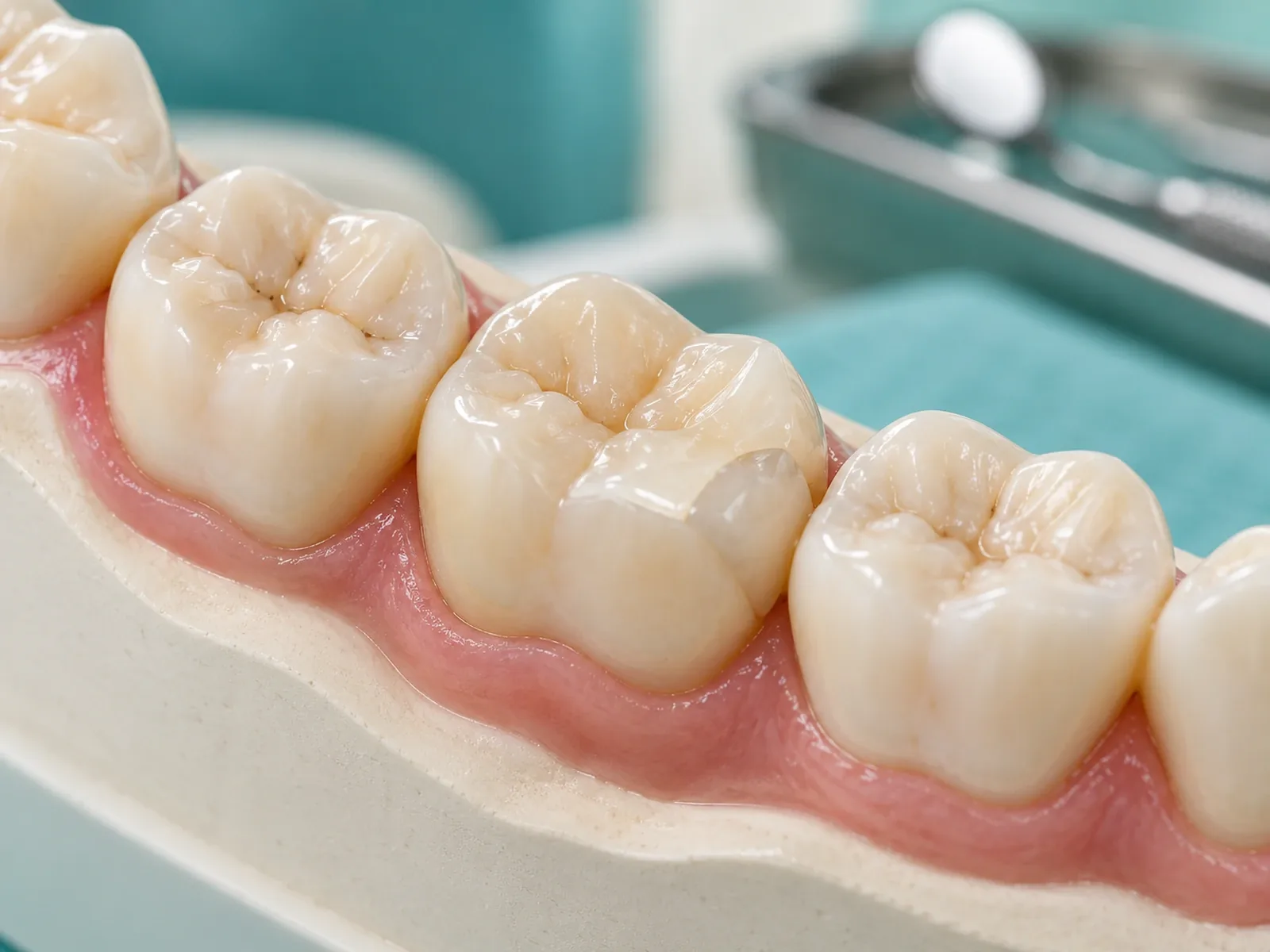
Fillings are done in tooth-colored composite, a resin bonded directly to the tooth. Most crowns and onlays are made from lithium disilicate porcelain (e.max), a metal-free ceramic that is strong enough for back teeth and matches natural enamel closely. For molars under very heavy force, or for people who grind, zirconia is sometimes the better choice. Bridges use the same ceramics. The right material depends on the tooth; the most expensive option is not automatically the best one.
Keeping restored teeth healthy
A restoration protects the part of the tooth it covers. The natural tooth at its edges can still decay, and that margin is where most restorations eventually fail. Brush twice a day with fluoride toothpaste, clean between your teeth daily, and keep your regular exams and cleanings so small changes at a margin are caught early.
Tell us about new sensitivity, a rough edge, food catching between two teeth, or a bite that feels different. If you grind or clench, a night guard protects every restoration in your mouth as well as your natural teeth.
When one tooth is part of a bigger picture
Most restorative care is one tooth at a time. Sometimes it is not: many teeth worn down over years, several old crowns reaching the end of their life, or a bite that has collapsed as teeth were lost. In those cases planning each tooth separately leads to repairs that do not work together. See full-mouth reconstruction and our guide to restoring worn teeth for how larger plans are sequenced and priced.
Is restorative dentistry different from cosmetic dentistry?
Restorative care repairs damage and restores function; cosmetic care changes appearance on teeth that are structurally sound. They overlap, since a good crown or filling should also look natural, but the reason for treatment differs.
Will a restoration hurt?
Restorative procedures are done under local anesthetic, and you can pause us at any time. Some sensitivity for a few days afterward is common and fades.
How long do restorations last?
It depends on the restoration, the material, and how well the margins are kept clean. Fillings generally have shorter lives than crowns, and grinding shortens the life of everything. None is permanent, which is why check-ups continue after the work is done.
Can I get a second opinion on a restorative plan?
Yes. Bring your X-rays and the proposed plan, and Dr. Zohdi will explain what he sees. See considering a second opinion.
If you have a tooth that hurts, a filling that feels rough, a crown that has come loose, or a gap you would like to fill, request an appointment at our Cleburne office. Dr. Zohdi will show you what is left of the tooth, explain the most conservative repair that will actually hold, and compare the options with you before anything begins. Restorative dentistry is one of the core services at Cleburne Dental.